
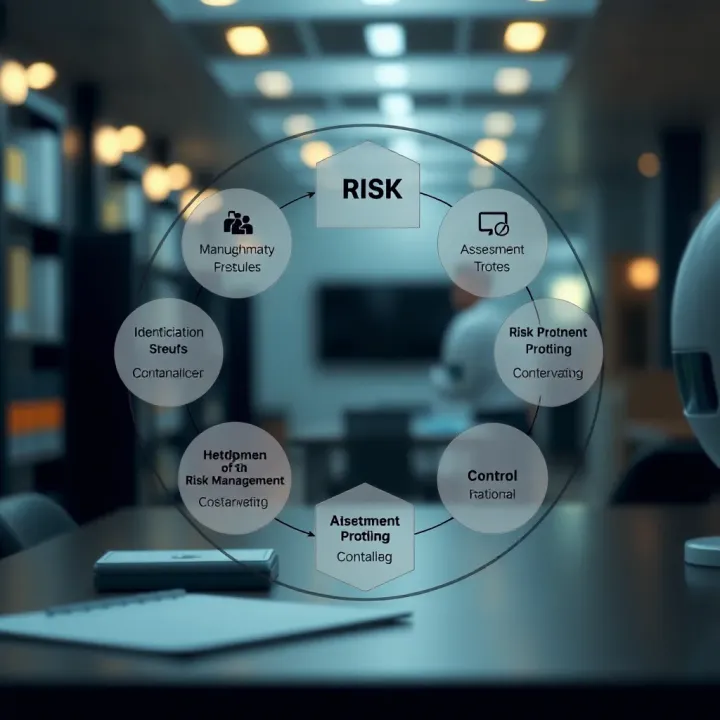
Understanding Risk Management in Business
📊 Learn about risk management essentials, types of business risks, practical steps, and why it matters for Pakistani organisations amid today’s challenges.
Edited By
Amelia Ward
Risk management means spotting, assessing, and handling potential threats that could harm a business or investment. In Pakistan, where economic volatility, loadshedding, and regulatory changes are frequent, managing these risks carefully is essential for traders, investors, and freelancers alike.
Organisations use risk management to avoid surprises that can cause loss or disruption. For instance, a textile exporter in Faisalabad might face risks from changes in export duties or power outages. By identifying these risks early, they can take steps like arranging backup generators or engaging with legal experts for compliance.
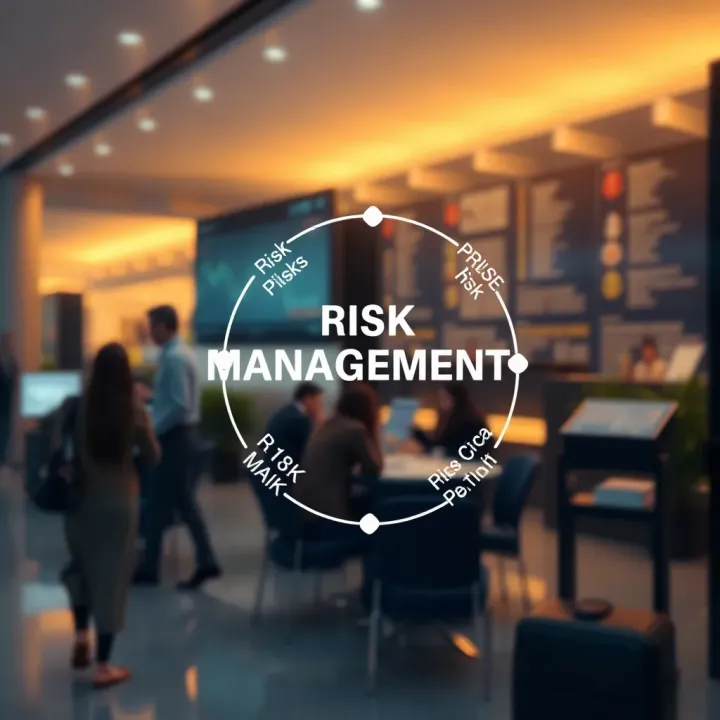
Risk Identification: Listing all possible threats, from market fluctuations to supply chain delays.
Risk Evaluation: Assessing how likely each risk is and its potential impact on operations or finances.
Risk Control: Implementing practices to reduce or transfer risk – such as insurance policies or diversifying investments.
Effective risk management doesn’t eliminate risk but keeps it within manageable limits, enabling informed decision-making.
In Pakistan’s context, economic shifts and regulatory changes often require businesses to continually update their risk assessments. Tools like scenario analysis and risk registers help keep potential issues visible and actions planned.
For freelancers and investors, risk management might mean keeping emergency funds during unstable market phases or choosing to work with reliable clients to ensure steady cash flow. Traders on the PSX might use stop-loss orders as a risk control mechanism to cap losses in volatile markets.
Understanding these basics prepares you to handle uncertainties pragmatically, whether you run a business or manage a personal portfolio. The next sections will explore specific types of risks and practical methods to handle them in different sectors of Pakistan.
Risk management plays a central role in both everyday life and business. It involves identifying possible risks—things that might go wrong—and planning how to reduce their impact. For example, if a trader in Karachi stocks up on imported goods, they face risks like currency fluctuations or delays at customs. Managing these risks means analysing potential problems ahead and preparing backup plans, such as negotiating flexible payment terms. This kind of planning helps avoid costly surprises.
Risk is the chance of losing something valuable or not achieving expected results. In business, this could mean financial loss, damage to reputation, or interrupted operations. Even individuals manage risks daily—like choosing to carry an umbrella on a cloudy day. Knowing what risks exist helps in making smarter choices. For instance, a freelancer working with unfamiliar clients in Pakistan might weigh the risk of delayed payments versus the benefit of expanding their portfolio.
Good decision-making depends on understanding risks clearly. When companies decide to launch a product or enter new markets, risk management helps weigh the odds and prepare for challenges. Without it, decisions rely on guesswork and expose organisations to preventable setbacks. Take a small business in Lahore investing in solar panels to counter frequent loadshedding. The owners would assess upfront costs against expected electricity savings and reliability improvements, helping them decide wisely.
Protecting what you have is the core of risk management. For businesses, this means safeguarding cash flow, inventory, and intellectual property against threats. For example, a textile manufacturer in Faisalabad faces risks from machinery breakdowns or supply delays. Investing in regular maintenance and having alternative suppliers reduces chances of production halts, which can cause losses. This strategy directly protects company assets and revenue.
Beyond immediate threats, risk management supports long-term survival. Organisations that spot emerging risks early — such as regulatory changes or shifts in consumer behavior — can adapt and grow instead of shrinking. In Pakistan, where political and economic shifts happen often, businesses that monitor and manage risks maintain steady operations during uncertainty. This creates trust among investors and partners, securing resources needed for future success.
Effective risk management is not just about avoiding danger, but about making smarter, more confident decisions that keep businesses strong over time.
By understanding and using risk management, traders, investors, and freelancers in Pakistan can better navigate challenges, protect their ventures, and seize opportunities wisely.
Understanding the common risks organisations face helps traders, investors, and analysts prepare better for unexpected challenges. In Pakistan's shifting economic climate, knowing these risks goes beyond theory—it influences daily decisions and long-term strategies.
Currency fluctuations and inflation heavily affect businesses in Pakistan. For example, if the PKR weakens against the US dollar, import costs for raw materials rise, squeezing company margins. Inflation further adds pressure by increasing operational costs, from wages to utilities, often forcing businesses to rethink pricing. Traders must monitor SBP policies closely, as sudden changes in interest rates can impact currency stability and inflation trends.
Credit and liquidity risks surface when companies fail to meet financial obligations. For instance, delayed payments from clients or lack of access to short-term funding can halt operations. Pakistani businesses relying on credit face challenges during economic slowdowns or tightening bank lending. Maintaining healthy cash flow and monitoring debtor reliability are vital to prevent liquidity crises.
Internal processes and staff-related challenges can disrupt daily functions. Poorly trained staff, system breakdowns, or inefficient workflows often lead to errors, delays, or quality issues. For example, a factory in Faisalabad might face production halts due to outdated machinery or untrained workers, affecting delivery commitments.
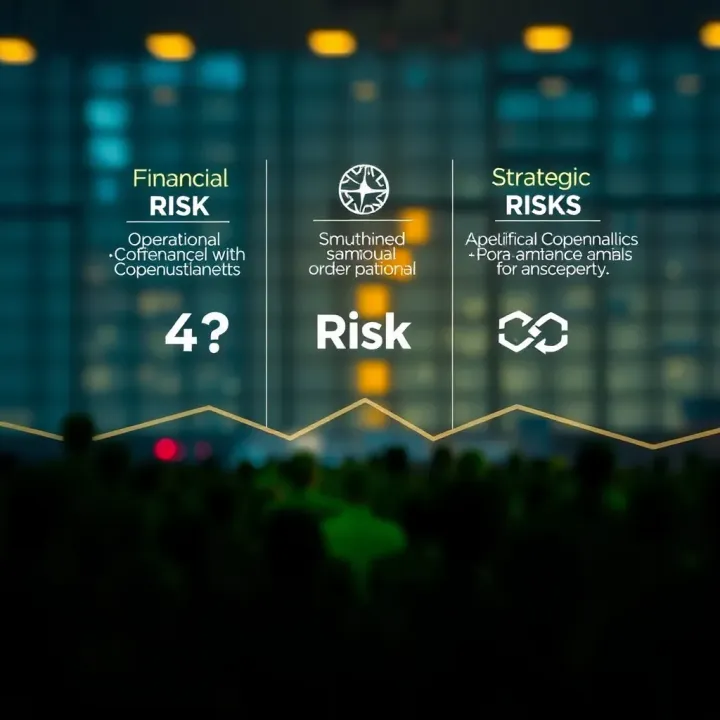
On the strategic side, poor planning and market shifts pose significant threats. A company launching a new product without analysing consumer trends in Pakistan's diverse markets risks failure. Sudden policy changes, competitor moves, or shifts in consumer behaviour require agile planning. Organisations must regularly reassess strategies to avoid costly missteps.
Following Pakistani laws and regulations is non-negotiable. Compliance includes tax filing with the Federal Board of Revenue (FBR), labour laws, environmental rules, and sector-specific regulations. Failure to comply can result in legal penalties, business closures, or loss of licences.
Non-compliance not only brings fines but harms reputation. A firm penalised by SECP for inaccurate disclosures faces investor distrust and potentially higher funding costs. Such reputational damage can take years to repair, affecting growth and partnerships.
Pakistan's geography exposes businesses to natural disasters like floods and earthquakes. These events disrupt supply chains and damage assets, as seen during the 2022 monsoon floods. Organisations in vulnerable regions need disaster recovery plans and insurance to mitigate losses.
Cybersecurity risks grow as more firms digitise operations. Pakistani companies often lack strong data protection, making them targets of hacking or data breaches. Protecting customer data and business information is critical, especially for fintech or e-commerce platforms using JazzCash or Easypaisa.
Firms ignoring these common risks do so at their peril. Being aware and prepared can safeguard operations and build resilience in a challenging market.
Keep an eye on currency trends and inflation to manage financial risks effectively.
Invest in staff training and review internal controls regularly.
Stay updated on legal requirements to avoid costly non-compliance.
Prepare for natural disasters with contingency plans.
Strengthen cybersecurity measures as digital presence grows.
By focusing on these risk categories, organisations can spot threats early and adapt swiftly to Pakistan’s fast-moving economic environment.
Effective risk management isn't just theory; it plays a critical role in helping businesses and individuals handle uncertainties, especially in Pakistan’s dynamic environment. Practically, it's about spotting risks early, analysing their impact, deciding how to deal with them, and constantly checking if the measures work.
The first step is recognising what risks you might face. This could range from currency devaluation affecting import costs to operational hiccups like loadshedding disrupting production. Categorising such risks into financial, operational, or compliance helps organisations focus their attention. For instance, a textile export business in Faisalabad would divide risks between supply chain delays, exchange rate fluctuations, and quality control issues.
After listing risks, you assess how likely they are to happen and their potential impact. In practical terms, a Karachi-based importer might estimate loss if the rupee weakens by 10% or if transport strikes delay shipments. Tools like risk matrices help rank these risks, allowing decision-makers to focus on those with high probability and serious consequences. This step ensures resources are not wasted on minor risks.
Once risks are analysed, the next step is deciding what to do about them. Mitigation can involve shifting risks (like buying insurance against flood damage), reducing them (investing in generator backup to tackle loadshedding), or avoiding them altogether (stopping business in volatile markets). For example, Pakistani banks use credit scoring to lower default risk by lending only to reliable customers.
Risk management is not a one-time task; continuous monitoring is key. Conditions change—with fluctuating oil prices or new regulations—so reviewing risk strategies regularly keeps efforts relevant. For instance, after the 2022 floods, many agribusinesses reviewed and updated their disaster preparedness plans to manage future climate risks better.
ISO 31000 provides guidelines for a comprehensive risk management system applicable across sectors. It encourages integrating risk processes into organisational activities rather than treating them as separate. By following ISO 31000, businesses get a common language and structure for identifying, assessing, and controlling risks systematically.
Many companies in Pakistan, particularly in banking and manufacturing, adopt ISO 31000 principles alongside local regulations. They customise frameworks to account for specific challenges such as regulatory compliance with SECP or managing risks from power outages. This balanced approach ensures risk management supports both operational efficiency and legal adherence.
Consistent risk management practices help Pakistani organisations minimise surprises, protect investments, and maintain trust with stakeholders in a rapidly evolving market.
Understanding how risk management works in everyday practice equips traders, investors, and freelancers to make better decisions under uncertainty, ultimately safeguarding their financial goals and business stability.
Effective risk management relies heavily on the right tools and techniques. Businesses and investors need practical methods to assess risks, keep track of them, and communicate findings clearly. This makes informed decision-making easier and helps prevent surprise losses or missed opportunities.
Risk scoring and ranking methods help organisations prioritise risks based on their likelihood and impact. For example, a company might use a simple risk matrix to score risks from low to high. This ranking directs attention and resources to the most threatening risks first. In Pakistani businesses, where resources are often limited, such prioritisation is crucial to avoid tackling every risk at once and spreading efforts too thin.
On the other hand, financial modelling and simulation approaches use numbers and data to predict potential losses. Techniques like Monte Carlo simulations let firms evaluate how market volatility or interest rate changes could affect their portfolio. Traders in Karachi's stock market or investors in local real estate benefit from these models, as they provide a clearer picture of risk exposure under various scenarios.
Maintaining risk logs for transparency involves documenting identified risks, their assessment, and the mitigation steps taken. These registers act like living documents, updated regularly to reflect new risks or changes in existing ones. Pakistani firms often find keeping such logs essential, especially when complying with regulatory audits or showing due diligence to investors.
Communicating risk findings with stakeholders ensures everyone—from board members to project teams—understands risks and their potential effects. Clear reporting builds trust and aligns actions across departments. For instance, a firm planning to expand in the Punjab region might use detailed risk reports to inform partners about land acquisition challenges or regulatory compliance costs.
Use of specialised risk management software streamlines tracking and analysing risks. Software like Protecht or Resolver can automate data collection, generate reports, and alert users to risk changes. In Pakistani banking and telecom sectors, these tools help manage operational and cyber risks actively, improving response time and reducing human error.
Data analytics role in forecasting risks takes risk management a step further by revealing patterns and predicting problems before they materialise. For example, using customer transaction data, a bank can spot fraudulent activity early on. Similarly, businesses can analyse sales trends to anticipate supply chain disruptions during monsoon season, helping them adjust inventory accordingly.
Tools and techniques are the backbone of risk management. They turn raw information into usable insights, allowing firms and investors in Pakistan to make smarter, timely decisions in a challenging economy.
By combining qualitative insight with quantitative analysis, supported by modern technology, organisations can manage risks more effectively and protect their growth prospects.
Managing risks effectively provides clear advantages for organisations and investors alike, especially in Pakistan’s dynamic business climate. Understanding both the benefits and challenges helps leaders make better decisions about when and how to invest in risk controls.
Good risk management delivers sharper insights into potential threats and opportunities. For example, a textile exporter may use risk assessments to decide whether to hedge against currency fluctuations impacting export earnings. This way, scarce resources—be it capital or manpower—are allocated more efficiently towards higher-priority risks or growth areas. When risk factors are clearly defined, managers avoid wasting time and money chasing unlikely threats or over-preparing for minor ones.
In Pakistan, where businesses face unpredictable economic conditions and frequent loadshedding, having a structured risk framework helps organisations prepare realistically. For instance, firms can plan backup power investments only where the cost is justified by the risk of operational disruption, rather than over-investing everywhere.
Organisations that actively manage risks create transparency and show responsibility to investors and business partners. Trust is especially valuable for Pakistani firms seeking foreign investment or partnerships, where uncertainty about governance can hinder collaboration.
Regular reporting on how risks are monitored and controlled assures investors that their capital is protected. A company that demonstrates how it handles compliance risks in Pakistan’s regulatory environment or cyber threats will stand out as a reliable partner. This trust can translate into easier access to credit, better contract terms, or more stable shareholder relationships.
One major hurdle for many organisations is a lack of understanding about risk management principles. Many small and medium enterprises in Pakistan do not have trained staff or formal procedures to identify and handle risks beyond immediate operational issues.
This gap often leads to reactive responses, such as dealing with a regulatory fine only after it occurs, rather than anticipating and preventing it. Without proper training and awareness, risk management tools and frameworks remain unused or misapplied, reducing their effectiveness.
Implementing risk controls always involves some cost, whether hiring specialised staff, buying software, or setting up new policies. Pakistani firms must carefully weigh these costs against the expected benefits, which may not always be obvious or immediate.
For example, investing in expensive cybersecurity systems may seem hard to justify for a small business with limited online presence, even though the risk of data breaches exists. On the other hand, over-investing in controls can drain scarce resources, harming growth and competitiveness. Achieving the right balance requires clear risk evaluation and ongoing review, helping organisations avoid both under- and over-investing in controls.
Effective risk management is a balancing act—while it protects organisations, it demands careful choices to avoid unnecessary spending or missed opportunities.
Understanding these benefits and challenges helps realise why risk management isn’t just a compliance checkbox but a practical approach to securing a company’s future in a complex environment like Pakistan’s.
📊 Learn about risk management essentials, types of business risks, practical steps, and why it matters for Pakistani organisations amid today’s challenges.
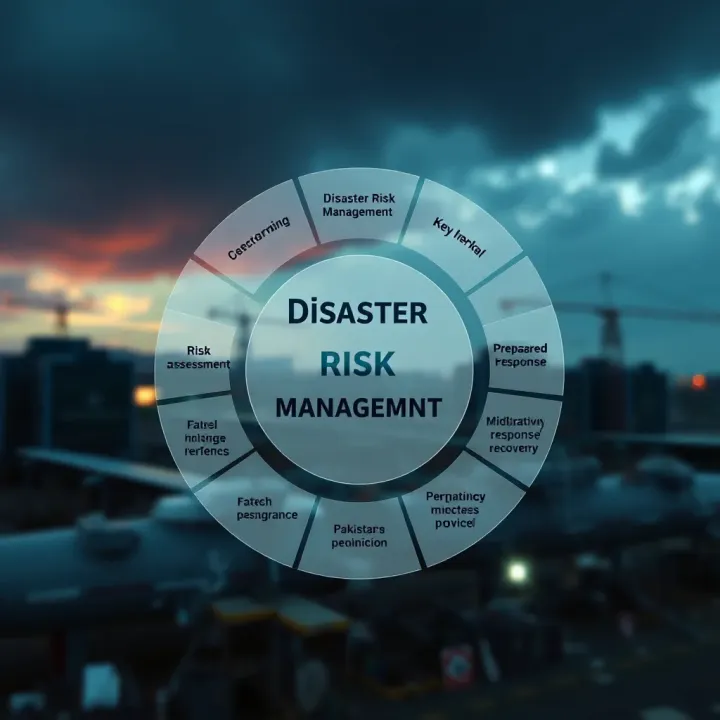
🌪️ Understand disaster risk management in Pakistan: risks, government and community roles, strategies for emergency response, risk reduction, and effective recovery.

Learn practical techniques to identify, assess, and control risks in project management for better outcomes in Pakistan's unique business environment 📊✔️

📊 Plan risk management for projects by identifying threats, assessing impact, assigning roles, and using proven tools to manage uncertainties confidently in Pakistan.
Based on 14 reviews