
Financial Risk Management in Pakistan Explained
📊 Explore how Pakistani businesses manage financial risks with tailored strategies, tools, and regulatory insight to safeguard their financial health amid economic challenges.
Edited By
Liam Carter
Disaster risk management (DRM) refers to the systematic approach of identifying, assessing, and reducing risks associated with natural or man-made disasters. It aims to lessen the impact on lives, property, and livelihoods by preparing communities and institutions to respond effectively before, during, and after such events.
In Pakistan, frequent events like floods, earthquakes, and droughts highlight the need for strong disaster risk management frameworks. For example, the 2010 floods affected over 20 million people, damaging infrastructure worth billions of rupees and triggering a nationwide humanitarian crisis. This underlines why understanding the concepts and practical measures of DRM is essential, especially for traders, investors, students, and analysts who must factor risk assessments into their plans.
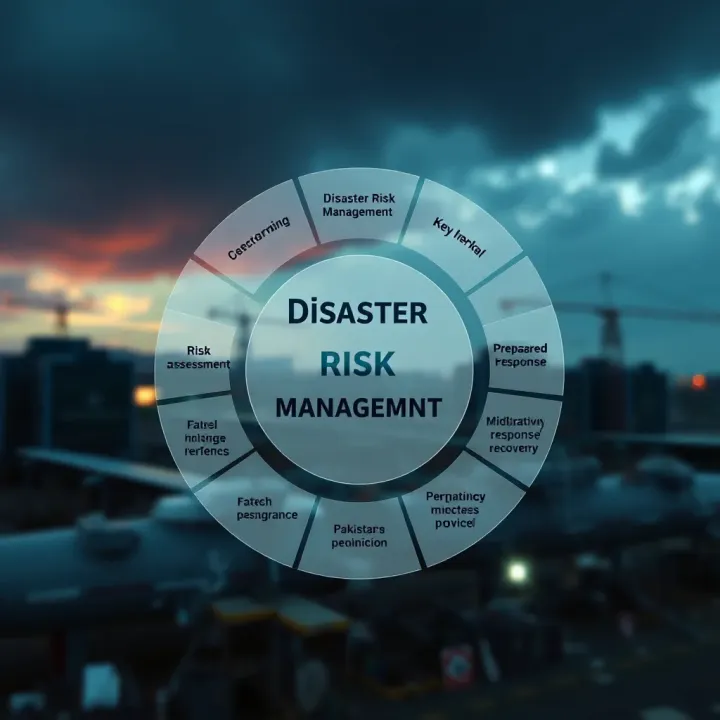
Risk Identification: Spotting potential hazards such as floods in Sindh or earthquakes in Balochistan.
Risk Assessment: Evaluating the vulnerability and exposure of communities and assets. For instance, Karachi’s coastal areas face higher risk of cyclones.
Risk Reduction: Planning and implementing means to minimise impacts like improving drainage to prevent urban flooding.
Preparedness and Response: Establishing early warning systems and rapid response teams to tackle emergencies efficiently.
Recovery: Restoring affected areas, livelihoods, and infrastructure after disasters to normal or better conditions.
Government bodies like the National Disaster Management Authority (NDMA) coordinate policy and emergency response, while provincial agencies manage local risks. Communities play an active role by participating in awareness programmes and evacuation drills. Businesses and investors must also consider DRM in their risk management, such as having business continuity plans and insurance against disaster losses.
Effective disaster risk management is not only about reacting to emergencies but involves proactive steps to reduce vulnerabilities and build resilience.
Understanding disaster risk management helps you make informed decisions, especially where investment or financial ventures are concerned. It also encourages a culture of preparedness, which proves vital in a country like Pakistan where certain hazards repeat unpredictably. Knowing who does what and how risks are mitigated enables better planning and quicker recovery, safeguarding both lives and economic interests.
Understanding what disaster risk management (DRM) means is key to dealing with the increasing frequency and impact of disasters in Pakistan. This section clarifies DRM by distinguishing it clearly from mere disaster response and outlining the types of disasters involved. Defining DRM helps traders, investors, and students alike to recognise the scope of actions needed to protect lives, infrastructure, and economic activities before, during, and after an event.
Disaster risk management is the process of identifying, assessing, and reducing disaster risks to avoid or minimise their effects. It includes not just reacting after an event but preparing beforehand through risk assessment, mitigation, preparedness, response, and recovery. The goal is to save lives, reduce economic losses, and speed up recovery by managing hazards systematically.
For example, installing flood barriers in low-lying areas near rivers in Punjab or Karachi can prevent damage during monsoon floods. Risk management covers both natural and human-made threats, making it an all-inclusive strategy rather than a one-time emergency fix.
While disaster response focuses on immediate actions after a disaster, such as rescue and relief, disaster risk management involves planned efforts before an event occurs. DRM aims to reduce vulnerabilities and enhance resilience so that the impact of any disaster is less severe.
For instance, building codes enforced in earthquake-prone areas reduce structural damage and casualties during quakes, reflecting risk management. Emergency medical teams arriving after an earthquake represent disaster response. Both matter, but risk management lessens the need for a large-scale response.
Natural disasters include events caused by environmental factors beyond human control, such as floods, earthquakes, cyclones, droughts, and landslides. Pakistan faces frequent floods during monsoon seasons and earthquakes along the western mountain ranges, posing widespread risks.
Managing these disasters involves mapping vulnerable areas, early warning systems, and infrastructure designed to withstand such hazards. For example, the 2010 floods showed the severe loss caused when floodplains are not managed properly. Proper DRM helps government and businesses plan accordingly to reduce damage.
Man-made disasters arise from human activities, including industrial accidents, urban fires, transportation accidents, and terrorism. Karachi, for example, suffers from frequent urban fires due to densely packed informal settlements and poor electrical wiring.
Effective disaster risk management for these cases includes enforcing safety regulations, training first responders, and building community awareness. Preventive measures in factories to handle chemicals safely or upgrading public transport safety standards also fall under DRM. These efforts reduce economic losses and protect people’s lives in crowded urban areas.
Understanding the full scope of disaster risk management lets you see it as a cycle of actions—before, during, and after disasters—that keeps communities and economies safer, rather than just emergency treatment once disaster strikes.
This clarity benefits anyone involved in planning or investing in Pakistan’s future, where potential disasters can affect markets, livelihoods, and development gains.
Disaster risk management (DRM) revolves around several core elements that work together to reduce risks and enhance resilience. Understanding these key parts helps governments, communities, and businesses prepare efficiently and respond better when disasters strike.
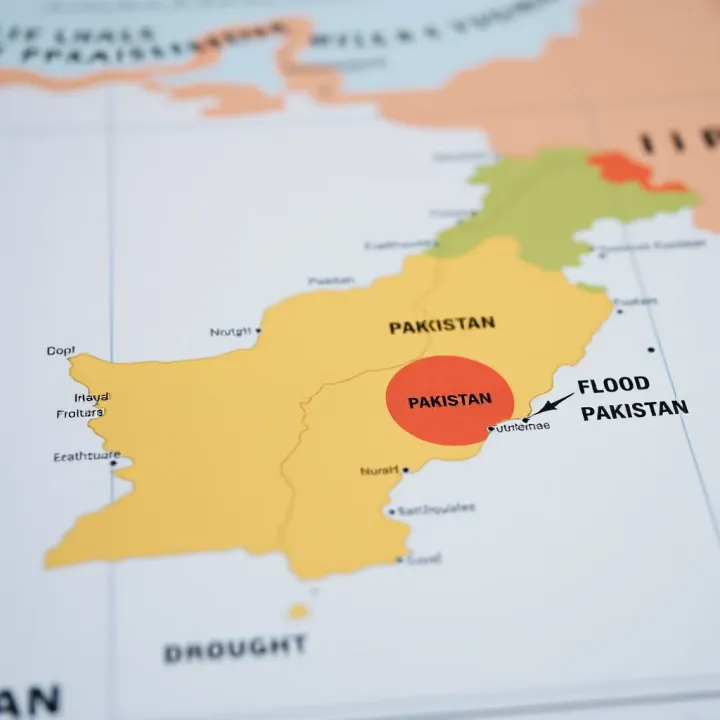
Risk assessment starts with gathering data on potential dangers and vulnerabilities in specific areas. Hazard mapping visually displays risks like flood plains or earthquake-prone zones, guiding planners where to focus resources. For instance, Pakistan's northern regions near Kashmir require detailed earthquake risk maps to prepare communities. This process allows officials to pinpoint threats before disasters hit, enabling smarter land use and infrastructure decisions.
Once risk areas are identified, mitigation steps reduce the chance or impact of disasters. This includes constructing flood barriers, enforcing building codes against earthquakes, and reforesting to control landslides. Effective risk reduction cuts down damage and saves lives. A good example is Karachi’s efforts to improve drainage systems ahead of monsoon rains to lower flood risk in vulnerable neighbourhoods.
Being ready before a disaster hits makes a major difference. Preparedness involves planning evacuation routes, training emergency responders, and educating the public on safety steps. Early warning systems broadcast alerts via mobile phones, sirens, or local radio to inform people immediately. Pakistan Meteorological Department’s cyclone warnings in coastal areas have been vital for timely evacuation.
When disaster strikes, quick and organised response reduces suffering and prevents further loss. Relief teams provide immediate help—food, shelter, medical aid—and restore critical services. Pakistan’s National Disaster Management Authority (NDMA) coordinates these operations, deploying resources swiftly to affected regions.
Post-disaster recovery focuses on restoring normal life and rebuilding stronger infrastructure. Rehabilitation also addresses psychological support for victims. Sustainable recovery in Pakistan has included reconstructing schools and homes with hazard-resistant designs, ensuring communities are better prepared for future events.
Efficient disaster risk management demands coordinated action across all these elements. Without early warnings, risk assessments are less useful; without proper recovery, communities remain vulnerable.
By focusing on these key elements, Pakistan can improve safety for its citizens and reduce the economic toll disasters often impose.
Clear roles and responsibilities form the backbone of effective disaster risk management. In Pakistan, where disasters like floods, earthquakes, and urban fires strike frequently, dividing tasks among different actors helps prevent confusion and delays during emergencies. This clarity is essential for quick decision-making and resource mobilisation.
Government bodies play the central role in disaster risk management, setting policies, coordinating efforts, and mobilising resources. For instance, the National Disaster Management Authority (NDMA) formulates national policies and lays out action plans. Provincial authorities have their own disaster management authorities (PDMA) focused on regional hazards. These agencies conduct risk assessments, run early warning systems, and coordinate rescue and relief operations.
Besides operational tasks, government agencies are responsible for building legal frameworks to enforce building codes and environmental regulations. These measures help reduce vulnerabilities, especially in urban centres like Karachi and Lahore. For example, after the 2010 floods, NDMA and PDMAs worked to strengthen flood forecasting and community awareness programmes.
Communities themselves play a vital role in managing risks. Local organisations, mohalla committees, and volunteers often serve as first responders during disasters. Their knowledge of local terrain and social ties allows them to alert others quickly and organise evacuation or relief efforts effectively.
Community participation also means involving local people in preparedness activities, such as mock drills and hazard mapping. This not only increases resilience but fosters ownership over risk reduction measures. For example, in flood-prone areas of Punjab, community groups help maintain embankments and coordinate emergency communications with government agencies.
Private companies and NGOs complement government and public efforts by providing specialised resources and skills. NGOs like the Pakistan Red Crescent Society work extensively in relief and rehabilitation, often reaching remote areas government teams find hard to access. They also lead training programmes on first aid and disaster preparedness.
On the private sector front, industries support early warning systems by sharing data or funding preparedness initiatives. Construction firms can improve building safety by adopting disaster-resilient designs. Meanwhile, logistics companies help transport relief supplies efficiently in emergencies.
In Pakistan’s disaster risk management, cooperation between government, communities, and the private sector turns plans into action, reducing harm and speeding recovery.
Together, these actors create a network of responsibilities that boost Pakistan’s capacity to face disasters. Understanding who does what helps investors, analysts, and citizens appreciate the complex but crucial work behind disaster preparedness and response.
Disaster risk management (DRM) in Pakistan faces unique challenges due to its diverse geography, socio-economic conditions, and institutional setup. Understanding these hurdles and the available opportunities helps in crafting targeted strategies that save lives and reduce economic losses. Pakistan’s location places it at the crossroads of several natural hazards, making effective DRM essential not only for government agencies but also for businesses and communities who must coordinate their efforts.
Floods rank among the most frequent and destructive disasters in Pakistan, especially during the monsoon season. For example, the 2010 floods displaced millions and caused damages worth billions of rupees, hitting agricultural zones and urban centres alike. These floods disrupt the supply chain, affecting markets and traders who rely on rural produce. Urban flooding in cities like Karachi further highlights the need for improved drainage and waste management.
The northern and northwestern regions lie along major fault lines, making Pakistan prone to earthquakes. The 2005 Kashmir earthquake stands as a grim reminder — it caused massive casualties and damaged critical infrastructure, including roads and hospitals. This risk impacts investors considering projects in vulnerable areas and financial analysts who must factor disaster risks into economic forecasts.
Drought conditions in parts of Balochistan and Sindh affect water availability, crop yields, and livelihoods. Prolonged dry spells put pressure on farmers and rural economies, triggering food insecurity and migration. Traders dealing with agricultural goods must factor drought cycles into inventory planning, while policymakers require drought preparedness to support affected populations.
Rapid urbanisation in Pakistan’s major cities has increased incidents of urban fires, often linked to poor electrical wiring, overloaded grids, or unsafe storage of flammable materials. These fires threaten property, disrupt business operations, and strain emergency services. For example, fires at commercial markets in Lahore and Karachi have caused significant economic losses, underscoring the importance of strict building codes and fire safety enforcement.
Pakistan’s DRM suffers from fragmented coordination among agencies, limited disaster-resilient infrastructure, and gaps in early warning systems. Outdated urban planning and inadequate maintenance of critical assets worsen vulnerabilities. The lack of strong ground-level community engagement in some areas hinders effective preparedness and response. These challenges slow down recovery and raise costs for businesses and public bodies alike.
Despite challenges, Pakistan has improved its DRM framework through better early warning systems issued by the Pakistan Meteorological Department and more active disaster management authorities at provincial levels. Community-based disaster preparedness projects, often supported by NGOs, have strengthened local resilience. Investment in resilient infrastructure—such as the reconstruction of earthquake-resistant schools in KP—and adoption of GIS-based hazard mapping aid risk reduction. Private sector involvement in response logistics and digital platforms for real-time information also provide promising opportunities.
Pakistan’s experience shows that combining government action, community participation, and private engagement leads to more effective disaster management and minimises social and economic impacts.
These dynamics matter for all stakeholders—from financial analysts assessing risk premiums to freelancers planning their work locations or investors evaluating asset security. Understanding the evolving landscape of DRM challenges and practices in Pakistan allows better decisions and supports a culture of preparedness and resilience.
Improving disaster risk management remains vital for reducing loss of life, property, and economic disruption in Pakistan. With frequent floods, earthquakes, and urban fires, better practices not only save lives but also support economic stability for businesses and communities. This section highlights three critical areas where progress can boost safety and resilience across the country.
Early warning systems give people crucial time to prepare or evacuate before a disaster strikes. Enhancing these systems through better technology and wider outreach can make a tangible difference. For instance, integrating SMS alerts and mobile apps tailored for Pakistan’s diverse languages increases reach, especially in rural areas where radio or TV signals might be weak. Coordination between meteorological departments and local authorities must be streamlined to share timely information with communities at risk.
Emergency communication also requires a resilient approach. Infrastructure must remain operational during calamities, ensuring first responders and affected populations stay connected. Pakistan’s experience during the 2010 floods showed how poor communication hampered relief efforts. Investing in satellite phones and local radio networks can fill these gaps.
Strong infrastructure lessens the impact of disasters. Constructing earthquake-resistant buildings, flood barriers, and robust drainage systems are necessary steps. Cities like Islamabad are already adopting building codes for seismic safety, but enforcement needs improvement across all provinces.
Community resilience also depends on local knowledge and preparedness. Training residents on safe practices and involving them in risk assessments empowers them to act swiftly during emergencies. For example, neighbourhood committees trained in basic rescue and first aid can support overwhelmed official responders during urban fires or floods.
Skill development is core to effective disaster management. Regular training workshops for government officials, emergency services, and community volunteers keep everyone updated on best practices. Pakistan’s National Institute of Disaster Management offers specialised courses, but wider access is necessary.
Besides formal training, scenario-based drills can prepare teams for various disaster types. Businesses and educational institutions should also incorporate disaster preparedness drills to protect employees and students. This practical readiness reduces panic and improves coordinated responses when disaster strikes.
Improving disaster risk management means safer communities, fewer economic losses, and faster recovery. Each step—from better warnings to stronger buildings, to skilled personnel—lays the foundation for a more resilient Pakistan.
In sum, focusing on early warning systems, infrastructure resilience, and capacity building creates a balanced approach. This not only minimises disaster damages but also builds a culture of safety essential for sustainable development.
📊 Explore how Pakistani businesses manage financial risks with tailored strategies, tools, and regulatory insight to safeguard their financial health amid economic challenges.
Understand actuarial science & risk management in Pakistan 🧮📉 Explore principles, methods & real-world applications to tackle financial risks effectively.

📊 Plan risk management for projects by identifying threats, assessing impact, assigning roles, and using proven tools to manage uncertainties confidently in Pakistan.

📊 Understand binary options trading in Pakistan—how it works, risks involved, plus pros and cons to make informed decisions before you trade.
Based on 7 reviews