
Crypto Trading Signals Explained for Pakistani Traders
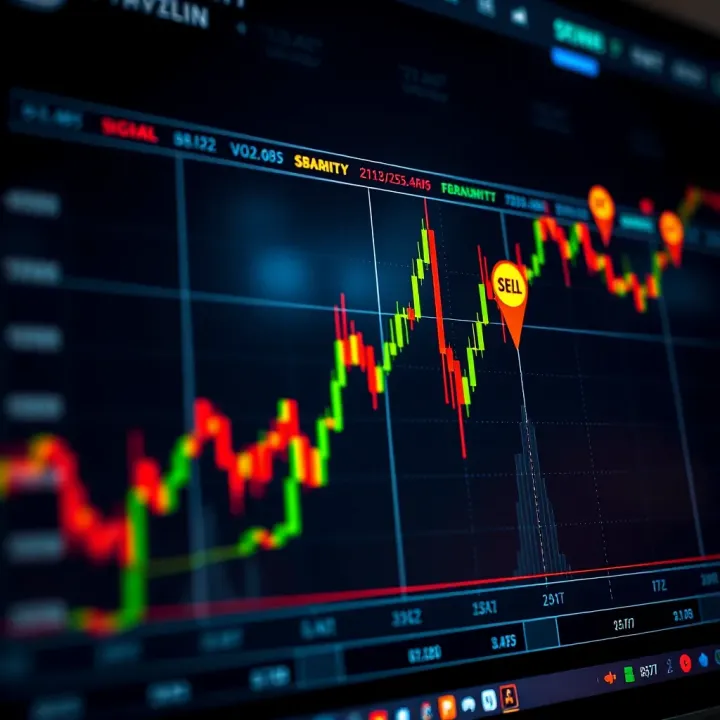
📊 Learn how crypto trading signals guide Pakistani traders to spot buy & sell chances, manage risks, and choose trustworthy providers in the local market.
Edited By
Amelia Cooper
Cryptocurrency trading has become a popular avenue in Pakistan for those looking to diversify their investment portfolio or seek new income streams. However, starting crypto trading here comes with specific challenges and opportunities linked to local regulations, banking restrictions, and market volatility.
Understanding cryptocurrency basics is the first step. Cryptos like Bitcoin (BTC) and Ethereum (ETH) operate on blockchain technology, allowing peer-to-peer transactions without traditional intermediaries. In Pakistan, many buyers and sellers use platforms like Binance, LocalBitcoins, or international exchanges, often navigating payment through JazzCash or Easypaisa due to banking limitations.
For beginners, safety is crucial. Avoid falling for scams such as fake ICOs (Initial Coin Offerings) or Ponzi schemes that have targeted some Pakistani traders. Always verify exchange credentials and keep your digital wallets secured with two-factor authentication (2FA). Hardware wallets are a safer option for storing larger amounts.
Local regulations are still evolving. Although crypto trading isn’t formally banned, the State Bank of Pakistan (SBP) has put restrictions on direct crypto payments through banks. Consequently, transactions often happen peer-to-peer or via informal methods. This regulatory environment means traders must stay informed on updates from SBP and the Federal Board of Revenue (FBR) concerning taxation and reporting.
Market volatility means it’s wise to start with small investments. Use strategies like dollar-cost averaging—investing fixed amounts regularly regardless of price swings—to reduce risk. Tools like technical analysis charts available on TradingView can help identify trends.
Remember, trading success in Pakistan depends on blending solid crypto knowledge with awareness of local market conditions and regulations. Always do your due diligence before engaging with any platform or asset.
Learn the basics of blockchain and cryptocurrencies
Use reputable Pakistani-friendly exchanges and payment methods
Secure your wallets with strong authentication
Follow SBP and FBR guidelines
Begin with low-risk strategies like regular small investments
This foundational understanding sets you up to trade cryptocurrency confidently within the Pakistani context while avoiding common pitfalls.
Grasping the basics of cryptocurrency and how its market functions is key before jumping into trading. This knowledge helps you make informed decisions rather than relying on guesswork, reducing costly mistakes. For example, knowing why Bitcoin’s price spikes after certain news can help you spot trends and act quickly.
Cryptocurrency is a type of digital money secured by cryptography, meaning it’s nearly impossible to counterfeit. Unlike physical cash or bank deposits, cryptocurrencies exist only online, moving directly between users without a middleman like a bank. This peer-to-peer system offers faster and often cheaper transactions, fitting well in Pakistan where many rely on mobile wallets and remittances.
Popular cryptocurrencies traded in Pakistan include Bitcoin (BTC), Ethereum (ETH), and Tether (USDT). Bitcoin is well-known as digital gold, often held for long-term value, while Ethereum supports smart contracts that enable decentralized apps. Tether is a stablecoin tied to the US dollar, making it less volatile and useful for trading or savings amid PKR fluctuations.
Cryptos differ from traditional currencies mainly because they aren’t controlled by any government or central bank. This decentralisation means they aren’t subject to inflationary policies or political decisions like national currencies, but at the same time, their prices can swing wildly. While a rupee note in your pocket holds stable everyday value, crypto prices depend on market demand, news, and technology developments.
Crypto trading happens on exchanges, which come in two broad types: centralised and decentralised. Centralised exchanges like Binance or Coinbase act like conventional brokers, controlling user funds and offering easy features but carry risks like hacking. Decentralised exchanges (DEXs) operate without middlemen, letting users trade peer-to-peer using blockchain protocols. While DEXs offer more privacy and control, they can lack liquidity and be tricky for beginners.
Unlike stock markets, crypto markets run 24/7 globally. This non-stop nature offers more flexibility; you can trade any time, including during Karachi’s early morning or late nights. However, liquidity tends to be higher during overlapping active hours for the US and Asia, so prices may move more smoothly then. Knowing when volumes peak helps avoid being stuck with unfavourable prices.
Volatility in crypto is driven by several factors: regulatory news, technology upgrades, large trades by whales, and global economic events. A tweet from influential figures or rumours can send prices jumping or crashing within hours. While this ups and downs create opportunities to make profits, they also increase risks. Understanding what triggers these swings can help you prepare better and set suitable stop-loss orders.
Knowing the nuts and bolts of cryptocurrency itself and the market behaviour is the foundation for smart trading. Without this, traders risk chasing prices blindly or falling prey to scams and misinformation.
This knowledge also helps you navigate Pakistan’s unique market conditions, from currency controls to tech adoption. Being familiar with crypto basics paves the way for smoother, safer, and more profitable trading experiences.
Starting crypto trading in Pakistan requires thoughtful steps tailored to the local environment. This stage sets the foundation for a safe and efficient trading experience, especially given Pakistan's evolving regulatory landscape and payment methods. From selecting the right platform to securing your funds, each decision impacts your success and security.
Choosing a reliable crypto exchange is critical. In Pakistan, many traders prefer global platforms like Binance due to their wide cryptocurrency options and liquidity, but local exchanges also offer the benefit of PKR trading pairs and easier deposit methods. When selecting an exchange, confirm it supports CNIC verification, complies with regional regulations, and has a good reputation for security. For example, some local platforms also provide customer support in Urdu, which can be helpful if you face issues.
Completing KYC and CNIC verification is mandatory on most reputable exchanges. This process verifies your identity using your Computerised National Identity Card (CNIC) to prevent fraud and money laundering. Not completing KYC can limit your trading volume or even suspend your account. Pakistani regulators stress KYC compliance, so be prepared to upload clear images of your CNIC and sometimes a selfie for facial verification. Though it feels a bit intrusive, this step protects both you and the exchange from illegal activities.
Securing your account with two-factor authentication (2FA) is a must. Even if your password is strong, 2FA adds an extra layer of security using apps like Google Authenticator or SMS codes. It significantly reduces the risk of hacking, a known issue in crypto trading. Many Pakistani traders have reported losing funds due to weak account security. Enabling 2FA ensures only you can access your account, especially important in a digital environment where phishing attacks are common.
Using bank transfers and mobile wallets (JazzCash, Easypaisa) provides convenient ways to fund your crypto account. Many exchanges in Pakistan now accept deposits via these popular wallets and direct bank transfers, making it easier than ever to convert PKR into digital currencies. For instance, JazzCash users benefit from quicker wallet-to-exchange transactions without high fees, while bank transfers offer safer larger deposits. Understanding processing times and transaction fees of each method helps avoid surprises.
Understanding crypto deposit and withdrawal processes simplifies managing your assets. Depositing means moving crypto or fiat into your exchange account, while withdrawal involves transferring it out to your personal wallet or bank. Pakistani traders should note that withdrawal times can vary, especially during peak periods. Always double-check wallet addresses; a small mistake can cause permanent loss of funds. Some exchanges impose withdrawal limits based on verification level, so keep updated on your account status.
Conversion of PKR to cryptocurrency depends on exchange rates, liquidity, and available trading pairs. Since Pakistani Rupee (PKR) is not universally accepted on all platforms, many exchanges use USDT or BTC as intermediary currencies. This can lead to slight price differences and additional fees. Choosing an exchange that allows direct PKR-to-crypto trading avoids extra conversions and saves money. For example, some Pakistani exchanges offer PKR/BTC pairs at competitive rates, which helps local traders optimize costs.
Setting up your crypto account and funding it properly is key to a smooth trading experience. Proper platform choice, verified identity, and secure practices protect your money, especially in Pakistan's unique financial and regulatory context.
This practical approach equips Pakistani beginners with the steps needed to enter crypto trading securely and with confidence.

Understanding basic trading concepts and tools is essential for anyone stepping into the world of crypto trading in Pakistan. These fundamentals help traders make informed decisions, manage risks, and use platforms efficiently. Without these basics, you might quickly lose money or get confused by the fast-moving crypto markets.
A market order buys or sells cryptocurrency immediately at the best available price. If you want quick execution, this is your go-to option. For instance, buying Bitcoin quickly before its price jumps for a big event like Bitcoin halving.
Limit orders set a specific price at which you want to buy or sell. If the market doesn’t reach that price, your order remains pending. This is handy if you want to buy Ethereum only if it dips to a certain level.
Stop loss orders automatically sell your crypto if the price drops to a set point. This limits your losses if the market suddenly turns against you. For a Pakistani trader worried about volatility during times of economic uncertainty, stop losses prevent major damage to your investment.
The bid price is what buyers are willing to pay, and the ask price is what sellers want. The spread is the difference between these two. Narrow spreads mean better trade conditions. For example, Bitcoin usually has a tight spread on Binance, making it cheaper to buy and sell.
In smaller or less liquid cryptocurrencies, especially on local exchanges, the spread can be wide. This means you might buy at a higher price and sell at a lower one, losing money even if the market stays steady. Understanding spreads helps you choose when and what to trade.
Leverage allows you to control a larger position with a smaller amount of capital, while margin is the money you put down for that position. For example, with 10x leverage, Rs 10,000 lets you trade Rs 100,000 worth of crypto.
While leverage may magnify profits, it also magnifies losses. For beginners in Pakistan, where the market can be volatile, it’s safer to avoid high leverage until you fully understand the risks. Using low or no leverage protects your capital from sudden moves.
Familiarity with the platform interface prevents costly mistakes. Binance, for instance, offers a clean dashboard with wallet balance, trading pairs, order books, and charts all in one view. Local exchanges like Urdubit or Rain have simpler layouts but may lack advanced features.
Knowing where to place orders, check your trade history, and withdraw funds is key. Take time to explore these platforms using demo or small transactions before committing significant capital.
Candlestick charts show price action using different coloured bars that highlight open, close, high, and low prices over specific timeframes. For example, green candles mean the price increased during that period, red means it decreased.
Volume bars at the bottom show trading activity. A price rise with increasing volume can signal strong buying interest, while a price drop with high volume may mean heavy selling.
For Pakistani traders, learning to read these charts helps spot entry and exit points—crucial given how fast cryptocurrencies move.
Setting price alerts on platforms or via mobile apps lets you react quickly. For instance, you can get notified when Bitcoin crosses Rs 6,000,000.
Monitoring news is important too, as developments like government announcements, legal changes by the State Bank of Pakistan, or global events affect prices. Staying updated via financial websites, Twitter, and Telegram channels keeps you prepared to act.
Good crypto trading blends understanding of these basics with disciplined use of tools and constant awareness of the market environment. This way you trade smarter, reduce reckless losses, and build skills for more advanced strategies.
Choosing the right trading strategy is essential for beginners stepping into cryptocurrency markets. A clear approach not only helps manage risk but also aligns trading activity with individual financial goals and time commitments. In Pakistan, differing market conditions and regulatory concerns make it even more important to adopt suitable strategies from the start.
Long-term holding, often called "HODLing", means buying cryptocurrencies and keeping them for months or years. This approach benefits from avoiding frequent market noise and trading fees. For instance, many Pakistanis bought Bitcoin before 2017 and saw substantial gains by holding until recent years. The downside is being exposed to volatility for a longer period, which may not suit traders needing liquidity.
Active trading, on the other hand, involves buying and selling within shorter periods—days or even minutes—to capitalise on market swings. This requires more time, tools, and emotional control. While active trading can yield quicker profits, it carries greater risks and trading costs. For beginners in Pakistan, jumping into active trading without experience could lead to significant losses.
Pakistan’s market conditions influence which strategy fits best. The limited availability of some cryptocurrencies due to banking restrictions means long-term holding is often safer and simpler. Also, sudden policy changes, such as bans on cryptocurrency transactions by certain banks, introduce liquidity risks, making rapid trades harder. Thus, many local traders prefer long-term holding until the regulatory environment stabilises.
That said, those with access to international exchanges and reliable internet can experiment with low-risk active trading strategies using small amounts. This helps build skills while managing exposure. Overall, blending both approaches based on personal risk appetite and market awareness works well for many.
Technical analysis lets traders predict price movements using past market data. Understanding support and resistance levels is a good starting point. Support is a price level where buying demand usually prevents further decline, while resistance is where selling pressure caps upward moves. For example, if Bitcoin’s price often rebounds near Rs 4,000,000, that acts as support. Recognising these zones helps traders set entry and exit points effectively.
Indicators like the Relative Strength Index (RSI) and moving averages sharpen analysis. RSI measures if an asset is overbought or oversold, signalling potential reversals. A Bitcoin RSI above 70 might suggest the price will drop soon, though it’s not always precise. Moving averages smooth out price trends over periods like 20 or 50 days, making it easier to spot momentum shifts. When shorter-term averages cross above longer ones, it’s often a buy signal. Used alongside support and resistance, these tools allow Pakistani traders to make better-informed decisions amid market volatility.
Consistency and patience with basic technical analysis techniques can improve trade timing and reduce emotional decision-making, which is key for beginners facing unpredictable crypto markets.
By combining appropriate trading strategies with fundamental analysis skills, new traders in Pakistan can establish a disciplined approach and gradually build confidence in the crypto space.
Crypto trading carries unique risks and regulatory challenges in Pakistan, so understanding these factors helps protect your investments and comply with laws. Navigating market uncertainty and abiding by financial rules are key to trading confidently here. This section highlights essential risks, local legal considerations, and best practices for safe trading.
Cryptocurrency prices can swing dramatically within minutes, much more than traditional assets. This volatility arises from factors like sudden news, low liquidity on some exchanges, or speculative trading. For example, a Pakistani trader might see Bitcoin prices change by several thousand rupees in a day. Such fluctuations create both opportunities and hazards; a wrong move during a dip can wipe out gains quickly.
Price manipulation also affects crypto markets, especially on smaller or less regulated exchanges. Pump and dump schemes—where a coin's price is artificially inflated then sold off by insiders—are common. Traders in Pakistan must watch out for suspicious volume spikes or social media hype that may signal manipulation.
Fraud and hacking are among the most serious threats in crypto trading. Scammers often lure traders with fake investment schemes or phishing links to steal credentials. In Pakistan, cases of WhatsApp or SMS phishing scams impersonating exchanges or wallets have increased, tricking users into revealing security codes.
Wallet hacking is another danger. Using weak passwords or neglecting two-factor authentication (2FA) can let hackers drain your accounts. Hardware wallets provide stronger protection, but even then, careless handling can lead to losses. Regularly updating security settings and avoiding sharing sensitive details on public forums helps prevent such risks.
The State Bank of Pakistan (SBP) has not authorised cryptocurrency as legal tender. It warns citizens of the risks and does not permit banks to facilitate crypto transactions. This stance means Pakistani traders cannot legally use fiat gateways directly for crypto buying or selling via local banks.
However, peer-to-peer platforms and foreign exchanges remain accessible, though users must stay aware of changing regulations. Traders should never depend on bank services for crypto deposits or withdrawals due to SBP prohibition.
The Federal Board of Revenue (FBR) treats cryptocurrency profits as taxable income. Crypto traders in Pakistan must report earnings under capital gains or business income categories, depending on trading frequency and amounts.
Failing to declare profits could invite penalties. Keeping detailed transaction records helps calculate tax obligations correctly. Since tax rules evolve, consulting a professional familiar with crypto matters is advisable.
Maintaining transparent and organised records safeguards you during tax filing and possible audits. Keep track of trades, wallet addresses, dates, amounts, and conversions between PKR and cryptocurrencies.
Compliance also builds trustworthiness if you plan to scale trading or involve third parties. Digital tools and apps designed for crypto accounting can simplify this process.
Don’t put all your funds into a single coin or token. Diversifying your portfolio across different coins and sectors, such as stablecoins, utility tokens, and NFTs, reduces risk exposure if one asset underperforms.
For Pakistani traders, balancing between well-established cryptocurrencies like Bitcoin and promising altcoins can help manage sudden downturns.
Using hardware wallets, like Ledger or Trezor, keeps your private keys offline and safe from hackers. This is especially important in Pakistan where cybersecurity awareness is still growing.
Avoid storing large amounts on exchange wallets or mobile apps. Also, keep backups of recovery phrases in secure offline places.
Crypto regulations and market conditions change rapidly. Follow trusted Pakistani news sources, official announcements from SBP and FBR, and community forums.
Setting alerts for policy changes or major market events prevents surprises that could affect your trading. Staying informed lets you adjust strategies promptly.
Staying alert to risks and regulations while practising secure trading habits protects your investments and ensures compliance with Pakistan’s evolving crypto environment.
📊 Learn how crypto trading signals guide Pakistani traders to spot buy & sell chances, manage risks, and choose trustworthy providers in the local market.
Explore crypto trading courses designed for Pakistani investors 🇵🇰. Learn key topics, start trading safely, and overcome challenges in Pakistan’s crypto scene 📈💡.
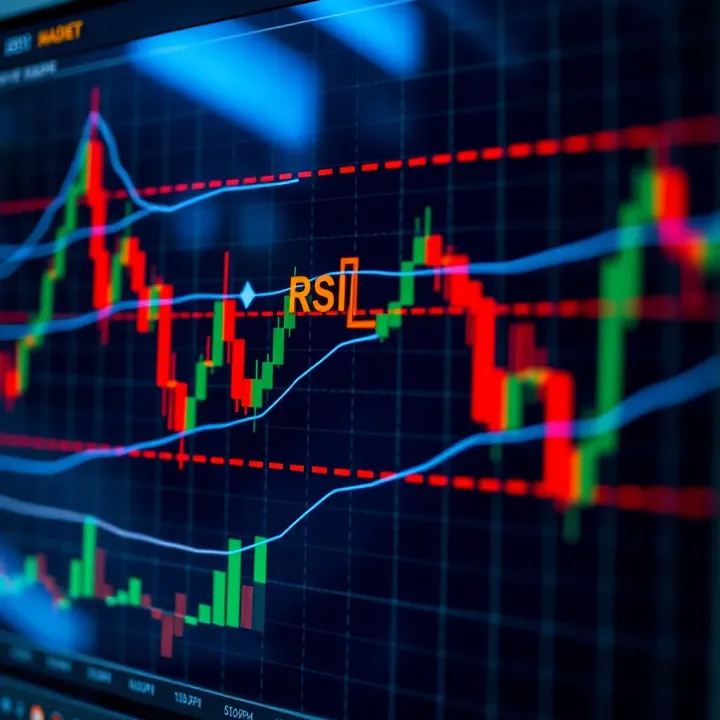
Explore top crypto trading indicators 📊, learn how they work, their pros & cons, and smart combos to navigate Pakistan's volatile crypto market confidently 🚀.
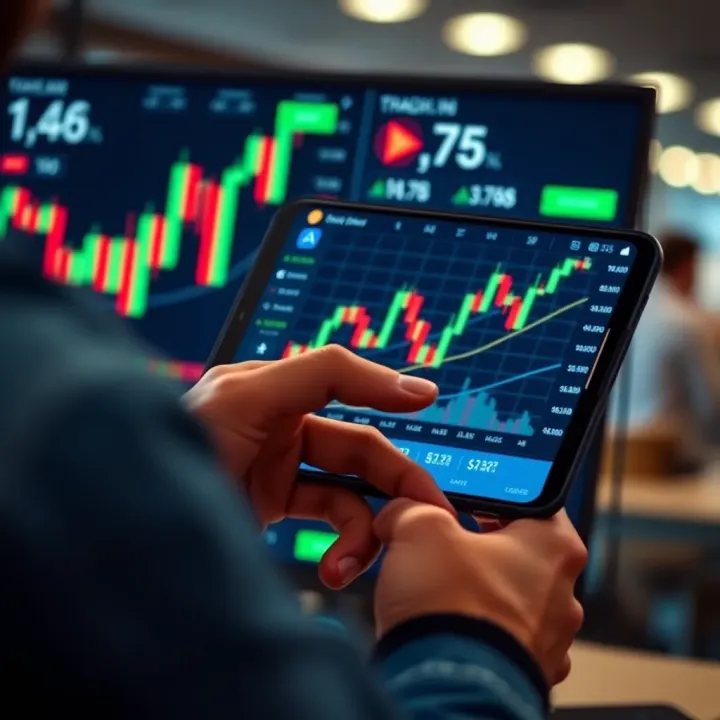
Find the perfect trading app for you in Pakistan 🇵🇰 and beyond! Compare features, usability, security, and costs to trade smarter📱💹.
Based on 10 reviews