

Planning Risk Management for Successful Projects
📊 Plan risk management for projects by identifying threats, assessing impact, assigning roles, and using proven tools to manage uncertainties confidently in Pakistan.
Edited By
Amelia Cooper
In project management, risk is not just something to worry about—it's a factor that can make or break your success. Managing risk means spotting potential problems before they occur and taking action to reduce their impact or avoid them altogether. This is especially important in Pakistan, where business projects often face challenges like regulatory changes, supply disruptions, and infrastructure issues.
Understanding risk management is about more than ticking off a checklist; it is about integrating thoughtful analysis into every stage of your project. Identifying risks early helps you plan smarter and avoid surprises that could cause delays or budget overruns.

Effective risk management boosts your project's chances by turning potential threats into manageable tasks.
To get started, consider these key practices:
Identify Risks: Explore all possible events that could affect your project, from local factors like loadshedding to global shifts like commodity price changes.
Assess Impact and Probability: Evaluate how likely each risk is and how severely it could affect your goals.
Plan Responses: Decide whether to avoid, reduce, transfer, or accept each risk.
For example, a construction firm in Karachi may face supply chain delays due to port strikes. Recognising this risk early allows the project manager to arrange alternative suppliers or adjust the timeline. In another case, freelancers working remotely should plan for internet outages common in certain areas, perhaps investing in mobile data backups.
Incorporating risk management practices makes your project flexible and better prepared. It's about being proactive, not reactive. Whether you're managing a large investment or a small freelance task, clear and practical risk strategies help you stay on course even when the unexpected comes knocking.
Understanding risk management is vital for anyone managing projects, especially in Pakistan’s dynamic business environment. It helps identify potential threats early and prepare practical responses, reducing surprises that can derail progress. For example, a construction firm in Karachi might face delays due to sudden loadshedding or material shortages — recognising such risks upfront allows for better planning.
Project risks come in various shapes, ranging from external factors like political instability and regulatory changes to internal concerns such as resource shortages or technical failures. For instance, a software development project might struggle with evolving client requirements or lack of skilled developers. Understanding these types allows project managers to diagnose vulnerabilities specific to their field and location.
Neglecting risks often results in cost overruns, time delays, and compromised quality. In Pakistan’s context, failing to manage risks could mean extended project timelines due to unexpected strikes, import delays, or infrastructure issues. Without early intervention, small issues accumulate and can lead to project failure or reputational damage.
Effective risk management directly improves project outcomes. It provides a framework for anticipating challenges and allocating resources efficiently. For example, a textile factory setting up a new production line may use risk analysis to schedule equipment maintenance proactively, preventing costly breakdowns that halt operations.
Projects without risk controls often face confusion over responsibilities, poor communication, and reactive rather than proactive decision-making. This results in wasted effort and lost time. In Pakistan, where business conditions change rapidly, ignoring risk controls can leave projects vulnerable to sudden market shifts or security concerns.
Remember, risk management isn’t about avoiding risk entirely but preparing smart responses that keep projects on track despite uncertainties.
In summary, understanding and managing risks lays the groundwork for smoother project execution and successful delivery, especially in complex environments like Pakistan’s.
In project management, following a clear risk management process helps keep uncertainties under control and projects on track. Knowing the key steps ensures you can spot trouble early and decide how to act. This practical approach reduces surprises, saves resources, and boosts chances of success.
Brainstorming and Expert Consultation involve gathering the project team and subject-matter experts to list all possible risks. This open discussion draws on collective experience and fresh viewpoints to catch risks that might otherwise slip past unnoticed. For example, a construction firm in Karachi might consult engineers familiar with monsoon-related delays to identify weather-related risks early.
Checklists and Historical Data Review help managers build on past lessons. Using checklists based on previous projects or industry standards ensures common risks don’t get missed. Reviewing records from earlier similar projects confirms what went wrong or right, refining risk scope. A software development team, for instance, might examine bugs found in prior releases to foresee areas prone to failure.
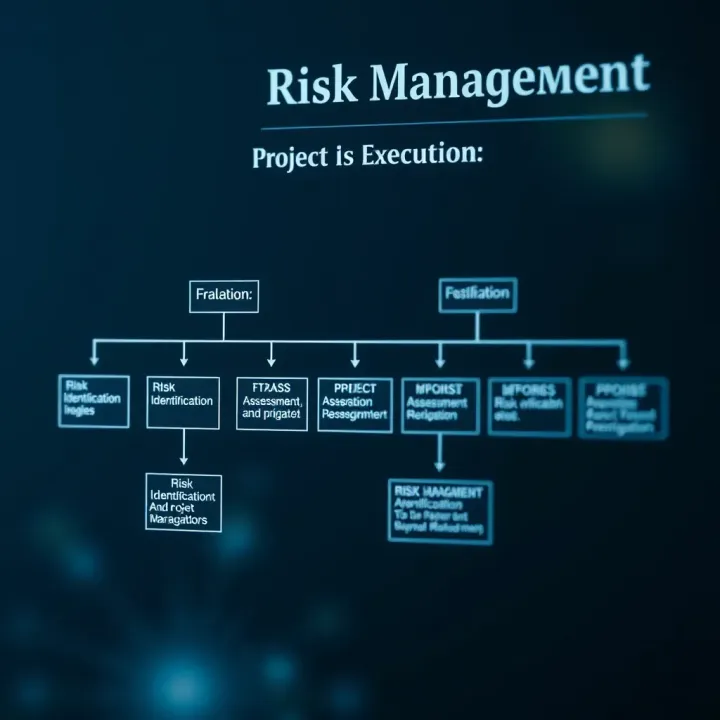
Qualitative Versus Quantitative Analysis serves different purposes in assessing risks. Qualitative methods rank risks by impact and likelihood through subjective judgement—useful when numbers are scarce. Quantitative analysis uses data and models, such as probability calculations or cost estimates, providing measurable risk levels. Combining both offers a balanced view; a marketing campaign might use expert opinions first, then calculate potential revenue loss if a key strategy fails.
Risk Prioritisation Methods focus resources on the most serious threats. Tools like the Risk Matrix place risks on grids of impact versus likelihood, highlighting which need urgent action. Pareto Analysis assumes 20% of risks cause 80% of problems, directing attention efficiently. This keeps teams from wasting time on minor concerns and deals effectively with critical issues.
Avoidance, Mitigation, Transfer, and Acceptance are standard ways to handle risks. Avoidance means changing plans to sidestep the risk; mitigation reduces a risk’s impact, like reinforcing a weak bridge segment. Transfer shifts risk to others, for example through insurance or outsourcing. Acceptance accepts the risk as manageable or unavoidable, often with contingency funds reserved.
Developing Contingency Plans prepares fallback options if risks materialise. These plans set out clear steps to take, ensuring the team isn’t caught flat-footed. For example, an event organiser might arrange a backup venue if heavy rains cancel an outdoor ceremony. Contingency plans provide peace of mind and keep projects moving despite hurdles.
Regular Risk Reviews and Updates keep the risk picture current. Projects can change fast, with new risks emerging and old ones fading. Holding scheduled meetings to reassess risk status ensures timely adjustments. For instance, a telecom infrastructure project might review risks each month to adjust for delays in equipment supply.
Incorporating Feedback and Lessons Learned means recording what worked and what did not, then applying these insights in ongoing and future projects. This continuous learning culture improves future risk management capabilities. A logistics company might note recurring roadblocks in certain districts and plan alternate routes for an upcoming project.
Effective risk management is not a one-time task; it requires constant attention, clear planning, and practical actions tailored to each project's demands.
Following these steps puts you in control, reduces surprises, and helps your projects meet deadlines and budgets more consistently.
Using the right tools and techniques is vital for managing risks effectively in any project. These methods help keep track of potential problems, assess their impact, and organise responses. Especially in Pakistan’s complex project environment, practical risk management tools can make the difference between project success and failure.
A risk register is a core document where all identified risks are logged with details such as their description, likelihood, impact, and mitigation actions. It serves as the central reference for monitoring risks throughout the project lifecycle. For example, a construction firm in Lahore uses a risk register to capture threats like material delays due to supply chain disruptions and poor weather.
Risk matrices complement registers by providing a visual representation of risks’ severity and probability. This matrix helps teams prioritise which risks to address first. In practical terms, risks falling into the high-probability, high-impact zone demand immediate action, while low-risk items require simple monitoring.
Manual registers and matrices can be tedious and error-prone in large projects. That's where software solutions come in handy. Tools like Microsoft Project, Primavera, or specialised risk management software allow teams to update risk data in real time, automate alerts, and generate reports.
Pakistani project managers working with international partners often use cloud-based solutions for risk tracking. This helps remote stakeholders stay aligned and respond quickly. For instance, a telecom rollout in Karachi used risk software to track subcontractor delays and adjust timelines efficiently.
Effective communication is a cornerstone in managing project risks. Without transparent information flow, teams risk misunderstanding or ignoring critical risk factors.
Engaging stakeholders early and regularly ensures that diverse viewpoints on risks are considered. It also builds trust and collective ownership of risk responses. Practical steps include holding focused meetings, sharing progress updates, and inviting feedback. For example, a real estate project in Islamabad holds monthly sessions with investors, contractors, and local authorities to discuss ongoing risks and solutions.
Clear reporting lines establish who is responsible for risk monitoring and decision-making at each project stage. This avoids confusion and delays in addressing issues. Assigning risk owners ensures accountability; these individuals track risks assigned to their area and coordinate the necessary actions.
In a typical Pakistani engineering project, having dedicated persons for procurement risks, quality control risks, and compliance risks means problems get escalated swiftly to the right people. This streamlined communication helps projects stay on track despite challenges like intermittent power outages or regulatory changes.
Efficient tools paired with strong communication provide a practical framework to manage risks, helping projects in Pakistan navigate uncertainty with confidence.
Risk management frameworks need adjustment to fit local project environments, especially in a country like Pakistan where unique challenges exist. Without tailoring, projects might miss critical risks or invest resources inefficiently. Adapting risk practices to local realities ensures both relevance and effectiveness, improving the chances of successful delivery.
Pakistan's infrastructure gaps often add complexity to project risk factors. For example, frequent loadshedding or unstable power supply disrupt timelines and increase costs in construction or IT projects. Poor road conditions and congested traffic in major cities like Karachi or Lahore slow down material transport, impacting supply chains and increasing deadlines. These infrastructure-related risks require contingency plans, such as securing backup generators or scheduling deliveries outside peak hours.
Furthermore, logistics challenges extend to remote areas where access is limited, increasing uncertainty around project completion. For instance, projects in mountainous regions of Khyber Pakhtunkhwa may face delays due to narrow roads and seasonal weather disruptions, making advance risk identification crucial.
Pakistan's evolving regulatory environment can affect project scope and costs unexpectedly. Sudden changes in tax rules or import duties may inflate budgets, especially for projects relying on imported materials or technology. For example, adjustments in custom tariffs can delay equipment arrival, halting operations for days or weeks.
Political shifts also impact projects — transitions between governments or local elections sometimes delay approvals or cause policy uncertainty. This unpredictability necessitates flexible risk strategies that monitor political developments closely and maintain strong relationships with regulatory bodies.
Understanding cultural norms and social dynamics is essential for managing project risk in Pakistan. Projects often involve diverse teams from various provinces, languages, and backgrounds, affecting communication and decision-making. Ignoring these aspects can lead to misunderstandings or reduced team morale.
Social factors, such as local community expectations or stakeholder influence, also impact projects. Engaging community leaders or respecting local customs can prevent conflicts that might otherwise stall work. For example, a construction project in a rural area may face resistance if it overlooks local customs or fails to communicate benefits clearly.
Tailoring risk management approaches to Pakistan's infrastructure, regulatory, cultural, and social realities isn't optional — it's vital. This local adaptation strengthens risk response and supports project success despite inherent uncertainties.
Account for power outages, transport delays, and regional access issues early.
Stay updated on regulatory and political changes that could impact costs or timelines.
Factor in cultural diversity and engage local communities to reduce social friction.
By grounding risk management in the local context, projects avoid surprises and build resilience to Pakistan’s unique challenges.
Mistakes in managing project risks can lead to delays, budget overruns, and even project failure. Identifying common pitfalls helps professionals anticipate problems before they escalate. Here, we discuss three widespread errors and practical steps to sidestep them.
Failing to spot risks at the start sets projects on shaky ground. Without early identification, teams miss the chance to prepare or avoid potential issues. For instance, a construction firm in Karachi delayed groundwork because they overlooked soil quality risks during initial surveys. This improper assessment led to costly redesigns and scheduling conflicts.
To avoid this, invest time in thorough risk identification during project planning. Use brainstorming sessions and historical data to foresee possible hurdles. Early identification allows you to build mitigation strategies into your project timeline rather than scrambling later.
Poor communication can mask emerging risks or cause misunderstandings among stakeholders. Consider a software development project where the project manager did not clearly inform the client about potential delays due to changing requirements. This led to frustration and disrupted resource allocation.
Clear, timely communication channels must be established from the beginning. Regular meetings, transparent reports, and stakeholder updates help keep everyone informed. Encourage open dialogue so team members feel comfortable sharing new risks or concerns without delay.
Risk management is not a one-time task but an ongoing process. Many projects overlook continuous monitoring, assuming identified risks will stay static. However, risks evolve as projects progress, like changes in market conditions or regulatory policies.
A textile exporter in Faisalabad, for example, faced sudden tariff changes mid-project that caught them unprepared. Regularly reviewing risk registers and updating plans ensure your team adapts quickly to new issues.
Continuous attention to risk throughout the project lifecycle keeps your plans realistic and your team proactive.
Conduct early and detailed risk identification
Maintain open and regular communication about risks
Monitor and update risk assessments continually
Applying these steps sharpens your project’s resilience and improves the chances of timely, successful completion in Pakistan's challenging project environments.
📊 Plan risk management for projects by identifying threats, assessing impact, assigning roles, and using proven tools to manage uncertainties confidently in Pakistan.
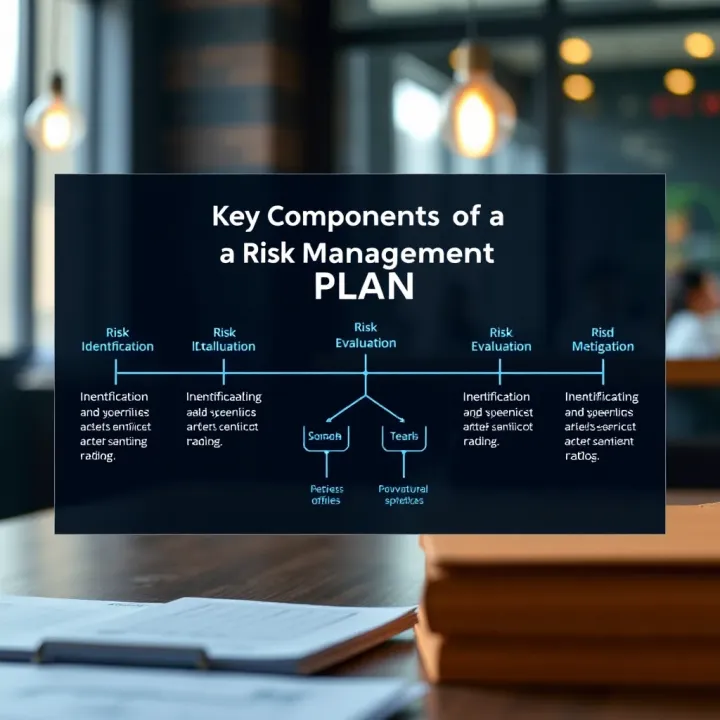
🔍 Learn to create a solid risk management plan covering key parts, practical steps, and ongoing monitoring to protect Pakistani businesses from unexpected challenges.
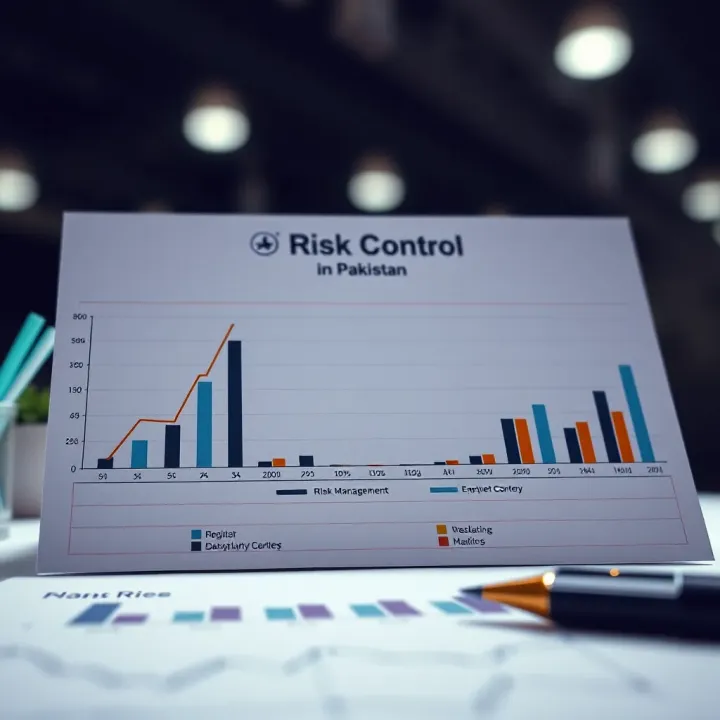
📊 Explore how Pakistani businesses manage financial risks with tailored strategies, tools, and regulatory insight to safeguard their financial health amid economic challenges.
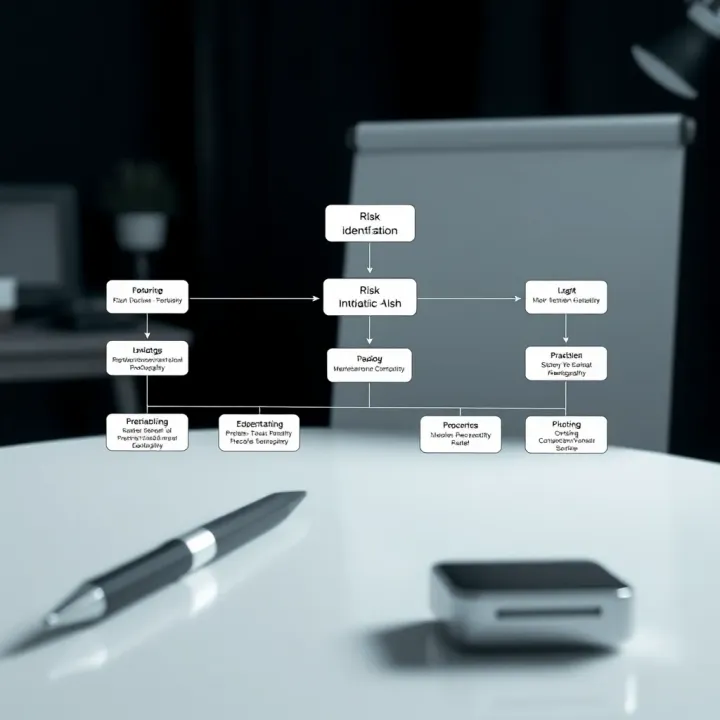
Explore how risk management software helps Pakistani businesses spot and reduce risks like financial losses, compliance issues, and operation disruptions. 📊🛡️
Based on 11 reviews