

How Risk Management Boosts Business Success
Discover how smart risk management enhances decision-making, boosts financial stability, and drives growth in businesses and beyond 🛡️📊🌍.
Edited By
Sophie Mitchell
Planning risk management is no longer just a box to tick but a crucial process that helps you steer your project clear of unexpected setbacks. Whether you're trading, investing, freelancing, or managing a project for your company, being able to spot risks before they snowball saves time, money, and reputation.
At its core, risk management planning involves identifying potential problems that might arise, measuring how much these could impact your project's success, and preparing practical responses to either avoid or reduce their effects. It’s a roadmap that keeps your team on the same page about who watches what risk and how to respond quickly.

For example, imagine you’re running a software development project in Karachi. Power outages and internet disruptions are frequent risks here. Planning means setting clear triggers—for instance, when loadshedding hits more than 4 hours a day—and assigning someone to coordinate backup power sources or adjust timelines. Such preparation helps avoid costly delays.
Clear objectives are the foundation. You decide what risks to track based on your project’s size, budget, and timeframe. Then, assign responsibilities to specific team members or departments so no risk falls between the cracks. A Pakistan-based construction company, for instance, might allocate procurement risks to the purchasing team while site safety risks stay with project supervisors.
A key deliverable is the risk register—a live document where you list each risk, its probability, potential impact, assigned owner, and planned mitigation steps. This one-stop resource keeps everyone informed and supports monitoring over time.
Regular reviews of risks are essential since new threats can appear anytime. Staying alert throughout your project’s lifecycle means you react before problems grow, rather than scramble after damage is done.
In Pakistani projects, combining traditional risk registers with tools like Excel or cloud-based project management apps makes tracking easier. Apps allow instant updates and sharing with clients or remote teams, keeping transparency intact.
In summary, planning risk management is about being proactive rather than reactive. It helps you manage uncertainties confidently and increases the chance of delivering projects on time and within budget—even when things don't go as planned.
Effective risk management starts with a clear understanding of why planning risk is necessary. Without this foundation, projects may face unanticipated challenges that derail timelines, inflate costs, or compromise quality. Planning risk management means anticipating potential obstacles and putting measures in place early, protecting the project’s core elements and keeping it on track.
Planning risk management helps keep the project within its original scope, timeline, and allocated funds. For example, in a construction project in Lahore, identifying risks like delayed material delivery or labour shortages early can help arrange alternatives beforehand. This way, your schedule doesn't get crushed, and budget overruns get minimised.
Unexpected problems can cause major disruptions, especially in projects with tight deadlines or fixed budgets. By planning ahead, you prepare for these scenarios rather than reacting to crises. For instance, IT projects in Karachi often face load shedding affecting server uptime. Anticipating this risk allows organisers to schedule critical operations during stable power hours, reducing downtime and financial loss.
When risks are mapped out early, project managers and teams make informed decisions rather than guesswork. They can prioritise resources, adjust timelines, or change methods as needed. For example, if a freelance digital marketing campaign foresees slow social media approval, the team can start content production early to avoid bottleneck.
In project management, risk means uncertain events that can affect objectives either negatively or positively. Understanding this helps teams prepare for both threats and opportunities. For example, a new government policy on imports could delay materials (threat), but it might also open up cheaper local sources (opportunity).
Threats are events that can harm your project, like supplier delays or budget cuts. Opportunities, on the other hand, are chances to improve project outcomes, such as discovering a faster technology or negotiating better vendor rates. Recognising both lets teams focus not only on what might go wrong but also on what might go right.
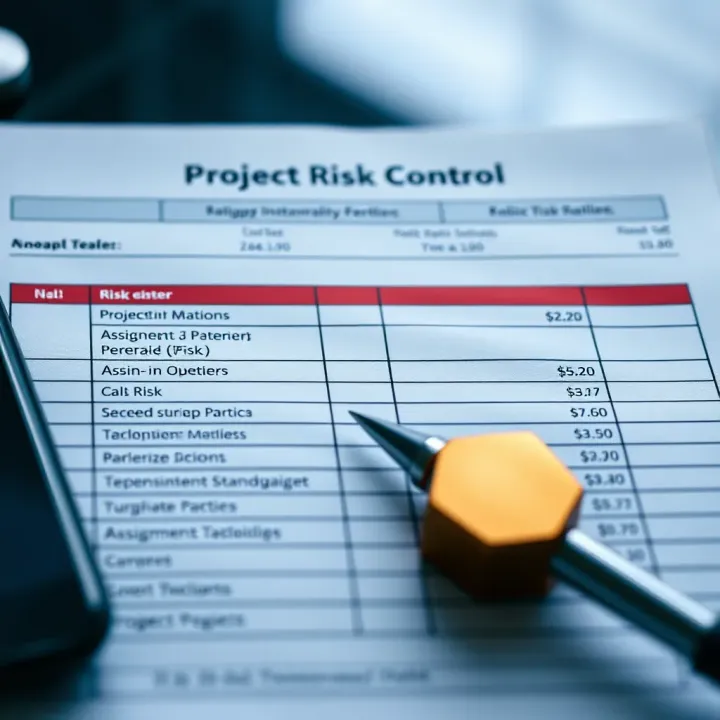
Each organisation has its own limit for how much risk it can accept, known as risk tolerance. This depends on factors like financial strength, project importance, and market conditions. A startup may take higher risks to grow quickly, while a public-sector project might be more conservative. Understanding this context guides how aggressively or cautiously risk management should proceed.
Planning risk management is not just about avoiding trouble — it's about creating a framework that helps your project adapt and succeed despite uncertainties.
By grasping these essentials, project teams in Pakistan can better navigate the complexities of their environments, crafting plans that save time, money, and effort.
Developing a risk management plan is a critical stage in ensuring that projects stay on track despite uncertainties. It provides a roadmap to identify, assess, and respond to potential risks before they disrupt timelines or budgets. In Pakistani projects, where external factors like unexpected regulatory changes or loadshedding can affect progress, having a clear plan is invaluable.
Aligning risk goals with project objectives means your risk strategy should match the project’s purpose and targets. For example, if a construction project in Karachi aims to finish before monsoon season, risk goals must prioritise preventing weather-related delays. This alignment makes sure that risk management isn't isolated but fully integrated with what the project wants to achieve.
Defining acceptable risk levels involves deciding how much risk is tolerable without jeopardising the project. A software development team might accept some bugs that don’t affect core functionalities, while a pharmaceutical project cannot tolerate safety risks. Setting these limits helps in prioritising which risks need immediate attention and which can be monitored.
Establishing review timelines means scheduling regular check-ins to reassess risks and adapt the plan. If you are managing a project with fluctuating market prices, having fortnightly risk reviews helps catch new threats early and make quick corrections. This ongoing process keeps the risk plan relevant throughout the project lifecycle.
Designating a risk manager or coordinator centralises accountability. This person oversees risk identification and response, ensuring no threat slips through the cracks. For instance, in a telecom infrastructure rollout, a risk manager might track delays in equipment delivery and coordinate solutions, avoiding last-minute chaos.
Defining roles within the project team clarifies who does what regarding risk activities. Team members responsible for procurement, quality control, or finance should know their risk-related duties, like flagging potential vendor issues or budget overruns. This division keeps the whole team engaged and reduces blind spots.
Engaging stakeholders for risk input broadens the perspective on risks. Clients, suppliers, and even regulatory bodies often spot risks project teams might miss. For example, involving municipal authorities early can highlight upcoming policy changes affecting land use. Their input strengthens risk awareness and fosters cooperation.
Using checklists and historical data speeds up risk identification by leveraging past experience. A logistics firm managing deliveries in Islamabad might use records of previous roadblocks or fuel price spikes to anticipate challenges. These tools serve as practical starting points and prevent reinventing the wheel.
Brainstorming and expert judgment tap into team knowledge to uncover less obvious risks. Holding focussed sessions allows specialists to voice concerns — say, a civil engineer warning about soil erosion risks at a site. These insights complement data-driven tools and add depth to risk analysis.
A risk probability and impact matrix helps rank risks by likelihood and effect, guiding response priorities. If a risk has a high chance of causing a major delay, like a supplier strike, it demands immediate attention. Less risky or lower-impact threats might be monitored instead. This matrix simplifies decision-making amid complex risk landscapes.
Clear roles, realistic objectives, and practical tools form the backbone of an effective risk management plan. Without these, projects often struggle to spot and tackle risks timely, especially in environments like Pakistan’s where unpredictability is common.
These steps together prepare a project not just to survive uncertainties, but to respond decisively and keep moving forward.
A risk register acts as the backbone of effective risk management. It captures risks systematically, ensuring nothing slips through the cracks while providing a clear overview for decision-makers. In project management, especially in Pakistan’s dynamic business environment, staying updated with risks can safeguard timelines and budgets when unexpected challenges such as supply delays or political unrest arise.
Each risk entry begins with a concise description explaining what the risk is and under which category it falls. For instance, a supplier failing to deliver on time would fall under "Supply Chain Risk." Categorising risks sharpens focus and helps allocate the right expertise to handle them. This clarity aids teams by preventing confusion—everyone knows exactly what challenge they're addressing.
Assessing how likely a risk is to occur and the scale of its impact on the project offers a practical way to prioritise. For example, if monsoon floods are common in a region where construction is happening, the likelihood ranks high. If the flood would halt work for weeks, the impact is severe. Combined ratings help project managers decide which risks demand urgent attention versus those that require monitoring only.
Assigning a risk owner ensures someone is accountable for monitoring and reacting to a specific risk. The owner could be a project team lead or a supplier. Response plans detail clear steps to either mitigate or exploit the risk. For example, arranging an alternate supplier acts as a contingency for delivery delays. This ownership and planning structure keeps responsibility clear and action timely.
Risk registers are not static documents. New risks crop up during project implementation, such as sudden currency devaluation affecting import costs. Adding these new concerns promptly prevents surprises and allows early action. It also reflects the evolving reality rather than relying on old assumptions.
Tracking the status of identified risks over time is crucial. Are mitigation strategies working? Has the likelihood changed? Maybe political unrest that seemed distant has intensified, raising risk levels. Regular reviews during team meetings ensure the register reflects current conditions, steering the project smoothly.
Risk management is flexible; plans must adapt as projects unfold. For instance, if a strategy to buffer delivery delays proves ineffective, the team might need to negotiate better terms or source locally. Such adjustments save time and money, demonstrating practical risk governance rather than just ticking off boxes.
Keeping the risk register updated and actionable provides real control over uncertainties, turning risk management from a paperwork exercise into a valuable tool for success.
In summary, a well-maintained risk register is a project’s compass amid uncertainties. It keeps everyone alert and geared up for action, which is essential in Pakistan’s often unpredictable project landscape.
Integrating risk management into project monitoring ensures that risks are actively tracked and addressed throughout the project's lifespan. Rather than treating risk management as a one-time activity, this integration keeps the team alert to new challenges and ready to adapt their approach. For traders, investors, or freelancers managing projects, this ongoing attention helps avoid surprises that can derail timelines or increase costs.
Regular risk reviews and team meetings are vital for spotting potential problems early. Holding these sessions weekly or biweekly encourages the project team to share updates and flag new issues. Imagine a software firm in Karachi catching a server vulnerability in a scheduled risk meeting, preventing a costly breach. Such reviews maintain a shared understanding of emerging risks and create a habit of vigilance.
Encouraging open communication about emerging risks helps dissolve barriers that might stop team members from reporting issues. When everyone—from interns to senior analysts—feels their input matters, potential threats get raised promptly. For example, a freelancer handling multiple clients in Lahore might notice a delay in client feedback and raise this risk before it impacts delivery. Clear communication channels foster timely awareness and collective problem-solving.
Measuring outcomes against expected results means assessing if the risk response is working as planned. A project might set a target to reduce delays by 20% after introducing new scheduling software. Monitoring the actual delay reduction signals whether the approach succeeds or needs adjustment. This step prevents wasting resources on ineffective tactics.
Making course corrections promptly is the natural follow-up. If indicators show that risk responses underperform, then the project team must act quickly. For instance, if a construction project in Islamabad faces unexpected rains delaying work despite contingency plans, revising the schedule and resource allocation immediately helps minimise losses. Timely corrections keep projects on track.
Risk dashboards and reports provide clear, visual summaries of risk status, making it easier for stakeholders to grasp current challenges. A dashboard might display colour-coded risk levels, recent updates, and actions taken, simplifying decisions. In a Pakistani export firm, managers benefit from quick risk snapshots during board meetings without sifting through lengthy documents.
Software solutions tailored for Pakistani firms offer features suited to local needs, such as Urdu language support, integration with familiar accounting tools, or compliance with FBR reporting requirements. Platforms like this help SMEs automate risk tracking and generate reports automatically, saving time and improving accuracy. Such tools align risk management with business realities here.
Consistent monitoring and adaptation build resilience into project delivery. Without integrating risk management into monitoring, risks can slip through unnoticed, leading to last-minute shocks.
By embedding continuous risk identification, thorough evaluation, and effective tools, you create a proactive risk culture essential for success in Pakistan’s dynamic business environment.
Discover how smart risk management enhances decision-making, boosts financial stability, and drives growth in businesses and beyond 🛡️📊🌍.
Understand actuarial science & risk management in Pakistan 🧮📉 Explore principles, methods & real-world applications to tackle financial risks effectively.

📊 Explore the ins and outs of binary options trading in Pakistan, from how it works and its legal aspects to risks, trusted platforms, and scam prevention tips.

📈 Explore binary option trading in Pakistan with our practical guide covering strategies, risks, legalities, and tips for secure trading platforms.
Based on 12 reviews