

Effective Risk Management in Project Management
Learn practical techniques to identify, assess, and control risks in project management for better outcomes in Pakistan's unique business environment 📊✔️
Edited By
Charlotte Edwards
Risk management is no longer just a checkbox for businesses; it’s a necessity for survival, especially in Pakistan’s dynamic economic environment. Whether you’re a trader navigating volatile markets, a freelancer handling multiple clients, or a financial analyst assessing portfolio risks, understanding key risk management techniques can shield your assets and ensure steady growth.
At its core, risk management involves identifying potential threats before they snowball and devising strategies to deal with them effectively. These threats can range from market fluctuations, regulatory changes, supply chain disruptions, to local challenges like loadshedding or sudden policy shifts impacting business operations.
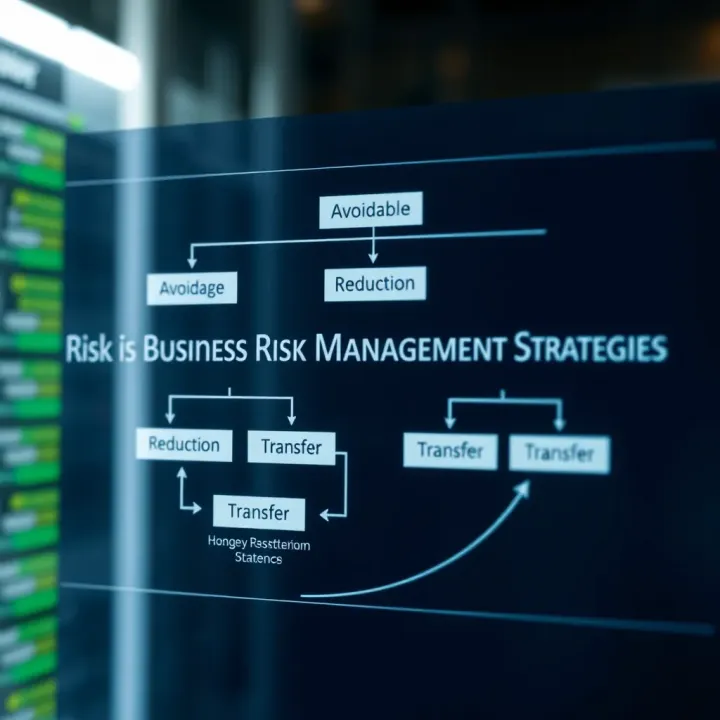
Pakistani businesses often face unique challenges such as currency depreciation, political instability, and infrastructural gaps. Addressing these risks requires more than just insurance policies or quick fixes; it demands a systematic approach that suits the local context.
Here’s why mastering risk management matters:
Prevents financial losses: By spotting risks early, businesses can avoid damage worth lakhs or even crores.
Builds confidence with investors: Transparent risk handling boosts trust and attracts investment.
Ensures regulatory compliance: Staying ahead of legal risks prevents hefty fines and reputational damage.
Supports strategic decision-making: Understanding risks clarifies options and trade-offs.
Effective risk management isn’t about avoiding every risk—it's about knowing which risks to take and how to control their impact.
In the following sections, we’ll break down practical techniques like risk avoidance, reduction, transfer, and acceptance. You’ll also find real-world examples tailored to Pakistani sectors, from textile exporters in Faisalabad to tech startups in Karachi. Armed with these insights, traders, investors, freelancers, and students can build robust systems that protect resources and keep businesses on track despite uncertainties.
This guide intends to be your companion for realistic, actionable risk management in Pakistan’s challenging market landscape.
Understanding risk management is vital for any business aiming to sustain growth and protect its assets. In Pakistan's dynamic commercial environment, identifying potential threats before they escalate helps prevent financial losses and reputational damage. This section clarifies what risk means in a business context, highlights common risks, and explains why systematically managing these risks benefits organisations.
Businesses face various types of risks, which can broadly be categorised into operational, financial, strategic, and compliance risks. Operational risks include disruptions like loadshedding affecting production or supply chain delays. Financial risks cover currency fluctuations impacting import costs or credit defaults by clients. Strategic risks may arise from poor market positioning or technological changes, while compliance risks involve breaches of regulations enforced by authorities like the Securities and Exchange Commission of Pakistan (SECP) or the Federal Board of Revenue (FBR).
Managing these risks involves identifying, analysing, and addressing them to minimise negative effects. A practical example is a textile factory in Faisalabad investing in backup generators to handle power outages, thereby reducing operational interruptions. Risk management aims to keep threats within an acceptable range so businesses remain sustainable amid uncertainties.
The objectives of risk management include protecting financial resources, ensuring regulatory compliance, and improving decision-making. Businesses benefit by avoiding costly surprises, enhancing investor confidence, and maintaining smooth operations. For instance, a corporate firm applying risk controls for currency exposure can better forecast budgets and negotiate contracts.
Local businesses often face specific challenges, such as political instability, supply disruptions due to infrastructure issues, and volatile exchange rates. These factors increase unpredictability, making risk management more than just a formality—it becomes a necessity to survive and thrive. A small exporter in Karachi who ignores currency risks can quickly find profits eroded by rupee depreciation.
Additionally, Pakistan’s regulatory and economic environment influences risk exposure. Changes in tax policies by FBR or new compliance requirements can impose unexpected costs or legal penalties. For example, the rollout of electronic tax filing systems demands businesses adapt their accounting processes rapidly. Economic factors like inflation rates and global commodity prices also shift the landscape businesses operate within.
Adopting effective risk management techniques builds resilience, enabling Pakistani companies to handle challenges proactively rather than reactively.
In summary, understanding risk and how to manage it allows businesses across Pakistan to safeguard assets, comply with laws, and plan with greater confidence. This foundation sets the stage for exploring specific techniques and tools in subsequent sections.
Managing risks effectively is essential for any business aiming to sustain growth and protect its assets. The primary techniques to handle risk—avoidance, reduction, transfer, and acceptance—offer practical ways for businesses to deal with uncertainties. Each technique has its place depending on the risk type, business goals, and available resources. Understanding when and how to apply these methods helps Pakistani traders, investors, and freelancers navigate challenges with more confidence.

Identifying risks to avoid starts with spotting situations or activities that could cause significant harm or losses. Businesses must map out processes and environments where risks are likely to arise, such as volatile markets or untested technologies. This requires regular monitoring of operational areas and financial practices to catch warning signs early. For example, a textile exporter might avoid entering countries with unstable political climates to prevent shipment delays and financial losses.
In operational terms, risk avoidance may involve not investing in equipment prone to frequent breakdowns, while in finance, it may mean steering clear of highly speculative investments or customers with a poor credit history. Such decisions mean businesses choose which risks are simply not worth facing because the potential damage outweighs the benefits.
To lessen impact, businesses follow steps like analysing risk sources, prioritising them, and implementing targeted controls. For instance, a company facing supply chain disruptions might develop backup suppliers or increase inventory levels to reduce delays. Mitigation balances cost and benefit to ensure controls are not excessive but still effective.
Controls include installing safety equipment, staff training, and improving quality checks. Safeguards like data backups or alternative routes for delivery help keep operations running smoothly despite hurdles. Adopting mitigation measures allows firms to continue operations while minimising downside, essential for Pakistani firms facing unreliable utilities or economic fluctuations.
Insurance policies are a common way to pass financial risks to third parties. Companies can buy coverage against fire, theft, or liability risks to protect their balance sheets. Contracts with suppliers and customers may also shift certain risks, ensuring that if something goes wrong, others bear the cost.
Outsourcing can transfer operational risks as well. For example, IT services outsourced to reliable vendors reduce in-house responsibility for cybersecurity breaches or system failures. This shifts risk but requires careful vendor management to avoid new vulnerabilities. Risk transfer helps firms focus on core areas without getting bogged down by every potential threat.
Sometimes businesses choose to accept certain risks, especially when the cost of mitigation or transfer is higher than the potential loss. These are usually low-impact or rare risks. For example, a freelance graphic designer might accept occasional delayed payments rather than spending time chasing every client invoice.
Managing accepted risks means setting clear limits and preparing contingencies. This could involve reserving funds for unexpected expenses or regularly reviewing risk exposure. Acceptance is sensible only when risks are understood and tracked, ensuring surprises do not derail business plans.
Sound risk management relies on selecting and applying these techniques according to your business reality. Instead of avoiding all risks, smart businesses decide which to avoid, reduce, transfer, or accept based on practical assessment.
By mastering these primary techniques, Pakistani businesses can build resilience, make informed decisions, and maintain steady growth despite uncertainties.
Risk management isn’t just about spotting problems early; it's about using the right tools and methods to tackle them systematically. Good practices help businesses stay prepared against uncertainties, especially in Pakistan's volatile markets where sudden policy shifts and economic disruptions are common. Adopting practical tools ensures risks are not only identified but also assessed accurately and dealt with effectively.
Risk assessment involves examining potential threats to understand their nature and severity. There are two main methods: qualitative and quantitative. Qualitative assessment relies on expert opinion and descriptive evaluations to rank risks, useful when numerical data is limited or hard to obtain. For instance, a small Karachi-based exporter might use qualitative methods to evaluate market instability risks without precise financial data. Quantitative methods, on the other hand, assign numerical values to risks, allowing detailed probability calculations and impact forecasts. This is often preferred for financial risks, such as currency fluctuations affecting businesses that import raw materials.
Using tools like risk matrices or impact-probability charts provides visual clarity. These charts categorise risks by their likelihood and potential damage, helping decision-makers prioritise which risks need immediate attention and which can be monitored over time. For example, a manufacturing plant in Faisalabad might use these charts to separate high-impact risks like machinery failure from low-impact ones such as minor supply delays, directing resources accordingly.
An effective risk management plan must clearly outline objectives, assigned responsibilities, risk tolerance levels, and response strategies. This document serves as a roadmap for the organisation's approach to dealing with threats. It ensures everyone understands their role and the steps to be taken if a risk materialises. For instance, a software company in Islamabad might specify a quick response protocol for cybersecurity threats within its plan.
It’s equally important to integrate this plan with business continuity planning. The latter prepares the company to keep running during and after unexpected events. Linking both setups avoids confusion by aligning risk responses with operational recovery steps. Consider a textile factory in Lahore that not only assesses flood risks but also plans alternative production sites and logistic routes, ensuring business continuity during monsoon floods.
Regularly revisiting the risk profile is essential because risks evolve constantly. Establishing fixed review cycles—monthly, quarterly, or after major projects—helps businesses stay in tune with emerging threats. These sessions review previously identified risks, check for new ones, and assess the effectiveness of current controls. For example, a logistic company in Karachi might conduct quarterly reviews aligning with weather changes and security situations in different routes.
Adapting to changes in the risk landscape ensures that risk management remains relevant. Economic conditions, government regulations, or technology shifts can dramatically alter risk profiles. Effective businesses adjust their strategies accordingly rather than sticking to outdated plans. For instance, a fintech startup must update its risk management to counter evolving cyber threats and regulatory compliance requirements in Pakistan’s digital payments sector.
A well-chosen mix of tools and best practices builds a protective shield for businesses, helping them not just survive but thrive even when risks knock hard.
Risk management in Pakistan’s business environment demands tailored approaches because of its unique challenges. Political shifts, economic volatility, and regulatory inconsistencies mean that businesses must be extra vigilant in applying risk controls suited to these conditions. For example, high inflation or sudden policy changes can disrupt plans quickly, so companies in Pakistan benefit greatly from adaptive risk strategies.
Managing supply chain risks
Manufacturing companies in Pakistan often face supply chain disruptions due to logistical bottlenecks, customs delays, or raw material shortages. For instance, the textile sector sometimes struggles with timely import of cotton or synthetic fibres because of port congestion or fluctuating foreign exchange rates. Firms mitigate this by maintaining buffer stocks, diversifying suppliers, or negotiating flexible contracts. Service sectors, like food delivery platforms, also confront supply chain uncertainties through shifting consumer demand or fuel price hikes, so they rely on dynamic routing and real-time tracking to minimise delays.
Dealing with regulatory and market uncertainties
Regulatory changes and market volatility hit Pakistani businesses regularly, especially in sectors like pharmaceuticals and finance. Sudden tax policy amendments or foreign exchange controls can impact profitability. Take, for example, IT exporters who face currency repatriation challenges. Effective risk management here means staying updated on regulatory announcements, engaging with industry bodies for early alerts, and scenario planning for different regulatory outcomes. Market uncertainties, such as fluctuating commodity prices, require businesses to hedge risks through futures contracts or adjust pricing strategies swiftly.
Using data analytics for risk identification
Data analytics help Pakistani businesses spot risk patterns before they spiral. Banks analyse customer transaction data to detect fraud signals early, while textile manufacturers track machinery performance data to predict breakdowns. Adoption of analytics tools enables faster decision-making and prioritisation of risk areas. For smaller firms, even simple spreadsheet models to monitor cash flow risks can make a big difference.
Cybersecurity measures as risk control
Cyber risk is rising sharply as Pakistani companies go digital, making cybersecurity essential. Incidents like ransomware attacks or data breaches can cause financial losses and shake customer trust. Businesses invest in firewalls, regular system audits, and staff training to close vulnerabilities. For example, banks in Pakistan strictly comply with Pakistan Telecommunication Authority (PTA) and State Bank of Pakistan (SBP) cybersecurity guidelines to protect customer data and maintain operational continuity.
Effective risk management in Pakistan hinges on blending traditional techniques with digital tools to navigate local challenges securely and efficiently.
By applying these approaches, firms in Pakistan can shield themselves from sudden shocks and build resilience amid unpredictable business conditions.
A strong risk-aware culture helps businesses manage threats before they escalate, making it a crucial part of lasting success. When employees and leaders at all levels understand risks and their potential consequences, the whole organisation becomes proactive rather than reactive. This approach reduces surprises and enables better decision-making across departments. In Pakistan's dynamic business environment — where regulatory changes, market fluctuations, and operational challenges are frequent — fostering risk awareness is particularly valuable.
Encouraging proactive risk reporting requires creating an environment where employees feel comfortable raising concerns without fear of blame or reprimand. For example, in Pakistani manufacturing firms where machinery faults or supply delays can cause losses, workers who report early signs of issues help the organisation act before problems worsen. Practical measures include anonymous reporting channels and regular sessions highlighting successful risk reporting cases to boost confidence.
Beyond reporting, embedding risk thinking in daily operations means making risk assessment part of routine tasks. Staff should consider potential risks when planning and executing work, whether it's reviewing contract terms in a services firm or following safety protocols at a construction site. Pakistani businesses that integrate risk questions into their workflows often spot vulnerabilities sooner, improving overall resilience.
Setting risk tolerance thresholds means leaders decide how much risk the business can accept in pursuit of its goals. These thresholds guide decision-making by balancing opportunity with potential harm. For instance, a small exporting company in Karachi might accept currency fluctuation risks up to a limit, while avoiding anything that would severely impact profit margins. Clear risk limits prevent hasty decisions during pressure moments.
Accountability and decision-making put responsibility for risk management squarely on leadership shoulders. Effective leaders establish who owns specific risks, promote transparency, and ensure follow-up on risk responses. In sectors like finance or logistics, failure to assign accountability can lead to costly oversights. Pakistani firms with clear roles and expectations tend to act faster when situations change, maintaining steadier operations.
A culture where every employee understands and takes responsibility for risk creates resilience that carries businesses through uncertain times.
By training staff to spot and report risks, embedding risk awareness in daily work, and having leadership set clear boundaries with firm accountability, Pakistani businesses position themselves better against disruptions. This culture supports sustainable growth even amid shifting economic and regulatory landscapes.
Learn practical techniques to identify, assess, and control risks in project management for better outcomes in Pakistan's unique business environment 📊✔️
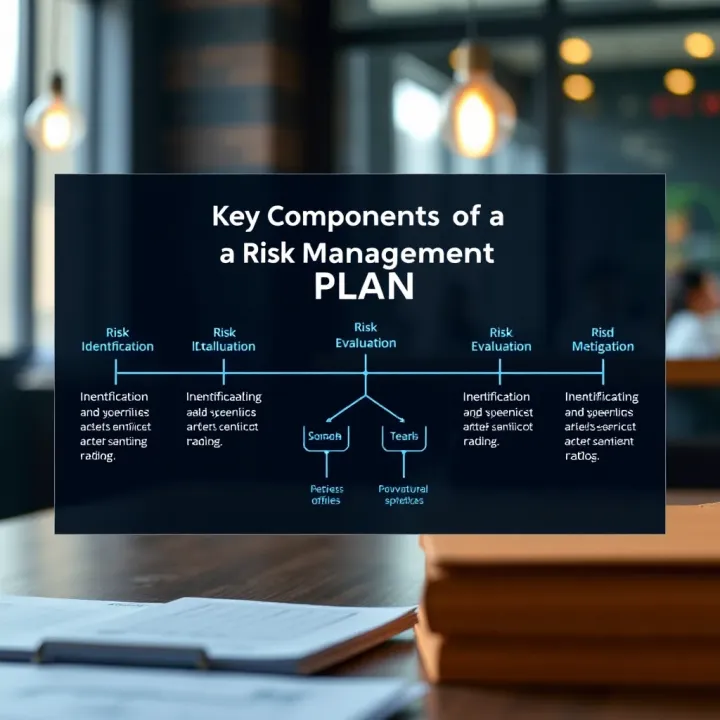
🔍 Learn to create a solid risk management plan covering key parts, practical steps, and ongoing monitoring to protect Pakistani businesses from unexpected challenges.

Explore how risk management software helps Pakistani businesses spot and reduce risks like financial losses, compliance issues, and operation disruptions. 📊🛡️

🛡️ Discover practical risk management tools tailored for Pakistani businesses to tackle financial, operational & compliance risks effectively, ensuring smooth operations.
Based on 5 reviews