

Understanding Risk Management: A Practical Guide
📊 Explore practical risk management for Pakistani businesses—identify, assess & control risks while handling challenges in sectors affected by economic shifts & loadshedding.
Edited By
Thomas Barrett
Risk management has become a central part of financial decision-making, especially in environments like Pakistan's dynamic markets. At its core, risk management means identifying, evaluating, and controlling potential financial losses before they happen. For traders, investors, and financial analysts, understanding the specific risks involved and applying practical methods is critical to safeguarding capital.
Financial risks often come in different shapes:
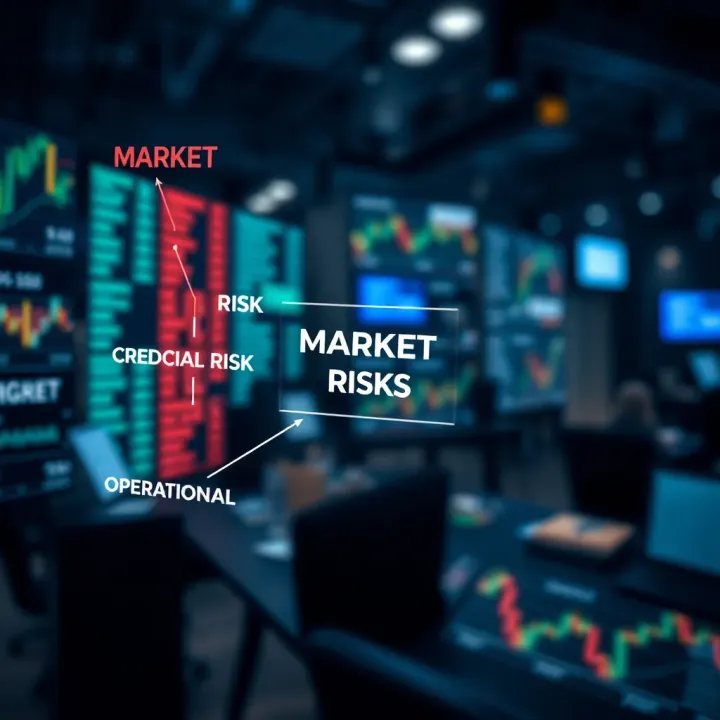
Market risk: Price fluctuations in stocks, commodities, or currencies, like sudden depreciation of the Pakistani rupee against the dollar.
Credit risk: The chance that a borrower or counterparty will not meet their financial obligations, common with corporate or government debt.
Liquidity risk: Difficulty in converting assets into cash quickly without a significant price drop; this can be felt during market downturns or property sales.
Operational risk: Failures related to internal processes, technology, or human errors.
Regulatory risk: Changes or strictness in rules from bodies like the Securities and Exchange Commission of Pakistan (SECP) that may affect financial activities.
Tackling these risks requires a blend of analytical tools and sound judgement, often tailored to the local market conditions and regulatory landscape.
Practical risk management in the Pakistani context includes:
Diversification: Spreading investments across sectors like textiles, banking, and agriculture to avoid heavy losses in one area.
Hedging: Using instruments like futures or options to protect against price changes, particularly relevant for exporters dealing in foreign currency.
Strict credit evaluation: Banks and lenders in Pakistan often rely on thorough background checks and payment histories before approving loans.
Regular monitoring: Tracking economic indicators such as SBP’s policy rate or inflation trends to adjust positions.
Financial institutions are also required to comply with SECP and SBP guidelines. These regulations set minimum standards for capital reserves, risk exposure limits, and reporting transparency to maintain market stability.
Clear understanding and application of risk management approaches help reduce surprises in uncertain markets, making investments more secure and decisions more confident. This knowledge is particularly valuable for professionals navigating Pakistan’s evolving financial environment where sudden policy shifts and global economic pressures play a role.
Overall, risk management is not just a tool for experts but a necessary skill for anyone involved in financial dealings, enabling smarter moves in an unpredictable world.
Understanding the foundations of risk management is essential for anyone involved in finance. It offers a structured way to identify, assess, and control uncertainties that can impact financial health. These foundations help traders, investors, and analysts to make decisions that balance potential rewards against possible losses, especially in Pakistan’s volatile economic environment.
Financial risk represents the chance of losing money on investments or business operations. Locally, risks may include currency devaluation due to political instability or sudden changes in interest rates by the State Bank of Pakistan. Globally, factors like oil price swings or international trade tensions can affect local markets, influencing export businesses or the rupee-dollar exchange. For instance, a textile firm exporting to Europe faces risks both from currency shifts and global demand changes.
Properly managing financial risk is vital for organisations to protect their capital and ensure continuous operations. Without it, a sudden market drop or loan default can disrupt cash flow, causing payment delays or even bankruptcy. For example, a Pakistani SME depends on efficient credit policies to avoid defaults that could halt production. Hence, risk management sustains a firm’s confidence among investors, lenders, and customers.
Market risk arises from changes in market factors like stock prices, interest rates, or currency values. A Pakistani investor holding shares in the PSX may see prices fluctuate due to inflation announcements or political events. These movements affect portfolio value, making market risk a daily concern for financiers.
Credit risk refers to the possibility that a borrower won’t repay loans or meet contractual obligations. In Pakistan, banks constantly evaluate borrowers’ creditworthiness before issuing loans, using tools like credit scoring. Default by a large client can lead to financial losses, making credit risk assessment crucial.
Liquidity risk means not having enough cash or assets quickly convertible to cash to meet immediate needs. For example, a company in Pakistan may face liquidity problems when receivables slow down during economic downturns, affecting its ability to pay suppliers or salaries on time.
This risk category involves failures in internal processes, people, or systems. Errors in transaction processing, fraud, or system outages due to electricity loadshedding impact operations significantly. For instance, a brokerage firm experiencing data entry mistakes during trade execution suffers operational risks that could lead to financial losses.
Knowing these fundamental categories helps professionals build stronger risk management frameworks tailored to Pakistan’s financial environment.
By focusing on these basic principles, traders, investors, and financial analysts can better prepare for uncertainties and protect their portfolios and businesses from unwelcome shocks.
Risk identification and assessment are fundamental steps in managing financial risks effectively. Spotting potential threats early allows traders, investors, and financial analysts to take timely action before losses occur. In Pakistan’s volatile markets, employing precise techniques not only safeguards assets but also improves decision-making during economic uncertainties.
Environmental scanning and trend analysis involve continuously monitoring both internal and external factors that could affect financial health. For example, a Pakistani export business might track political developments or shifting trade tariffs, as these can influence currency rates and demand. Trend analysis helps predict risks emerging from market cycles or macroeconomic shifts, enabling firms to react swiftly—not just wait for issues to escalate.
Financial statement analysis focuses on examining company accounts to identify signs of weakness or risk exposure. Investors scrutinising quarterly reports of a Lahore-based textile company might notice rising debt-to-equity ratios or decreased cash flow, indicating potential liquidity issues. This analysis is critical in determining a firm’s ability to meet obligations and sustain operations, providing a practical measure for risk recognition before investing.

Stress testing and scenario planning simulate adverse conditions to assess financial resilience. For instance, a bank in Karachi may run stress tests to understand how a sharp depreciation of the rupee or a sudden hike in SBP’s policy rate impacts their loan portfolio. Scenario planning helps businesses prepare contingency plans, reducing surprises from unexpected shocks such as political instability or global commodity price swings.
Value at Risk (VaR) quantifies the maximum expected loss over a specific time frame at a given confidence level. For example, an investor holding PKR 1 crore worth of shares might calculate VaR to estimate the worst loss expected over a week with 95% confidence. VaR offers a clear, numeric measure enabling portfolio managers to make informed risk-return decisions, essential under Pakistan’s market fluctuations.
Credit scoring and risk rating systems assess borrowers’ likelihood of default using financial history and repayment behaviour. Pakistani banks widely use these to evaluate SME loan applications, assigning risk grades that determine interest rates or approval. Accurate credit scoring minimizes defaults, protecting lenders and maintaining sector stability.
Liquidity gap analysis evaluates mismatches between assets and liabilities across different time horizons. For example, a business in Faisalabad might analyse when payments from clients are due versus its cash outflows to suppliers. Identifying gaps helps organisations manage cash flow proactively, preventing the risks of insolvency during periods of tight liquidity or loadshedding-related delays.
Recognising and accurately assessing risks early creates a defensive shield for investors and businesses alike, especially in Pakistan’s dynamic financial environment where political, economic, and operational risks often intersect.
Managing financial risks effectively helps institutions and investors shield their assets and maintain steady growth. Different strategies focus on reducing risk exposure, sharing risks with others, or accepting some risks based on informed decisions. Combining these approaches suits varying business models and market conditions, especially in Pakistan's volatile economy.
Diversification to reduce exposure helps spread risk by investing in multiple assets or market segments instead of relying heavily on one source. For example, a Pakistani investor might combine shares from sectors like textiles, banking, and tech startups to avoid losses if one industry faces difficulties. Diversification lowers the chance that a single market event wipes out all investments.
Hedging with derivatives and instruments involves using financial tools such as futures, options, or swaps to limit potential losses. In Pakistan’s currency market, importers sometimes hedge against rupee depreciation by entering forward contracts that lock in exchange rates for future payments. This protects business profits from sudden currency shifts. Traders and financial analysts use hedging to balance risk while keeping investment opportunities open.
Insurance policy use in finance offers protection against specific risks such as property damage, credit default, or business interruption. Financial institutions in Pakistan, including banks and microfinance providers, purchase insurance covering loan defaults or operational setbacks caused by floods or fires. Insurance transfers risk to specialised firms, letting businesses focus on core activities without worrying about catastrophic losses.
Outsourcing and sharing risk involves shifting parts of operations or responsibilities to third parties better suited to manage them. For instance, a Pakistani company might outsource its payroll and tax compliance to a specialised firm, reducing risks related to errors or penalties. Besides, syndicating loans among multiple banks spreads credit risk, as no single bank bears the entire exposure.
Deciding when to accept risks is equally important. Some risks, like minor market fluctuations or certain operational costs, might be cheaper to bear than to insure against or hedge. Businesses often weigh the cost of mitigation against the potential loss before accepting risks. For example, a freelance graphic designer in Karachi might accept occasional delayed payments instead of investing heavily in legal protections.
Contingency planning for unexpected losses prepares businesses for worst-case scenarios through backup resources or emergency funds. Pakistani firms commonly maintain reserve cash or alternative suppliers to navigate disruptions caused by political instability or loadshedding. These plans help reduce downtime and financial strain when unforeseen events hit.
Effective risk management balances reducing exposure, transferring what can be shared, and accepting manageable risks. This combination ensures resilience amid Pakistan’s unique financial challenges.
By integrating diversification, hedging, insurance, thoughtful risk sharing, acceptance, and contingency plans, financial stakeholders can protect investments and maintain stability in uncertain environments.
Regulatory framework and compliance play a vital role in managing financial risks within Pakistan's dynamic financial ecosystem. These measures help ensure stability in markets, protect investor interests, and promote transparency. For traders, investors, and financial analysts, understanding these rules is key to navigating risk effectively while staying above board with legal requirements.
The State Bank of Pakistan (SBP) acts as the main regulatory authority overseeing monetary policy and financial stability. It sets prudential regulations and capital adequacy requirements for banks to reduce risks related to credit, market, and liquidity. For example, SBP’s mandated capital buffers compel banks to maintain reserves against potential losses, helping soften shocks during economic slowdowns.
SBP also supervises foreign exchange controls and implements measures against inflation that directly impact market volatility and risk exposure. Its guidelines on stress testing and risk management encourage financial institutions to regularly assess vulnerabilities, which is especially relevant for Pakistan's fluctuating economic conditions.
The Securities and Exchange Commission of Pakistan (SECP) issues policies for corporate governance and risk management for listed companies and financial firms. These guidelines require firms to develop internal risk frameworks, conduct periodic risk assessments, and publicly disclose material risks.
For businesses listed on the Pakistan Stock Exchange, adhering to SECP rules ensures transparency for shareholders. It also helps companies manage operational and financial risks prudently, improving investor confidence and market integrity. For instance, mandatory disclosures around risk exposure encourage firms to prioritise mitigating actions.
The Federal Board of Revenue (FBR) enforces reporting and tax compliance that influence financial risk management practices. Accurate financial statements following FBR standards are essential to assess creditworthiness and fiscal health.
Pakistani firms must keep detailed records for tax filings, which serves additional checks on revenue streams and liabilities. Transparency in financial reporting under FBR regulations also reduces risks of fraud and penalties, which can have significant fiscal consequences.
Regular audits—both internal and external—ensure companies adhere to financial reporting standards and internal controls. These audits help identify control weaknesses and risk exposures early.
Risk disclosures mandated by regulators compel firms to share critical information on financial risks with stakeholders. This openness assists investors and analysts in making informed decisions, thereby enhancing market discipline.
Strong internal control systems form the backbone of effective financial risk management. Pakistani firms rely on governance structures, such as risk committees and audit boards, to oversee risk policies and monitor compliance.
Good governance fosters accountability and timely decision-making, reducing operational mistakes and financial misreporting. This builds trust not only within companies but also among external stakeholders.
Despite regulatory frameworks, many Pakistani firms struggle with compliance due to limited resources, complex bureaucratic processes, and sometimes lack of awareness. Smaller businesses often find it challenging to implement comprehensive risk management systems or maintain up-to-date disclosures.
Additionally, evolving regulations and occasional delays in enforcement create uncertainty. Firms must continuously adapt to new rules while managing day-to-day financial risks amid Pakistan’s economic fluctuations and geopolitical challenges.
Staying abreast of regulatory requirements in Pakistan strengthens risk management practices by providing clear standards and accountability mechanisms. It equips companies to face market uncertainties with a structured approach rather than guesswork.
By understanding the roles of SBP, SECP, and FBR, and focusing on diligent compliance and reporting, Pakistani financial professionals can safeguard assets and promote sustainable growth in a challenging environment.
Financial risk management keeps evolving, especially with the rise of technology and shifting market conditions. Staying updated with the latest trends and tools helps traders, investors, and analysts in Pakistan stay ahead by managing uncertainties more effectively. These emerging tools support quicker decision-making and provide detailed insights into risks that were hard to spot before.
Big data analytics is transforming how financial risks are identified and managed. Firms now analyse huge volumes of data from sources like market transactions, social media sentiment, and geopolitical news to detect patterns that hint at upcoming risks. For example, a broker might use data analytics to track sentiment changes affecting PKR exchange rates or shifts in oil prices impacting broad market sentiment. This allows for early alerts and better risk planning.
In Pakistan, financial institutions increasingly rely on analytical models that incorporate big data to refine credit risk assessments, especially for SMEs where traditional data is limited. This boosts confidence in lending decisions and portfolio management.
Automation tools help monitor risks continuously without manual intervention. Software platforms can scan real-time market data, track compliance checkpoints, and generate risk reports automatically. This means quicker reaction times when market conditions change unexpectedly.
For instance, many banks in Karachi and Lahore use automated systems to manage KYC (Know Your Customer) and AML (Anti-Money Laundering) risks digitally, reducing human error and improving regulatory adherence. Besides, automated alerts for exposures beyond set limits help avoid losses due to overlooked thresholds.
As financial firms digitise operations, cyber threats have become a top concern. Cybersecurity risks include hacking, phishing, and ransomware attacks which can lead to financial losses and reputation damage.
Pakistani institutions are investing in robust cybersecurity measures like multi-factor authentication, encryption, and regular vulnerability testing. For example, adopting PTA-approved security software helps organisations protect client data and maintain trust. Educating staff on cyber hygiene also forms a critical part of risk mitigation.
Currency swings affect importers, exporters, and investors directly. In Pakistan, the PKR often faces pressure due to trade deficits or remittance flows, impacting businesses exposed to foreign currencies.
Financial managers manage this risk through forward contracts or currency swaps to lock in rates, preventing surprises during payment or receipt cycles. Monitoring SBP’s policy changes also guides timely hedging decisions, ensuring cash flows remain stable despite exchange rate turbulence.
Periods of uncertainty, like political transitions or global shocks, cause market volatility and credit risks to rise. Pakistani businesses often find it hard to forecast demand or secure financing during such times.
Adopting stress testing allows firms to simulate adverse economic conditions and prepare contingency plans. For example, a textile exporter might assess scenarios of reduced foreign orders and decide on cost-cutting or diversifying markets accordingly. Keeping liquidity buffers also acts as a practical safeguard.
Global events — like oil price swings, geopolitical tensions, or pandemics — ripple into Pakistan's economy through trade, investment flows, and consumer behaviour.
A case in point is how the Ukraine conflict affected global fuel prices, pushing up inflation locally and squeezing margins for transport and manufacturing sectors. Financial risk management now demands awareness of these external factors and flexible strategies to mitigate impact such as pricing adjustments or alternative sourcing.
Advanced tools and proactive strategies help Pakistani financial stakeholders navigate risks arising from both domestic and international fluctuations, enhancing resilience in a challenging environment.
The integration of technology with traditional risk practices reshapes how risks are identified and managed. For those involved in Pakistan’s financial markets, understanding these tools and trends is no longer optional but essential for safeguarding investments and business continuity.
📊 Explore practical risk management for Pakistani businesses—identify, assess & control risks while handling challenges in sectors affected by economic shifts & loadshedding.

Learn practical techniques to identify, assess, and control risks in project management for better outcomes in Pakistan's unique business environment 📊✔️
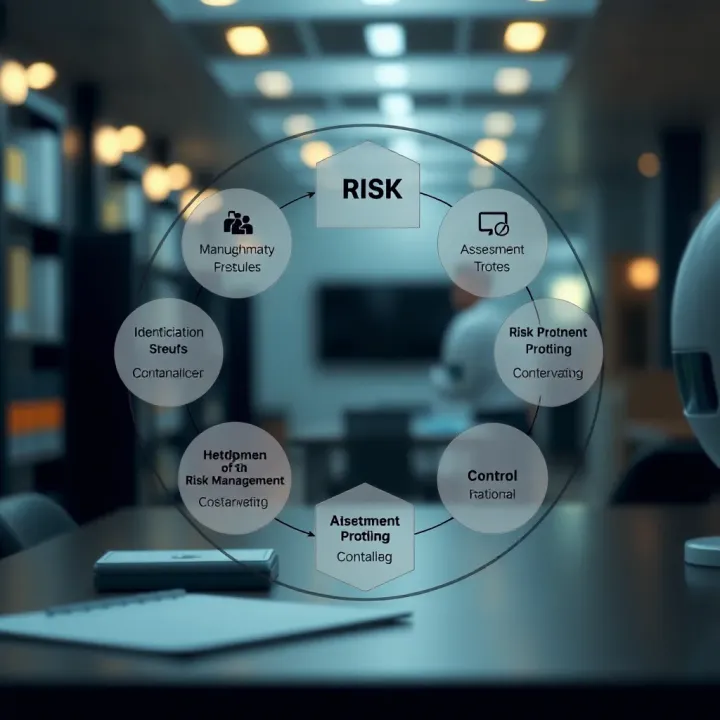
📊 Learn about risk management essentials, types of business risks, practical steps, and why it matters for Pakistani organisations amid today’s challenges.

📊 Plan risk management for projects by identifying threats, assessing impact, assigning roles, and using proven tools to manage uncertainties confidently in Pakistan.
Based on 11 reviews