

Practical Examples of Risk Management in Business and Daily Life
Explore practical risk management examples in business and daily life, from finance to healthcare, showing how to identify, assess, and handle risks effectively 🔍📊
Edited By
Benjamin Cole
Risk management is about spotting potential problems before they cause real damage and figuring out how to reduce or avoid them. In Pakistan's business environment, where factors like market volatility, regulatory changes, and infrastructure issues such as loadshedding can shake operations, managing risk is not just a formality but a necessity.
Different sectors face distinct challenges, and their risk management approaches reflect that diversity. For traders and investors, financial risk management revolves around assessing market fluctuations, currency risks, and credit exposure. Pakistani investors often use diversification across shares listed on the Pakistan Stock Exchange (PSX), government bonds, and real estate as practical strategies to spread risk.

In the operational sphere, businesses deal with risks related to supply chain disruptions, workforce management, and compliance with evolving regulatory frameworks such as those enforced by the Securities and Exchange Commission of Pakistan (SECP) or the Federal Board of Revenue (FBR). For example, manufacturing firms in Faisalabad might maintain buffer stocks or alternative supplier lists to adapt to sudden shortages or logistic delays.
Project risk management is critical in sectors like construction or IT development. Project managers routinely identify risks such as delays, cost overruns, or technology failures early in the planning phase. In Karachi’s booming real estate market, developers often run feasibility studies and maintain contingency budgets to handle unanticipated issues like regulatory approval delays or material price hikes.
Cybersecurity risk management is a growing concern, especially for financial institutions using JazzCash or Easypaisa. These organisations invest heavily in detecting threats, securing customer data, and training staff against phishing or ransomware attacks. Pakistani banks regularly conduct security audits and update protocols in line with guidelines from the Pakistan Telecommunication Authority (PTA).
Effective risk management is less about avoiding risks altogether and more about preparing to respond swiftly and smartly when challenges arise.
Understanding risk management in these varied sectors helps readers appreciate how different organisations tailor their approaches to local conditions and sector-specific threats. This clarity supports better decision-making, whether you are a trader assessing market risks or a project manager handling deadlines.
This article will break down examples from these core areas to show practical, proven strategies in action across Pakistan’s unique business landscape.
Risk management in financial institutions is fundamental to maintaining stability and trust in the banking and finance sector. In Pakistan, where banks and financial firms navigate volatile economic conditions, effective risk management helps avoid large losses and protects customer funds. It guards against unexpected events like loan defaults, market fluctuations, and operational failures, factors that can cause serious setbacks if left unchecked.
Loan default monitoring involves regularly tracking borrowers' repayment behaviour to identify early signs of trouble. Banks usually deploy software systems to flag delayed payments and assess borrower creditworthiness. For example, a bank in Lahore might flag a client if their payment is overdue by 30 days, prompting the risk team to take action such as negotiating new terms or demanding collateral. Proactively monitoring loan portfolios helps reduce non-performing loans, a critical issue for Pakistani banks dealing with limited recovery options.
Investment portfolio diversification spreads investments across different asset classes and sectors to reduce exposure to market swings. Financial institutions in Pakistan diversify by investing in government bonds, equities listed on the Pakistan Stock Exchange (PSX), and international securities. This strategy ensures that losses in one area don’t wipe out the entire portfolio. A bank heavily invested in textile stocks might balance risk by holding government treasury bills or bonds, which provide steady returns even during market downturns.
Fraud detection systems are essential safeguards against financial crimes. Many banks use machine learning tools that analyse customer transactions in real time to spot unusual patterns such as sudden transfers or large cash withdrawals. Banks like Habib Bank Limited (HBL) have invested in such technology to quickly identify and prevent fraudulent activities. This not only safeguards the bank’s finances but also earns the confidence of customers wary of cyber and internal fraud.
Compliance and regulatory adherence ensure that banks follow rules set by bodies such as the State Bank of Pakistan (SBP) and Federal Board of Revenue (FBR). Compliance includes timely reporting, anti-money laundering measures, and meeting capital adequacy requirements. Non-compliance can lead to heavy fines and damage to reputation. For instance, Pakistani banks regularly update their policies to meet SBP’s evolving regulations, ensuring smooth operations and retaining their licence to operate.
Effective risk management allows financial institutions to operate confidently and maintain resilience in Pakistan’s dynamic market, fostering trust among investors and customers alike.
Operational risk management is vital in manufacturing and industry because it directly impacts productivity, safety, and cost control. Managing these risks helps prevent accidents, reduces equipment failure, and ensures smooth production flow — all crucial for maintaining profitability and worker wellbeing. For example, a textile mill in Faisalabad that strictly follows routine machine maintenance and worker safety protocols can significantly cut down unexpected downtime and costly repairs.
Standard operating procedures provide clear instructions for tasks across manufacturing processes. They ensure every employee follows a consistent method, reducing the chance of errors and accidents. For instance, in a chemical plant near Karachi, having well-documented SOPs for handling hazardous materials helps prevent spills or exposure risks, protecting both workers and the environment.
Beyond safety, SOPs boost quality control by standardising processes, making it easier to spot deviations early. When workers understand exactly how to operate machinery or conduct inspections, they perform more efficiently and safely.

Conducting frequent safety training keeps workers aware of potential hazards and refreshes knowledge about best practices. In factories with shifting teams or new employees, ongoing sessions help everyone stay updated on the latest safety standards. For example, a steel manufacturing unit in Lahore holds monthly safety drills to prepare staff for emergency responses, cutting the response time during incidents.
Safety training also fosters a safety culture where workers feel responsible for their wellbeing and that of their colleagues. This collective mindset reduces careless behaviours that lead to mishaps.
Manufacturing depends heavily on reliable suppliers. Vetting suppliers thoroughly—including financial stability, production capacity, and quality standards—avoids disruptions caused by late deliveries or poor materials. For example, a food processing factory in Sialkot tests new packaging suppliers before onboarding to ensure packaging integrity and timely supply.
Regular audits confirm suppliers maintain quality and compliance over time. Audits also identify risks related to unethical practices or regulatory breaches, letting companies act before problems escalate.
Maintaining the right inventory level is a balancing act. Too much stock ties up working capital and risks spoilage, while too little leads to production delays. Effective strategies such as just-in-time inventory or safety stock levels help manufacturers respond flexibly to demand shifts.
For example, an electronics manufacturer in Islamabad uses real-time inventory tracking coupled with supplier integration to replenish raw materials just before they run out, preventing overstock and shortages.
Operational risk management in manufacturing is not just about avoiding disasters — it also enhances efficiency and profitability by streamlining processes and reducing waste.
In sum, well-executed operational risk management shields businesses from costly interruptions and safety incidents, which is crucial for competitiveness in Pakistan's growing industrial sectors.
Risk handling is a vital part of project management, especially in complex ventures seen in sectors like construction, IT, and infrastructure development. It involves recognising potential threats that could disrupt the project timeline, budget, or quality and crafting effective ways to address those threats. For instance, a Karachi-based IT firm launching a new software product may face risks such as technology failure or market resistance. Handling these risks early helps keep projects on track and saves both time and money by preventing major setbacks.
Risk registers serve as the backbone for managing project risks. This tool is essentially a central document or database where all risks identified during the project lifecycle are recorded. It lists each risk along with details such as its source, potential impact, and assigned risk owner. Pakistani project managers often use risk registers to track risks related to supply delays, regulatory changes, or funding gaps. Having everything in one place allows better monitoring and ensures nothing is overlooked.
Probability and impact analysis helps teams prioritise risks by estimating how likely each risk is to occur and what effect it would have if it does. For example, in a building project in Lahore, the probability of material delivery delays might be high during monsoon season, and the impact could be a project delay of several weeks. Assigning scores to these factors guides decision-makers to focus first on risks that could cause the most harm.
There are four main tactics to respond to risks: avoidance, mitigation, transfer, and acceptance. Avoidance means changing plans to eliminate a risk, such as postponing work during a predicted strike. Mitigation involves reducing the risk impact or likelihood, like improving safety protocols on a factory floor. Transfer shifts the risk to another party, for instance, through insurance or subcontracting. Acceptance acknowledges the risk but plans to deal with consequences if it occurs. A small business in Islamabad might accept minor cash flow risks while insuring against fire damage.
Contingency planning prepares the team for what to do if a risk event happens despite other strategies. This could mean having backup suppliers lined up or setting aside extra funds. In Pakistan's context, where loadshedding can impact construction timelines, contingency plans often include scheduling work during non-peak electricity hours or using generators. Such planning ensures quick response and minimises disruption.
Proper risk handling in project management not only safeguards resources but also builds stakeholder confidence by showing preparedness for uncertainties.
Through systematic risk identification, analysis, and practical response measures, projects gain resilience and improve their chances of successful completion, crucial in Pakistan's dynamic business environment.
Cybersecurity risk management has become essential as businesses increasingly depend on digital platforms for daily operations. In Pakistan, where digital adoption is growing fast, protecting data and networks from cyber threats is a must. Effective cybersecurity risk management helps organisations safeguard sensitive information, maintain customer trust, and comply with regulatory requirements.
Firewalls and antivirus software serve as the first line of defence in protecting digital assets. Firewalls act like security gates, controlling the traffic that can enter or leave a network, preventing unauthorised access. For instance, a banking app must ensure only legitimate traffic reaches its servers. Antivirus software complements firewalls by scanning for and removing malicious software that could damage devices or steal data. These tools together help businesses avoid data breaches that could cost millions in losses.
Access control and encryption are critical for limiting data exposure and protecting it during transmission. Access control ensures only authorised personnel access sensitive systems, using methods such as passwords, biometrics, or two-factor authentication. For example, a company’s HR records should only be visible to HR staff, not the whole office. Encryption further protects data by converting it into a coded form while being stored or sent, making it unreadable without the decryption key. This means even if hackers intercept data, they cannot use it. Pakistani firms using platforms like Easypaisa routinely apply encryption to secure transaction data.
Incident detection and reporting allow organisations to spot cyber-attacks or breaches quickly, minimising damage. Detection tools like intrusion detection systems monitor abnormal activity in real-time and alert the IT team. Prompt reporting ensures swift action—for example, shutting down infected servers or isolating parts of the network to prevent spread. Pakistani enterprises often struggle with delayed reporting, which can worsen impact, so setting clear reporting protocols is vital.
Post-incident analysis and improvement help organisations learn from security breaches and strengthen defences. After handling an incident, teams review the cause, assess response effectiveness, and identify gaps. For example, if a phishing attack succeeded due to employee negligence, additional training may be introduced. This ongoing process reduces future risk and improves preparedness. Continuous refinement based on real events is more practical than one-time policy setups.
Cybersecurity is not just IT’s job; it requires coordinated efforts across departments to anticipate threats and respond effectively.
By implementing these practical measures, Pakistani businesses can better manage cyber risks, ensuring operational continuity and protecting stakeholders' interests.
Risk management is vital for Small and Medium Enterprises (SMEs) because these businesses often operate with tighter budgets and fewer resources than larger firms. A single unexpected loss or disruption can set them back significantly, even threaten viability. Effective risk management in SMEs helps safeguard cash flow, improve credit handling, and adapt quickly to shifting market conditions and regulatory demands.
SMEs in Pakistan face unique challenges such as currency fluctuations, loadshedding, and changing government policies. Managing risk practically and proactively supports sustainability and growth. For instance, a small textile exporter in Faisalabad monitoring foreign exchange risk closely can avoid losses when the rupee weakens unexpectedly. This focus on risk protects not only profits but also builds trust with suppliers and customers.
Cash flow is the lifeblood of any SME. Monitoring daily inflows and outflows helps owners detect potential liquidity crunches before they spiral out of control. For example, a bakery in Lahore tracking its weekly cash receipts against expenditures for raw materials and wages can quickly spot if money tied up in inventory or delayed customer payments causes strain. This early warning allows timely decisions like adjusting purchase volumes or negotiating credit periods.
Regular cash flow reviews enable SMEs to plan for upcoming expenses, ensuring they don't run short of funds for essentials like rent or electricity bills. In Pakistan’s climate where unpredictable factors like fuel shortages can impact operations, this vigilance matters even more.
Many SMEs extend credit to customers to stay competitive, but this opens them to potential defaults. Robust credit management involves assessing customer creditworthiness, setting credit limits, and following up on overdue invoices promptly. For example, a Faisalabad-based furniture maker supplying goods on credit should regularly review customer payment histories and restrict credit to those with a history of delays.
This management reduces bad debts and improves working capital. Using simple tools like ledger sheets or accounting software customised for SMEs can streamline credit tracking. Moreover, establishing clear payment terms and communicating them improves compliance and cash flow stability.
SMEs must stay updated with taxation laws, labour regulations, and sector-specific rules. In Pakistan, failing to comply with FBR tax filing deadlines or labour welfare regulations can lead to fines or business disruptions. Regular compliance checks help SMEs avoid penalties by ensuring all filings, permits, and reports are current.
For example, a Lahore-based garment factory conducting quarterly reviews of its tax, export, and employee documentation is less likely to face issues during audits. This approach also builds credibility with regulators and clients.
SMEs that monitor competitor moves, customer preferences, and industry trends position themselves better to adjust products or marketing strategies. For instance, a Karachi café noticing rising demand for healthier drinks can introduce teas infused with local herbs to meet customer expectations.
Evaluating market trends enables SMEs to identify new opportunities or evolving risks early. This could mean diversifying suppliers if raw material prices rise or expanding digital sales channels in response to growing online shopping. Staying tuned to the market helps SMEs remain relevant and resilient.
Effective risk management in SMEs is a continuous process that supports financial health and strategic agility, key to thriving in Pakistan's dynamic business environment.
Explore practical risk management examples in business and daily life, from finance to healthcare, showing how to identify, assess, and handle risks effectively 🔍📊

Learn practical techniques to identify, assess, and control risks in project management for better outcomes in Pakistan's unique business environment 📊✔️
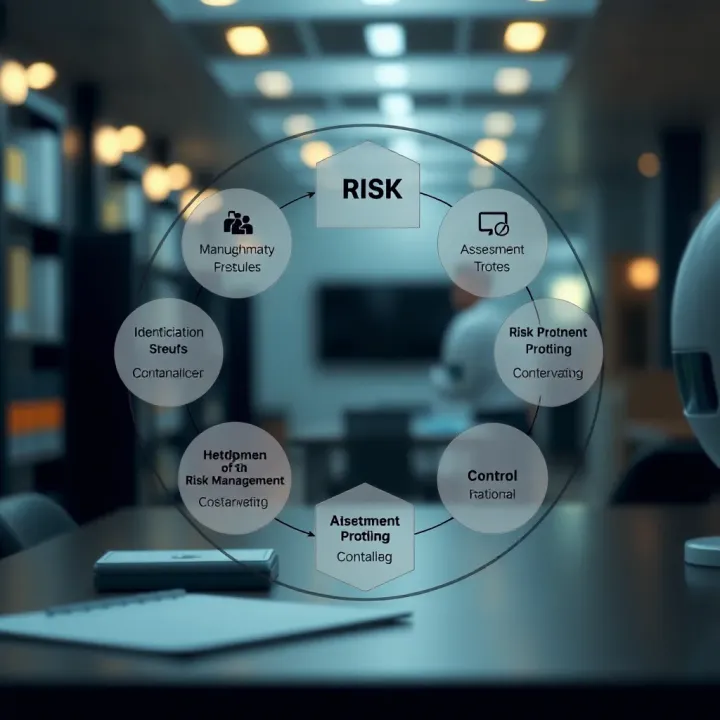
📊 Learn about risk management essentials, types of business risks, practical steps, and why it matters for Pakistani organisations amid today’s challenges.

📊 Plan risk management for projects by identifying threats, assessing impact, assigning roles, and using proven tools to manage uncertainties confidently in Pakistan.
Based on 12 reviews