

How Risk Management Boosts Business Success
Discover how smart risk management enhances decision-making, boosts financial stability, and drives growth in businesses and beyond 🛡️📊🌍.
Edited By
Amelia Ward
Risk management isn't just a box to tick; it’s a practical necessity for businesses and individuals operating in Pakistan's often unpredictable economic and political climate. A well-crafted risk management plan equips you to spot potential threats before they snowball into major problems. This proactive approach matters whether you’re a trader dealing with currency fluctuations, a freelancer navigating digital payment issues, or a financial analyst monitoring market volatility.
In simple terms, a risk management plan outlines the possible risks to your goals, evaluates their impact, then defines ways to reduce or handle them. But making this plan effective means going beyond theory — it should fit your specific context, adapt to shifts like loadshedding schedules, regulatory changes from the Securities and Exchange Commission of Pakistan (SECP), or fresh customs duties.
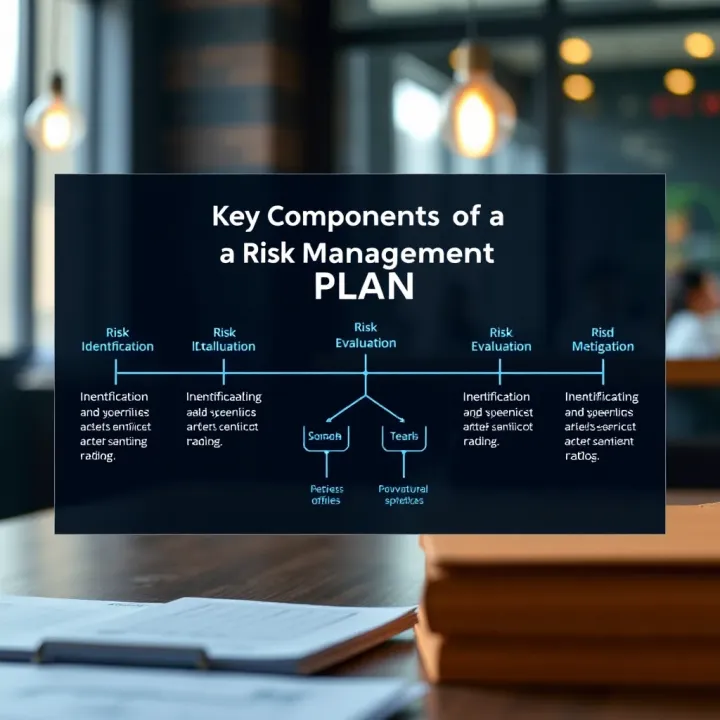
Risk management isn’t a one-time job — it requires continuous updates and vigilance to stay relevant amid Pakistan’s evolving business environment.
A good plan begins with identifying risks, which might range from delayed payments through platforms like JazzCash or Easypaisa, to supply chain disruptions caused by seasonal floods or transport strikes. Once these are clear, you assess which ones matter most based on likelihood and potential impact. For example, a disruption in internet connectivity affects freelancers and online traders more intensely than some traditional businesses.
Next comes the strategy: how will you deal with these risks? This includes sharing or transferring risks through insurance or contracts, reducing risks by diversifying suppliers, or accepting minimal risks while preparing contingency plans. Practical steps here could mean ensuring backup internet facilities for an online seller or keeping additional funds for unforeseen expenses.
Remember, risk management isn’t just about avoiding losses; it’s about preserving growth opportunities in uncertain times. Developing a strong plan safeguards your financial health and keeps you ready for unexpected twists, whether in the local stock market or daily business operations.
This sets the stage for exploring the core components of a comprehensive risk management plan and how each part plays a role in protecting your investments and livelihood in Pakistan’s dynamic economy.
An effective risk management plan helps businesses recognise problems before they grow out of control. Especially in Pakistan’s fast-changing markets, ignoring potential risks can lead to serious financial losses or reputational damage. Developing a clear understanding of why risk management matters is the first step for traders, investors, freelancers, and students aiming to protect their interests.
Risk involves anything that could derail a business's plans or projects. It might be sudden currency fluctuations affecting import costs or delays caused by loadshedding disrupting production schedules. For instance, a manufacturer in Faisalabad may face raw material shortages if suppliers fail to deliver on time due to unexpected strikes or transport issues. These risks, if unidentified and unaddressed, can hurt profits and stall growth.
Risk management aligns potential challenges with an organisation's goals. By spotting risks early, businesses can plan how to reduce their impact, ensuring smooth achievement of objectives like increasing market share or launching new products. For example, a fintech startup in Karachi might use risk management to ensure compliance with Pakistan Telecommunication Authority (PTA) regulations, avoiding costly penalties. Thus, risk management acts like a safety net, letting organisations focus on growth without blind spots.
A clear risk management plan cuts chances of expensive setbacks. Consider an investor who identifies regulatory risks in energy stocks early; they can adjust their portfolio before heavy losses hit. Similarly, businesses that manage risks well avoid scandals or service disruptions that harm their brand image. For example, a popular restaurant in Lahore using risk controls to prevent food safety issues protects both customers and reputation.
Effective risk management isn’t just about avoiding losses — it safeguards trust, which is priceless in today’s competitive environment.
When risks are mapped out clearly, decision-makers can prioritise where to put time and money. A trader monitoring currency risks may decide to hedge exposures rather than overcommit capital. Likewise, a freelancer can avoid projects with high client default risk, focusing on stable income sources. This targeted approach ensures resources are not wasted chasing avoidable problems but bolster parts of the business that promise reward.
In summary, understanding the purpose of a risk management plan means knowing how it supports hitting targets with fewer surprises. It helps you protect your money and reputation while using resources smartly in Pakistan’s challenging business environment.
A risk management plan works only when its key components are clearly defined and understood. Each element plays a role in spotting risks early, assessing their impact, and choosing the right response. For traders, investors or freelancers in Pakistan, recognising these components can prevent financial losses and smoothen decision-making under uncertainty.
Risk identification means spotting potential issues that could disrupt operations. In practice, this involves brainstorming sessions, reviewing past incidents, and consulting people who understand daily processes. For example, a small textile exporter in Faisalabad might identify risks like delayed shipments due to port congestion or currency fluctuation risks.
Once risks are identified, categorising them helps in focused analysis. Typically, risks fall into four main types:

Financial risks: currency devaluation, credit defaults, cash flow problems
Operational risks: machine breakdown, supply chain delays, workforce absenteeism
Strategic risks: changes in trade policy, competitor moves, market demand shifts
Compliance risks: failure to meet regulatory requirements from SECP or FBR
This classification helps in assigning the right experts to assess and manage each risk type.
After listing risks, analysing their likelihood and potential impact is crucial. Qualitative techniques include expert judgement and risk ranking, while quantitative methods use data like probability distributions and financial models. For instance, an investor assessing stock market risks might use quantitative data to estimate loss probabilities.
Setting risk levels through scales (high, medium, low) or numerical scores helps decide which risks need urgent attention. In a Pakistani SME, a high-risk currency fluctuation with potential to cause serious loss should get priority over lower-impact operational risks.
Once priorities are clear, deciding how to handle each risk becomes easier. Generally, there are four approaches:
Accept: Some risks come with doing business and can be tolerated
Mitigate: Actions to reduce risk likelihood or impact, like insurance or backups
Transfer: Shifting risk to another party, e.g., through contracts or insurance
Avoid: Changing plans to eliminate the risk altogether
An IT freelancer in Karachi, for example, might mitigate data security risks by using VPNs and secure cloud services.
Developing action plans with assigned responsibilities ensures risk responses are implemented effectively. Clear roles prevent confusion—if currency risk is transferred by a finance officer through hedging, the whole team must understand their parts.
A risk management plan works best when specific team members monitor risks and controls regularly. Assigning a risk officer or a small group creates ownership and quick response capability. For example, a Karachi-based import business might have a compliance officer ensure all customs paperwork is up to date.
Clear communication lines allow timely reporting of new risks and progress updates. Accountability is essential—without it, risk tracking becomes slack. Holding regular meetings and creating simple reporting templates ensures everyone stays on the same page.
Good risk management depends on clear components that work together—without one, the whole plan risks falling apart.
Developing a risk management plan involves clear, practical steps that help organisations prepare for potential threats while maintaining smooth operations. A structured approach ensures risks are identified early, analysed properly, and controlled effectively. This system is especially relevant for Pakistani businesses where market volatility and regulatory changes pose ongoing challenges.
Collecting relevant historical and current data forms the backbone of risk assessment. For instance, a textile factory in Faisalabad would review past incident reports, machinery breakdowns, and supplier reliability records to understand where vulnerabilities lie. Current data, like recent quality control failures or updated compliance rules from the Pakistan Standards and Quality Control Authority (PSQCA), provide a real-time snapshot. This helps organisations avoid surprises and plan controls accordingly.
Consulting stakeholders across departments enriches the risk assessment by gathering diverse perspectives. Managers from finance, operations, sales, and human resources bring unique insights about risks in their areas. For example, sales teams might highlight risks tied to international client delays, while HR could flag risks related to labour strikes or absenteeism. Engaging employees ensures proposed strategies consider ground realities and generate wider buy-in.
Using risk matrices and scoring methods simplifies complex risk data into understandable formats. A common method scores risks by likelihood and impact, placing them into a matrix ranging from low to high risk. This lets decision-makers spot high-priority issues—say, a top risk being power outages affecting production lines during peak hours in Karachi.
Identifying hazards with the highest potential impact focuses resources on what matters most. For example, a Karachi-based electronics assembler might find import delays for components risk the entire monthly output. Highlighting this hazard as critical helps management prioritise supplier diversification or advanced stock ordering.
Implementing preventive and corrective measures reduces risk severity. Preventive steps could include regular maintenance for factory machinery or staff training for quality checks. Corrective actions, on the other hand, deal with problems after they arise, like having backup suppliers to replace delayed shipments.
Integrating controls within existing workflows avoids disruptions and boosts effectiveness. A retail chain in Lahore might incorporate stock verification into the daily cashier routine or use software alerts within their inventory management system to flag low stock or inconsistencies, ensuring risk controls fit naturally.
Creating clear, accessible plan documents ensures everyone understands their role. Plain language and structured formats allow team members at all levels to grasp key points without confusion. For example, using bullet points to list emergency contacts or procedures helps quick reference during crises.
Sharing the plan with staff and stakeholders promotes transparency and accountability. Workshops or briefing sessions can familiarise teams with potential risks and responses. For a service provider in Islamabad, discussing plans in team meetings and sharing simplified digital copies on platforms like WhatsApp group chats ensures knowledge reaches all.
A practical risk management plan isn't just a document—it's a living system that guides everyday decisions and protects business continuity against Pakistan’s unique operational challenges.
Risk assessment tools and techniques help you spot potential problems early and figure out the best way to handle them. For traders, investors, freelancers, and students in Pakistan, using these tools means less guesswork and smarter decisions. You can identify risks more clearly, assign them priority, and track their progress — all within one system.
Local and international platforms support businesses in Pakistan to manage risks effectively. Popular software like SAP Risk Management and MetricStream are used by banks and large firms to automate risk tracking and reporting. At the same time, platforms like ZenRisk offer more affordable solutions suitable for small-to-medium enterprises (SMEs) or freelancers, combining risk identification with task management.
Besides global software, Pakistani startups have launched risk management tools customised for local needs, considering factors like market volatility and regulatory changes. These tools often integrate with accounting systems and mobile apps widely used in Pakistan, such as JazzCash or Easypaisa, to offer real-time financial risk monitoring.
Computerised risk tracking has clear advantages. It reduces human errors by automatically logging and analysing data. For example, an investor tracking volatile shares on the Pakistan Stock Exchange (PSX) can use software alerts to adjust portfolios before losses build up. Besides speed, digital tools improve transparency by keeping everyone on the team updated with latest risk status, which is vital for freelancers managing multiple clients or students handling project deadlines.
Choosing between qualitative and quantitative methods depends heavily on the kind of data available. When hard numbers like financial losses or probabilities are accessible, quantitative methods provide solid metrics for comparing risks. However, if data is limited or uncertain, qualitative methods help by using expert opinions, checklists, or scoring scales to judge impacts.
In Pakistani contexts, qualitative assessments are common in smaller businesses where formal risk data is scarce. For example, a new clothing brand in Lahore might assess supplier reliability through surveys and interviews. Conversely, quantitative approaches suit financial institutions, such as a bank in Islamabad using credit scoring models to predict loan defaults. Each method plays a unique role: qualitative helps flag risks quickly when details are sketchy, while quantitative confirms and measures risks as data accumulates.
Effective risk management depends on balancing these tools and methods to suit your specific situation and available resources.
Using the right tools and assessment techniques streamlines managing uncertainties, helping Pakistani professionals stay a step ahead in fast-changing markets.
Maintaining and reviewing the risk management plan is vital to ensure it remains effective and relevant in Pakistan's fast-changing business environment. As markets shift and new threats emerge, regular updates help prevent surprises that could derail operations or cause financial loss. A well-monitored plan also reinforces organisational accountability and encourages proactive risk handling.
Regular checks on risks and control effectiveness keep the plan live and actionable. This means continuously observing risk factors, like currency fluctuations or supply chain disruptions, and assessing whether existing safeguards are working as intended. For example, a textile firm in Faisalabad might monitor raw material prices daily and adjust purchasing strategies to avoid losses from sudden spikes.
Using key risk indicators (KRIs) provides measurable signals that alert managers to changing risk levels. These indicators—such as overdue payments ratio or production downtime—offer early warnings before issues grow out of control. In Pakistani businesses, tracking KRIs could involve monitoring fuel availability in areas affected by loadshedding or changes in government policies affecting import duties.
Business environments do not stay static. Adapting risk plans when market conditions or regulations change ensures they stay practical. For instance, during new SBP monetary policy announcements affecting interest rates, banks and investors must revise credit risk strategies accordingly. Staying updated also helps comply with fresh laws, like amendments to labour regulations or GST changes.
Periodic review cycles and audit processes formalise plan updates. Setting quarterly or biannual reviews ensures no risk goes unnoticed for long. Internal or external audits can verify whether controls are effective, spot gaps, and provide recommendations. Such disciplined reviews help Pakistani firms remain aligned with industry best practices and regulatory expectations.
Conducting regular staff sessions on risks and controls builds a knowledgeable workforce capable of recognising and managing risks in daily operations. For example, manufacturing units in Punjab may train workers on safety hazards and emergency responses to prevent accidents. These sessions also promote clarity on roles related to risk monitoring.
Encouraging a risk-conscious organisational culture strengthens overall resilience. When everyone from top management to foot-level staff understands the importance of risk awareness, potential threats are spotted early and handled collectively. This attitude fosters transparency, quick reporting, and shared responsibility, which are especially valuable in small to medium Pakistani enterprises balancing growth and resource constraints.
A regularly maintained and reviewed risk management plan is not just paperwork—it’s a dynamic tool that keeps businesses alert and prepared, reducing surprises and losses.
By embedding monitoring routines, timely updates, and training in your risk plan, you create a living system that supports informed decision-making and sustainable business success in Pakistan’s unique market conditions.
Discover how smart risk management enhances decision-making, boosts financial stability, and drives growth in businesses and beyond 🛡️📊🌍.

Understand actuarial science & risk management in Pakistan 🧮📉 Explore principles, methods & real-world applications to tackle financial risks effectively.

📈 Discover practical strategies for binary options trading in Pakistan. Learn basics and advanced tips to trade smartly and boost your success today!

📊 Explore the ins and outs of binary options trading in Pakistan, from how it works and its legal aspects to risks, trusted platforms, and scam prevention tips.
Based on 8 reviews