
Understanding Risk Management: A Practical Guide
📊 Explore practical risk management for Pakistani businesses—identify, assess & control risks while handling challenges in sectors affected by economic shifts & loadshedding.
Edited By
Sophie Green
Project risk management focuses on recognising potential problems that could disrupt a project and planning how to handle them before they turn into bigger issues. It’s not about eliminating risks completely but managing them wisely to keep the project on track.
In Pakistan’s dynamic business environment, where factors like economic shifts, political changes, and infrastructure challenges are common, understanding this process is key for anyone involved in project delivery. Whether you’re a trader overseeing a product launch, a freelancer managing client deadlines, or a student working on research projects, knowing how to spot and respond to risks can make the difference between success and failure.

The main goal of project risk management is to reduce surprises and help teams achieve their objectives on time and within budget. This involves systematically identifying risks, assessing their impact, planning responses, and monitoring throughout the project lifecycle.
Effective risk management doesn’t happen by chance; it requires a structured approach and constant attention.
Below are the essential components of the process:
Risk Identification: Listing all possible risks, from technical glitches to supply delays. For example, if you’re managing an event in Karachi, consider traffic jams, power outages, or last-minute vendor cancellations.
Risk Analysis: Evaluating how likely each risk is and the severity of its consequences. A freight delay might be frequent but low impact, while funding problems could halt the entire project.
Risk Response Planning: Deciding what actions to take, such as avoiding, mitigating, transferring, or accepting the risk. For instance, purchasing backup generators to tackle loadshedding during construction.
Risk Monitoring: Keeping an eye on risk factors and adjusting plans as the project moves forward. This means regularly checking if new risks have appeared or existing risks have changed in scale.
Understanding this process allows you to prepare realistically and avoid last-minute firefighting. Effective risk management leads to better resource use, improved stakeholder confidence, and a higher chance of project success.
Keep these basics in mind as you explore detailed steps ahead.
Project risk management is essential for keeping projects on track and avoiding costly surprises. In Pakistan, where external factors like loadshedding or political shifts can impact progress, recognising the risks early makes a big difference. It helps project managers to plan thoughtfully, allocate resources wisely, and keep stakeholders informed.
Taking a practical example, imagine a construction project in Karachi facing frequent power outages. Without proper risk management, delays could stretch deadlines and inflate costs. But by identifying this risk upfront, the team can arrange backup generators or adjust work schedules to mitigate impact.
Project risk management isn't just about spotting problems; it's about preparing for uncertainties to ensure smoother delivery. This section explains how understanding the risks involved benefits decision-making and project outcomes. It also highlights why ignoring risks can jeopardise a project’s success.
Risk in projects refers to any uncertain event or condition that might affect objectives negatively or sometimes positively. Unlike routine issues, these risks are unpredictible but have potential impacts. For example, if a mobile app development project depends heavily on a new technology, the chance of delays or bugs with that technology counts as project risks.
Risks can be internal, like a key team member falling ill, or external, such as sudden changes in government policy affecting imports of materials. Identifying these early requires a sharp eye and input from various stakeholders.
A useful way to think about risk is to consider both its likelihood and impact—how probable it is to happen, and how much it can affect the project’s goals. Not all risks are worth the same attention; some require immediate action, while others can be monitored.
Managing risks protects a project’s timeline, budget, and quality. Without it, small hiccups can mount into major failures. In Pakistan’s fast-changing environment, this is especially true – for instance, a sudden rupee depreciation can quickly increase import costs, catching many unaware.
Risk management enables informed decisions by providing early warnings. This allows teams to prepare, such as arranging contingency funds or finding alternative suppliers. It also improves stakeholder confidence since everyone understands the plan to handle potential issues.
Projects that ignore risks often face surprises that disrupt progress, sometimes causing losses that could have been prevented with proper risk planning.
In practice, managing risks doesn’t mean eliminating all uncertainties—that is impossible. Instead, it means being ready to adapt and responding effectively when challenges arise. This saves resources and helps ensure the project meets its objectives despite obstacles.
Overall, the introduction to project risk management lays the groundwork for all the following steps. It sets the mindset for being proactive rather than reactive, which is key to steering projects successfully through uncertain situations.
Following clear steps in project risk management helps keep surprises at bay and guides projects toward success. These steps allow you to spot challenges early, assess their impact, plan suitable actions, and track progress. This process matters because risks, if left unchecked, can double costs, delay deadlines, or even halt projects — all outcomes no investor or stakeholder welcomes.

Also known as a free-flowing discussion, brainstorming gathers fresh perspectives by inviting team members or experts to list potential risks openly. This approach taps into collective knowledge, uncovering risks that might not appear on standard lists. For instance, during an IT project, developers might identify cybersecurity risks that a non-technical manager would miss. Expert interviews add depth by probing individual experiences, often revealing hidden threats specific to local conditions, such as sudden internet outages due to infrastructure limitations in smaller cities.
Checklists are practical tools based on past projects, offering a quick way to recall common risks. Reviewing historical data helps spot patterns; say, frequent delays in supply deliveries or regulatory changes affecting project timelines. These insights guide teams to anticipate similar problems. In Pakistan, for example, reviewing previous infrastructure projects can highlight risks related to load shedding or political disruptions.
SWOT (Strengths, Weaknesses, Opportunities, Threats) analysis shines a light on internal and external factors affecting a project. Engaging stakeholders ensures their concerns and insights feed into this assessment, making risk identification broader and richer. Involving clients, suppliers, and even local authorities often reveals risks missed by the core team — like local labour strikes or policy shifts impacting resource availability.
This method ranks risks based on their likelihood and potential impact, using categories like high, medium, or low. It's a fast, cost-effective way to prioritise risks when precise data isn’t available. For a freelance digital marketer in Lahore, qualitative analysis can quickly identify which client projects are more vulnerable to delays due to resource constraints.
For projects requiring detailed insights, quantitative analysis assigns numeric values to risk probabilities and outcomes. Techniques include statistical models or simulations like Monte Carlo analysis. This helps forecast possible cost overruns or schedule slippages in measurable terms, crucial for large industrial projects in Karachi with tight budgets.
Avoidance means changing plans to sidestep risk entirely; mitigation reduces risk severity through protective measures. Transferring often involves outsourcing or insurance. For instance, a construction company may transfer financial risk by hiring subcontractors with specialised skills, or buy insurance against natural disasters.
Sometimes, risks are unavoidable or too costly to fix upfront. Accepting means acknowledging these risks but preparing contingencies. A software development team, for example, might accept the risk of minor bugs but plan patches and updates as contingencies.
Continuous monitoring looks for early warning signs—like delays in material delivery or unexpected policy announcements—that a risk is approaching. Maintaining a risk log updated with trigger points helps teams react swiftly. For Pakistani projects, this might mean keeping close tabs on political developments that could disrupt supply chains.
Risk management is not static; it requires flexibility. As projects progress, new risks may emerge, or existing risks may fade. Teams must revisit and revise strategies accordingly. An agricultural project in Punjab might adjust plans based on sudden changes in monsoon patterns or government subsidies.
Staying alert and adapting to risks makes the difference between project success and costly missteps. Every step in the risk management process adds layers of protection and clarity.
By mastering these steps, traders, investors, freelancers, and students alike can better understand the nuances of managing project uncertainties effectively.
Effective risk management depends heavily on the right tools and clear documentation. These elements keep risks visible, trackable, and manageable throughout the project life cycle. Without structured records and suitable software, risk efforts can become chaotic, leading to overlooked threats or ineffective responses.
A risk register is the backbone of project risk management documentation. It lists identified risks, including their likelihood, impact, and assigned owners. For example, in construction projects in Karachi, a risk register might track risks like material delays due to customs clearance or local transport strikes. This document provides a central reference for every stakeholder, ensuring no risk is forgotten or ignored.
Not only does the risk register promote transparency, but it also helps prioritise which risks require immediate attention or contingency plans. Updating the register regularly allows teams to monitor changes and progress on mitigation steps.
Modern project management software often includes dedicated risk management modules. Tools like Microsoft Project or Primavera P6 let project managers integrate risk data directly into schedules and budgets. This connection means that when a risk occurs, its impact on timelines and costs can be assessed quickly and visually.
Pakistani firms increasingly rely on such software to manage complex projects, such as energy sector developments or infrastructure under China-Pakistan Economic Corridor (CPEC). These tools support collaborative environments where teams in remote offices update risk statuses in real time.
Customised risk dashboards offer a concise visual summary of a project’s risk profile. By presenting key indicators such as risk severity, mitigation status, and upcoming deadlines on one screen, these dashboards help decision-makers see the big picture at a glance.
In Pakistan’s fast-paced project environments, quick decisions are vital. Dashboards streamline updates and communicate risk information effectively within executive meetings or stakeholder briefings. They can be tailored to focus on risks specific to sectors like IT, manufacturing or public works, highlighting issues like cybersecurity threats or regulatory changes.
Without proper tools and documentation, risk management efforts lose direction and momentum. A well-maintained risk register combined with software and dashboards builds clarity and control.
Using these resources wisely helps projects stay on track despite uncertainties common in Pakistan’s economic and operational context.
Managing risks in Pakistan's unique project environment requires a sharp understanding of local challenges and practical approaches. Projects here often face disruptions that don’t occur in more stable markets. Recognising these risks early and planning accordingly can save millions of rupees and ensure timelines are met without unpleasant surprises.
Loadshedding remains one of the most common challenges faced by projects in Pakistan, particularly in smaller cities and remote areas. Frequent power outages can delay work, affect machinery, and reduce labour productivity. For example, a construction project in a district with intermittent electricity supply might find equipment idle for hours each day, impacting both cost and schedule.
Besides electricity, infrastructure problems like poor road conditions and unreliable internet connectivity also add layers of risk. These factors can delay the delivery of materials or disrupt communication between teams, especially for projects relying on fast decision-making. Project managers must survey these conditions upfront and factor contingencies, such as backup generators and offline planning tools.
Pakistan’s political shifts and economic fluctuations frequently unsettle projects. Sudden regulatory changes or import restrictions can make acquiring materials more costly or slower than expected. For instance, a manufacturing project may face customs delays or price spikes in raw materials during political unrest.
Economic factors, such as inflation and currency depreciation, directly increase project costs. A project budget planned six months ago might fall short if the PKR weakens against the dollar, raising prices for imported goods. Risk management here involves close monitoring of the political climate and financial markets and building flexible contracts with suppliers to accommodate these changes.
Clear communication among various departments is vital for Pakistani projects, where responsibilities often overlap. Bringing stakeholders together early helps surface risks around procurement delays, compliance, or resource availability that might otherwise be overlooked.
For example, involving finance, procurement, and operations departments in risk discussions allows the team to spot cash flow issues or supplier reliability concerns in time. This collaborative approach fosters ownership and speeds up problem-solving, which keeps projects on track.
Risk management should not stand alone but align closely with the overall business objectives. In Pakistan, many projects succeed when risk response plans reflect market and organisational realities, not just theoretical best practices.
For instance, a telecom project expanding coverage in rural Punjab might tailor its risk appetite based on business growth targets and local competition. This integration ensures risk mitigation efforts directly support the project's strategic goals, optimising resource use and decision-making. Without this alignment, teams may waste effort addressing risks irrelevant to current priorities.
Effective risk management in Pakistan demands local insight combined with disciplined planning. Organisations that adapt their strategies to real conditions reduce surprises and deliver successful projects, helping build trust among investors and clients alike.
📊 Explore practical risk management for Pakistani businesses—identify, assess & control risks while handling challenges in sectors affected by economic shifts & loadshedding.

Learn practical techniques to identify, assess, and control risks in project management for better outcomes in Pakistan's unique business environment 📊✔️
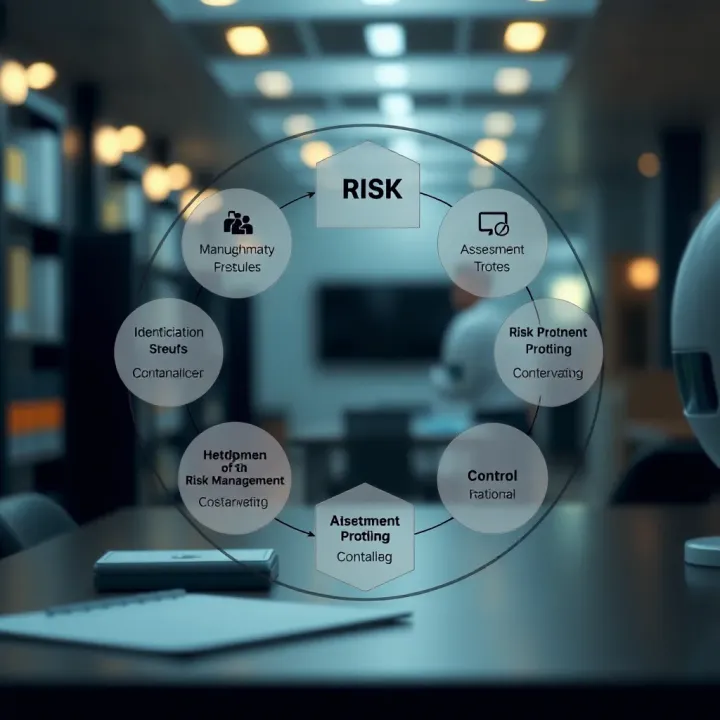
📊 Learn about risk management essentials, types of business risks, practical steps, and why it matters for Pakistani organisations amid today’s challenges.

📊 Plan risk management for projects by identifying threats, assessing impact, assigning roles, and using proven tools to manage uncertainties confidently in Pakistan.
Based on 10 reviews