
Understanding Binary Options in Pakistan
📊 Understand binary options trading in Pakistan—how it works, risks involved, plus pros and cons to make informed decisions before you trade.
Edited By
Liam Edwards
XE exchange rates provide live currency data that is essential for trading, travel, and business decisions involving Pakistan's currency, the Pakistani Rupee (PKR). Understanding how these rates are determined and what influences them can save you money and help you make smarter financial moves.
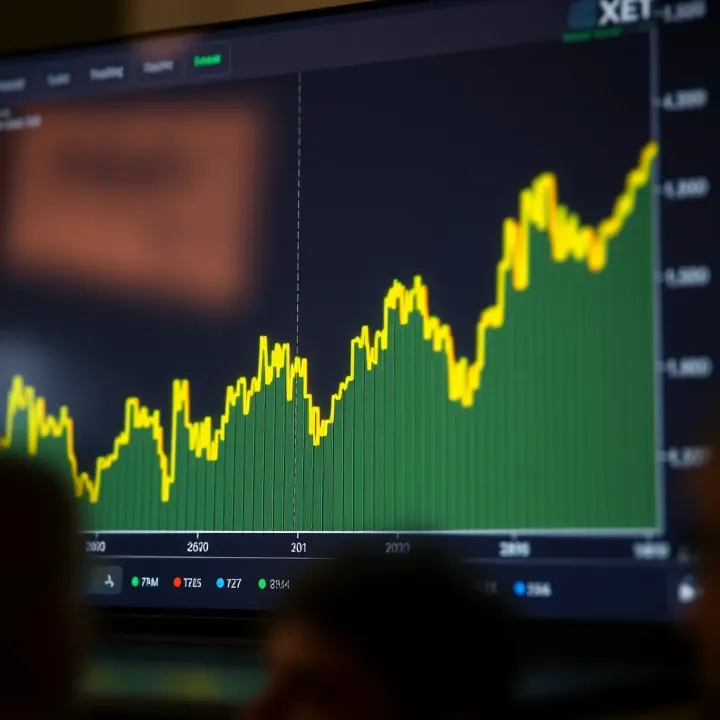
XE.com aggregates real-time exchange rates from various sources, including banks and market trading desks. These rates reflect the mid-market rate, the midpoint between buying and selling prices in global currency markets. For example, if you see USD to PKR at 280.50 on XE, that price represents an average that traders might use as a benchmark.
Unlike fixed rates set by governments, XE rates fluctuate constantly based on demand and supply in international markets. This means the USD/PKR exchange rate can shift several times during the day, impacted by economic reports, geopolitical events, and market sentiment.
Several economic and political factors can push the PKR up or down:
Inflation: Higher inflation in Pakistan usually weakens the PKR against the dollar.
Interest Rates: When the State Bank of Pakistan raises rates, it can make the PKR more attractive to investors.
Trade Balance: A large trade deficit often puts pressure on the PKR as more dollars leave the country to pay for imports.
Political Stability: Uncertainty or unrest can scare away foreign investment.
For example, during times of political uncertainty, like upcoming elections, the PKR might weaken as investors hold back.
If you're a freelancer getting paid in dollars, tracking the XE exchange rate before converting your earnings can make a significant difference. Similarly, travelers planning a trip to Pakistan can monitor XE rates to exchange money when the PKR is strongest or negotiate better rates with local currency exchangers.
Tip: Keep an eye on XE’s live data especially before large transactions. Currency markets can be volatile, but knowing the current rate can help you avoid losing money on poor exchange timing.
Don’t rely solely on posted rates at currency exchange counters; XE rates give you a real-time benchmark to spot unfair markups.
Be cautious during times of economic crises when rates can shift rapidly.
Understand there will always be a difference between XE rates and the rates you get after fees and spreads.
By watching XE exchange rates and understanding these factors, you can make smarter decisions whether you're investing, trading, or simply converting money for everyday use.
Understanding how XE exchange rates work is key for anyone dealing with Pakistan's currency, whether you're trading, investing, or planning a trip. XE provides live currency rates that reflect current market conditions, allowing users to make informed decisions without waiting for outdated data. For example, if a trader in Karachi wants to convert Pakistani rupees (PKR) to U.S. dollars (USD), knowing the exact XE rate can mean the difference between profit and loss.
An exchange rate tells you how much one currency is worth in terms of another. For instance, if the rate is 1 USD = 280 PKR, it means you need 280 Pakistani rupees to buy one U.S. dollar. This rate determines the value of cross-border transactions and influences everything from shopping online to business deals.
Spot rates are the current prices at which currencies trade right now. They’re the rates XE.com mostly shows for instant transactions. Forward rates, on the other hand, are agreed-upon prices for exchanging currencies at a future date, used mostly by businesses to hedge risk. If an importer expects the PKR to weaken next month, locking a forward rate helps avoid paying more later.
XE pulls data from a network of banks, financial institutions, and market sources globally. This ensures their rates reflect real trading activity rather than stale estimates. Because these data points are updated frequently, users get a picture that’s as close to real-time as possible, which is essential when Pakistan’s exchange rate can be quite volatile.
Currency values shift based on demand and supply. If more people want USD than PKR, USD strengthens, and PKR weakens. For example, increased remittances from overseas Pakistanis can boost demand for PKR, temporarily strengthening the currency.
The State Bank of Pakistan often intervenes to stabilize the PKR by adjusting interest rates or selling reserves. Comparable to the U.S. Federal Reserve, these moves affect how attractive PKR investments are, which in turn impacts exchange rates. A rate hike might strengthen PKR by attracting foreign investors seeking higher returns.
Events like trade wars, geopolitical tensions, or economic reports from major economies can cause sudden swings in exchange rates worldwide. When the U.S. releases strong employment data, for example, the USD often strengthens, indirectly influencing the PKR/USD rate shown on XE.
Staying aware of these factors helps users interpret XE rates beyond just numbers, giving context to currency movements and improving financial decisions.
Understanding the key drivers behind Pakistan's exchange rate is essential whether you're a trader keeping an eye on currency fluctuations, an investor considering market entry, or a freelancer managing international payments. These drivers shape the Pak Rupee’s value against other currencies on platforms like XE.com, impacting costs, profits, and financial planning.
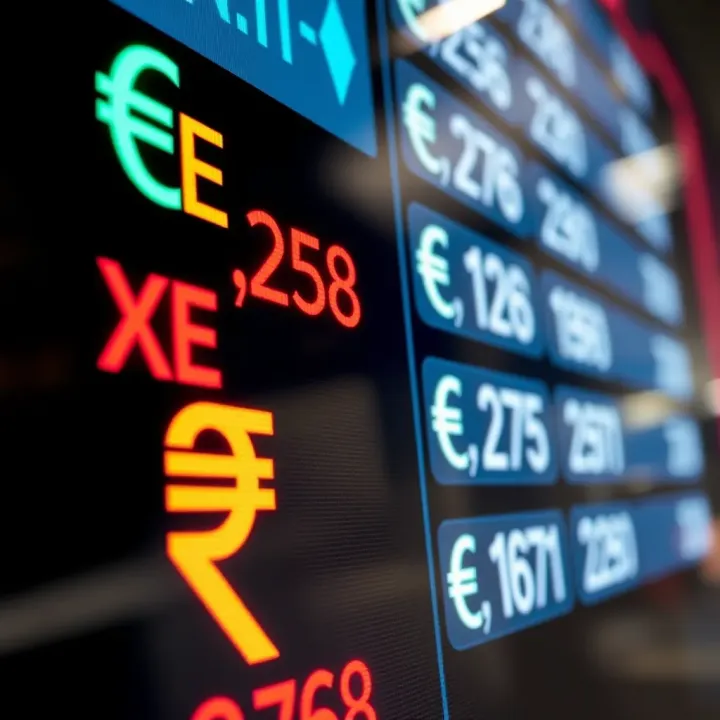
Inflation directly affects the purchasing power of the Pak Rupee. When inflation rises, it often means prices are going up, and the currency can lose value internationally. For instance, if Pakistan’s inflation rate hits above 10%, foreign investors may see the currency as less stable, leading to a drop in demand for the Rupee.
Interest rates set by the State Bank of Pakistan also play a big role. Higher interest rates usually attract foreign capital because investors can earn better returns, which supports the Rupee’s value. On the other hand, cutting rates can weaken the currency as returns on investments drop. An example is when the central bank raised rates to curb inflation in 2022; this helped stabilize the Rupee temporarily.
Pakistan consistently runs a trade deficit, meaning it imports more goods and services than it exports. This imbalance means dollars flow out more than they come in, putting downward pressure on the Rupee. For example, higher oil imports can widen the trade deficit, forcing the country to spend more foreign currency, weakening the local currency.
This scenario often translates to a reduced exchange rate seen on XE.com, influencing everything from remittance values to import costs. Businesses that rely on imported materials face higher costs as the Rupee weakens, which can ripple through prices across the economy.
FDI brings in foreign currency, supporting the Rupee by increasing demand. When global companies invest in Pakistan’s infrastructure or industries, they convert dollars into Rupees, bolstering the local currency.
Periods with higher FDI inflows, like when China-Pakistan Economic Corridor projects ramp up, tend to stabilize or strengthen the Rupee. Conversely, if political uncertainty scares off investors, FDI drops, putting more downward pressure on the currency.
Government actions—such as tariffs, taxes, or currency controls—can influence the Rupee’s demand and supply. For example, tightening import restrictions to protect local industries may reduce the trade deficit but can also limit access to essential foreign goods, indirectly affecting exchange rates.
Additionally, fiscal policies that increase budget deficits can lead to inflation, pressuring the Rupee. Overspending without adequate revenue, for instance, can trigger currency depreciation, reflected in exchange rate movements.
The State Bank of Pakistan (SBP) plays a hands-on role managing the Rupee through monetary policy and currency interventions. By setting interest rates and controlling money supply, SBP works to control inflation and stabilize the currency.
The bank also intervenes directly in forex markets to smooth out excessive volatility. For example, when sudden geopolitical events cause the Rupee to tumble sharply on XE.com, SBP might sell foreign reserves to prop up the currency temporarily.
The bottom line is that the interplay between economic fundamentals and political factors determines how Pakistan’s exchange rate behaves, making it vital to monitor these drivers closely for effective financial decision-making.
Tracking currency movements through XE.com has become an essential part of managing finance for anyone dealing with the Pakistani rupee. XE offers real-time data, allowing users to keep a finger on the pulse of exchange rates as they shift throughout the day. This is particularly important for traders and investors who can face losses if they're not promptly informed about market changes. XE’s accessibility and accuracy help you make better decisions whether you’re sending money overseas or planning business expenses.
XE’s live exchange rate tools deliver up-to-the-minute currency values, which is key given how often these rates can change due to market forces. For example, during sudden geopolitical events or economic announcements affecting Pakistan, you can check instantly how the rupee fares against the dollar or other currencies. These tools help you time conversions or trades more precisely, avoiding guesswork and costly delays.
Looking at historical exchange rate data is invaluable when you want to understand trends or evaluate how external events have influenced Pakistan’s currency. XE provides easy access to past rates, which traders often use to forecast future performance. For instance, an investor might analyze three months of rupee exchange trends before committing to currency exposure in Pakistan’s market. It also benefits small businesses planning their budgeting by showing seasonal currency fluctuations.
XE's currency converters simplify complex math by giving you a quick and reliable way to switch between dollars, rupees, euros, and others. This comes in handy when you’re handling payments, pricing products for export, or figuring out costs for travel. Say you’re freelancing and getting paid in U.S. dollars; the calculator lets you instantly see how much you’ll receive after conversion, factoring in the current XE rate.
For travelers heading to Pakistan or people sending money home to family, XE.com offers trustworthy exchange rates that help avoid overpaying or getting poor value. Since fees and different rates from banks or money transfer services vary, checking XE’s live rates gives you a starting point for comparison. This way, you know if you’re getting a fair deal or if it’s wise to hold off until the rates improve.
Businesses involved in importing or exporting goods with Pakistan rely heavily on currency rates. XE enables them to monitor fluctuations that can impact pricing, margins, and contracts. For example, an exporter may lock in pricing terms when XE shows a favorable rate to avoid surprises. Accurate exchange info can help manage cash flow by deciding when to convert earnings or pay suppliers.
Investors eyeing Pakistan’s markets need real-time exchange rates to evaluate their foreign currency risk, especially with volatile markets. XE's tools help spot opportunities or risks when the rupee weakens or strengthens against the dollar. Accurate rates influence decisions on buying stocks, bonds, or real estate, ensuring returns aren’t eroded by unfavorable currency moves.
Staying connected to current and historical exchange data via XE.com empowers anyone dealing with Pakistan’s currency to act smarter and protect their financial interests effectively.
Pakistan's currency exchange rate tends to be quite tricky to navigate because it faces several unique challenges and risks. Understanding these issues is vital if you're a trader, investor, or anyone dealing with PKR conversions. These challenges can affect how you time your transactions, manage risk, and even predict future currency movements.
The Pakistani rupee is known for sudden swings, especially during political upheavals or economic shocks. For example, when Pakistan faces unexpected inflation surges or foreign exchange shortages, the rupee can weaken quickly. These shifts make it tough for businesses and individuals to plan ahead, as a lump sum payment that looked reasonable yesterday might cost much more today. Imagine importing goods—what looked like a good deal last week could balloon your costs if the PKR falls sharply.
To manage this, many rely on the live exchange data from XE.com to keep a close eye on fluctuations, helping them decide the right time to convert money. Hedging strategies with forward contracts or options also help cushion against unexpected rate jumps.
Speculators—traders betting on currency moves—can amplify volatility in Pakistan’s exchange rates. When rumor mills start churning or geopolitical tensions flare, speculators might push the rupee down sharply by selling off PKR in the forex markets. This creates a feedback loop, triggering even more rate swings, which makes the currency less stable than it might otherwise be.
For those new to currency exchange, it's important to realize that rates on XE.com reflect these market sentiments in real-time. While it’s useful for getting up-to-date numbers, remember that speculative moves can exaggerate short-term charts. It’s often smarter to focus on broader trends rather than trying to catch every spike or dip.
Converting currencies isn’t just about the exchange rate—fees can sneak in and eat away at your money. Whether you’re using a bank, an online service, or a money changer, transaction fees vary widely. Banks might charge a fixed fee plus a margin on top of the XE rate, while money changers sometimes offer better rates but might have less transparency around their charges.
Let’s say you’re sending remittances to Pakistan. Even if XE shows a great rate today, you could lose several percentage points to fees if you’re not careful. It pays to compare total costs, not just rates.
XE.com’s rates are close to interbank or mid-market rates, which means they’re generally better than what most banks or money changers will offer to customers. This difference is how banks and changers make a profit—they adjust their offered rate to include a markup.
For example, if XE lists 1 USD = 280 PKR, a bank might give you 275 PKR for each dollar. Knowing this gap helps you negotiate better or decide when it’s worth waiting for a better rate or switching providers.
Bottom line: Always factor in fees and compare real-world rates, not just the XE rate, to avoid surprises and get the best value when exchanging PKR.
Understanding where Pakistan’s currency is headed helps traders, investors, and businesses make smarter decisions. Knowing the factors that shape the future exchange rates can save money and reduce risk. This section breaks down the economic and technological forces at play.
Inflation is a big driver of any currency’s value. Pakistan's inflation trends, especially if they rise above the central bank’s targets, tend to weaken the Pakistani rupee against the dollar and other major currencies. For instance, if inflation hits around 10%, import prices spike, pushing demand for foreign currency higher and pressuring the exchange rate. Conversely, if Pakistan manages to keep inflation under control, say around 5%, that stability can attract foreign investors and support the rupee.
Economic growth matters too. When Pakistan's GDP growth ticks upwards, suggesting a healthier economy, the rupee usually strengthens because investors see better prospects. In 2023, Pakistan’s growth was sluggish, hovering around 2%. Analysts expect slight improvement to 3%+ in the next year, which could bring some relief to currency volatility. So, keeping an eye on inflation and growth projections gives insight into whether the rupee will hold steady or face turbulence.
Pakistan’s currency also reflects its trade dynamics. New trade agreements with major partners like China or Middle Eastern countries can boost exports and foreign currency inflows, strengthening the rupee. For example, expansive efforts under the China-Pakistan Economic Corridor (CPEC) are expected to increase trade and infrastructure investment, which might support the currency long term.
On the other hand, tense relations with the U.S. or sanctions can restrict trade and scare off investors, causing currency drops. In recent years, shifts in international diplomacy, like easing or tightening sanctions, have had direct effects on exchange rate fluctuations. Monitoring trade deals, tariff changes, and geopolitical developments offers practical clues to where the rupee is headed.
Digital payments are reshaping how money flows across borders. Pakistan has seen rapid growth in mobile wallets and payment apps, such as JazzCash and Easypaisa, making it easier and cheaper to send money internationally. This reduces reliance on traditional money changers and banks, which often charge high fees or offer poorer exchange rates.
For individuals and businesses, embracing these digital platforms means faster, more transparent currency exchanges. For example, a freelancer receiving payments via these systems can avoid painful delays and conversions that chip away at their earnings. This trend generally promotes more stable and efficient currency markets by increasing liquidity.
Websites and apps offering real-time exchange rates—XE.com being a major player—are leveling the playing field. Users now track currency moves live, spotting favorable moments for conversions or investments. This transparency helps reduce guesswork and prevents people from getting stuck with bad rates.
For Pakistan's exchange rate, these platforms can dampen excessive speculation and sudden jumps by spreading accurate information quickly. Traders can respond swiftly to political or economic news, smoothing out volatility spikes. That said, the flip side is that real-time data also means markets react rapidly to every piece of news, which can sometimes amplify short-term swings. Understanding how to use these tools wisely is key.
Staying ahead means combining knowledge of economic trends with smart use of technology. That helps you get the most out of Pakistan's currency exchange opportunities, whether you’re trading, sending money, or investing abroad.
📊 Understand binary options trading in Pakistan—how it works, risks involved, plus pros and cons to make informed decisions before you trade.

🌈 Understand non-binary identity, gender expression, pronouns & respect in Pakistan. Learn about challenges, social context & how to support inclusivity today.
🔍 Explore crypto trading platforms designed for Pakistani traders. Learn how to choose the right one, understand key features, ensure security, and navigate local regulations wisely.

🌪️ Understand disaster risk management in Pakistan: risks, government and community roles, strategies for emergency response, risk reduction, and effective recovery.
Based on 9 reviews