

Understanding Binary Options in Pakistan
📊 Understand binary options trading in Pakistan—how it works, risks involved, plus pros and cons to make informed decisions before you trade.
Edited By
Thomas Barrett
Non-binary identity refers to people who do not exclusively identify as male or female. Gender itself is more of a spectrum, not just two fixed points. For non-binary individuals, their personal experience of gender falls outside the traditional categories of man or woman.
This concept challenges the common idea that everyone must fit neatly into one of two gender boxes. In Pakistan, like many other societies, gender roles are mostly binary, making awareness of non-binary identities less common but increasingly relevant.

Non-binary identity is about how a person internally understands themselves — their gender identity. This might not always match the sex assigned at birth, which is based largely on physical traits. For example, someone assigned male at birth may identify as non-binary and prefer pronouns like they/them instead of he/him.
Gender Expression: How a person shows their gender outwardly through clothing, behaviour, or speech. This can be masculine, feminine, a mix, or neither.
Pronouns and Language: Non-binary people might choose pronouns like they/them, ze/hir, or even traditional he or she, depending on comfort.
Social and Cultural Context: Pakistani culture traditionally expects clear male or female roles, but many youth, especially in urban centres, are becoming more open to recognising diverse identities.
Understanding non-binary identity is not about confusing people but respecting how they define themselves.
It promotes respect and inclusivity in daily life, workspaces, and schools.
Helps avoid misunderstandings and unintentional offence, especially as pronoun use becomes more common.
Makes it easier to support friends, colleagues, or students who identify outside the binary.
This article will further unpack common misconceptions, challenges faced by non-binary individuals, and how language and respect play a role in the Pakistani setting. Remember, recognising non-binary identity is part of a broader movement to appreciate human diversity more fully.
Understanding what non-binary means helps break the common assumption that everyone fits neatly into 'male' or 'female' categories. It's especially relevant today as more people recognise diversity in gender beyond traditional labels. For traders, investors, freelancers, and students alike, appreciating this concept contributes towards building inclusive workplaces, respectful communication, and better social awareness. It also helps prevent misunderstandings in personal and professional interactions.
Non-binary gender refers to identities that don't fit solely into 'male' or 'female'. In Pakistan, as in many parts of the world, gender has long been viewed in these two categories. However, non-binary people may feel like a mix of both, neither, or something entirely different. For example, someone might identify as genderfluid — shifting between genders — or as agender, feeling they have no gender at all. This understanding challenges rigid boxes and invites society to accept wider personal experiences.
Gender is better thought of as a spectrum rather than a simple binary. It includes a broad range of identities with unique feelings and expressions. Recognising this spectrum is practical: it prevents excluding or misrepresenting people, which can lead to discrimination or social discomfort. For instance, a colleague identifying as non-binary might prefer different pronouns or dress styles; acknowledging this can improve workplace harmony and respect.
Biological sex is based on physical traits like chromosomes, hormones, and reproductive anatomy. Usually, people are labelled male or female at birth according to these characteristics. However, gender identity is how a person understands and experiences their own gender internally. This might align with biological sex or not. Someone assigned male at birth could identify as female, non-binary, or other identities.
Gender involves social roles, personal feelings, and cultural expectations, extending far beyond biology. For example, in Pakistan, social norms often link 'masculinity' or 'femininity' to certain behaviours or clothing. But gender identity is a deeply personal matter and may not follow these norms. Realising this distinction allows for greater freedom, reducing pressure to conform to outdated standards and enabling people to express themselves authentically.
Recognising non-binary identities means respecting personal truth, which enhances social and professional environments by fostering understanding and inclusion.
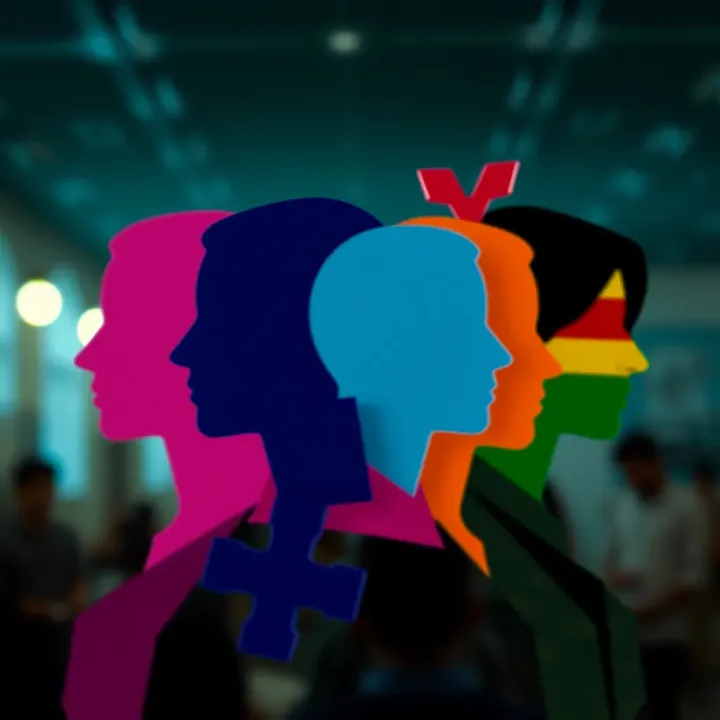
Understanding common non-binary identities and related terms is key to appreciating the diversity of gender beyond the male-female divide. These labels help individuals express their unique experiences of gender in ways that feel authentic and meaningful. For many, recognising specific identities can provide a sense of belonging and clarity. This section aims to unpack popular non-binary labels and how language like pronouns plays a role in respecting identities.
Genderqueer, Genderfluid, Agender Explained
Genderqueer is an umbrella term used by people who don’t fit within traditional gender categories. For example, someone identifying as genderqueer may feel their gender is a mix of both male and female, or something entirely outside that spectrum. It’s a flexible term, often used by those rejecting the gender binary altogether.
Genderfluid refers to individuals whose gender shifts over time. Some days they may feel more masculine, other days more feminine, or somewhere in between. This can change weekly, monthly, or even daily, reflecting a more dynamic understanding of gender.
Agender people identify as having no gender. They do not see themselves as male, female, or in any other gender category. For them, gender might feel irrelevant or non-existent, rather like being neutral in terms of gender identity.
Other Emerging Terms
Beyond these, terms like demigender, bigender, or two-spirit have gained recognition. Demigender describes someone who partly identifies with a particular gender but not completely. Bigender means identifying with two genders, either at the same time or alternating. Two-spirit is a term from some Indigenous cultures acknowledging unique gender identities with spiritual significance. Though not common in Pakistan, awareness helps appreciate the global diversity of non-binary experiences.
Using They/Them and Other Pronouns
Pronouns are a practical way to affirm someone’s gender identity. They/them is a popular gender-neutral pronoun set used by many non-binary individuals. For example, when referring to Ahmed who identifies as non-binary, one might say, "Ahmed said they will join us later." Using correct pronouns respects their identity and avoids confusion. Other pronouns include ze/hir or even returning to he/him or she/her based on preference, so always check and follow what someone requests.
Respectful Language Practices
Respecting non-binary people goes beyond pronouns. Avoid assumptions about gender based on names or appearance. Instead, politely ask if unsure. In formal or professional settings, including pronoun preferences in introductions can normalise inclusion. When writing or speaking, use neutral terms like "person" or "colleague" instead of gendered words like "sir" or "ma’am" where appropriate. Respectful language helps build trust and prevents alienation.
Clear understanding and use of these terms and pronouns make a positive difference in creating inclusive environments, reducing misunderstandings, and supporting non-binary individuals in both Pakistan and beyond.
Whether you are an investor, student, or freelancer, appreciating and respecting these identities fosters stronger connections and smoother interactions in diverse social and professional contexts.
Understanding the lived experiences of non-binary individuals helps shed light on the broader social and legal issues they face daily. This knowledge is crucial for traders, investors, freelancers, and students alike as it promotes empathy, diversity awareness, and inclusive environment-building both professionally and socially in Pakistan and beyond.
Non-binary people often encounter deep-rooted social stigma that results from a lack of awareness and cultural assumptions about gender. In Pakistan, where traditional gender roles remain strongly embedded, expressing a non-binary identity may provoke misunderstanding, discrimination, or exclusion. For instance, a non-binary person might face awkward questions or even rejection at the workplace or during social gatherings simply because others struggle to recognise identities beyond male and female.
Globally, social stigma can translate into harsher realities. Many non-binary individuals report being denied services or opportunities due to misconceptions about their identity. This can affect job prospects, healthcare access, and social support, leaving them isolated or forced to hide their true selves.
Legal systems often require individuals to classify themselves as male or female on official documents like CNICs or passports. For non-binary people in Pakistan, this binary choice can be problematic, as their true identity is not reflected; this creates practical difficulties when applying for jobs, travelling, or accessing government services.
Internationally, some countries have begun offering a third gender option or allowing gender markers to be changed without stringent requirements, but Pakistan’s legal framework remains largely rigid. This lack of legal recognition not only undermines the dignity of non-binary individuals but also exposes them to bureaucratic challenges and limits their rights.
Facing continuous discrimination and misgendering takes a serious toll on the mental health of non-binary people. Studies have shown higher rates of anxiety, depression, and suicidal thoughts within this community compared to the general population. Constant exposure to social rejection and erasure can lead to feelings of invisibility and low self-worth.
In Pakistan, where mental health support is limited and stigma persists, these challenges are even more pronounced. Non-binary individuals may struggle silently due to fear of being misunderstood or judged by family, peers, and professionals.
Despite challenges, there are emerging support networks and resources both online and in Pakistan that aim to help non-binary individuals. NGOs, community groups, and online forums provide safe spaces to share experiences, access counselling, and gather information on legal rights and healthcare.
Accessible mental health services, especially those sensitive to gender diversity, are still developing but are essential. For example, some helplines and organisations encourage training for healthcare providers on gender diversity to improve understanding and reduce discrimination in treatment.
Supporting non-binary people is not just about acceptance; it is about recognising their rights and enabling them to participate fully and safely in society.
Understanding these experiences benefits everyone by fostering inclusive environments where diversity is respected, be it in offices, universities, or marketplaces across Pakistan.
Respecting non-binary identities plays a key role in fostering tolerance and understanding in our diverse society. When people acknowledge and respect others' gender identities, it reduces marginalisation and helps create an environment where everyone feels valued and safe. This respect is not only significant socially but also enhances mental wellbeing and promotes equality, especially in places like Pakistan where such discussions are only gaining momentum.
Using the names and pronouns a person prefers is a straightforward way to show respect. Non-binary individuals might use pronouns such as they/them, ze/hir, or others beyond the traditional he/him and she/her. Asking politely is always acceptable—something like, “What pronouns do you use?” is better than assuming based on appearance. This simple step prevents discomfort and affirms a person’s identity.
Pakistan’s schools, offices, and social groups often follow strict gender norms, so consciously adopting correct pronouns can feel new for many. Still, it fosters inclusion and supports non-binary people’s visibility. For example, addressing colleagues by their chosen names and pronouns during meetings or email communications shows professionalism and respect.
Assuming someone’s gender based on their looks, name, or voice can lead to misgendering, which is disrespectful and hurtful. Instead, approach every new person with an open mind and avoid gendered language like “sir” or “madam” unless you know how they identify.
In everyday situations—like ordering chai at a dhaba or filling forms—taking a moment to use neutral terms or asking respectfully can make a big difference. Avoiding assumptions prevents reinforcing stereotypes and makes social spaces more welcoming for everyone, not only non-binary individuals.
Inclusive spaces allow everyone to bring their full selves without fear of discrimination. Workplaces can start by updating HR policies to include non-binary options in forms, offering gender-neutral washrooms, and encouraging open discussion on gender diversity.
Similarly, schools and universities can include gender diversity topics in their curricula and training sessions. Social gatherings in Pakistan’s mohallas and communities may also become more accepting by recognising and respecting gender diversity. This inclusion leads to better teamwork, mental health, and productivity.
Organising awareness sessions and gender-sensitivity training helps break down myths and misinformation about non-binary identities. These programmes equip people with the knowledge and language needed to respect diverse identities.
Such training is especially useful for managers, teachers, and community leaders who influence others. For instance, a school principal trained in gender inclusivity can create safer learning environments and policies that support non-binary students. Awareness boosts empathy and helps Pakistan’s society progress towards fairness and dignity for all.
Respecting non-binary identities is not just about compassion—it's about recognising human rights and making our communities stronger and more inclusive for everyone.
📊 Understand binary options trading in Pakistan—how it works, risks involved, plus pros and cons to make informed decisions before you trade.
🌈 Explore what it means to be non-binary in Pakistan and beyond, addressing identity, experiences, misconceptions, and ways to support this diverse community thoughtfully.
Master binary number subtraction 🔢 with clear explanations on borrowing and methods. Compare it with decimal subtraction for digital computing 📊 insights.
Explore binary multiplication concepts and methods 🧮, learn practical steps and challenges, and see how it powers computing systems ⚙️ in Pakistan and beyond.
Based on 6 reviews