

Best Crypto Trading Platforms for Pakistani Users
Explore top crypto trading platforms for Pakistani users 🇵🇰! Learn how to pick secure, legal options that match your trading style and needs 💰🔒
Edited By
Thomas White
Crypto trading platforms have become a popular way to invest and trade digital currencies in Pakistan. These platforms serve as the gateway for buying, selling, and exchanging cryptocurrencies like Bitcoin, Ethereum, and others using Pakistani Rupees (Rs). Understanding how these platforms work helps Pakistani traders make informed decisions in a market that can be volatile and risky.
These platforms typically offer two main types of services: a marketplace where users trade with each other and brokerage-like services where the platform itself facilitates buying or selling. Some platforms also provide advanced tools like chart analysis, margin trading, and automated trading bots, which may appeal to more experienced traders.
Security and trustworthiness rank among the top concerns for Pakistani users when choosing a crypto trading platform, especially given the regulatory uncertainties and risks of cyber theft.
Local regulations affecting cryptocurrencies remain somewhat ambiguous in Pakistan, with the State Bank of Pakistan (SBP) not officially recognising crypto as legal tender. However, many people still trade cautiously through registered platforms or peer-to-peer networks. It is vital to select platforms that comply with Pakistan Telecommunication Authority (PTA) or other national standards where applicable, and regularly update their security protocols.
Key features Pakistani traders must check include:
Ease of deposit and withdrawal in PKR via popular methods like JazzCash, Easypaisa, or bank transfers
User-friendly interface that supports Urdu or English
Low transaction fees to reduce trading costs
Strong security measures like two-factor authentication and cold storage
Customer support within Pakistan or available in local time zones
Choosing the right platform demands comparing these features against your trading goals and risk tolerance. For instance, beginners may prefer simpler apps with explanatory guides, while professional traders might need fast execution speeds and detailed analytics.
In summary, crypto trading platforms give Pakistani traders access to a global digital asset market, but one must approach with care, especially regarding platform reliability and local market conditions. This guide will unpack these aspects step by step to help Pakistani users trade safely and effectively.
Crypto trading platforms act as the central hubs where traders buy and sell cryptocurrencies like Bitcoin, Ethereum, or local tokens popular in Pakistan. These platforms provide the necessary infrastructure to connect buyers and sellers, display real-time market prices, and execute trades efficiently. For Pakistani investors, understanding these platforms is vital to navigate the growing digital currency market safely and effectively.
A crypto trading platform is an online service that enables users to trade different cryptocurrencies. Unlike traditional stock exchanges such as the Pakistan Stock Exchange (PSX), these platforms operate 24/7, allowing continuous trading across the globe. Their primary purpose is to simplify the process of exchanging digital assets by providing features like wallet integration, market analysis tools, and order management.
The convenience they offer is especially important for Pakistani traders who may rely on local payment methods such as bank transfers or mobile wallets like JazzCash and Easypaisa for deposits and withdrawals. A reliable platform also addresses security concerns, which are paramount given the frequent news about digital theft and scams.
These platforms function as intermediaries that match buy and sell orders submitted by users. For example, if you want to buy 0.5 Bitcoin (BTC), the platform searches its order book to find a seller willing to trade that amount at your desired price.
Most platforms support different order types like market orders, which execute immediately at the best available price, or limit orders, which allow you to set a specific price. Trading involves a fee, usually a small percentage of the transaction, which differs between platforms.
Behind the scenes, crypto platforms maintain wallets to hold user funds securely. Some keep funds in cold storage (offline wallets) to prevent hacking, while active funds remain in hot wallets for quick access. They also provide real-time price feeds, charts, and technical indicators to help traders make informed decisions.
For Pakistani users, it's important to select platforms supporting local currency deposits or easy conversion to US dollars or stablecoins, as this eases fund management amid fluctuating exchange rates.
A good crypto trading platform balances ease of use, security, and access to a diverse crypto market — factors every Pakistani trader should carefully consider before starting.
Together, understanding these basics helps Pakistani traders to engage confidently with crypto markets, avoiding pitfalls and maximising potential gains.
Finding the right crypto trading platform is as important as knowing which coins to trade. Especially for Pakistani traders, certain features can make a big difference in daily usability, security, and potential profits. Let's break down the key features you should consider before settling on a platform.
A diverse selection of cryptocurrencies and trading pairs ensures flexibility. If you want to trade Bitcoin (BTC) against Tether (USDT) or look for emerging tokens like Solana (SOL) or Polkadot (DOT), the platform should support these pairs. Local preferences matter too; for example, platforms that include Pakistani Rupee (PKR) pairs or popular stablecoins can simplify deposit and withdrawal processes. Without adequate variety, you might miss out on profitable trades or find it tricky to convert between currencies.
A clear and responsive user interface saves time and reduces errors, especially during volatile markets. The platform should work well on mobile devices since many Pakistani traders rely on smartphones. Features like easy chart analysis, straightforward order placement, and quick wallet access matter most. Some platforms offer demo accounts for practice, which helps beginners avoid costly mistakes. Accessibility also means the platform should run smoothly even with moderate internet speeds, accounting for Pakistani network variabilities.
Trading costs can eat into your profits fast. Look for transparent fee structures covering trading fees, deposit and withdrawal charges, and hidden costs. Some platforms charge a flat fee per trade, while others use a percentage model that varies with trading volume. For instance, lower fees on high-volume trading are common on Binance. Pakistani users should also check conversion fees when adding funds from local banks or e-wallets like JazzCash or Easypaisa. Comparing fee breakdowns avoids surprises and helps keep your trading budget on point.
Liquidity reflects how easily you can buy or sell an asset at the desired price. High liquidity means tighter spreads and less slippage, essential for active traders. Platforms with large daily trading volumes attract more users and usually offer faster order execution. For example, Binance and Coinbase have huge liquidity pools, making them preferable for serious trading. On the other hand, smaller or niche exchanges may suffer delays and price swings. Always check the average daily volume of the coins you intend to trade before committing.
Choosing a crypto trading platform isn't just about fancy tools or big names. Focus on these core features to ensure safe, cost-effective, and smooth trading — especially given Pakistan's unique financial landscape and infrastructure.
Once you're confident these basics are in place, you can trade smarter without unnecessary risks or headaches.
When dealing with crypto trading platforms, security can't be overlooked. Pakistani traders especially need to be aware of the protective measures platforms offer and the risks they might face. Crypto assets are digital and highly targeted by hackers or scammers, so understanding core security features helps safeguard investments and personal data.
Two-Factor Authentication (2FA) is a simple but effective method to add a second layer of security. Instead of just relying on a password, users must verify their identity through a second factor, often a one-time code sent to their mobile device or generated by an app like Google Authenticator. For Pakistani traders, enabling 2FA can prevent unauthorised access even if someone steals a password, reducing chances of account compromise.
Cold Storage of Funds refers to keeping the majority of customers’ cryptocurrencies offline, away from internet access. When funds are stored in "cold wallets," they aren't vulnerable to online hacking attempts. Many top platforms keep 90% or more assets this way. This practice is vital because even if hackers target the platform, they cannot drain funds easily. Pakistani users should prefer platforms that clearly mention their cold storage protocols.
Encryption Techniques protect data transmitted between traders and platforms. Secure platforms use strong encryption standards like SSL/TLS to prevent attackers from intercepting sensitive information such as passwords or payment details. Additionally, some platforms encrypt stored data, so even if breached, data remains unreadable without the decryption key. Traders in Pakistan should ensure the platform’s website URL begins with "https://" and check for padlock icons as basic signs of encryption.
Hacking and Cyber Attacks are among the biggest threats to traders. Despite security measures, no platform is completely immune. Large exchanges may face Distributed Denial of Service (DDoS) attacks, where attackers overload servers to disrupt service, or direct hacking attempts to steal funds. In Pakistan, where internet stability can vary, such attacks may cause delays or prevent traders from accessing accounts, potentially leading to losses.
Fraud and Scams are common, especially with lesser-known or unregulated platforms. Scam platforms may promise high returns but vanish once they collect deposits. Some might manipulate prices or perform "wash trading" to mislead users. Pakistani traders should look for platforms with transparent operations and positive reviews and avoid those offering unrealistic profits. Awareness and due diligence reduce exposure to these dishonest schemes.
Market Volatility is inherent to cryptocurrencies but poses risk to traders unprepared for rapid price swings. Platforms may sometimes halt trading or impose limits during extreme volatility, impacting the ability to buy or sell at desired prices. This unpredictability can cause emotional decisions or financial losses. Keeping an eye on global news, using stop-loss orders, and practising disciplined trading can help Pakistani traders manage this risk.
Protecting your crypto assets involves choosing platforms with strong security features and staying aware of common risks. No system is foolproof, but understanding these factors goes a long way to trade smarter and safer.
In summary, security measures like two-factor authentication, cold storage, and encryption are critical for protecting investments on crypto trading platforms. Meanwhile, risks such as cyber attacks, fraud, and volatile markets require vigilance and informed decisions, especially in the Pakistani trading environment.
Understanding the regulatory environment for crypto trading in Pakistan is essential for anyone looking to participate in this market safely and legally. Clear rules help protect your investments and avoid legal troubles, while unclear or evolving regulations can create uncertainty about how to operate. This section breaks down the current legal scenario, how these rules affect trading platforms, and practical tips to stay on the right side of the law.
Pakistani authorities have taken a cautious stance on cryptocurrencies. The State Bank of Pakistan (SBP) has not granted licences to any crypto exchanges operating within Pakistan and has repeatedly warned against using cryptocurrencies as a legal tender. Essentially, cryptocurrencies are not recognised as legal currency in Pakistan, and trading them is considered risky under current laws.
However, crypto trading itself is not explicitly banned by any specific law. Many Pakistanis continue to trade through foreign platforms, but this often happens in a legal grey area. For example, banks remain hesitant to process payments related to cryptocurrencies, and local payment methods like JazzCash and Easypaisa usually restrict transfers for crypto purchases due to SBP guidelines.
Due to the unclear status, many global crypto trading platforms limit access to Pakistani users or impose strict rules for account creation. For instance, platforms like Binance, Coinbase, and Kraken often require thorough identity verification (KYC) to comply with international anti-money laundering (AML) regulations.
This regulatory pressure means Pakistani traders must choose platforms carefully. Those without proper compliance risks may suddenly block withdrawals or freeze funds, leaving users helpless. Moreover, penalties for using unregulated platforms can include account suspensions by Pakistani banks or even investigations by financial regulators.
To trade crypto safely in Pakistan, follow these practical steps:
Use trusted platforms: Stick to platforms that have robust security and compliance protocols.
Complete KYC requirements: Providing accurate identification helps avoid problems with withdrawals or blocked accounts.
Avoid local payment channels for crypto: Since Pakistani banks generally do not support crypto payments, consider international bank transfers or peer-to-peer (P2P) trading options carefully.
Keep records of transactions: Maintain a clear history of trades and transfers in case of any future regulatory scrutiny.
Stay updated on SBP and FBR announcements: Regulations can change, and staying informed helps you adjust trading strategies accordingly.
Crypto trading in Pakistan requires vigilance regarding regulations, as this ensures your investments remain safe and legal.
Understanding the regulatory environment adds an important layer of protection when trading cryptocurrencies. While the situation is evolving, following the current rules and adopting cautious practices can make a big difference for Pakistani traders.
Selecting the right crypto trading platform is vital for any Pakistani trader due to local challenges like regulatory uncertainties, currency exchange restrictions, and payment method limitations. A good platform not only offers a secure environment for trading but also fits well with the Pakistani market's specific needs. Knowing what to prioritise can save time, reduce risks, and improve trading outcomes.
Checking a platform’s reputation is one of the first steps. Look for user feedback not just on the platform’s own site but on independent forums and social media groups frequented by Pakistani traders. For example, platforms like Binance and Coinbase often come recommended, but recent experiences shared by local users about withdrawal delays or customer support quality will give you a clearer picture. Focus on how the platform handles issues, uptime reliability, and transparency about fees or sudden policy changes.
Not all platforms support payment methods accessible to Pakistanis. The availability of local deposit and withdrawal options like JazzCash or Easypaisa can make a massive difference. Some international exchanges accept bank transfers, but many Pakistani banks still hesitate to process crypto-related transactions due to regulatory grey areas. Select platforms that offer multiple Pakistani-friendly payment methods or at least allow easy conversion from PKR to major currencies for trading. Avoid platforms that rely solely on international credit cards or require complicated forex procedures, which can delay your trading activities.
A platform’s customer service can significantly impact your trading experience. Look for those offering multilingual support, preferably with Urdu-speaking staff or at least easy-to-navigate support systems. Prompt resolution of queries, especially about transactions or account security, is crucial. User experience goes beyond support; the platform should be easy to use on mobiles since many Pakistani traders prefer trading via smartphones. For example, platforms with clear dashboards, intuitive navigation, quick loading times, and mobile apps designed for Android and iOS devices tend to satisfy users better.
Remember, a crypto trading platform that aligns with local payment options, has a strong reputation, and offers practical support can protect you from common trading headaches in Pakistan’s unique financial landscape.
Choosing wisely involves balancing security, convenience, and compliance to get the most out of your crypto trades in Pakistan.
Explore top crypto trading platforms for Pakistani users 🇵🇰! Learn how to pick secure, legal options that match your trading style and needs 💰🔒

Explore crypto trading courses designed for Pakistani investors 🇵🇰. Learn key topics, start trading safely, and overcome challenges in Pakistan’s crypto scene 📈💡.
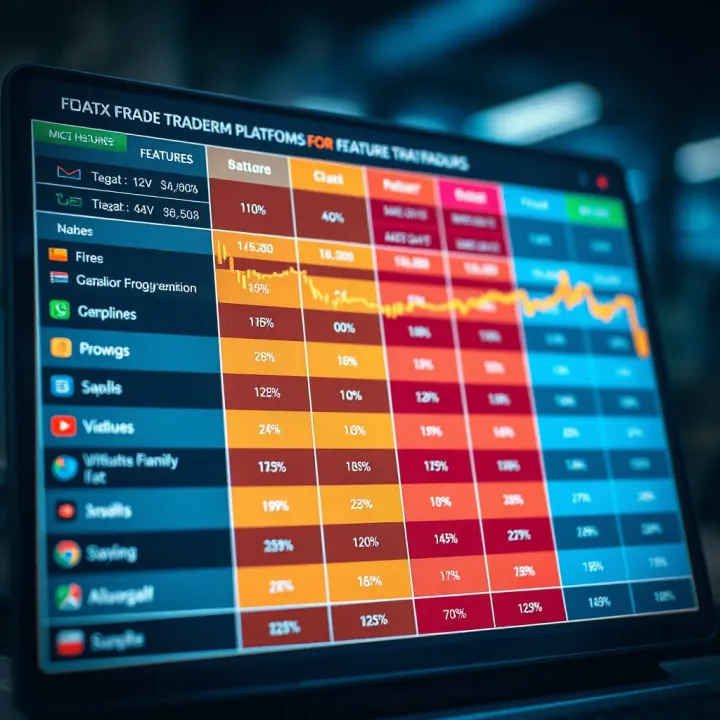
Discover how to choose the best forex trading platform for Pakistani traders 🇵🇰. Compare features, fees, and tools to succeed in Pakistan’s forex market 📈.
Find the best crypto trading platform in Pakistan 🇵🇰 with expert tips on security, fees, regulations, and popular options to trade confidently today! 💰
Based on 12 reviews