
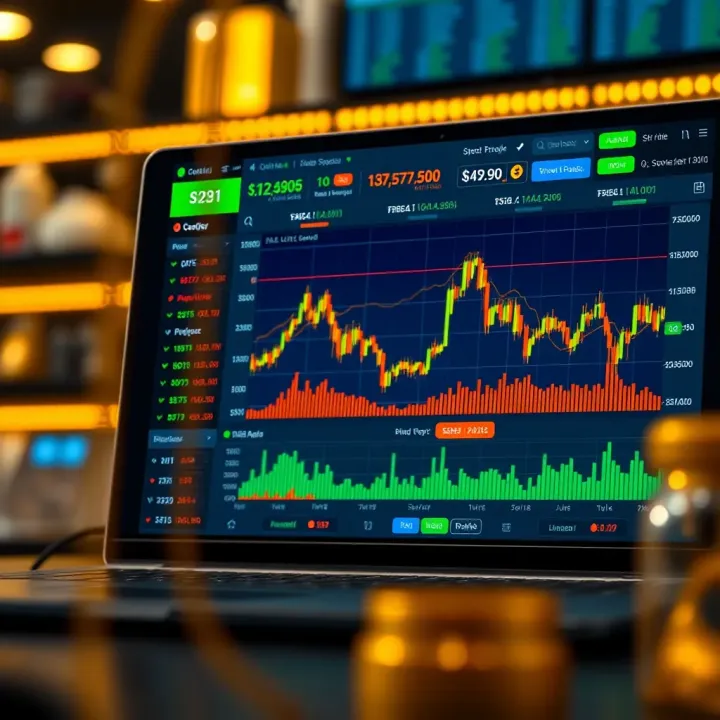
Live Gold Trading Guide for Pakistani Investors
Explore live gold trading in Pakistan 📈: platforms, risks, market factors, regulations and practical tips for investors to maximise profit in real-time gold markets.
Edited By
Isabella Reed
Gold prices don't just sit still—they're constantly moving due to several key factors that influence the market in real time. For traders and investors, knowing what makes gold prices tick can directly affect your decisions and outcomes.
Supply and Demand: Simply put, when demand outpaces supply, prices rise. The opposite pushes prices down. For example, if mining output drops because of labor strikes or natural disasters, supply tightens, and prices usually spike.
Geopolitical Events: Gold often acts as a safe haven during uncertain times. Political unrest, trade disputes, or economic sanctions can spur investors to buy gold, pushing the price up quickly.
Currency Fluctuations: Because gold prices are set in US dollars, a weaker dollar means gold becomes cheaper for holders of other currencies, generally increasing demand and price.
Interest Rates and Inflation: Lower interest rates reduce opportunities for interest-bearing assets, making gold more attractive. Likewise, inflation worries prompt investors to seek gold as a hedge.
Live gold price data comes from major exchanges like the COMEX in New York and the London Bullion Market Association (LBMA). Prices update every second during trading hours, reflecting supply and demand instantaneously.
Using up-to-the-minute data allows traders to react promptly—say, spotting a sudden jump after economic news releases or central bank statements. For example, when the US Federal Reserve hints at rate changes, gold prices often respond within moments.
Monitor Key Markets: Watch activity in COMEX and LBMA, but remember that Asia's Shanghai Gold Exchange also plays a big role, especially during US market off-hours.
Combine with Economic Indicators: Don’t just watch prices; track inflation reports, interest rate announcements, and major geopolitical developments.
Set Alerts: Most trading platforms offer price alerts. Use them to stay nimble without staring at the screen all day.
Gold prices reflect a complex interplay of economic, political, and market factors. Staying informed with live data is a must for anyone serious about trading or investing in gold.
Following these points can help you understand what drives gold prices today and how to use live pricing to your advantage, whether you're investing, trading, or simply curious about market trends.
Understanding how the international gold market operates is key to tracking live prices and making smart trading or investment decisions. This market isn't centralized like the stock market; instead, it’s a network of players and exchanges functioning around the clock across different time zones. Knowing who controls the flow and how trading hubs operate offers valuable insights for anyone looking to navigate this market.
Role of bullion banks and investors: Bullion banks act as major intermediaries by buying and selling large amounts of gold. They play a vital role in providing liquidity to the market, meaning they ensure there’s always gold available for trading which helps keep prices stable. Big institutional investors, hedge funds, and even national governments influence the market by deciding when to buy or sell, often reacting quickly to economic news or political events. For example, when a central bank like the Federal Reserve signals policy changes, bullion banks adjust their positions accordingly, which can ripple through global gold prices.
Overview of key exchanges like COMEX and London Bullion Market: COMEX, based in New York, and the London Bullion Market are two of the largest trading centers for gold. COMEX is famous for its futures contracts, which set gold prices for delivery months ahead. The London Bullion Market, meanwhile, operates mainly in physical gold transactions and spot prices. These hubs anchor global price benchmarks and help unify price discovery despite geographic distance. If you tuned into COMEX during the New York trading day, the prices you see would differ slightly from London prices, reflecting local supply-demand conditions but generally staying in close sync.
Influence of global supply and demand: Gold’s price reacts to how much supply miners and sellers offer versus how much investors and consumers want to buy. For instance, if new mining output drops suddenly—like when a mine closes in South Africa—supply tightens. On the demand side, jewelry purchases during seasons like Diwali in India or gold ETFs rising in the U.S. can push prices higher. Demand from emerging markets and central banks also plays a big role. The interplay of supply and demand worldwide constantly shifts gold prices in real time.
Market opening and closing hours worldwide: Gold trading never truly sleeps since global markets spread across time zones, from Asia to Europe to the U.S. The London market typically opens around 3 AM ET and closes around noon ET. When London closes, the New York market takes over until about 6 PM ET. Asian markets like Hong Kong and Shanghai operate earlier local hours, impacting prices before Europe and America start trading.
Knowing these times matters because traders watch each session for fresh price movements and economic data releases. If you’re tracking gold live, you’ll notice pricing shifts around market openings and closings, reflecting new orders and news flow.
How prices adjust with global trading sessions: Because gold trades continuously worldwide, prices update as different regions come online. Asian markets often set the tone early for the day, influenced by data from China or India. European traders add volume mid-day, responding to economic reports from the EU. Finally, the U.S. session can cause the sharpest moves, especially during Federal Reserve announcements or key economic releases.
Prices can swing quickly during these handoffs, reflecting changing sentiment and liquidity. So, the gold market’s global nature means understanding which market is active can help you interpret price moves correctly and time your trades better.
The bottom line is that the international gold market’s round-the-clock nature and the roles of key players and exchanges create a dynamic environment where prices constantly adjust to new information across continents.
The daily movements in gold prices reveal a lot about global financial health and investor sentiment. Traders and investors keep a close eye on specific factors that push prices up or down because these shifts can hint at broader economic trends and market stability. Understanding what drives gold prices helps you make smarter decisions, whether you’re buying, selling, or tracking the market.
Inflation often nudges gold prices higher. When the cost of living climbs, people tend to flock to gold as a safe haven since it typically holds value better than paper currency. For example, during periods of rising inflation in the U.S., like the recent spikes in 2021-2022, gold prices saw noticeable gains as investors sought to protect their purchasing power.
On the flip side, the strength of the U.S. dollar plays a tug-of-war role. A stronger dollar usually pushes gold prices down since gold is priced in dollars globally—when the dollar gets tougher, gold becomes pricier for holders of other currencies, lowering demand. A recent case is the dollar rally in early 2023, which coincided with a dip in gold prices.

Interest rates set by institutions like the Federal Reserve can significantly shape gold's price path. When rates rise, gold often takes a hit because the metal doesn't pay interest or dividends, making income-generating assets more attractive.
For instance, in 2018, the Fed raised interest rates multiple times, and gold prices retreated from their previous highs. Conversely, when central banks ease monetary policy or cut rates, gold tends to shine, as borrowing costs drop and concerns about inflation rise. Understanding these moves helps investors anticipate potential shifts in gold prices and adjust their strategies accordingly.
Gold has long been seen as a refuge during geopolitical turmoil. Events like wars, trade disputes, or political instability spike uncertainty, prompting investors to pile into gold for safety. For example, the U.S.-China trade tensions in 2019 pushed gold prices up as markets grew jittery about the economic outlook.
Similarly, in the face of sudden conflicts, like the 2022 war in Ukraine, gold prices surged as investors scrambled away from riskier assets. These reactions highlight how global unrest directly influences gold's appeal and price.
Market uncertainty triggers a shift in investor behavior, often boosting demand for gold. When stock markets waver or economic forecasts dim, investors tend to reduce exposure to volatile assets and increase holdings in gold.
During the 2020 pandemic-induced market crash, gold gained around 25% as many looked to it for stability amid teetering stock prices. This kind of behavior isn’t random but based on gold's reputation as a reliable store of value when confidence in other asset classes weakens.
Bottom line: Tracking how economic signals and geopolitical disruptions move gold prices helps investors spot patterns and prepare for what’s next.
By paying attention to inflation trends, currency shifts, interest rate changes, and global events, you can read the market’s mood and make smarter investment choices in real-time gold trading.
Tracking gold prices in real time is vital for investors, traders, and even curious consumers. The gold market operates across numerous time zones and exchanges, so prices shift throughout the day based on trading activity, geopolitical developments, and economic data. Keeping an eye on live prices helps you spot opportunities, avoid unexpected losses, and make informed decisions whether you’re buying physical gold or trading contracts.
Several trusted websites provide live updates on gold prices with charts and market summaries. Platforms like Kitco, Bloomberg, and CNBC offer comprehensive coverage, showing current spot prices along with historical trends. These sites pull data from major gold exchanges such as COMEX in New York and the London Bullion Market, ensuring accuracy. For example, if the US dollar dips noticeably during Asian trading hours, these platforms reveal how gold prices respond immediately, giving you a clear market pulse.
Financial news outlets also layer commentary and analysis on top of real-time prices. You might check Reuters or MarketWatch to understand the influence of recent Fed announcements or geopolitical tensions. These insights add context that basic charts can’t offer, helping you interpret gold price movements beyond just numbers.
For on-the-go tracking, mobile apps like Investing.com, Bloomberg, and the Kitco app bring quick alerts and price notifications straight to your phone. These apps often let you customize alerts for price thresholds or percentage moves, so you don’t miss a beat amid a busy day. Traders especially benefit from this feature when markets swing fast due to breaking news or policy changes.
Plus, many apps include interactive charts and portfolio tracking that sync with your desktop experience. This convenience means you can monitor gold prices anytime, anywhere—whether you’re commuting, watching the news, or at a conference.
The spot price of gold is the current market price for immediate delivery. It reflects what buyers and sellers agree to pay right now, based on the latest transactions in major exchanges. Spot prices guide physical gold purchases and are considered the benchmark for pricing in the market. If you walk into a gold dealer today, the price you’re quoted typically tracks the spot price closely.
Spot prices can fluctuate minute-by-minute as trading activity shifts globally. For instance, a geopolitical event triggering risk aversion may push the spot price up quickly as investors seek safe-haven assets.
Futures contracts lock in a gold price for delivery at a set time in the future, usually monthly. These contracts are traded on exchanges like COMEX and give insight into market expectations about gold’s price development. If futures prices for six months out are significantly higher than the spot price, traders might expect rising demand or inflation.
Futures are useful for hedgers—like miners or jewelers—who want to manage price risk. They also help speculators bet on price moves without holding physical gold. Monitoring futures alongside spot prices can reveal shifts in market sentiment, aiding in smarter investment choices.
Staying current on both spot and futures prices is key to understanding real-time gold price dynamics and making timely decisions in a fast-moving market.
The bottom line: solid knowledge of where and how to follow gold prices live arms you with a competitive edge. Whether using reputable websites, mobile apps, or grasping the difference between spot and futures, these tools let you act with confidence in today’s complex international market.
Investors rely on interpreting gold price movements because it directly impacts their strategies for buying, selling, and managing risk. Understanding how prices fluctuate helps spot opportunities and avoid pitfalls in a market known for volatility and reacting swiftly to global events.
Identifying price trends and entry points is key to making smart investment moves. For example, if gold consistently trends upward over weeks, an investor might decide it’s a good time to buy before prices climb higher. Conversely, spotting a downtrend early can signal a chance to sell before losses deepen. Platforms like Bloomberg or Kitco can provide charts showing daily, weekly, and monthly price movements, helping investors pinpoint these trends.
The practical benefit is clear: timing matters. Imagine an investor eyeing gold as a hedge against inflation. If they jump in at a peak without recognizing a looming price drop, they could end up holding losses. But by using live price data to track trends, they find an entry point after a dip—maximizing potential gains.
Risk management based on market volatility means adjusting your approach when prices swing unexpectedly. Gold can jump on geopolitical news or economic data releases, sometimes spiking or plunging within hours. Investors need to set limits—known as stop-losses—to prevent large losses if prices move against their positions.
Consider the 2020 COVID-19 market crash. Gold’s price first dipped sharply but then surged as investors sought safe assets. Those without a risk plan either missed gains or suffered from sudden drops. Using volatility measures like the Average True Range (ATR) indicator helps investors adjust these stop-loss thresholds dynamically.
Gold plays a simple but powerful role in reducing investment risk. Its price often moves opposite to stocks and bonds, so when the markets shake, gold can cushion losses. This behavior makes it a popular asset in unpredictable times.
For instance, during the 2008 financial crisis, while the S&P 500 dropped around 37%, gold prices increased by nearly 5%. This offset helped investors avoid deeper portfolio damage. Including even a modest share of gold in your investment mix can provide peace of mind.
Balancing gold holdings with other assets requires a strategic approach. Too much gold can limit growth when stock markets rally since gold typically lags in strong bull markets. Most financial advisors recommend keeping gold between 5% and 15% of your portfolio, depending on your risk tolerance and goals.
For example, an investor in their 30s with higher risk tolerance might lean toward less gold, focusing on growth assets like tech stocks. Meanwhile, a retiree may prefer a heavier gold allocation to preserve wealth. The bottom line is adjusting your gold balance according to market conditions and personal financial plans.
Understanding gold price movements equips investors to time decisions better, manage risks, and create well-rounded portfolios that stand strong through market ups and downs.
Understanding how gold prices vary around the world is key for investors and traders who want to make smart, informed decisions. Gold doesn’t trade at a uniform price everywhere; local factors can cause notable differences. Looking at prices across major regions like the US, Europe, and Asia helps you spot opportunities and avoid surprises.
Gold prices in the US are often considered a benchmark, heavily influenced by the COMEX exchange in New York. These prices tend to lead the market because the US dollar is the world’s primary reserve currency, and many gold contracts are priced in USD. European gold prices, tracked closely via the London Bullion Market, can show slight variation due to local demand and different currency effects, especially with the euro. Meanwhile, Asian markets, like those in India and China, sometimes reflect higher premiums as gold is culturally prized and demand often outpaces supply.
These regional price gaps matter because they affect how much investors and consumers pay locally. For example, an Indian buyer may pay more per ounce than an American buyer, even on the same trading day. This impacts importers, jewelers, and even central banks managing gold reserves.
Several reasons drive differences among regions. Local taxes, import duties, and government regulations can tilt prices either up or down. For example, India imposes import tariffs on gold that raise prices beyond international rates. Also, variations in local demand, like festival seasons in Asia or holiday buying in the US, influence price spikes.
Meanwhile, logistical costs such as shipping and insurance add to local prices, especially when moving gold across continents. Political stability and economic policies also come into play—if investors worry about a country’s economy, they might hoard physical gold, creating scarcity and pushing prices higher.
Since gold is typically priced in US dollars globally, fluctuations in exchange rates directly impact what buyers pay in their local currencies. When the dollar strengthens, gold becomes more expensive in other currencies, which can dampen demand internationally. Conversely, a weaker dollar means gold prices drop for holders of other currencies, sometimes spurring buying.
For instance, a European investor converting euros to dollars for gold will find their costs rising if the euro weakens against the dollar. This dynamic can cause sudden shifts in demand unrelated to gold’s intrinsic value.
Traders and investors dealing across borders often use exchange rate hedging to manage currency risk. This might involve forward contracts or options to lock in currency rates and avoid unexpected losses. Some also diversify their holdings by buying gold in various markets to balance out regional price differences and currency swings.
Additionally, timing trades around currency movements can improve returns. Buying gold in USD during weak dollar periods and selling when the dollar recovers might yield better profits. Paying attention to both gold price trends and currency charts gives traders an edge in international gold markets.
Bottom line: Watching how gold prices shift across regions and currencies helps you make smarter trading or investment moves. Ignoring these variations risks paying more or missing chances to maximize returns.
Overall, understanding global market insights isn’t just academic—it’s practical for anyone dealing with gold today. Keeping tabs on regional prices and exchange rates can turn complex international markets into workable opportunities.
Explore live gold trading in Pakistan 📈: platforms, risks, market factors, regulations and practical tips for investors to maximise profit in real-time gold markets.
📈 Discover today’s gold trading forecast with key trends affecting prices globally and in Pakistan. Learn how currency shifts and demand impact your investments. 💰

Learn how to convert binary numbers to hexadecimal with easy steps and practical tips. Useful for Pakistani students, engineers, and IT professionals 💻🔢
Learn to write a clear C++ program converting decimal to binary numbers 🖥️. Step-by-step logic, coding tips, and testing advice for Pakistani developers.
Based on 11 reviews