
Understanding Today’s Economic Calendar
📊 Know today's economic calendar with key indicators and reports shaping markets. Learn how Pakistani traders, investors, and businesses use this data for smart decisions.
Edited By
Henry Morgan
The euro exchange rate determines how much one euro is worth compared to another currency, mainly the US dollar. It plays a huge role in everyday finances, whether you’re a trader buying stocks, a business importing goods, or a traveler planning a trip to Europe.
At its core, the euro exchange rate is a snapshot of how the euro stacks up globally. It fluctuates constantly because of supply and demand in foreign exchange markets. For example, if investors expect the European Central Bank (ECB) to raise interest rates, the euro often gains strength because higher rates attract investment.
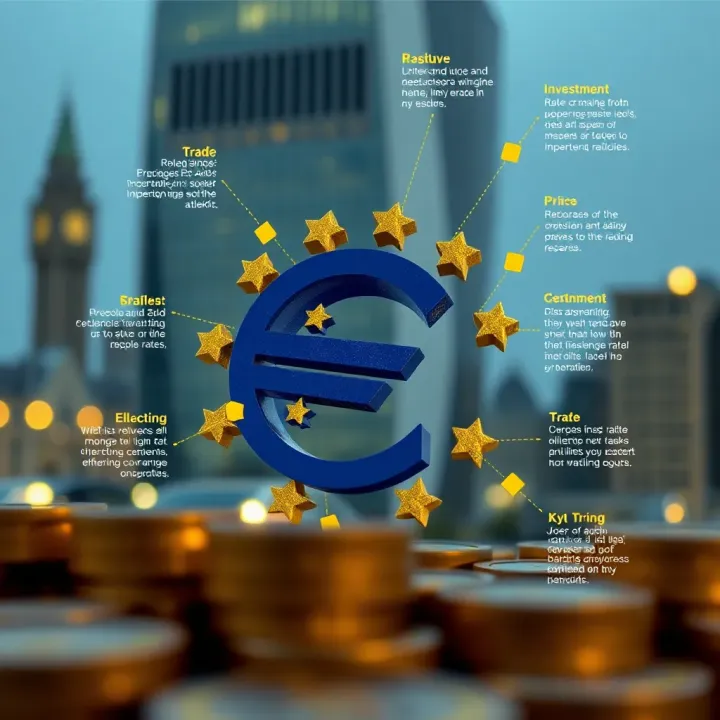
Here’s what usually moves the euro exchange rate:
Economic Indicators: GDP growth, employment data, and inflation rates in eurozone countries influence confidence in the euro.
Monetary Policy: Actions by the ECB, like changing interest rates or bond-buying programs, shift currency values.
Political Events: Elections, trade negotiations, or geopolitical tensions can spark rapid changes in the rate.
Market Sentiment: Traders’ perceptions about risk impact whether they buy or sell euros.
The euro’s value directly impacts exporters and importers. A stronger euro makes European exports pricier overseas but lowers costs for European companies buying imported products.
Consider a US-based company sourcing goods from Germany. If the euro strengthens from $1.10 to $1.20, that company’s costs jump 9%, squeezing profit margins unless prices adjust.
In recent trends, factors like inflation shifts, ECB policy tweaks, and global unrest around energy supplies have caused notable swings in the euro’s rate. For instance, spikes in energy prices in 2023 combined with ECB rate hikes led to fluctuations that affected both markets and consumers.
For those trading currencies or investing internationally, keeping tabs on these influences helps forecast euro movements and manage risks better. Students learning finance will find the euro exchange rate a practical example of market forces at work.
Understanding these basics sets the stage for diving deeper into what drives the euro exchange rate, how it shapes economies, and what trends to watch next.
Understanding how the euro exchange rate is determined is key for traders, investors, and anyone involved in international finance. The exchange rate doesn’t just pop out of nowhere; it's shaped by a mix of market dynamics, central bank decisions, and economic data. Getting a grip on these factors helps you predict possible movements and make smarter decisions, whether you’re trading currencies, planning business deals, or managing investments.
The euro’s exchange rate mainly hinges on supply and demand in the global currency market. When demand for euros is high—say, because European products are popular or investors want to park money in Europe’s assets—the euro’s value tends to rise. Conversely, if traders sell euros in favor of other currencies, its value drops. For example, if a US company needs euros to buy goods from Germany, that demand nudges the euro up. Similarly, if Europeans are buying more American goods, they’ll exchange euros for dollars, pushing the euro down.
The European Central Bank (ECB) plays a big role in steering the euro's value through its monetary policies. If the ECB raises interest rates, it usually attracts foreign capital, making the euro more appealing and strengthening its exchange rate. On the flip side, if the ECB lowers rates or ramps up bond-buying programs, that can weaken the euro as investors look elsewhere for better returns. For instance, the ECB's decisions during economic slowdowns often signal how robust the euro will be, directly impacting markets worldwide.
Economic indicators provide a snapshot of Europe’s overall health and strongly influence the euro exchange rate.
GDP growth numbers show whether the Eurozone economy is expanding or contracting. Strong growth generally means higher confidence in the euro because a booming economy attracts investments. For example, if quarterly GDP data reveals steady growth in major countries like Germany or France, traders tend to buy euros anticipating profits from European markets. On the other hand, shrinking GDP signals possible trouble ahead, prompting investors to pull back, which can drag the euro down.
Inflation measures how quickly prices rise and affects the euro’s value because it influences the ECB’s policy choices. If inflation climbs above the ECB’s target (usually around 2%), the bank might hike interest rates to cool things off, which often supports the euro. But if inflation is too low or turns negative (deflation), the ECB may lower rates or inject stimulus, weakening the euro. For example, recent spikes in energy costs across Europe have complicated inflation readings, sparking speculation about quicker ECB rate hikes and shifting the euro’s direction.
Unemployment rates reveal labor market strength and economic resilience. Lower unemployment usually points to a healthy economy, which can boost the euro as businesses and consumers spend more. Conversely, rising joblessness signals economic stress, weakening the euro. Take Spain and Italy’s unemployment trends as examples: improvements can lift euro investor confidence, while spikes raise alarms and often trigger euro sell-offs.
The bottom line is that the euro’s exchange rate is driven by a mix of straightforward market forces and nuanced economic signals. Keeping an eye on supply-demand shifts, ECB decisions, and economic data like GDP, inflation, and unemployment gives you an edge in understanding what moves the euro.
Exchange rates rarely stand still, and the euro is no exception. Various factors can make the euro's value swing in ways that catch traders, investors, and businesses off guard. Grasping these causes isn’t just academic—it’s practical. Knowing what moves the euro helps you make smarter trades, anticipate shifts in import-export costs, and plan travel budgets better.
Political stability—or the lack of it—influences confidence in a currency heavily. In the eurozone, elections, government crises, or policy disagreements among member countries can rattle investors. For example, uncertainty during the 2015 Greek debt crisis caused a noticeable dip in the euro’s value as investors feared possible fallout or even Greece exiting the eurozone. Conversely, a stable, cooperative political atmosphere usually reassures markets, supporting the euro’s strength. When political tensions rise, the euro often weakens because traders see more risk.
Trade agreements between the European Union and other countries or regions can impact the euro by changing the flow of goods and capital. When new deals lower tariffs or open markets, European exporters gain better access, which can boost economic growth and attract investment. For instance, if the EU signs a free trade agreement with a major economy like Japan or Canada, demand for euros may rise as businesses convert currency for deals and investment, pushing the exchange rate higher.
On the flip side, trade tensions or the collapse of agreements can trigger uncertainty. A recent example includes the tug-of-war with the United States on steel tariffs, which unsettled markets and influenced the euro negatively as export prospects dimmed.
Interest rates set the stage for currency appeal. When the U.S. Federal Reserve raises rates, American assets become more attractive due to higher returns. This tends to pull capital toward dollars, causing the euro to weaken against the dollar as money flows out of Europe.
Similarly, interest rate moves by other central banks like the Bank of England or the Bank of Japan can shift investor appetite. If rates rise outside the eurozone, the euro may dip as investors seek better yields elsewhere. However, if the European Central Bank hikes rates first or more steeply, the euro can gain ground quickly. Recent moves by the Fed and the ECB show just how these rate dynamics swing currency values daily.
Beyond fundamentals, how traders feel about the euro matters a lot. Speculators betting on short-term rises or falls can amplify moves, sometimes detached from economic data. Rumors, news events, or technical trading patterns might trigger rapid shifts. For example, if speculation grows that the euro will strengthen due to upcoming policy changes, traders might pile in, pushing the rate higher even before concrete evidence shows up.
Market sentiment acts like a crowd; once momentum builds, it can carry exchange rates well beyond what fundamentals suggest, only to snap back later. Keeping an eye on sentiment indicators, such as futures market positions or investor surveys, can provide early warning of potential swings.
Understanding these factors helps you anticipate euro exchange rate changes, turning uncertainty into opportunity. Whether trading currencies, managing international business costs, or planning travel expenses, knowing what stirs the euro’s value is key.
Political stability in the eurozone directly affects euro confidence.
Trade deals boost euro demand by opening markets; disputes hurt it.
Global interest rate shifts redirect capital flows and impact the euro.
Market mood and speculation can amplify swings beyond economic news.
Paying attention to these elements will give you a practical edge navigating the euro's unpredictable moves.
Fluctuations in the euro exchange rate have ripple effects across different sectors of Europe's economy. Changes don't just make headlines; they shape how businesses operate, influence consumer prices, and affect travel decisions for millions. Understanding these economic consequences provides valuable insight for traders, investors, and anyone working with or impacted by the euro.
A stronger euro means European goods become more expensive for buyers outside the eurozone, potentially reducing demand. For example, if the euro rises against the dollar, U.S. importers might find European cars pricier, pushing them to look for alternatives. This can squeeze eurozone exporters’ profits and force them to adjust prices or seek new markets.
On the flip side, a weaker euro makes imports into Europe more costly. Companies relying on raw materials or components from outside the eurozone face higher bills, which can cut into margins or lead to higher prices for consumers. For instance, a manufacturer in Germany importing electronics parts from Asia might see costs spike if the euro weakens against the yen or yuan.
When the euro depreciates, imported goods usually get more expensive, contributing to inflation. This uptick in prices can hit consumer staples like food, energy, and clothing, affecting everyday budgets. The grocery store example is straightforward: if a significant portion of produce is imported, a weaker euro makes those goods pricier at checkout.
Conversely, if the euro strengthens, imported goods can become cheaper, helping keep inflation in check. Still, it affects local producers who now compete with cheaper imports, potentially influencing employment and investment.
Exchange rates shape how far travelers' dollars go. A stronger euro means Americans visiting Europe find hotels, restaurants, and attractions more expensive, possibly leading to shorter stays or lower spending. On the other hand, Europeans traveling to the U.S. get more value for their euros, making trips more affordable.
For travel businesses, shifts in the exchange rate can impact bookings and revenue. Airlines, hotels, and tour operators often adjust pricing or marketing strategies depending on currency trends to maintain appeal and profitability.
Exchange rate moves affect a chain of economic activities. Whether you're analyzing trade figures, budgeting for a vacation, or managing investments tied to the euro, these consequences matter.
Understanding these economic effects helps you make smarter decisions, spot risks, and seize potential opportunities linked to the euro’s value. Whether you’re tracking exports, budgeting for travel, or watching inflation trends, the exchange rate is a key factor to keep an eye on.
Understanding practical issues tied to the euro exchange rate is essential. For businesses, fluctuations can mean the difference between profit and loss when dealing with European clients or suppliers. Consumers, meanwhile, might notice the impact most when traveling or shopping online. Both groups face real-world consequences, making it crucial to grasp how to manage risks and spot opportunities linked to these currency movements.
Companies often face uncertain costs or revenues because exchange rates can shift unexpectedly. Hedging helps reduce that risk. For example, a U.S. importing company expecting to pay €1 million in six months might use forward contracts to lock in today's exchange rate. This tactic avoids surprise costs if the euro strengthens against the dollar.
Other tools include options and futures. These allow companies to protect themselves while keeping some flexibility. Hedging isn’t free—it comes with costs and requires careful planning to match contracts with actual exposure. But for firms handling substantial euro transactions, it's often worth the effort to avoid unpredictable swings.
Adjusting contracts to address currency risk is another smart move. Companies might set prices in their home currency rather than euros, shifting exchange risk to the other party. Alternatively, agreements can include clauses that trigger price adjustments if the rate changes beyond certain limits.
Take a U.S.-based software developer selling licenses to European buyers: they might invoice in dollars, simplifying their accounting. Or a manufacturer and supplier could agree on regular rate checks and price updates every quarter. These contractual terms give clear guidance during volatile periods and help avoid costly disputes.
Travelers often feel the immediate impact of exchange rates. If the euro weakens against the dollar, a trip to Paris suddenly costs less in American currency, stretching your vacation budget further. The opposite also holds true. If the euro strengthens shortly before or during your trip, meals, hotels, and attractions become pricier.
Planning ahead can help. Some credit cards offer no foreign transaction fees, and booking some expenses in advance (flights, accommodations) locks in costs. Still, small changes in the rate can add up, especially on longer trips.
Buying goods from European retailers online exposes consumers to exchange rate swings. Let’s say you're shopping for a laptop priced in euros. If the dollar weakens after your purchase but before payment, your bank might charge more when converting the payment.
On the flip side, if the dollar strengthens, you pay less. Some online marketplaces offer price locking or show prices in dollars, simplifying it for buyers. Paying via services like PayPal or using credit cards with favorable exchange rates can also limit surprises.
Bottom line: both businesses and consumers need to be aware of euro exchange rate movements. Managing risks through hedging or smart contracts benefits companies. Meanwhile, savvy travelers and shoppers can save money by timing purchases and choosing payment methods wisely.
📊 Know today's economic calendar with key indicators and reports shaping markets. Learn how Pakistani traders, investors, and businesses use this data for smart decisions.
📈 Learn how forex trading works in Pakistan, explore legal tips, smart strategies, reliable platforms, & risks to earn money through currency exchange confidently.

Learn how to convert binary numbers to hexadecimal with easy steps and practical tips. Useful for Pakistani students, engineers, and IT professionals 💻🔢
Learn to write a clear C++ program converting decimal to binary numbers 🖥️. Step-by-step logic, coding tips, and testing advice for Pakistani developers.
Based on 12 reviews