
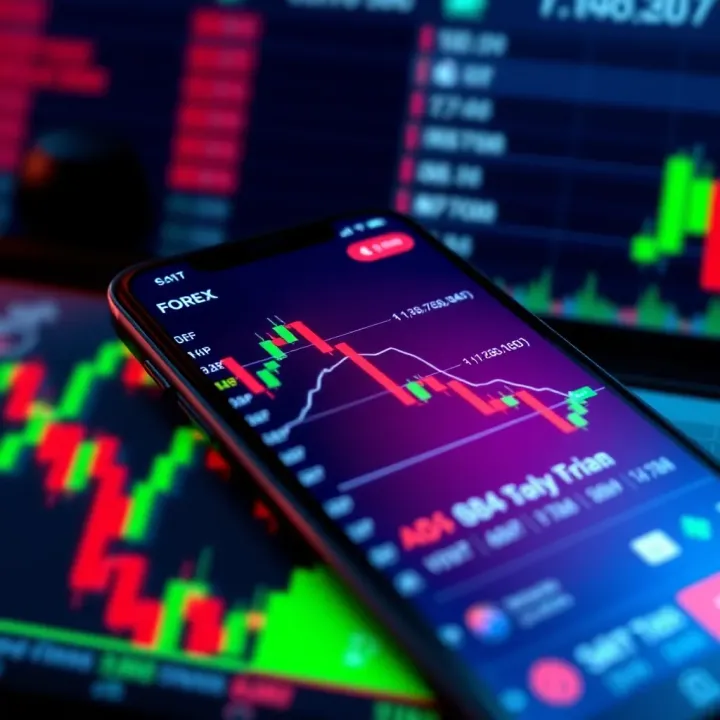
Best Forex Trading Apps in Pakistan: A Practical Guide
Explore top forex trading apps in Pakistan 📱. Learn how to choose the best platform based on features, regulations, and your trading style with confidence.
Edited By
Charlotte Evans
Forex trading has become an increasingly popular avenue for Pakistani investors looking to diversify their income streams and tap into global financial markets. Unlike traditional markets, forex (foreign exchange) trading operates 24 hours across different time zones, allowing traders to buy and sell currency pairs, such as USD/PKR, EUR/PKR, or GBP/USD.
Understanding how forex works in Pakistan requires a clear grasp of market basics and local regulations. The forex market is driven by supply and demand, geopolitical events, interest rate changes, and economic indicators, which all affect currency values. For instance, when the State Bank of Pakistan (SBP) adjusts its policy rate, it can lead to volatility in the PKR against other currencies.
Forex trading is not a get-rich-quick scheme; it involves significant risks and demands discipline, market knowledge, and strategy.
Here are some key points for aspiring traders to consider:
Regulatory environment: The Securities and Exchange Commission of Pakistan (SECP) oversees financial markets, but forex trading is not officially regulated within Pakistan except for authorised entities. Traders often use offshore brokers, which brings additional risks.
Starting capital: Many local traders begin with modest amounts ranging from Rs 20,000 to Rs 100,000, using leverage carefully to manage exposure.
Trading platforms: Popular platforms like MetaTrader 4 and MetaTrader 5 are common, with brokers supporting transactions through local bank transfers or payment apps like JazzCash or Easypaisa.
Market hours: Forex runs round the clock but the overlap of London and New York sessions usually sees the highest activity and price movement.
Learning forex trading in Pakistan means balancing a global view with local understanding. Besides mastering charts and indicators, Pakistani traders must stay updated on political developments, budget announcements, and foreign investments that influence the rupee.
This guide will help you navigate the basics, regulatory risks, and practical steps to start trading confidently and responsibly.
Understanding forex trading is key for anyone aiming to participate in global financial markets from Pakistan. This section clarifies what forex trading means and why it has become popular among Pakistanis. It highlights practical benefits such as earning potential and accessibility, essential for those starting or thinking to start trading.
Forex trading involves buying one currency and selling another simultaneously. These transactions happen in currency pairs, like USD/PKR or EUR/USD. The exchange rate shows how much one currency is worth in terms of the other. For example, if USD/PKR is 285, it means one US dollar equals 285 Pakistani rupees. Traders speculate on whether this rate will rise or fall to make profits.
This dynamic is affected by many factors including interest rates, political stability, and economic data. In Pakistan, announcements from the State Bank of Pakistan (SBP) or shifts in the rupee's value can influence forex prices directly, making understanding these pairs practical for traders.
The forex market is the largest financial market globally, running 24 hours a day across different time zones. Centres like London, New York, Tokyo, and Sydney ensure continuous trading, meaning Pakistani traders can operate at convenient times.
Unlike stock markets, forex has no central exchange; trading happens electronically over-the-counter (OTC) through banks and brokers. This decentralised setup allows for high liquidity and rapid price changes. Pakistani traders benefit from this flexibility, enabling them to react quickly to global events.
Pakistan’s economy faces challenges such as inflation and currency volatility, which make steady income sources less predictable. Forex trading attracts many because it offers potential profits by capitalising on exchange rate movements.
For instance, if the Pakistani rupee weakens against the dollar, traders who predicted this can profit from buying USD early. While risky, disciplined traders find forex a way to mitigate low returns from traditional savings.
Advances in internet penetration and smartphone use have made forex trading more accessible. Platforms like MetaTrader 4 and 5, along with mobile apps, allow Pakistanis to trade anytime without physical offices or brokers.
Mobile wallets and payment services such as JazzCash and Easypaisa help fund trading accounts swiftly and securely. This tech-driven access removes barriers, letting even students and freelancers explore forex trading from home or on the move.
Forex trading in Pakistan has gained traction not simply because of money-making hopes but due to its practical access via technology and the chance to tackle economic instability head-on.
Forex trading pairs involve two currencies, and understanding their exchange rates is vital.
The global forex market operates nonstop, providing trading options for Pakistanis at any time.
Economic challenges push many to explore forex for additional income.
Technology and mobile apps have made starting and operating in forex easier than ever locally.
This groundwork sets the scene for practical steps and strategies that follow in understanding how to trade wisely in Pakistan's forex market.
Understanding the regulatory framework is crucial for anyone interested in forex trading in Pakistan. It ensures traders operate within legal boundaries, reducing risks like fraud or legal complications. This framework is primarily shaped by the State Bank of Pakistan (SBP) and allied financial authorities who lay down rules that keep the market orderly and protect investors.
Legal status of forex trading: Forex trading in Pakistan holds a specific legal position overseen by the SBP. The bank allows forex trading only through licensed entities and strictly regulates currency transactions to preserve the national economy. As a practical example, local residents cannot freely engage in currency speculation without going through SBP-approved channels, which helps curb illegal capital flows.
Permitted forex trading activities and restrictions: The SBP permits trading forex mostly for hedging and commercial purposes rather than speculative gains within the country. Retail forex trading against the Pakistani rupee, done outside authorized brokers, is generally prohibited. This means Pakistani traders usually engage in forex trading through foreign brokers, but must comply with SBP regulations on remittances and account funding.
Identifying licensed brokers: An essential step for any Pakistani trader is verifying if a broker operates under proper licensing. Trusted brokers usually have registrations with international bodies like the Financial Conduct Authority (FCA) or Australian Securities and Investments Commission (ASIC), and offer transparency about their legal status. Since Pakistan lacks many local forex brokers, relying on those licensed abroad reduces the risk of dealing with rogue players.
Common fraud schemes in Pakistani forex market: Unfortunately, scams are common, with fraudsters often promising unrealistic returns. Typical schemes include fake trading platforms, Ponzi operations, and impersonation of authorised brokers. Traders should be wary of unsolicited offers through social media or messaging apps, especially when a broker insists on large upfront investments or pressures to trade fast. Keeping transactions within regulated entities and reviewing user feedback can help avoid these pitfalls.
Staying informed about the regulatory landscape equips Pakistani traders to make safer, smarter choices in forex trading. Always check licences and understand SBP rules before committing any funds.
Starting forex trading in Pakistan demands careful preparation. Without the right broker, documents, and tools, you risk losses or regulatory issues. This section explains straightforward steps to help you get started, focusing on local practicalities like CNIC verification and secure account funding.
Selecting a trustworthy broker is essential. Look for brokers regulated by reputable authorities and offering strong customer support tailored to Pakistan. They should provide easy deposit and withdrawal options in Pakistani Rupees and clear information on spreads and commissions. A broker that understands local market conditions and payment systems reduces hassles.
Popular brokers that serve Pakistani traders include XM, Forex.com, and HotForex. These brokers offer platforms in English and sometimes Urdu, support easy PKR transactions, and have dedicated Pakistani client service. Choosing such brokers simplifies your trading experience and ensures compliance with local regulations.
Opening a trading account requires CNIC (Computerised National Identity Card) verification. This step confirms your identity and complies with Anti-Money Laundering (AML) rules. Most brokers request a scanned copy of your CNIC during registration, so ensure your documents are up to date and clear.
Linking your bank account is also necessary for smooth fund transfers. Using your personal account reduces the risk of delays or rejected payments. Pakistani banks like HBL, MCB, and UBL are commonly accepted by brokers for deposit and withdrawal purposes.
Funding your account securely should be a priority. Pakistani traders often use JazzCash, Easypaisa, or direct bank transfers to deposit funds. Avoid third-party payments to prevent complications. Always verify the broker’s payment methods are safe and officially approved.
MetaTrader 4 and MetaTrader 5 remain the most popular platforms due to their user-friendly interface and advanced tools. These platforms support automated trading and detailed chart analysis, essential for both beginners and professional traders in Pakistan.
Mobile trading has grown sharply, thanks to improved internet penetration and affordable smartphones. Apps from brokers and platforms allow you to trade anywhere, even during commutes or while handling daily tasks. This convenience fits well with Pakistani traders who juggle other commitments.
Starting forex trading in Pakistan requires combining the right broker, proper documentation, secure funding, and user-friendly trading platforms to build a strong foundation for success.
By following these practical steps, you can minimise risks and navigate the forex market more confidently. Always prioritise safety and compliance alongside trading ambitions.
Navigating forex trading without recognising its risks is like driving blindfolded. In Pakistan's context, where economic fluctuations are common, understanding risks is key before putting your money on the line. This section breaks down the main risks and shares practical ways to control them, helping you trade with more confidence and less stress.
High leverage amplifies both gains and losses. In forex, brokers often allow leverage of 50:1 or more, meaning you can control Rs 50,000 worth of currency with just Rs 1,000. While this might sound tempting, it can quickly wipe out your capital if the market moves against you. For example, a 2% drop in currency value can erase 100% of your invested money when using 50:1 leverage.
Currency fluctuations often catch traders off guard. The Pakistani Rupee (PKR), for instance, can fluctuate sharply against the US Dollar during political events or economic reports. Suppose you bought USD/PKR expecting stability, but an unexpected SBP policy change causes PKR to weaken suddenly. Without proper safeguards, this can lead to substantial losses quickly.
Using stop-loss and take-profit orders helps you limit losses and lock in gains automatically. A stop-loss instructs the system to sell once the price hits a certain level, preventing further loss. For example, if you enter a trade at Rs 160 and set a stop-loss at Rs 158, your losses stop at Rs 2 per unit without manual intervention. Similarly, take-profit levels secure your profits when the price reaches a desired target.
Position sizing and diversification are other practical ways to manage risk. Position sizing means only risking a small portion of your total capital on any single trade, such as 1-2%. This avoids situations where one bad trade can drain your account. Diversification means spreading your trades across different currency pairs or other assets to minimise the impact of one market's volatility.
Controlling emotions plays a big role in successful trading. Fear and greed can push you into impulsive decisions, like chasing losses or overtrading. Sticking to a plan and maintaining discipline protects you from these pitfalls. For instance, setting fixed trading hours or limiting daily losses helps keep emotions in check.
Learning from losses is just as crucial as celebrating gains. Viewing losses as lessons rather than failures prevents frustration and builds experience. Keep a trading journal to record what worked and what didn’t. With time, this practice sharpens your judgement and tactics, making you a smarter trader.
Managing risks goes beyond just numbers; it involves mindset and strategy. In Pakistan’s fast-changing market, these skills become your best defence.
Forex trading success depends largely on choosing the right strategies that fit both the market environment and personal trading style. For Pakistani traders, this means understanding local economic factors and technical tools while adapting them to the volatile forex market. Effective strategies help reduce risks, make trading decisions clearer, and improve consistent profits over time.
Reading charts and indicators is the backbone of technical analysis. Charts show historical price movements, letting you spot trends and reversals without guessing. For example, a Pakistani trader watching USD/PKR might notice how price bounces off a certain level repeatedly, indicating a support zone to place buy orders. Indicators like Moving Averages smooth out price fluctuations, highlighting overall directions.
Popular technical tools include the Relative Strength Index (RSI) and Bollinger Bands. RSI shows if a currency is overbought or oversold, signalling possible price turnaround. In a fast-moving pair like USD/JPY, traders can use RSI to time entries better. Bollinger Bands help identify volatility by shaping a range within which prices usually move. When the band widens sharply, it often points to a breakout opportunity, useful for traders watching global currencies such as EUR/USD.
Economic indicators from the State Bank of Pakistan (SBP), such as interest rate changes or inflation reports, directly affect PKR value against other currencies. Announcements on SBP’s monetary policy can trigger sharp currency moves, so keeping an eye on their press releases helps Pakistani traders anticipate market swings.
Geopolitical events impact forex markets worldwide, and Pakistan is no exception. Political developments, relations with neighbouring countries, or trade agreements influence investor confidence and currency strength. For instance, news about CPEC progress or regional tensions may cause PKR to fluctuate, providing trading chances if one stays informed.
Aligning technical and fundamental analysis leads to better trade decisions. For example, if technical charts show a bullish breakout in USD/PKR and SBP has just announced a policy easing inflation, combining these signals can increase confidence in a buy trade. This mix filters out false alarms that relying on just one method might trigger.
Setting realistic goals and sticking to a disciplined practice routine is key for success. Sudden urge to double money overnight often leads to losses. Instead, aim for steady gains and learn from losses by reviewing what went wrong. Using demo accounts and backtesting strategies on platforms like MetaTrader before real trading is a practical way Pakistani traders build experience without risking capital.
Effective forex trading in Pakistan requires a balanced strategy that combines smart technical skills, awareness of economic developments, and patience to grow steadily.
By practising these techniques with commitment, Pakistani forex traders can take advantage of market opportunities while managing risks carefully.
Explore top forex trading apps in Pakistan 📱. Learn how to choose the best platform based on features, regulations, and your trading style with confidence.
Find the perfect trading app for you in Pakistan 🇵🇰 and beyond! Compare features, usability, security, and costs to trade smarter📱💹.
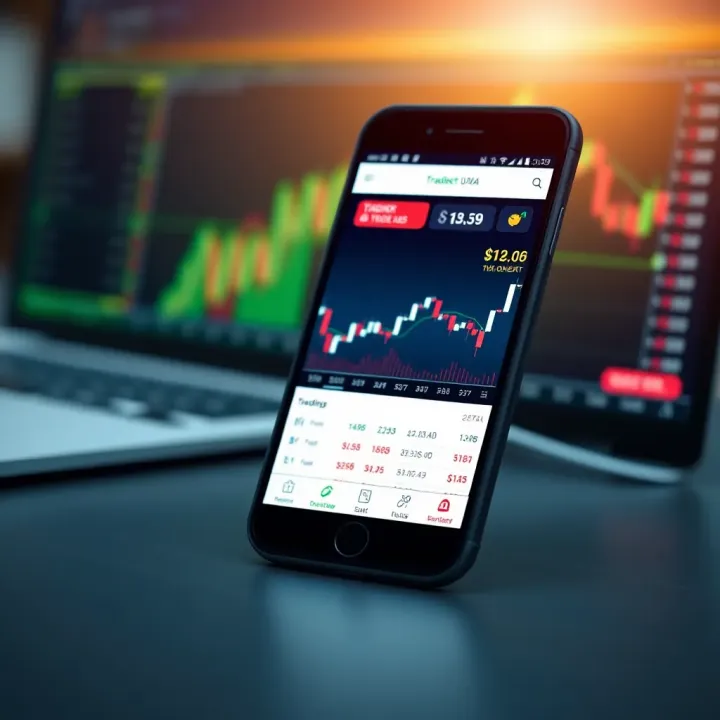
Find the best trading app in Pakistan 📱! Compare features, start trading easily, and get tips for safe, smart investing in the local market 🔒📊.
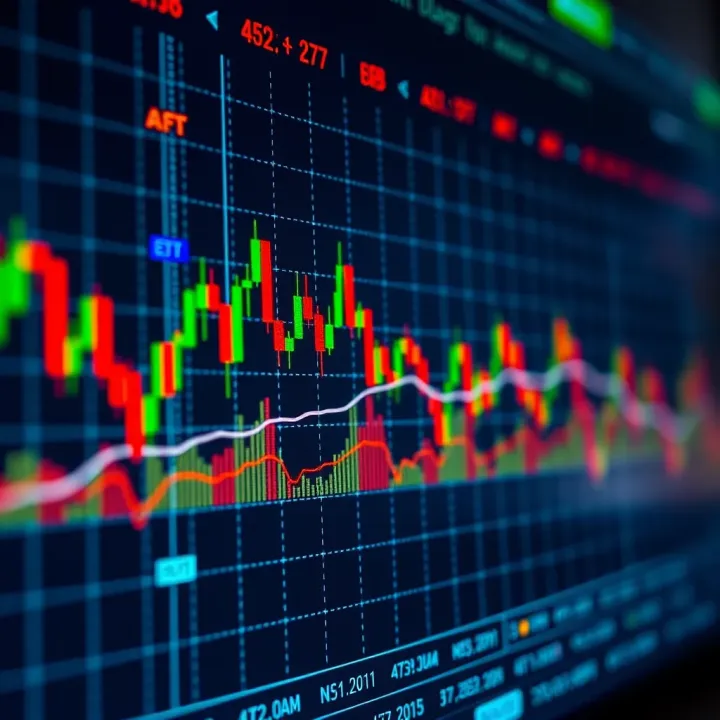
🔍 Find the right forex indicator to boost your trading! Learn their pros and cons to match your style for smarter, clearer market decisions. 📈
Based on 12 reviews