
Understanding Risk Management: A Practical Guide
📊 Explore practical risk management for Pakistani businesses—identify, assess & control risks while handling challenges in sectors affected by economic shifts & loadshedding.
Edited By
Amelia Ward
Project risk management is about spotting potential problems in a project before they cause real damage. It means identifying risks, working out how serious they are, and planning how to handle them. This process helps keep projects on track, avoiding unexpected delays or extra costs that might derail them.
Understanding risk early lets you steer your project clear of trouble.
Projects in Pakistan, whether a construction site in Karachi or a software rollout in Islamabad, face many uncertainties. These could be anything from political instability affecting supply chains, loadshedding causing work stoppages, or fluctuating material prices pushing budgets beyond control.
Unchecked risks can balloon quickly, so managing them actively reduces surprises and improves the chances of completing the project on time and within budget.
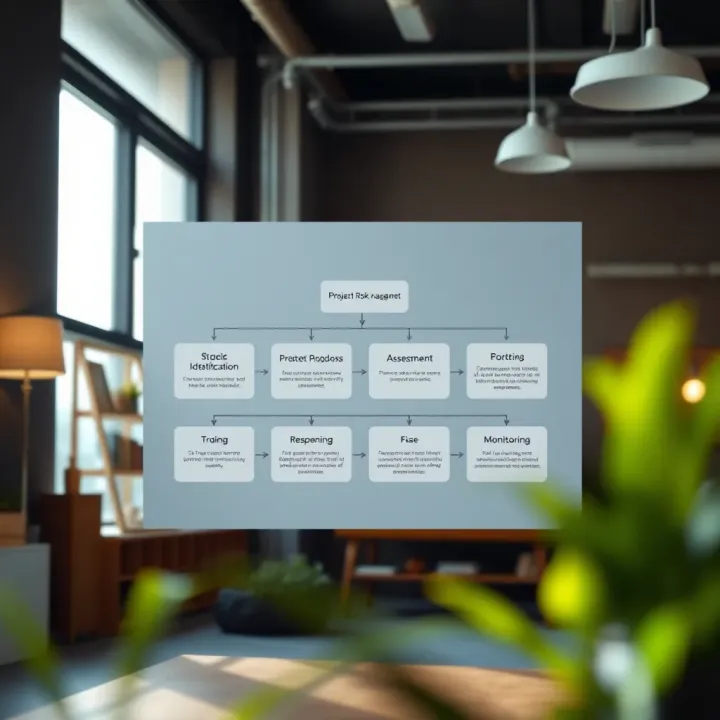
Risk Identification: List all possible risks. For example, a textile factory expansion might consider risks like machinery delays or labour strikes.
Risk Analysis: Assess the likelihood and impact of each risk. A risk that's unlikely but would cost Rs 10 crore deserves serious attention.
Risk Response Planning: Decide on actions—avoid, mitigate, transfer (insurance), or accept the risk.
Risk Monitoring: Keep checking risks as the project progresses since new risks can appear, and existing ones may change.
Consider a road project in Punjab expecting heavy monsoon rains. Initial planning might identify flooding as a risk. The team can analyse how likely the flooding is and how much it would delay work. A response might be scheduling construction phases outside the peak rain months or having extra pumping equipment ready. They must then monitor weather forecasts regularly and adjust plans as needed.
This way of managing risks ensures practical steps are taken before issues develop, saving time and money.
Effective project risk management combines careful planning with regular review, making it essential for anyone involved in Pakistan’s diverse project environments. Whether you're a freelancer managing your tasks or a financial analyst assessing project viability, mastering these concepts pays off.
Project risk management plays a vital role in ensuring a project's success, especially in environments like Pakistan where unpredictability is common. It means identifying possible risks that can affect the progress and outcome of a project and taking steps to manage them effectively. This process is essential not just to avoid failure, but also to seize opportunities that could boost project performance. For example, in a construction project in Karachi, risks such as labour strikes or delayed material deliveries must be foreseen and handled to avoid costly disruptions.
Risks in projects are uncertain events that may or may not happen, but if they do, they impact the project either directly or indirectly. These could be external, like political changes or natural disasters, or internal, like equipment breakdowns. The key is that these events involve uncertainty, so project managers cannot predict their occurrence with certainty but must prepare for them. For instance, a sudden change in government regulations about import duties could increase the cost of raw materials for a manufacturing project.
Risks aren’t always bad. Some are positive—offering chances that could improve the project outcome. Positive risks might include unexpected support from stakeholders or early delivery of crucial materials, helping projects finish ahead of schedule. On the other hand, negative risks might cause delays, cost overruns, or quality issues. Recognising this dual nature helps project teams not just guard against losses but also strategise to turn good risks into gains.
Managing risks actively helps projects stay on track and meet their objectives more reliably. By anticipating problems early, teams can plan actions to reduce their effect or exploit opportunities, improving results. Good risk management often means the difference between a project that finishes successfully and one that struggles with constant setbacks. For example, in software development projects at local firms, identifying potential technical glitches early allows developers to build solutions into their plans.
Project risk management safeguards the three core pillars of any project: time, cost, and quality. Unmanaged risks can push deadlines, inflate budgets, or reduce the quality of deliverables. Consider a public infrastructure project affected by loadshedding; without proper risk controls, this could delay progress and increase costs. Timely risk responses help limit these impacts, enabling the project to meet deadlines and budgets while maintaining quality standards.
Effective risk management isn’t just about avoiding trouble — it’s about preparing to handle the unexpected, ensuring your project stays on course and delivers value within its limits.
Key points to remember:
Risk involves uncertain future events.
Both positive and negative risks affect project outcomes.
Managing risks improves success chances.
Protecting schedule, cost, and quality is a core objective.
This understanding sets the stage for exploring detailed risk management stages and tools relevant to Pakistani projects in the following sections.
Understanding the core stages of project risk management is essential for any project aiming to meet its goals without unexpected disruptions. Each phase ensures risks are caught early, assessed properly, and handled effectively. This process is not just theoretical — it brings practical advantage by saving time and money, particularly where project margins are thin.
Brainstorming sessions gather different perspectives from team members or stakeholders, encouraging open discussion about possible risks. In Pakistan’s construction projects, for instance, brainstorming often uncovers risks related to monsoon delays or sudden material shortages. Expert interviews add depth, tapping into the experience of those who have faced similar challenges before. These interviews help anticipate risks like regulatory changes or political instability that may not be obvious in initial discussions.
Using checklists based on past projects brings consistency to risk identification. For example, a checklist for software development projects might include risks of scope creep or integration failure. Historical data provide evidence-backed insights, showing which risks occurred and how often. Local firms in Karachi often rely on project archives to flag supplier delays, a common issue in the region due to customs hold-ups.
This step ranks risks by their likelihood and impact using simple categories like "high", "medium", or "low". It helps project teams focus on risks that really matter without getting bogged down in numbers. For a startup launching a new app, qualitative analysis might highlight data privacy as a high-priority risk based on user trust concerns in the Pakistani market.
Where budgets and timelines are tight, quantitative evaluation assigns numerical values to risks. Running simulations can predict potential cost overruns or deadlines missed. A manufacturing plant near Lahore might use this method to estimate losses due to power outages, enabling more accurate budgeting for backup generators.
Projects can manage risks in four main ways. Avoidance means changing plans to sidestep the risk, like selecting a supplier with a better track record to avoid delivery delays. Mitigation involves reducing risk impact, such as adding extra quality checks. Transfer means shifting risk to another party, often through insurance or outsourcing. Acceptance is acknowledging the risk but deciding not to act unless it occurs, common when the cost of action outweighs potential damage.
Good projects prepare backup plans in case risks turn real. For example, if heavy rains delay road work, a contingency plan might include using faster-curing concrete. This preparation minimizes shocks and keeps projects moving despite setbacks.
Regularly observing early signals helps spot when risks are becoming problems. A rise in supplier complaints or sudden cost increases can alert project managers to act swiftly. In IT projects, tracking software bugs reported during testing serves as a risk indicator for release delays.
Risk management isn’t static. Plans must adjust as new information emerges. Suppose a political protest disrupts logistics; a Pakistani logistics company might shift to alternative routes or suppliers. This flexibility ensures projects adapt and survive unforeseen disturbances.
Effective project risk management focuses on timely action. Identifying risks early and choosing the right responses keeps projects on track and stakeholders confident.
This structured approach to managing project risks is vital for traders, investors, and freelancers alike to make better decisions and protect investments. Whether working on local property developments or software projects, following these stages improves the odds of success.
Project risk management is especially vital in Pakistan due to the country's unique socio-economic and infrastructure challenges. Managing risks effectively helps ensure projects stay on track, avoid unexpected costs, and meet deadlines despite local uncertainties. Without a structured approach to risk, projects often face delays, budget overruns, and stakeholder dissatisfaction.
Political instability and economic fluctuations pose significant risks for projects in Pakistan. Changes in government policies can abruptly affect regulatory approvals or taxation, causing disruptions. For example, shifts in import duties often impact project material costs unpredictably. Inflation and currency depreciation also increase operational expenses, stretching budgets beyond initial estimates.
This uncertainty means project managers must stay alert to policy changes and economic trends to adjust plans proactively. Risk assessments should consider possible scenarios like political protests or fiscal policy shifts, helping teams build contingency plans.
Supply chain issues are frequent headaches in Pakistani projects due to customs delays, transportation bottlenecks, and reliance on imported materials. For instance, a construction project may face hold-ups if steel shipments get stuck at ports or experience inflated shipping costs.
Local suppliers can sometimes fill gaps, but quality and availability may vary. Effective risk management involves mapping critical supply sources, identifying alternatives, and anticipating delays to minimise work stoppages.
Scheduled power outages (loadshedding) and general infrastructure gaps add operational risks. Projects dependent on continuous power—for example, manufacturing units or IT services—often face productivity losses during blackouts.
Beyond power, poor road conditions and unreliable telecommunications can slow down logistics and communication. Risk plans should include backup power solutions like generators and flexible schedules to adapt to interruptions.
Managing risks proactively helps Pakistani businesses keep projects within budget. By identifying potential cost overruns early—whether from inflation, supply delays, or rework due to poor quality—companies can allocate contingency funds wisely and negotiate better terms with suppliers.
This discipline prevents surprise expenditures that can cripple small or medium enterprises. For public sector projects, staying within budget boosts accountability and public trust, especially amidst taxpayer scrutiny.
Clear risk management engenders confidence among investors, clients, and partners. When project teams demonstrate awareness and control over risks, stakeholders feel assured that their investments will be safeguarded.
In Pakistan's competitive and often uncertain business environment, this trust can be the difference between securing funding or losing opportunities. Regular risk reporting and transparent communication are key to building this confidence.
In Pakistan's challenging operating environment, integrating risk management into projects is not optional but essential for success and sustainability.
By attending to these local risks and benefiting factors, Pakistani projects can greatly improve their chances of timely, cost-effective completion while maintaining strong stakeholder relationships.
Integrating risk management into project planning is essential to keep projects on track, especially in complex or uncertain environments like those typically found in Pakistan. By embedding risk activities within the project timeline and controls, teams can respond quickly to issues before they impact cost, quality, or delivery dates. This approach ensures that risk considerations are not treated as a separate task but as a core part of managing the project.
Regular risk reviews aligned with project milestones offer practical checkpoints to assess emerging threats and opportunities. For example, before the start of a construction phase, a risk review could identify possible delays due to supply shortages or seasonal weather changes common in Pakistan’s monsoon months. Adding these reviews in the project schedule makes risk assessment a recurring priority rather than an afterthought.
These timely reviews help update risk registers and adjust response plans. When risks are reviewed alongside major deliverables, the project team has a clearer picture of current exposures and can allocate resources or contingency funds accordingly. This foresight significantly reduces surprises, allowing smoother project progression.
Risk management must work hand-in-hand with other project controls like scope management, budgeting, and quality assurance. For instance, if a scope change introduces new tasks or technology, risk management should immediately evaluate related uncertainties and their impact on timelines or costs.
Coordination prevents siloed working where risks identified in one area go unnoticed in others. For example, in a software development project in Pakistan, linking risk findings with quality control processes can reduce rework and testing delays. Similarly, budget reviews should include risk contingency utilisation to keep financial tracking accurate.
Assigning clear ownership of risks ensures action and follow-up. The project manager usually oversees this, but individual team members should own specific risks relating to their fields. For example, procurement leads might take charge of supplier risks, while IT specialists handle cybersecurity threats.
This distribution encourages accountability and faster problem-solving. When everyone knows their responsibilities, it’s easier to track progress on risk responses and communicate updates. Without clear ownership, risks often get ignored until they escalate.
Effective risk management depends on the team understanding risk concepts and actively communicating issues as they arise. Regular training sessions sharpen skills in identifying and evaluating risks, especially when new tools or methods are introduced.
Open communication channels help catch risks early, for instance, a field engineer reporting delays due to local strikes or police checkpoints. Project managers should encourage a culture where raising concerns is welcomed without fear of blame. This transparency is vital, especially for Pakistani projects vulnerable to sudden disruptions.
Integrating risk management into project planning isn’t just a task—it keeps your project responsive, efficient, and aligned with real-world challenges.
By including risk reviews in timelines, coordinating across project controls, and fostering accountability alongside ongoing training, projects stand a much better chance of meeting their goals smoothly and within budget. This practical integration transforms risk management from theory to action.
Managing risks in projects is no longer just about gut feeling or manual lists. Tools and software have become essential to keep track of risks methodically and visualise potential problems clearly. These solutions help teams stay organised, spot new risks early, and respond quickly, which is especially relevant for projects operating under Pakistan's unique challenges like loadshedding or supply chain delays.
A risk register serves as the central document where all identified risks are logged along with details like their likelihood, potential impact, and assigned owner. This simple yet powerful tool helps teams monitor risks consistently, ensuring none slip through the cracks. For example, a construction company in Karachi might use a risk register to track delays caused by monsoon rains or material shortages.
Risk maps add a visual layer by plotting risks based on their severity and probability. This approach allows project managers to prioritise efforts where risks pose the greatest threat. A risk map can quickly show if most concerns are minor or if a few critical risks could derail the project, helping decision-makers focus their limited resources effectively.
Scenario analysis involves exploring different future situations and how they might affect the project. By imagining best-case, worst-case, and most likely outcomes, teams can prepare flexible response plans. For instance, an IT firm developing software for local government might analyse scenarios based on political stability or internet outages common in certain regions.
This tool supports better budgeting and scheduling by clarifying potential impacts upfront. Rather than being caught off-guard, stakeholders have a clearer picture of what might happen, making contingency measures practical and realistic.
Pakistani businesses tend to favour software that accommodates local needs such as multi-language support, offline access, and affordability. Applications like Microsoft Project with add-ons for risk management remain popular for their familiarity among professionals. Meanwhile, newer cloud-based tools like Smartsheet or Wrike gain traction due to their collaborative features, allowing teams in different cities to share updates instantly.
Such software typically offers automated reminders, risk dashboards, and integration with document storage, helping teams stay on top of changes. These features are valuable when managing projects with tight deadlines or dispersed teams, a common scenario for freelancers or contractors in cities like Lahore or Islamabad.
Risk management tools that integrate seamlessly with broader project management platforms reduce duplication of work and improve accuracy. For example, linking risk registers to task lists or budget sheets enables projects to update automatically when risks materialise or change.
This kind of integration is useful when projects require frequent reporting to investors or regulators. A construction firm bidding for government contracts can generate risk impact reports directly from their project management software, streamlining communication and boosting credibility.
Using the right tools and software isn't just about convenience—it can significantly improve a project's chances of success by making risk management systematic, transparent, and proactive, especially in challenging environments like Pakistan.
📊 Explore practical risk management for Pakistani businesses—identify, assess & control risks while handling challenges in sectors affected by economic shifts & loadshedding.
📊 Learn about risk management essentials, types of business risks, practical steps, and why it matters for Pakistani organisations amid today’s challenges.
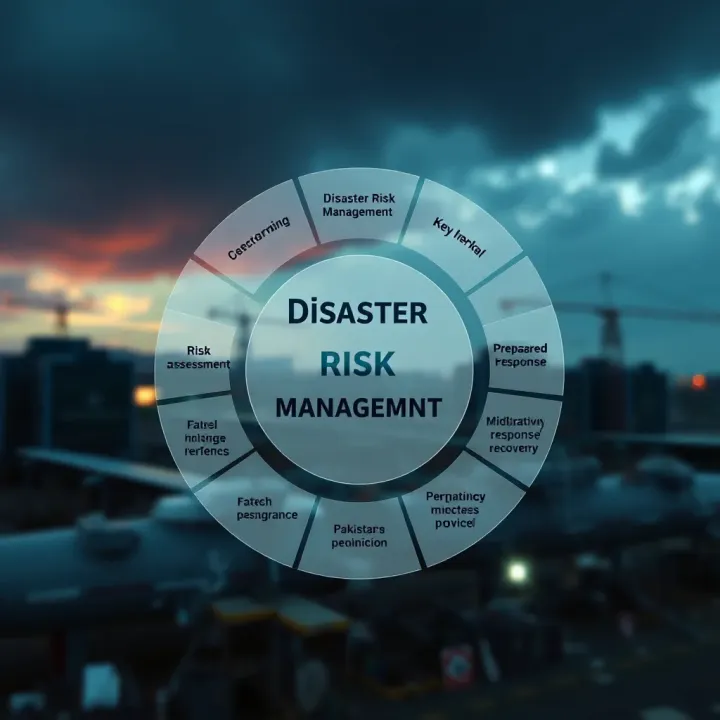
🌪️ Understand disaster risk management in Pakistan: risks, government and community roles, strategies for emergency response, risk reduction, and effective recovery.

Learn practical techniques to identify, assess, and control risks in project management for better outcomes in Pakistan's unique business environment 📊✔️
Based on 8 reviews