
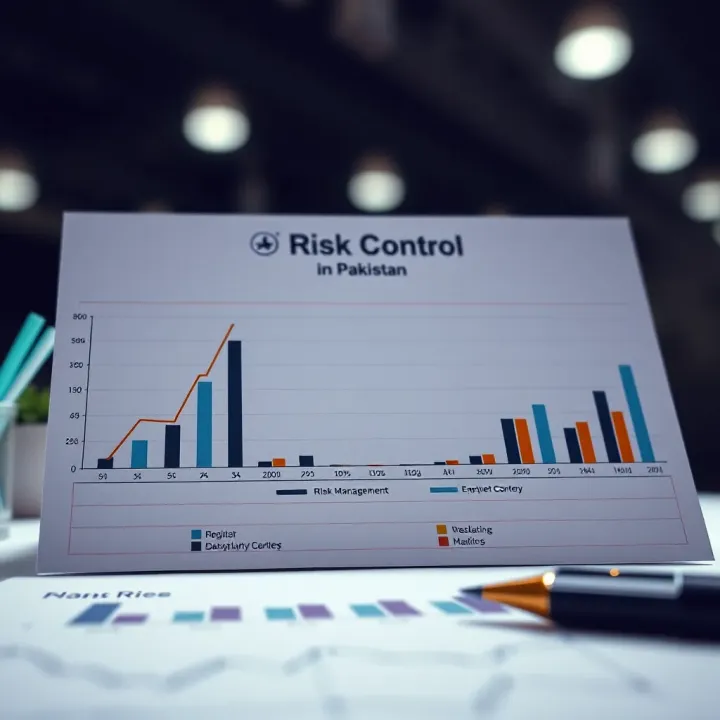
Financial Risk Management in Pakistan Explained
📊 Explore how Pakistani businesses manage financial risks with tailored strategies, tools, and regulatory insight to safeguard their financial health amid economic challenges.
Edited By
Emily Foster
Financial risk management is a vital practice for businesses and investors operating in Pakistan’s fluctuating economic environment. It involves identifying, assessing, and controlling risks that could impact financial performance and operational stability.
The Pakistani market is shaped by several unique factors, such as currency volatility, inflation rates, regulatory changes, and the impact of geopolitical events. Businesses here face risks that range from sudden rupee depreciation to shifts in government policies affecting import duties or tax rates.

Effective finance risk management starts with recognising key risk categories:
Market risk: Shifts in currency exchange rates or stock prices can immediately affect portfolios and business costs.
Credit risk: The possibility that clients or counterparties might default on payments.
Operational risk: Issues like IT failures, fraud, or even loadshedding disrupting day-to-day activities.
Liquidity risk: Difficulty in converting assets into cash without substantial loss.
In Pakistan, companies frequently use methods like stress testing and scenario analysis to prepare for market shocks. Tools such as Value-at-Risk (VaR) models help quantify potential losses under normal conditions, while contingency planning addresses extreme events.
For example, a trading company dealing in imported goods must monitor currency trends closely to avoid losses from sudden PKR weakness. Likewise, financial institutions rely on thorough credit assessments to reduce defaults, especially when lending to small enterprises.
Successful risk management hinges on continuous monitoring and adapting strategies to Pakistan’s dynamic economic climate.
Understanding local regulatory frameworks is equally important. Compliance with laws governed by the Securities and Exchange Commission of Pakistan (SECP) and the Federal Board of Revenue (FBR) helps mitigate legal and financial penalties.
In summary, finance risk management in Pakistan demands a practical approach that combines quantitative tools with grounded knowledge of local economic and regulatory realities. This helps traders, investors, and analysts make smarter decisions and safeguard their assets effectively.
Financial risk management forms the backbone of any robust economic activity, especially in Pakistan’s fluctuating financial environment. It involves identifying, assessing, and controlling threats to an organisation’s capital and earnings. These risks might stem from currency swings, credit defaults, or operational hiccups, all of which can significantly impact businesses and investors.
Understanding the basics helps firms and individuals alike to prepare and react better. For example, a textile exporter in Faisalabad might face losses due to sudden rupee depreciation against the dollar. Knowing how to manage such risks ensures resilience and continuity.
Financial risk refers to the chance of losing money or assets due to various uncertainties in financial markets or business operations. This uncertainty can cause unexpected fluctuations in cash flows or asset values, affecting profitability or solvency. In Pakistan, this risk often translates into losses from exchange rate movements, loan defaults, or abrupt regulatory changes.
Several factors contribute to financial risk locally. Currency volatility remains high due to foreign exchange reserves fluctuations and import dependencies. Political instability creates uncertainty for investors, affecting market confidence and credit availability. Moreover, load shedding and operational inefficiencies add to risks faced by industries, complicating cash management.
Proper risk management helps businesses maintain steady cash flow and sustain growth even during economic shocks. Investors, too, benefit by making informed decisions about portfolio diversification and credit exposure. For instance, banking institutions monitor borrower profiles closely to reduce defaults, while companies hedge foreign currency exposure to protect profit margins.
Ignoring risk management can be like driving through a storm without headlights – you might get lucky, but chances of an accident rise dramatically.
Failing to manage financial risk can lead to severe consequences such as bankruptcy, loss of investor trust, and regulatory penalties. A local SME that neglects credit risk may suffer from late payments or defaults, eventually crippling its operations. Similarly, inadequate hedging against currency risk can erode profits quickly when the rupee weakens.
In short, grasping the basics of financial risk and actively managing these threats help Pakistani businesses and investors safeguard their interests and build a foundation for sustained success.
Financial risks in Pakistan are varied and impact businesses, investors, and financial institutions differently. Understanding these risks helps in making informed decisions and creating safeguards that protect assets and ensure sustainability.
Effects of currency fluctuations: The Pakistani rupee often experiences volatility against major currencies like the US dollar. Such fluctuations can increase the cost of imports for businesses and raise repayment burdens for foreign currency loans. For example, a textile exporter might find profits squeezed if the rupee weakens and raw material costs rise, yet their export contracts are priced in fixed foreign currency terms.
Stock market volatility: PSX (Pakistan Stock Exchange) can be unpredictable due to political developments, economic policies, and global factors. Rapid ups and downs in share prices affect investor confidence and can lead to sudden losses. Traders and investors must factor in this volatility when planning their portfolio to avoid overexposure to risky sectors.

Defaults on loans and credit: Banks and microfinance institutions in Pakistan face risk when borrowers fail to repay loans. Defaults can happen due to economic downturns or poor financial discipline. For instance, SMEs affected by loadshedding might suffer revenue drops, impacting their ability to repay bank loans on time.
Assessment of borrower creditworthiness: Accurate evaluation of a borrower's financial health is essential to minimise defaults. Pakistani lenders often rely on CNIC records, tax filings with FBR, and credit history from credit bureaus. Still, informal sector borrowers remain a challenge due to lack of formal documentation, increasing credit risk.
Challenges in accessing cash or assets: Some companies face difficulties converting assets into cash quickly without losses. For example, during tight monetary conditions, businesses may struggle to sell stock or receivables fast enough to meet urgent expenses.
Impact of liquidity shortages on businesses: A liquidity squeeze can halt operations and damage reputation. Firms dependent on quick cash flow to pay suppliers or staff may face stoppages, especially in sectors like retail or manufacturing, which operate on thin margins.
Internal process failures: Mistakes in accounting, fraud, or poor management can lead to financial losses. An example is inaccurate inventory tracking causing stock shortages, leading to missed sales and dissatisfied customers.
Regulatory compliance issues under SECP and SBP: Non-compliance with Pakistan’s Securities and Exchange Commission (SECP) or State Bank of Pakistan (SBP) regulations can result in fines, sanctions, or reputation damage. Ensuring timely financial reporting and adherence to audit standards is crucial for all financial institutions and listed companies.
Financial risk management in Pakistan must consider local market dynamics and regulatory requirements to be truly effective.
Understanding these risk types supports proactive strategies that protect financial health in Pakistan’s unique economic environment.
Assessing and measuring financial risk plays a crucial role for anyone dealing with money in Pakistan's volatile economic environment. Whether you are a trader, investor, or financial analyst, understanding where risks lie helps in making smarter decisions. Without proper assessment, businesses might underestimate threats like currency swings or credit defaults, leading to costly surprises.
Financial statement analysis involves studying a company’s balance sheet, income statement, and cash flow statement to spot risks that could impact its stability. For example, a Pakistani textile mill with rising debts and declining cash flow signals a liquidity problem. Investors and lenders can use this insight to decide whether to proceed cautiously or pull back. This analysis also uncovers hidden risks such as over-reliance on a single buyer or excessive inventory which could tie up working capital unnecessarily.
By regularly reviewing financial reports, businesses can track warning signs early. For instance, a drop in gross profit margin might indicate rising input costs or pricing pressures—common concerns in Pakistan due to inflation and regulatory changes. Thus, financial statement examination isn’t just about numbers; it reflects operational realities affecting risk.
Pakistan’s economy is influenced heavily by political developments, policy shifts, and global trends. Assessing this external environment can spotlight risks that financial reports alone won’t reveal. For example, rupee depreciation against the dollar can quickly increase import costs for a manufacturing firm, squeezing margins.
Political uncertainty, such as upcoming elections or policy changes by the State Bank of Pakistan (SBP), may lead to market volatility or tighter credit availability. Businesses and investors who monitor political news and economic indicators like inflation, SBP interest rates, or government debt levels manage their exposure better. It's about seeing the bigger picture beyond company-specific data.
Value at Risk (VaR) estimates the potential loss in a portfolio over a set period, given normal market conditions. Pakistani banks and investment firms often use VaR to decide capital reserves and risk limits. For example, a bank might calculate a one-day VaR of Rs 10 million at 95% confidence. This means there is a 5% chance losses could exceed Rs 10 million on any day.
VaR helps quantify risk in monetary terms, making it easier for decision-makers to assess whether their risk appetite aligns with business goals. Though it relies on historical data, adjustments can incorporate local factors like currency or commodity price movements common in Pakistan.
Stress testing pushes financial models beyond likely conditions to see how severe shocks could impact portfolios or balance sheets. Scenario analysis creates hypothetical situations—such as a 20% rupee drop or a sudden increase in SBP rates—to evaluate responses.
Pakistani banks often perform stress tests considering floods and geopolitical tensions that could disrupt business. For instance, a real estate developer might assess how a prolonged construction ban due to government policy changes affects cash flow and loan repayment.
These tools prepare businesses for unexpected challenges by identifying vulnerabilities and shaping contingency plans. Instead of reacting to crises, firms can anticipate and cushion their effects.
Proper assessment and measurement of financial risk give Pakistani businesses and investors the clarity to navigate uncertain markets confidently. Without these practices, risk remains a guessing game, increasing chances of costly errors.
In summary, combining detailed financial analysis with awareness of Pakistan's unique economic and political landscape—plus quantitative tools like VaR and stress testing—builds a solid foundation for risk management. This approach helps limit shocks, safeguard capital, and maintain steady growth even amid uncertainty.
Managing financial risks is vital for businesses and investors in Pakistan to protect assets, ensure steady cash flow, and maintain growth. These methods help organisations address uncertainty in markets, credit, and operations by applying tailored strategies suitable for local economic conditions and regulatory frameworks.
Diversification of investments helps spread risk across different assets, sectors, or geographies. For example, a Pakistani investor putting all funds in textile stocks faces more risk than one who also invests in agriculture, technology, or fixed income. This balance reduces potential losses if one sector struggles, such as during textile export slowdowns linked to global demand or foreign exchange pressures.
Hedging with derivatives involves using financial instruments like futures, options, or swaps to offset potential losses. In Pakistan, exporters sometimes hedge against rupee depreciation by entering forward contracts through banks, fixing exchange rates beforehand. This protects profit margins from currency fluctuations. Similarly, companies dependent on imported raw materials may hedge against price rises by locking in costs using commodity futures.
Businesses can manage risk by transferring it to others through insurance options available in Pakistan. Various policies cover fire, theft, business interruption, and liability risks. For instance, factories in Karachi might insure against flood damage linked to monsoon rains. Insurance not only cushions financial shocks but also improves confidence among investors and lenders.
Outsourcing and partnerships offer another way to share operational risks. A trading company may outsource logistics to a specialist firm, reducing exposure to transport delays or accidents. Similarly, joint ventures spread investment risks. For example, two firms pooling resources to develop a new project share both profits and losses, limiting individual financial burden.
Continuous financial audits track a company’s financial health and compliance in real time. Pakistani firms often conduct quarterly audits to identify discrepancies early, ensuring proper cash management and adherence to SBP and SECP guidelines. Regular checks help detect fraud or irregularities before they escalate.
Using technology and data analytics is increasingly practical for risk control. Tools provide real-time data on market trends, customer behaviour, and cash flows. For example, banks in Pakistan leverage analytics to monitor loans' credit risk and promptly act on warning signs. Fintech platforms, like Easypaisa and JazzCash, use fraud detection algorithms that reduce digital transaction risks.
Effective risk management in Pakistan requires blending traditional strategies with modern tools suited to the local market and regulatory requirements. By adopting these methods, businesses safeguard themselves against uncertainty and stay competitive.
A solid regulatory framework plays a key role in shaping how financial institutions and businesses handle risk in Pakistan. The frameworks provided by the Securities and Exchange Commission of Pakistan (SECP) and the State Bank of Pakistan (SBP) help set clear rules and standards, which ensure risk management is not only consistent but also transparent and effective. Without such oversight, institutions might ignore crucial safeguards, increasing vulnerability to financial shocks and losses.
Financial institutions in Pakistan must adhere to specific compliance standards set by SECP and SBP to manage risks properly. For example, banks must follow SBP’s risk management rules, which require them to maintain sufficient capital reserves to cover credit and market risks. This ensures banks can absorb potential losses without threatening overall financial stability. SECP, on the other hand, mandates non-banking financial companies and listed firms to establish internal risk management frameworks aligned with corporate governance principles. These requirements help firms identify, monitor, and control risks effectively.
Reporting standards set by these regulators demand regular and detailed disclosures from institutions. SBP requires monthly reports on liquidity ratios, non-performing loans, and market exposures. SECP’s audit practices emphasise independent external audits and risk disclosures in annual reports. These standards promote accountability and allow stakeholders to assess financial health and risk exposure accurately. For example, during volatile times when PKR faces depreciation, banks' transparent reporting on foreign exchange exposure provides crucial insight to investors and regulators alike.
Regulations contribute to enhancing transparency in Pakistan’s financial sector. With clear rules on disclosure and internal controls, businesses provide clearer pictures of their risk profiles. This transparency discourages reckless behaviour and helps maintain market discipline. Companies that comply consistently with SECP and SBP rules avoid surprises for investors and creditors, thereby reducing the chances of sudden financial distress.
Moreover, these regulatory standards build investor confidence by fostering a reliable environment. When investors see firms following recognised risk management frameworks and full reporting, they feel more secure about their investments. This trust encourages more active participation in Pakistan's equity markets, benefiting national economic growth. For instance, the steady enforcement of SBP’s regulations on banking sector risk has supported greater foreign investment in Pakistan’s financial institutions during uncertain economic times.
Clear regulatory frameworks do not just impose obligations; they act as a foundation for stable and sustainable financial growth by aligning the interests of institutions, investors, and regulators alike.
In summary, understanding and complying with SECP and SBP risk management guidelines is essential for firms operating in Pakistan. It shapes better business practices, protects stakeholders, and adds resilience to the country’s financial markets.
Financial risk management in Pakistan is increasingly shaped by new trends and pressing challenges. Understanding these factors helps traders, investors, and analysts prepare for shocks and seize opportunities amid a fluctuating economic landscape. These emerging issues affect how businesses control risks, comply with regulations, and safeguard assets while adapting to rapid technological changes and evolving political environments.
Cybersecurity threats to financial data have become a major concern for Pakistan's financial sector. With more banks and financial institutions moving online, the risk of data breaches and hacking attempts has increased sharply. For example, incidents where customer account details or transaction data get compromised can lead to direct financial losses and damage trust. Firms must prioritise strong encryption, regular security audits, and employee training to reduce vulnerabilities.
The rise of fintech platforms like Easypaisa and JazzCash has transformed how Pakistanis transfer money and make payments. These services make financial inclusion easier but also bring risks linked to cyberfraud and identity theft. Regular updates on cybersecurity protocols and transparent user verification help fintech companies maintain secure operations. For users, practising caution with passwords and verifying transaction alerts can reduce fraud exposure.
The effect of rupee depreciation is a critical risk factor for businesses that rely on imports or foreign currency loans. A weakened rupee raises costs and can hurt profit margins. For instance, companies importing raw materials must adjust prices upwards or absorb losses, complicating financial planning. Investors keep a close eye on rupee trends to manage exposure through hedging or portfolio diversification.
Risks linked to policy changes and political uncertainty also impact financial risk management. Sudden shifts in taxation, trade tariffs, or regulatory requirements create unpredictability for businesses. Political instability can delay reforms or disrupt markets, making risk assessment more complex. Companies often develop contingency plans to handle such uncertainty, including maintaining flexible credit lines or holding cash reserves.
Keeping pace with technological progress while managing economic and political uncertainty is vital for effective financial risk management in Pakistan. Proactive strategies allow stakeholders to protect assets and remain competitive despite these emerging challenges.
Cybersecurity demands constant vigilance amid growing digital operations.
Fintech platforms balance financial inclusion with novel risks.
Currency depreciation directly affects cost structures and investment.
Political shifts require adaptable risk policies.
Addressing these trends equips financial professionals and businesses alike to navigate Pakistan's unique risk environment more confidently.
📊 Explore how Pakistani businesses manage financial risks with tailored strategies, tools, and regulatory insight to safeguard their financial health amid economic challenges.
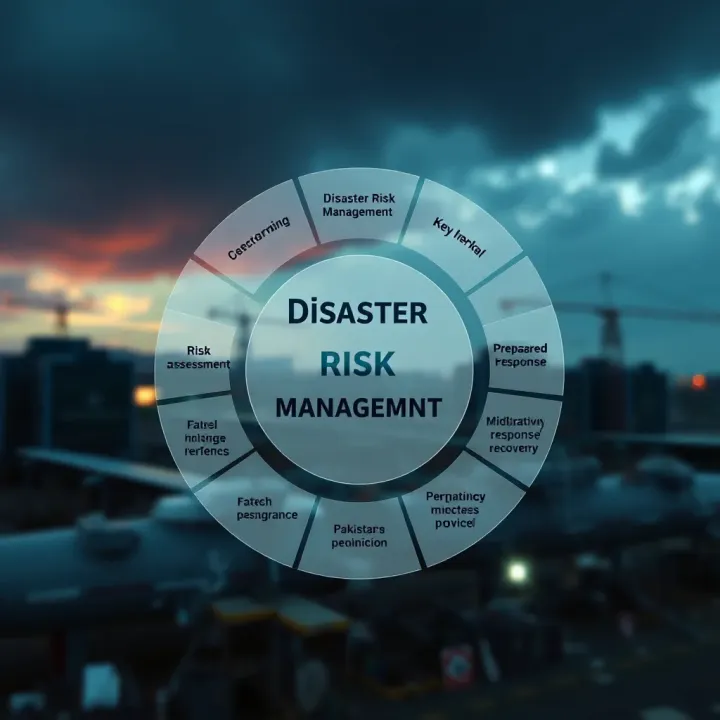
🌪️ Understand disaster risk management in Pakistan: risks, government and community roles, strategies for emergency response, risk reduction, and effective recovery.
Understand actuarial science & risk management in Pakistan 🧮📉 Explore principles, methods & real-world applications to tackle financial risks effectively.

📊 Explore practical risk management for Pakistani businesses—identify, assess & control risks while handling challenges in sectors affected by economic shifts & loadshedding.
Based on 14 reviews