

How Risk Management Boosts Business Success
Discover how smart risk management enhances decision-making, boosts financial stability, and drives growth in businesses and beyond 🛡️📊🌍.
Edited By
Benjamin Scott
Effective risk management is essential for any business operating in Pakistan, given the country’s economic fluctuations, regulatory shifts, and operational challenges like loadshedding or supply chain disruptions. Selecting the right tools helps businesses spot and handle risks before they spiral out of control.
Risk management tools come in various forms, from software applications to structured frameworks and hands-on techniques. For traders, investors, and financial analysts, these tools are critical in safeguarding investments and operations. Freelancers and students can also benefit by understanding how risks affect business environments and decision-making.

The scope of risk management in Pakistan often covers financial risks like currency devaluation or credit defaults, operational risks arising from infrastructure and workforce gaps, and compliance risks linked to FBR tax policies or PTA regulations.
A well-equipped business doesn’t just react to risks; it anticipates and prevents them, which requires practical tools tailored to the local context.
Some common categories of risk management tools include:
Risk assessment frameworks: Methods like SWOT analysis or Failure Mode and Effects Analysis (FMEA) that help pinpoint vulnerabilities systematically.
Financial forecasting software: Tools such as QuickBooks, Zoho Books, or customised Excel models widely used in Pakistan to project cash flows and assess financial health.
Compliance tracking systems: Platforms that alert firms about updates in tax laws, labour rules, or export-import regulations, helping avoid penalties.
Incident management solutions: Software and manual checklists to document, analyse, and learn from operational failures, including supply shortages caused by regional disruptions.
Understanding how these tools work and choosing the most suitable options can protect your business from unexpected losses. The next sections will explore these tools in detail, with practical examples from Pakistani businesses and advice on integrating them effectively.
Every business in Pakistan, whether a small startup in Lahore or a medium enterprise in Karachi, faces risks that can disrupt operations and impact profits. Understanding risk management tools is vital because these tools help organisations systematically identify, assess, and handle these challenges before they cause serious damage. For example, a textile exporter might use currency fluctuation tracking tools to shield itself from sudden rupee devaluation impacting costs.
Risk management is especially crucial in Pakistan due to the complex business environment characterised by political uncertainty, regulatory changes, unpredictable energy supply (loadshedding), and fluctuating market conditions. Consider a manufacturer in Faisalabad facing raw material price spikes or a restaurant in Islamabad navigating food supply disruptions during monsoon season. Effective risk management helps these businesses stay ahead of such hurdles, minimising losses and maintaining service delivery.
Pakistani businesses encounter several risk types, including:
Financial risks: currency volatility, inflation, credit defaults
Operational risks: energy shortages, supply chain delays, workforce strikes
Compliance risks: changes in tax policies from the Federal Board of Revenue (FBR), evolving safety regulations
Cybersecurity threats: increasing malware and ransomware attacks targeting local banks and corporations
For example, a financial firm in Karachi may actively monitor FBR policy shifts to avoid penalties and remain compliant.
Risk management tools support companies by organising data and providing clarity on potential hazards. Tools like risk registers help document and prioritise threats, while scenario analysis software enables simulation of possible risk impacts. In Pakistan, apps linking businesses to energy supply data or real-time currency rates empower managers to make quick decisions.
Well-implemented tools allow companies to move from guesswork to evidence-based risk management, shaping better strategies and better outcomes.
By using these tools, businesses can allocate resources efficiently, prepare for emergencies, and maintain stakeholder confidence. Whether through simple checklists or specialised software, these tools form the backbone of effective risk safeguards tailored to Pakistan’s unique economic and regulatory realities.
Identifying and assessing risks early helps Pakistani businesses avoid costly surprises. These tools bring structure to spotting potential threats and weaknesses before they become serious problems. From startups in Karachi to established firms in Lahore, reliable risk identification methods are the first step to making informed decisions and managing uncertainties effectively.
A risk register is essentially a detailed list where all identified risks get recorded systematically. It includes risk descriptions, likelihood, impact, and mitigation measures. This tool gives businesses a clear snapshot of what could go wrong and how severe each risk may be. For example, a manufacturing unit in Faisalabad might track supply chain interruptions or equipment failure with a risk register, assigning priority and responsible persons for each risk.
Risk mapping complements the register by providing a visual representation of risks on a chart or matrix. This helps decision-makers quickly see which risks are serious and need immediate attention and which ones are minor. In practical terms, a risk map might plot risks along axes such as ‘probability’ and ‘impact’, making it easier for management to focus resources efficiently. Small firms frequently use simple coloured matrices to highlight top risks.
SWOT analysis remains a popular tool for spotting internal and external risks by examining a company’s Strengths, Weaknesses, Opportunities, and Threats. In the Pakistani context, this can mean assessing factors like fluctuating exchange rates (external threat) or limited cash flow (internal weakness).
By conducting regular SWOT exercises, businesses can anticipate risks linked to market trends or operational challenges. For instance, a retail chain in Islamabad may realise that increasing online sales opportunities align with their strength in customer service but spot a threat in rising competition from e-commerce platforms like Daraz. Such insights pave the way for actionable risk mitigation plans.
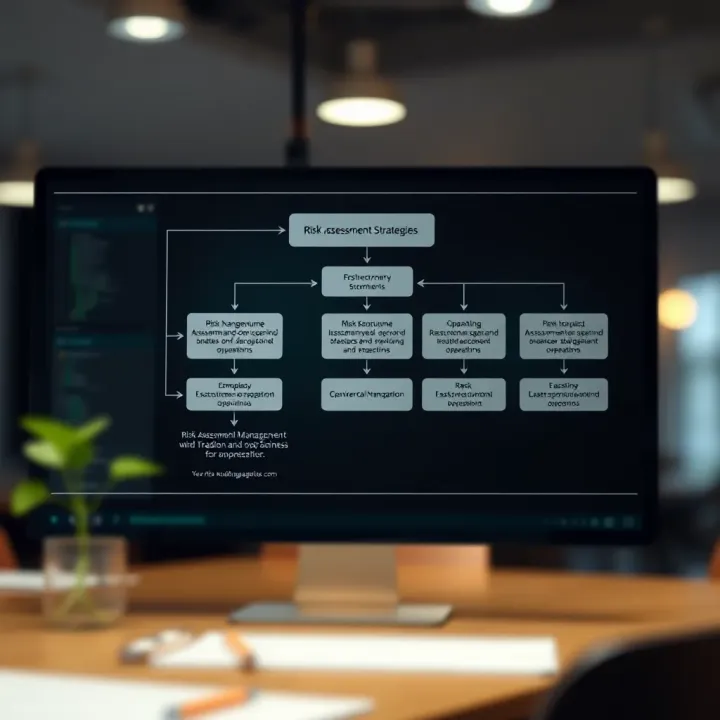
Scenario analysis involves imagining different future conditions to test how a business might respond to changes like sudden economic shifts, policy changes, or natural disasters. Stress testing, often used in finance, pushes a company’s assumptions to extreme conditions to ensure preparedness for worst-case scenarios.
Pakistani exporters may run scenario analyses reflecting currency devaluation or tariff changes, while banks commonly perform stress tests on loan portfolios to check resilience. These tools allow firms to build contingency plans based on realistic or severe situations, ensuring stability amid uncertainty.
Keeping a close eye on risk through these tools allows Pakistani businesses to make better decisions and safeguard their operations against surprises common in the local and international markets.
Technology plays a growing role in how Pakistani businesses identify, monitor, and minimise risks. In a market where financial volatility, operational challenges, and compliance risks are common, digital tools help organisations act swiftly and more precisely. These solutions range from project management software to data analytics and cybersecurity tools, making risk management more integrated and proactive.
Pakistani businesses widely use project management tools such as Microsoft Project, Trello, and Asana to track tasks, deadlines, and resources. These platforms include basic risk management features, like issue tracking and risk logs, helping teams spot potential bottlenecks early. For industries with complex projects, specialised software like Primavera or RiskyProject offers deeper risk analysis and simulation functions tailored for large-scale operations.
Startups and SMEs often prefer cost-effective solutions like Zoho Projects or ClickUp, which suit smaller teams but still support risk identification through task dependencies, reminders, and progress dashboards. These readily available tools provide practical benefits by organising workflows and highlighting risk areas, especially in fast-paced environments like Pakistani tech hubs.
Integrating risk management software with current enterprise resource planning (ERP) or accounting systems is vital in Pakistani businesses for seamless data sharing. This prevents manual data entry errors and ensures risk assessments reflect real-time business conditions. For example, linking project management tools with financial software like QuickBooks or local ERP solutions helps track budget risks alongside operational progress.
However, integration can pose challenges due to compatibility issues or limited IT infrastructure, particularly in smaller firms outside major cities. Businesses need to assess whether their existing systems support APIs or connectors for smooth integration. Training IT staff on these integrations also ensures that risk data flows naturally without disrupting daily operations.
Big data analytics enables Pakistani companies to uncover hidden risk trends from their large volumes of operational, financial, and customer data. For instance, banks use data analysis to detect unusual transactions that might indicate fraud, while manufacturing firms monitor machinery data to predict failure risks before they cause downtime.
By applying machine learning models, businesses can forecast market risks like demand fluctuations or supply disruptions common in Pakistan due to economic or political shifts. This predictive ability allows timely adjustments rather than reactive responses, saving costs and reputations.
Real-time risk monitoring through dashboards and alerts keeps decision-makers promptly informed about ongoing threats. For example, logistics companies use GPS and sensor data to track shipments and flag concerns like delays or theft, which helps them act fast.
Similarly, financial firms use real-time market data feeds to manage foreign exchange risks amid PKR volatility. These live insights minimise losses by enabling immediate risk mitigation steps instead of waiting for end-of-day reports.
With rising cyber threats in Pakistan, robust cybersecurity tools are essential for safeguarding business data. Firewalls, antivirus software, and encryption protect against common attacks, while multi-factor authentication adds a vital layer of defence through identity verification.
Companies handling sensitive information, such as customer CNIC data or financial records, must prioritise these measures to prevent costly breaches and regulatory penalties. For instance, banks and telecom operators invest heavily in these tools to maintain trust and comply with PTA guidelines.
Phishing attacks, ransomware, and insider threats rank high among challenges faced by Pakistani companies. These attacks often exploit limited cybersecurity awareness and outdated systems prevalent outside major urban centres.
For example, SMEs may fall victim to ransomware that locks business files until a ransom is paid, disrupting operations. Awareness programmes combined with cybersecurity tools like email filters and regular patching can reduce such risks effectively.
Businesses in Pakistan now face complex risks that demand technology-driven management. Using the right risk software, analytics, and cybersecurity measures strengthens resilience and boosts confidence in a challenging market environment.
Practical techniques for risk control and mitigation are vital for Pakistani businesses to manage uncertainties effectively. These techniques help in reducing potential damages, controlling exposure, and ensuring smoother operations. By applying targeted strategies, companies can avoid major pitfalls that might impact their financial health and reputation.
Risk avoidance means steering clear of activities that could result in significant losses. For example, a trader in Karachi might avoid investing in volatile sectors like cryptocurrencies without adequate knowledge. On the other hand, risk reduction focuses on lessening the impact or likelihood of a risk event. A small business in Lahore may reduce operational risk by using backup generators during frequent loadshedding, ensuring continuity.
Simple steps like diversifying suppliers to prevent supply chain disruptions or implementing safety protocols to reduce workplace accidents are common risk reduction methods. Pakistani firms that actively monitor market changes and adapt their plans promptly tend to handle risks better. These strategies require ongoing commitment and decision-making based on real-time information.
Selecting the right insurance cover is one of the most practical risk transfer tools for businesses. It involves understanding specific risks your business faces and finding policies that cover these adequately. For instance, manufacturers in Pakistan should consider fire and machinery breakdown insurance, while exporters may need marine cargo insurance.
A concise review of policy terms, coverage limits, premiums, and claim procedures is essential before finalising business insurance. Working closely with reputable insurance companies or brokers helps avoid gaps in protection. Insurance not only reduces financial strain after an incident but also supports business credibility by assuring stakeholders.
Insurance penetration in Pakistan remains low, but its importance is growing, especially among SMEs and larger enterprises. Political instability, natural disasters such as floods, and infrastructure challenges increase the necessity for insurance. Many businesses now see insurance policies as a safety net to survive sudden shocks.
Besides traditional risks, cyber insurance is gradually gaining attention, addressing increasing digital threats. Despite some hesitation due to cost concerns, informed Pakistani businesses recognise that appropriate insurance is an investment to secure long-term viability, making it an essential piece of the risk management puzzle.
Business continuity planning (BCP) means preparing to keep critical operations running during disruptions. This is especially relevant in Pakistan, where factors like power outages, security issues, and natural calamities may halt business processes. A retail chain, for example, might arrange multiple suppliers and invest in emergency communication systems to keep services running.
Disaster recovery focuses on restoring IT systems and data after a failure or cyberattack. Implementing regular data backups with cloud services and testing recovery plans ensures minimal downtime. Pakistani digital start-ups and financial firms often rely on such strategies to maintain client trust and comply with regulations.
Establishing these practical techniques helps businesses not only survive risks but also build resilience in an uncertain market environment. Strong risk control measures provide peace of mind and a solid foundation for growth.
By combining avoidance, transfer via insurance, and continuity planning, Pakistani businesses can turn risks from threats into manageable challenges.
Building a risk-aware culture begins with equipping teams with the right tools and knowledge to spot, understand, and address risks proactively. For Pakistani businesses dealing with financial fluctuations, regulatory shifts, or operational challenges like loadshedding, embedding risk awareness across all levels can reduce surprises and losses. Tools alone cannot do the job without people trained to use them effectively and clear communication to keep risk information flowing.
Training programmes help employees understand what risks mean for their specific roles and how to respond. For example, in a textile factory in Faisalabad, staff might be trained to identify supply chain disruptions caused by transport strikes or material shortages. Awareness workshops can demonstrate how delays translate into financial losses or damage to client relationships. Such initiatives work best when repeated regularly and combined with simulations or real-life case studies tailored to local conditions. In Pakistan, where many SMEs struggle with formal training budgets, even short online sessions or simple in-house talks can be very effective.
Involving all key stakeholders—management, staff, suppliers, and sometimes even customers—ensures risk gets a full picture from different perspectives. When a Karachi-based logistics firm includes drivers and warehouse staff in risk discussions, they uncover practical issues like security hotspots or inefficient routes that might not appear in top-level reports. This inclusion builds ownership and encourages quicker reporting of new risks. Stakeholder meetings can use risk registers or dashboards updated with real-time data, allowing everyone to track changes and responses at once.
Clear and timely communication is vital. Modern tools such as WhatsApp groups, Slack, or Microsoft Teams help teams share risk updates, alerts, and mitigation plans instantly. For businesses in Pakistan where mobile internet has wide reach, these platforms can be lifesavers during crises—for instance, alerting sales teams about sudden import restrictions or changes in government policy. Using cloud-based dashboards linked to these platforms also means that updated risk data is always accessible to decision-makers, improving response times and coordination.
A risk-aware culture is not about eliminating risk but managing it smartly through shared understanding and timely action. Tools are the enablers, but people and communications make it happen.
By focusing on training, stakeholder involvement, and practical communication platforms, Pakistani businesses can strengthen their risk management framework, turning challenges into manageable tasks rather than threats.
Discover how smart risk management enhances decision-making, boosts financial stability, and drives growth in businesses and beyond 🛡️📊🌍.
Understand actuarial science & risk management in Pakistan 🧮📉 Explore principles, methods & real-world applications to tackle financial risks effectively.

📈 Master 35 essential candlestick patterns to boost your trading. Learn how to read charts, spot trends, and make smarter market decisions today!

📊 Explore the ins and outs of binary options trading in Pakistan, from how it works and its legal aspects to risks, trusted platforms, and scam prevention tips.
Based on 5 reviews