
Understanding Forex Trading for Pakistani Traders
📊 Understand forex trading essentials, market trends, risk management & Pakistan's regulations. A practical guide for Pakistani traders seeking informed currency trading success.
Edited By
Thomas White
Forex trading daily volume refers to the total amount of currency traded within a single day in the foreign exchange market. This figure provides a snapshot of market activity, showing how many currency units change hands between buyers and sellers. For traders, investors, and analysts, understanding daily volume helps gauge the market’s liquidity and potential volatility.
Liquidity means how quickly and easily an asset can be bought or sold without affecting its price. Higher daily trading volume usually signals better liquidity, which helps traders enter or exit positions smoothly. For example, the US dollar (USD) paired with the Pakistani rupee (PKR) tends to have considerable daily volume, offering good liquidity for local traders.
Volatility refers to the price fluctuations within the trading day. Sharp increase or decrease in volume often indicates upcoming price swings. For instance, during Pakistan's budget announcements or significant global events, forex volumes may spike, leading to unpredictable price movements.
Several factors influence daily forex trading volume:
Economic news and reports: GDP growth numbers, inflation data, or the State Bank of Pakistan’s monetary policy decisions affect trading interest.
Market hours: Overlaps between major trading centres like London and New York increase volume.
Geopolitical events: Political instability in Pakistan or global conflicts often boost market activity.
Traders and financial institutions use daily volume data to filter signals from noise. High volume confirms strong trader interest, making price trends more reliable. Conversely, low volume may lead to false breakouts or unpredictable price swings.
In summary, understanding daily forex trading volume equips market participants with insights into market strength and risk. It plays a direct role in shaping trading strategies, especially within volatile markets like the PKR/USD pair.
Next, we will explore how global forex volume trends impact Pakistan and what this means for local traders and investors.
Forex trading daily volume refers to the total quantity of currency exchanged during a single trading day across the foreign exchange market. This figure is a key metric for traders, investors, and financial analysts because it reflects market activity, liquidity, and investor interest. Understanding daily volume helps traders gauge whether the market is active or quiet, which in turn affects trading strategies and risk management.
In simple terms, daily volume in the forex market measures how many currency units change hands in a day. Unlike stock markets where volume counts individual shares traded, forex volume typically aggregates all trades involving currency pairs around the globe. For example, if the EUR/USD pair shows a daily volume of 1.5 trillion USD, it means that currency trades worth 1.5 trillion USD occurred on that day.
Because forex operates 24 hours across different time zones and includes multiple trading centres like London, New York, Tokyo, and Sydney, the daily volume is cumulative across these sessions. This global structure means the volume can fluctuate widely depending on local market hours and economic news releases.
While daily volume focuses on the amount of currency traded, turnover refers to the total value of those trades in terms of currency units. Some use the terms interchangeably, but their distinction matters in analysis. For instance, you could have high turnover (large sums exchanged) but low volume if fewer but larger trades occur. Conversely, high volume with lower turnover suggests many small trades.
To illustrate, imagine a Pakistani forex brokerage reporting a daily turnover of Rs 100 crore but volume shows 500,000 units traded. This information helps traders understand whether liquidity comes from many small retail traders or fewer big players.
Accurately interpreting volume and turnover offers insight into market sentiment, liquidity, and potential price movements.
Understanding these concepts allows traders to make better decisions, such as identifying when the market is poised for volatility or when liquidity might dry up. It also supports the timing of trades in relation to global sessions and economic events, which is especially useful in Pakistan’s growing forex trading scene.
By tracking daily volume alongside turnover, traders can improve their ability to anticipate market trends and manage risk effectively.
Daily trading volume is a key factor that shapes how the forex market behaves on any given day. It heavily influences both liquidity and price movement, which are vital for traders and investors when planning their strategies.
Market liquidity refers to how easily currencies can be bought or sold without affecting their price significantly. Higher daily volume typically means more liquidity. For example, during the London-New York overlap session, the forex market sees its peak trading volume, making it easier for traders to enter or exit positions swiftly. In contrast, during off-peak hours, such as late Asian session, lower volume can cause wider spreads and delays.
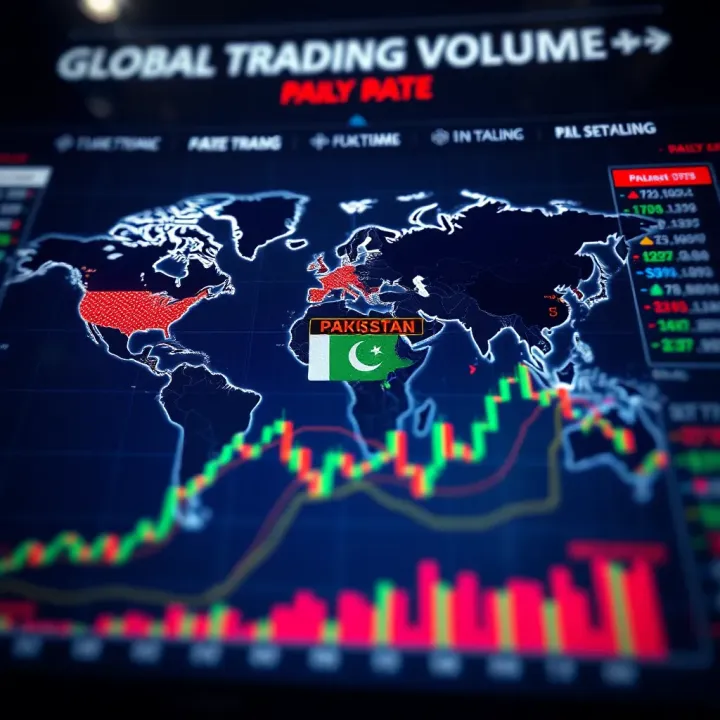
More liquidity reduces transaction costs and slippage, benefiting day traders and institutional investors alike. Without sufficient volume, even large orders can move prices considerably, which complicates execution and increases risk.
Price volatility relates to the speed and extent of price changes during trading. Volume affects volatility in a somewhat paradoxical way. Higher volume often supports sharper price moves but also provides a stabilising effect because many participants balance the buying and selling pressure.
For instance, during major economic announcements—like the US Federal Reserve interest rate decision—volume surges dramatically. This influx can cause sharp price swings (high volatility) as traders react to new data. Conversely, low volume periods can lead to erratic price changes caused by fewer market players, where even small amounts of buy or sell orders can trigger disproportionate moves.
Understanding the link between volume, liquidity, and volatility helps traders decide when to take action and how to manage risk effectively.
In summary, daily trading volume acts like the pulse of the forex market, indicating how smoothly trades can happen and how wild or calm price swings might be. Keeping an eye on volume alongside other market factors gives you an edge, especially in Pakistan’s dynamic trading environment where global events and local factors intertwine closely.
Understanding the main factors driving forex trading volume helps traders and analysts predict market movements and optimise their strategies. Volume fluctuates not just randomly but in response to specific triggers that can often be monitored or anticipated. This section examines three key drivers: global economic events, central bank policies, and the timing of market sessions.
Global economic events significantly impact forex trading volume by shifting demand for different currencies. For instance, during the US Federal Reserve’s release of employment data, trade volume spikes sharply as traders react to the health of the US economy. Similarly, geopolitical events such as Brexit negotiations or tensions in the Middle East cause sudden surges in volume as investors seek safer currencies or reposition their portfolios. Pakistani traders can observe increased activity in USD/PKR or EUR/USD pairs around major announcements by the International Monetary Fund (IMF) or World Bank, reflecting confidence or concern about global economic stability.
Central bank moves shape forex volume through interest rate decisions, monetary easing, or tightening policies. When the State Bank of Pakistan (SBP) alters the policy rate, currency trading volume jumps as investors evaluate the rupee’s attractiveness compared to other currencies. For example, an unexpected SBP rate hike in an effort to curb inflation usually results in heavier trading in PKR pairs as the market adjusts to new yield dynamics. Likewise, announcements from the European Central Bank or Bank of England prompt widespread volume changes globally. Central banks using forward guidance can also influence trader behaviour before the actual policy changes, affecting daily volume well in advance.
Forex is a 24-hour market, but volumes vary significantly with time zones and trading sessions. The three main sessions—Asian, European, and North American—each bring unique activity levels. The London session, for example, is often the busiest due to its overlap with both Asian and US markets, resulting in peak volume. Pakistani traders particularly see increased forex activity between 3:00 pm and 11:00 pm PKT when London and New York markets operate simultaneously. Conversely, the Asian session, covering markets such as Tokyo and Singapore, tends to have lower volume, but it still impacts pairs like USD/JPY. Understanding these timing dynamics helps traders plan entry and exit points more effectively.
Daily forex volume is not random but shaped by clear events, policies, and time zones. Traders who monitor these drivers gain an edge in predicting when markets will be active and how volume will affect price moves.
Daily volume data offers valuable insight for traders seeking an edge in the forex market. It reflects the total number of contracts or lots traded within a given day, revealing the strength behind price moves. By observing volume alongside price patterns, traders can validate trends or spot potential reversals.
Volume indicators, such as the On-Balance Volume (OBV) and Volume Weighted Average Price (VWAP), translate raw volume into actionable signals. OBV combines price direction with volume to detect accumulation or distribution phases. For example, if a currency pair’s price rises but OBV fails to follow, it may hint at weak buying interest and a possible reversal.
VWAP, on the other hand, helps identify average trading prices weighted by volume, assisting intraday traders in assessing whether the market is bullish or bearish. Pakistani traders active on short timeframes can use VWAP to time entries and exits, especially around major news releases affecting currencies like PKR or USD.
Volume Profile is another practical tool that shows volume distribution at price levels. This helps locate strong support and resistance zones, particularly useful in choppy markets where price alone might mislead.
Incorporating volume data into risk management can improve trade clarity. Higher volume typically means better liquidity, reducing slippage and enabling traders to execute stop-loss orders at intended prices. Conversely, low volume periods can signal erratic price behaviour and wider spreads, increasing execution risk.
For instance, a trader preparing to enter a position during Pakistan's market hours would do well to check volume trends to avoid illiquid sessions. This is particularly relevant for PKR pairs, where trading activity shrinks during international market holidays or overnight.
Furthermore, volume spikes often precede sharp price movements, offering early warnings of increased risk. Traders can adjust their position size or tighten stops in response. Monitoring daily volume changes alongside volatility measures helps maintain a disciplined risk approach.
Volume data is not just a confirmation tool but a risk signal that helps traders navigate the forex market with greater confidence and precision.
Using daily volume data effectively demands combining it with price action and other technical tools to ensure well-rounded analysis. This approach helps Pakistani traders and others to make informed decisions, minimise losses, and seize more reliable trading opportunities.
Understanding global trends in forex trading volume offers valuable insights into market behaviour and helps traders anticipate shifts in liquidity and volatility. Tracking these trends allows investors to identify which currencies or regions attract heightened activity, influencing trading opportunities and risk management.
The major forex markets, primarily London, New York, and Tokyo, dominate daily trading volume with London alone responsible for roughly 30%-40% of global forex turnover. London’s role as a financial hub connects it to key currency pairs such as USD/EUR and GBP/USD. New York follows closely, especially during overlapping hours with London, driving volume spikes around economic data releases.
Tokyo represents the Asian session, influencing JPY pairs and contributing significantly despite time zone differences. These hubs reflect the concentration of institutional traders, banks, and hedge funds that keep liquidity high during their market hours.
For example, during Pakistan’s day time, market volume in London and New York is usually lower, causing thinner liquidity in certain pairs. Traders in Pakistan need to consider these volume fluctuations to adjust their trading times or strategies accordingly.
Emerging markets have steadily increased their presence in forex trading, driven by economic growth and global integration. Countries like India, Brazil, and South Africa have seen a rise in currency trading volume as local investors and international players explore opportunities beyond traditional developed markets.
In Pakistan, specifically, the State Bank’s recent efforts to stabilise the rupee and regulate the foreign exchange market have encouraged more participation from local banks and businesses in forex trading. This growth means that forex pairs involving emerging market currencies, such as PKR/USD or INR/USD, are gaining more attention and volume.
This shift impacts trading dynamics as emerging market volumes tend to be more volatile, influenced by political events, commodity prices, and capital flows. Active traders should treat emerging market currency pairs with caution but also see the potential for higher returns, especially when volume data indicates building momentum.
Monitoring volume trends from major global hubs and emerging markets helps traders better time entries and exits, manage risk, and spot emerging opportunities that are not visible through price action alone.
In summary, global forex volume trends reveal where liquidity pools are deepest and how emerging markets are reshaping traditional trading landscapes. For informed traders, staying updated on these trends helps in crafting strategies that align with shifting market currents.
Forex trading volume provides a crucial lens through which Pakistani traders can understand market participation and price movements. Unlike stocks, forex is a decentralised market, so official volume data isn’t always transparent. However, local brokers often offer insights about volume trends, which help traders assess market liquidity and decide when to enter or exit trades effectively.
Pakistani forex brokers, such as those regulated by SECP (Securities and Exchange Commission of Pakistan), typically aggregate volume data from their client networks and liquidity providers. This gives traders a practical perspective on real-time market activity, especially during key sessions like the London or New York windows. For example, brokers often report spike in trading volume around major announcements like SBP's monetary policy decisions or global economic reports, indicating heightened liquidity and volatility.
Moreover, local brokers sometimes offer volume-based tools or indicators within their trading platforms. These can include volume histograms or tick volume estimates, which show the intensity of trades happening. Such insights help traders spot trends or reversals; for instance, increasing volume during a price breakout in USD/PKR could suggest a strong directional move.
Volume information is particularly useful in Pakistan's forex scene due to several local factors influencing market behaviour. Political events, currency intervention by SBP, or geopolitical tensions often trigger sudden changes in volume and price. Maintaining awareness of volume shifts helps traders avoid false breakouts or ill-timed trades.
Additionally, as Pakistani traders rely heavily on retail brokers, volume patterns can reveal shifts in market sentiment among local participants. For example, rising volumes in the PKR against USD on JazzCash or Easypaisa-enabled platforms during a specific event may indicate increased retail interest or speculative activity.
Volume acts as a confirming indicator — when price movement is supported by high volume, it usually carries more conviction. This is especially relevant in Pakistan, where market uncertainties often create sharp, unpredictable moves.
Understanding daily forex trading volume empowers Pakistani traders to align their strategies with the market's rhythm, improving timing and risk management. It sharpens the ability to interpret price actions within the local economic and political context, where factors like currency reserves levels, import payments, and remittance flows also sway forex volumes.
In summary, volume insights offer a tangible edge for Pakistani traders navigating a complex market environment marked by unique local challenges and global influences.
📊 Understand forex trading essentials, market trends, risk management & Pakistan's regulations. A practical guide for Pakistani traders seeking informed currency trading success.
Learn forex trading basics in Urdu 🇵🇰, understand key concepts, risks, and practical steps to start trading foreign exchange confidently in Pakistan's market.
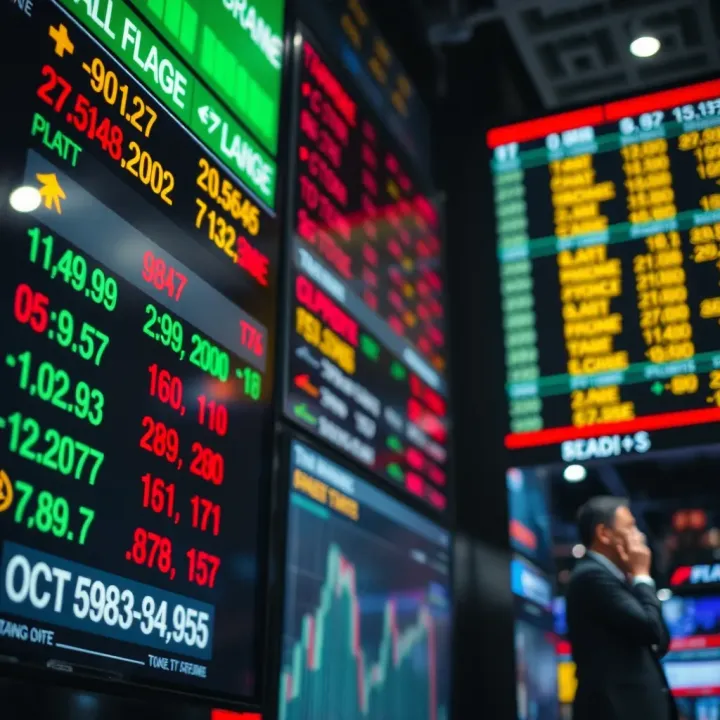
📈 Learn how to start forex trading in Pakistan confidently. Understand market basics, regulations, risks, and strategies with practical local tips for aspiring traders.
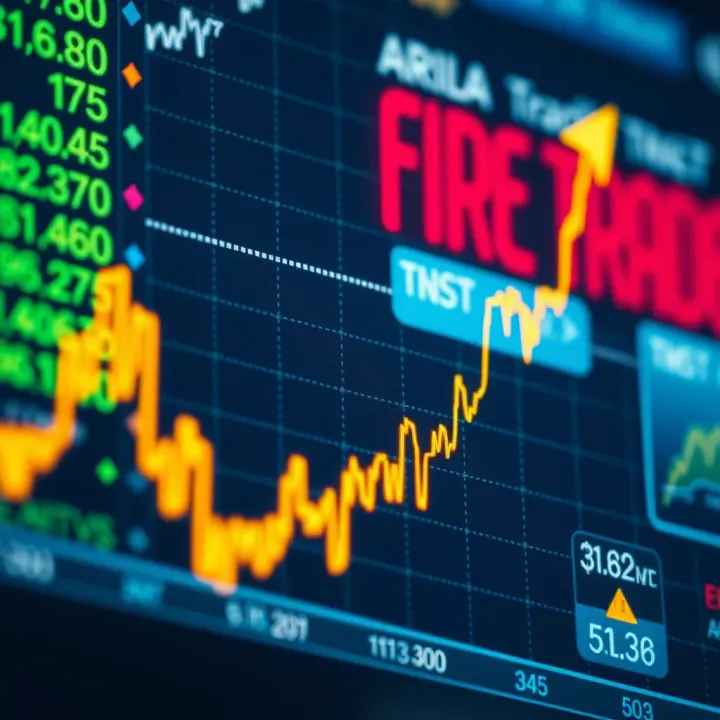
📈 Start forex trading in Pakistan with this practical guide! Learn to pick brokers, set accounts, master strategies, manage risks, and navigate legal rules confidently.
Based on 9 reviews