
Choosing the Best Forex Indicator for Trading Success
🔍 Find the right forex indicator to boost your trading! Learn their pros and cons to match your style for smarter, clearer market decisions. 📈
Edited By
Ethan Gallagher
Forex trading, or foreign exchange trading, involves buying and selling currencies with the goal of making a profit from changes in exchange rates. For Pakistani traders, this market offers opportunities beyond traditional investments such as stocks or real estate, due to its liquidity and 24-hour operation.
The currency pairs traded reflect the economic health, interest rates, and geopolitical events affecting countries. For example, the USD/PKR pair is closely watched as it impacts import costs and remittances for millions of Pakistanis. Even small fluctuations can have noticeable effects on businesses and individuals.
Understanding forex requires grasping key concepts like "pip", which is the smallest price change in a currency pair, and "leverage", which lets traders control larger positions with a smaller capital. While leverage can magnify profits, it also increases the risk of losses, so cautious use is vital.
Trading platforms like MetaTrader 4, offered by brokers regulated under Pakistan Telecommunication Authority (PTA) and State Bank of Pakistan (SBP) guidelines, provide real-time charts and analysis tools crucial for decision-making. Selecting a reliable broker is important, especially to avoid scams and ensure fund safety within Pakistan's regulatory framework.
Always remember, forex trading is not a get-rich-quick scheme. It requires sound knowledge, disciplined risk management, and staying updated on both global and local economic developments.
In this guide, you will find practical insights on how the forex market works, key factors affecting currency prices, regulatory concerns specific to Pakistan, and methods to handle risk intelligently. Whether you're a student, freelancer, or trader, understanding these basics forms the foundation to trade confidently and responsibly in Pakistan’s forex market.
Understanding the basics of forex trading is key for Pakistani traders aiming to enter currency markets confidently. This foundation lays out how forex operates, the main currencies involved, and the players shaping price movements. Grasping these elements helps traders make informed decisions rather than relying on guesswork.
Forex trading means buying one currency while simultaneously selling another. It serves as the global marketplace where currencies are exchanged, mostly for purposes like trade, investment, or speculation. For Pakistani traders, this market offers opportunities to profit from currency value fluctuations, such as the PKR exchange rate against the US dollar or euro.
Traders aim to capitalise on differences in exchange rates by predicting if a currency will strengthen or weaken. For example, if the PKR is expected to depreciate compared to the US dollar, a trader might sell PKR and buy dollars, potentially making gains when the rates shift as predicted.
The forex market centres on a few major currencies that dominate global trade: the US dollar (USD), euro (EUR), Japanese yen (JPY), British pound (GBP), Swiss franc (CHF), Canadian dollar (CAD), and Australian dollar (AUD). These currencies form pairs like USD/PKR, EUR/USD, or GBP/JPY.
Among these, USD/PKR is crucial for Pakistani traders, directly affecting import/export businesses and remittances. Frequently traded pairs, called "majors," tend to be more liquid with tighter spreads, making trading cost-effective. Lesser-known "exotic" pairs like PKR/INR exist but often face higher volatility and liquidity challenges.
Banks serve as the backbone of forex, conducting large currency exchanges for clients and themselves. Brokers act as intermediaries, providing Pakistani traders access to the market. These brokers often offer trading platforms, leverage, and educational tools.
Individual traders, including freelancers and investors from Pakistan, participate through these brokers seeking profit. Knowing the roles of these participants helps in choosing trustworthy brokers and understanding liquidity sources.
Exchange rates represent the value of one currency against another and fluctuate due to supply-demand dynamics. For instance, if Pakistan’s economic outlook worsens, demand for PKR may fall, lowering its exchange rate against the dollar. Traders monitor economic data, central bank policies, and geopolitical events to anticipate these movements.
Understanding how rates respond to news and fundamentals enables traders to time entries and exits effectively, reducing risks tied to unpredictable changes.
Forex operates 24 hours on weekdays, split into sessions: Asian, European, and American. The overlap between sessions, like London and New York, offers the highest liquidity, meaning more active trading and tighter spreads.
For Pakistani traders, starting during the Asian session might feel convenient as it coincides with working hours. Still, knowing when markets are active helps plan trading strategies and avoid periods of low liquidity, which can cause slippage and wider spreads.
Forex trading is not a one-size-fits-all; understanding market basics allows you to tailor your approach based on when and what to trade effectively.
By grasping these basics, Pakistani traders can develop practical strategies and avoid common pitfalls tied to unfamiliarity with market mechanics.
Understanding what drives currency values is essential for every forex trader. Several factors shape forex prices, from economic indicators to political events and market psychology. Pakistani traders, especially, should keep an eye on these elements as they directly affect the Pakistan Rupee (PKR) and other currencies.
Interest rates and monetary policy play a major role in forex trading. When the State Bank of Pakistan (SBP) raises interest rates, it tends to attract foreign investment because investors seek higher returns. This demand for PKR can strengthen the currency. Conversely, a rate cut might weaken PKR as returns lessen. Traders watch SBP announcements closely around monetary policy review days, adjusting positions based on expectations of rate changes.
Inflation rates and GDP data also impact forex prices. Higher inflation generally weakens a currency because it reduces purchasing power, while robust GDP growth signals a strong economy, attracting foreign capital. For instance, if Pakistan's inflation rises unexpectedly, the PKR might fall against the dollar, reflecting reduced confidence. On the other hand, positive GDP growth reports can boost PKR as investors expect better economic stability.
Government policies and elections can create volatility in currency markets. Policy changes like tax reforms or foreign investment rules alter economic prospects and investor confidence. Elections bring uncertainty about future directions; traders may pull back from the PKR until political stability is clearer. For instance, before the 2018 general elections, the PKR saw fluctuations as traders anticipated the impact of new government policies.
Global economic developments also affect forex prices. Crises like oil shocks or trade disputes can shift currency demand worldwide. Pakistan, dependent on imports like oil, feels those effects strongly. If oil prices spike due to Middle East tensions, PKR usually weakens as import bills swell, pushing the balance of payments under pressure.
Trader psychology influences forex trends significantly. Fear and greed often drive sudden moves; a general belief that PKR will fall might lead many traders to sell it, accelerating the decline. Understanding such sentiment helps anticipate price changes beyond fundamental news.
Technical analysis tools assist traders in reading market patterns and trends. Tools like moving averages or Relative Strength Index (RSI) highlight entry and exit points. For example, if the PKR/USD pair breaks a resistance level on the chart, technical traders may buy, expecting further gains. Pakistani traders often combine these tools with fundamental insights to make balanced decisions.
Forex prices do not move randomly; economic data, political stability, global events, and trader behaviour all contribute to currency movements. Following these factors helps Pakistani traders make informed decisions with better timing and risk management.
In summary, keeping an eye on these key drivers enriches understanding of market pulses and improves trading strategies tailored to Pakistan’s unique economic and geopolitical situation.
Starting forex trading in Pakistan requires understanding local market conditions and the regulatory framework. This is essential to avoid pitfalls and make informed decisions. Setting up a proper trading account, knowing the legal boundaries, and choosing the right tools can save you both time and money. For example, a trader in Karachi who picks an unreliable broker might face challenges withdrawing profits, or a lack of knowledge about regulations might lead to unnecessary legal trouble.
Choosing a reliable broker is the first step. It’s crucial to select a broker authorised and regulated by recognised bodies, preferably those recognised by the Securities and Exchange Commission of Pakistan (SECP) or international regulators with strict standards. Pakistani traders often check for brokers offering local customer support, transparent fees, and a good reputation among the trading community. For instance, brokers like IG Markets or XM, which provide clear terms and access to well-known platforms, are better choices compared to unregulated ones promising unrealistic returns.
Account types and requirements vary between brokers but usually include standard, mini, and micro accounts to accommodate different trading volumes and capital availability. In Pakistan, initial deposits might range from $100 to $1000 (roughly Rs 15,000 to Rs 150,000), depending on the broker. Traders should consider account features such as leverage options, spreads, and execution speed. Some brokers offer Islamic accounts complying with Shariah principles, which can be relevant for many Pakistani users.
The State Bank of Pakistan (SBP) regulates foreign exchange in local markets and oversees that forex trading doesn't violate currency laws, while the SECP monitors brokers and financial service providers offering forex-related services within Pakistan. Pakistani traders must ensure their brokers comply with these authorities to trade safely. Ignoring this may lead to blocked accounts or legal complications.
Ensuring compliance and safety means verifying broker licences, understanding tax implications, and knowing reporting requirements. For example, profits from forex trading are taxable under the Income Tax Ordinance; failure to declare earnings can cause issues. Additionally, using platforms that secure client data and fund segregation helps protect traders from fraud or insolvency situations.
MetaTrader (both MT4 and MT5) remains the most popular global platform among Pakistani traders due to its user-friendly interface, advanced charting tools, and automated trading support. Local platforms have also emerged, offering tailored features and sometimes better customer service for regional traders. Choosing a platform that supports the languages, asset types, and execution styles you prefer is key to smooth trading.
Mobile trading and connectivity considerations are particularly important in Pakistan, where internet quality can vary. Reliable mobile apps for MetaTrader and other platforms allow traders to act on market movements on the go, crucial during volatile periods or when market hours extend late into the night. That said, having backup options like a second connection or WAPDA internet can save you from missing critical trades during disruptions like loadshedding or network outages.
Getting started well means more than just opening an account; it is about understanding the ecosystem you operate in, choosing trusted tools, and being aware of legal boundaries that protect your investment and efforts.
Traders in the forex market, especially in Pakistan, must understand that having a solid strategy combined with effective risk management can make the difference between profit and loss. Strategies help decide when to enter and exit trades, while risk management protects your capital from unexpected swings. Without these, trading becomes more of a gamble than an informed activity.
Day trading and swing trading cater to different trading styles and timelines. Day trading involves opening and closing positions within the same day to capitalise on small price movements. This approach demands constant monitoring and quick decision-making. For example, a Pakistani trader might take advantage of the volatile PKR/USD pair during market hours to gain quick profits, but this requires discipline to avoid losses due to sudden market shifts.
Swing trading, on the other hand, spans several days or weeks. It aims to capture larger price swings by analysing broader trends. This suits traders who cannot watch the screen all day. For instance, if the PKR is trending weaker against the dollar due to expected monetary policy changes by the State Bank of Pakistan, a swing trader might hold a position for days to benefit from that move.
Using technical and fundamental analysis offers traders tools to make informed decisions. Technical analysis focuses on price charts, patterns, and indicators like moving averages or RSI to predict future price movements. This helps day traders quickly spot entry points or trend reversals, especially on popular platforms like MetaTrader.
Fundamental analysis examines underlying economic factors affecting currency values. For Pakistani traders, keeping an eye on Inflation, GDP growth, SBP interest rate decisions, or geopolitical events can guide longer-term trades. For instance, an unexpected hike in SBP's policy rate could strengthen the PKR, which fundamental traders would anticipate in their positions.
Setting stop-loss and take-profit levels is essential to protect your investment and lock in profits. A stop-loss automatically closes your trade if the price moves against you by a set amount, limiting potential losses. Say you bought EUR/USD at 1.1000; setting a stop-loss at 1.0950 means you only risk 50 pips if the price drops.
Take-profit works similarly but closes your trade once a target profit is reached. This discipline helps avoid the common mistake of holding positions too long hoping for extra gains, which can backfire during sudden reversals.
Importance of leverage control can’t be overstated. Forex brokers often offer high leverage ratios, like 100:1, allowing traders to control large positions with little capital. However, this magnifies both profits and losses. Managing leverage wisely means using only what you can afford to lose. For example, Pakistani traders using a small account should consider low leverage to avoid quick account wipeouts caused by typical PKR volatility.
Discipline and patience are cornerstones of successful trading. Sticking to your strategy, even during a losing streak, prevents impulsive decisions. A trader might have a well-reasoned plan to enter trades only when certain conditions align but impatience can lead to early exits or chasing losses. Developing patience helps ride profitable trends and accept small controlled losses.
Avoiding emotional decision-making keeps you objective. Trading can stir feelings like fear, greed, or frustration that tempt rash moves. For example, after a sudden market drop, emotions might push a trader to close all positions in panic, potentially missing a market rebound. Recognising these emotions and using tools like predefined stop-loss orders help in making rational decisions.
Consistently applying strategies with solid risk controls while maintaining emotional balance forms the backbone of sustainable forex trading success, particularly in markets as unpredictable as Pakistan's.
Develop and test your strategy before committing real money.
Always set stop-loss and take-profit levels to manage risk.
Use leverage sparingly and understand its implications.
Be patient and disciplined, sticking to your plan through market ups and downs.
Remain emotionally detached to prevent impulsive decisions.
These practices together help Pakistani forex traders navigate local currency volatility and global market swings more confidently.
Pakistani traders face a unique mix of challenges and opportunities in the forex market due to the country’s economic environment and regulatory framework. Understanding these factors is key to making informed decisions and managing risks effectively. Local market dynamics, currency fluctuations, and access to quality education are among the main considerations that shape trading strategies.
The Pakistani Rupee (PKR) is known for its volatility against major currencies, especially the US dollar. This volatility stems from trade imbalances, fluctuating foreign exchange reserves, and shifting investor confidence. For example, during times of budget deficits or political instability, PKR often depreciates rapidly, affecting forex traders directly.
This currency movement can offer opportunities for profit but also increases risk. Traders must closely follow economic reports such as the State Bank of Pakistan’s monetary policy announcements and external factors like remittance inflows. For instance, a steady increase in remittances during Eid season can temporarily strengthen the PKR, offering short-term trading windows.
Government economic measures, including import tariffs, tax policies, and monetary tightening, significantly impact currency values. For example, a hike in interest rates by the State Bank of Pakistan typically causes the PKR to strengthen, attracting foreign portfolio investment. On the other hand, geopolitical tensions with neighbouring countries or instability in global markets can trigger sudden PKR depreciation.
Such factors mean Pakistani traders must stay updated on both domestic policy changes and international developments. A trader who overlooks a major political event—say, an unexpected election outcome—risks facing sharp market swings. Having a plan to respond swiftly to such news is critical.
Many Pakistani traders rely on a mix of local seminars, online courses, and international websites to learn forex. However, the quality varies widely. Local resources are often more contextualised, explaining how Pakistan's specific conditions affect forex trading. International content typically offers broad strategies but may overlook regional nuances.
For example, understanding the impact of Pakistan’s currency controls or PTA regulations requires local expertise. New traders should seek out content from trusted Pakistani financial educators or well-known global platforms tailored for South Asian markets to build a solid foundation.
Being part of a trading community or receiving mentorship can make a big difference. Pakistani forex traders often gather in online forums, social media groups, or attend local meetups to exchange market insights and practical tips. This peer learning can help newcomers avoid common pitfalls and learn from experienced traders' successes and mistakes.
Having a mentor familiar with the forex environment in Pakistan can also guide smart risk management and help interpret market signals more accurately. Many beginners find this support valuable to stay disciplined and avoid emotional decisions during fast-moving market changes.
Successful forex trading in Pakistan requires combining a clear understanding of local challenges with continuous learning and community engagement. This balanced approach helps traders seize opportunities while managing risks better in a volatile market.
Stay updated with State Bank of Pakistan’s policies and geopolitical developments.
Use reliable, Pakistan-specific educational resources alongside global content.
Engage with local trading communities and seek mentorship for practical guidance.
This knowledge equips Pakistani traders to navigate the forex market’s complexities and improve their trading outcomes effectively.
🔍 Find the right forex indicator to boost your trading! Learn their pros and cons to match your style for smarter, clearer market decisions. 📈
Discover how to choose the best forex trading platform for Pakistani traders 🇵🇰. Compare features, fees, and tools to succeed in Pakistan’s forex market 📈.
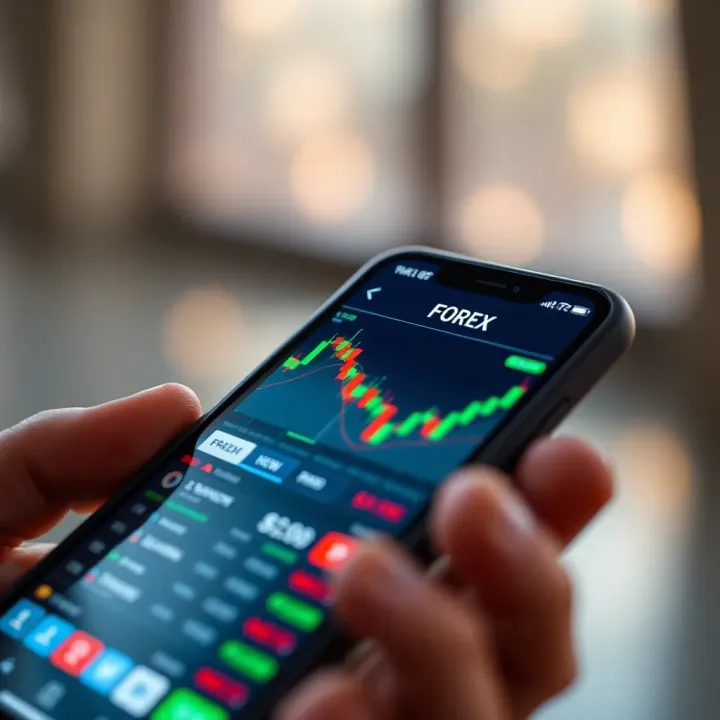
Discover how to pick the best forex trading apps in Pakistan 📱. Learn about essential tools, regulations, and tips to trade smarter on mobile platforms.
🔍 Learn about binary quotes in trading, from bid/ask prices to market factors. Get practical tips to make smarter binary options decisions in Pakistan.
Based on 14 reviews