
Understanding Binary Meaning in Urdu
Learn the meaning of binary in Urdu 🖥️. Understand how it applies in computing, math, daily life, and related terms for Urdu speakers interested in tech and language.
Edited By
Isabella Hughes
Forex trading, or foreign exchange trading, refers to buying and selling currencies from different countries. In today’s connected world, it plays a key role in global trade and finance. For Pakistanis interested in financial markets, understanding forex trading can offer opportunities to earn by speculating on currency price changes or hedging against currency risk.
Forex trading is done in pairs—for example, USD/PKR or EUR/USD. Here, one currency is bought while the other is sold simultaneously. The price of the pair shows how much one unit of the first currency costs in terms of the second. For instance, if USD/PKR is 280, it means 1 US dollar equals 280 Pakistani rupees.
The forex market operates 24 hours a day from Monday to Friday, allowing traders in Pakistan to participate at convenient times. Major forex trading centres include London, New York, Tokyo, and Singapore. Unlike stock exchanges, forex has no centralised location; it functions electronically via banks, brokers, and other institutions.
Currency pairs: Each trade involves two currencies, known as the base currency (first) and quote currency (second).
Bid and Ask price: Bid is the price buyers offer; ask is the price sellers demand.
Spread: The difference between bid and ask prices; it represents transaction cost.
Remember, forex trading is highly liquid but can be volatile. Prices change quickly due to economic news, geopolitical events, or market sentiment.
In Pakistan, forex trading is regulated to some extent. Traders should only use licensed brokers and comply with State Bank of Pakistan and Federal Board of Revenue rules. Also, understanding risks and market mechanics is essential before investing real money.
Practical example: If you expect the US dollar to strengthen against the rupee, you might buy USD/PKR. If the rate rises from 280 to 290, selling back earns you profit. But if it moves opposite, losses can occur.
This article will further explain these concepts in Urdu, breaking down complex terms and clarifying practical steps to help you start forex trading confidently in Pakistan’s financial environment.
Forex trading refers to buying and selling different currencies by individuals, banks, or businesses to make a profit or manage currency risk. In Pakistan, forex trading has gained attention due to people wanting to earn through currency rate fluctuations and the vital role foreign exchange plays in import-export and remittances.
Forex trading, or "فاریکس ٹریڈنگ," simply means exchanging one country's currency for another. For example, buying US dollars with Pakistani rupees hoping the dollar's value will rise. Traders buy currency at a low rate and sell when the rate is higher to earn profit. This practice involves understanding global economic factors and exchange rate movements.
The forex market is a global decentralized platform where currencies are traded 24 hours a day, five days a week. This market is not bound to one physical location but operates through electronic networks connecting banks, brokers, and traders worldwide. The rates depend on supply and demand, affected by factors like interest rates, political stability, and economic performance.
Some key Urdu terms for forex trading include:
کرنسی جوڑا (Currency Pair): The two currencies involved in a trade.
پِپ (Pip): The smallest price move in forex.
لیوریج (Leverage): Borrowed funds to increase trading position.
مارجن (Margin): Deposit required to open trades.
Knowing these terms helps traders understand discussions and literature in Urdu.
Unlike stocks representing company ownership or commodities like oil or gold, forex trades currency values. Stocks trade during fixed hours, but forex is more flexible. Also, forex generally involves higher leverage, meaning traders can control larger positions with less capital, which raises both profit and risk.
Forex operates round the clock because trading passes through financial centres in London, New York, Tokyo, and Sydney one after another. This offers continuous opportunities to trade. The market's enormous size—over $6 trillion daily—ensures high liquidity, meaning you can easily buy or sell large amounts without significantly affecting the price.
Forex trading provides flexibility, liquidity, and diverse opportunities compared to traditional markets, but it requires solid knowledge to navigate risks effectively.
Understanding key concepts and terminology is essential to navigate the world of forex trading confidently. Knowing what terms like currency pairs, pips, leverage, and spread mean helps you make informed decisions instead of guessing. For traders and investors in Pakistan, these concepts form the foundation for analysing currency movements and managing risk effectively.
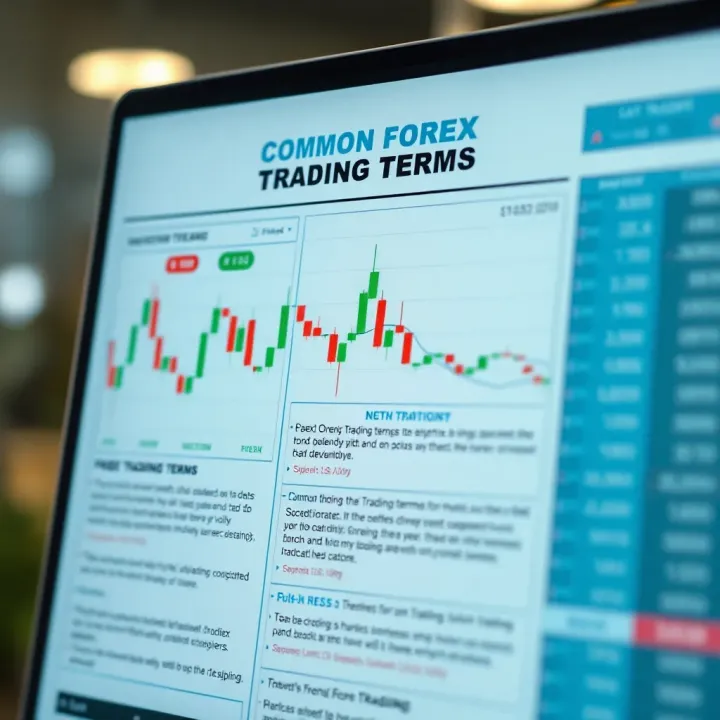
Forex trading always involves buying one currency while selling another, so currencies are quoted in pairs. There are major pairs, which include the US dollar (USD) and commonly traded currencies like the euro (EUR), British pound (GBP), and Japanese yen (JPY). These pairs usually have high liquidity and tighter spreads, making them more cost-effective for trading.
Then there are minor pairs, which don’t include the US dollar but involve other strong currencies such as EUR/GBP or AUD/NZD. These pairs are less traded than majors but still quite popular. Finally, exotic pairs combine a major currency with one from a developing or smaller economy, like USD/PKR or USD/TRY. These pairs tend to have lower liquidity and wider spreads, meaning trading costs are higher and price moves can be more volatile.
The practical importance of this categorisation lies in choosing pairs according to your trading style and risk appetite. For instance, if you prefer stable and predictable trades, sticking to major pairs is wiser. On the other hand, exotic pairs might offer bigger opportunities but come with higher risk.
In a currency pair, the base currency is the first in the pair, and the quote currency is the second. For example, in EUR/USD, euro is the base, and US dollar is the quote. The price indicates how much quote currency you need to buy one unit of the base currency.
Understanding this matters because it affects how you interpret price changes. If EUR/USD rises from 1.10 to 1.12, it means the euro has strengthened versus the dollar—you need more dollars now to buy one euro. This helps you decide when to buy or sell depending on your market view.
Pips, lots, leverage, and margin are basic building blocks. A pip is the smallest price move in a forex pair, usually 0.0001 for most pairs. Lots refer to the trade size—standard lots are 100,000 units, but many brokers allow mini or micro lots suited for smaller accounts.
Leverage lets you control a larger position with a smaller amount of money (margin). For example, a leverage of 1:100 means you need Rs 1,000 margin to hold Rs 100,000 worth of currency. This magnifies both profits and losses, so precise use is critical to manage risk properly.
Bid and ask price show the prices at which the market is willing to buy (bid) or sell (ask) a currency pair. The bid is always slightly lower; traders sell at bid and buy at ask. This difference ensures broker fees and market operation smoothness.
The spread is the gap between bid and ask prices. Narrow spreads mean cheaper trades and are typical in major pairs, while wider spreads in exotic currencies increase costs. Understanding spreads helps you time your trades better and avoid getting caught in negative positions just because of transaction costs.
Knowing these terms well allows you to read charts, understand broker platforms, and formulate strategies that suit your trading style and risk tolerance.
By mastering these concepts, you position yourself to trade with more confidence and better manage the risks that forex trading naturally brings.
Understanding how forex trading operates on a practical level helps you make better choices when trading currencies. Unlike theoretical knowledge, practical insights show you the steps involved, tools you use, and factors influencing market movements. This way, you can follow the market more confidently and manage your trades effectively.
Buying and selling currencies is the basic action in forex trading. When you buy a currency pair, you expect the base currency to grow against the quote currency. For example, if you buy USD/PKR, you’re betting the US Dollar will strengthen compared to the Pakistani Rupee. Selling works the opposite way – you sell the pair if you believe the base currency will weaken. This buy-and-sell approach allows traders to profit from changes in currency values, whether prices rise or fall.
Many traders in Pakistan use this straightforward method daily, especially when they anticipate how political events or economic data might impact currency trends. The ability to open and close trades quickly is vital because forex markets move fast.
Using trading platforms common in Pakistan is essential to access the forex market. Platforms like MetaTrader 4 (MT4), MetaTrader 5 (MT5), and broker-specific apps such as those provided by FXPesa or IG Markets are popular. These platforms offer real-time prices, charting tools, and order execution features. For Pakistani users, mobile-friendly platforms are critical since many trade using smartphones with reliable 3G/4G connections.
A typical trading platform lets you place market or pending orders, view your account balance, and track profits and losses easily. It also provides alerts for price changes, helping you react swiftly. Before trading live, most platforms offer demo accounts to practice without risking money.
Economic indicators and news heavily influence currency rates. Reports like Pakistan's inflation rate, GDP growth, and interest rate changes by the State Bank of Pakistan (SBP) directly affect PKR value. For instance, a raise in the SBP policy rate often strengthens the Rupee because higher returns attract foreign capital. On the flip side, poor economic data may weaken the PKR, prompting traders to sell.
Global news such as US Federal Reserve decisions or oil price shifts also matter, since they impact forex pairs like USD/PKR. Traders need to follow economic calendars and news releases regularly to anticipate market moves and avoid surprises.
Market sentiment and geopolitical events cause abrupt changes in forex rates. For example, escalating tensions between Pakistan and neighbouring countries or political instability can trigger a sudden drop in the Rupee’s value. Investors react to fear or optimism, pushing prices up or down.
Sentiment isn’t always tied to facts but often to perceptions. Even rumours about government policy changes or foreign investments can move the market. That's why traders track both news and social media along with official reports, trying to gauge market mood.
Successful forex trading depends as much on understanding how practical aspects work as on spotting how these external factors shift exchange rates. Staying alert and responding fast can protect you from losses and help grab profit opportunities.
This section equips you with actionable knowledge about trading steps and influences affecting currency prices, especially in the Pakistani market context.
Forex trading offers potential for profit but comes with significant risks that every trader in Pakistan should understand. Awareness of these risks helps manage expectations and prevents major financial setbacks.
Forex markets are famously volatile, meaning currency prices can change rapidly and unpredictably. For example, a sudden political event in the US or Pakistan can cause the US dollar or Pakistani rupee to shift value within minutes. This price fluctuation means profits can be made fast, but losses can also mount quickly if the market moves against your position.
Traders must stay alert because even small changes in price can significantly impact trades. For instance, a 50-paisa difference in EUR/PKR can either gain or wipe out your investment depending on trade size and direction. This volatility demands discipline and constant monitoring.
Leverage intensifies this effect. In forex, leverage allows you to control a large position with a relatively small amount of capital — say, 1:100 leverage means controlling Rs 100,000 with just Rs 1,000 margin. While this can boost profits, it also multiplies losses. If the market moves even a little opposite to your trade, you may lose more than your original deposit. That’s why using leverage without proper risk management is like a double-edged sword.
Many beginners fall into the trap of overtrading, thinking more trades will lead to more profits. Unfortunately, this usually leads to larger losses because the trader spreads attention thin and ignores risk controls. For example, placing multiple trades in a day without setting stop-loss orders can quickly drain an account. Proper risk management means limiting losses on each trade — like risking only 1–2% of your capital at once.
Another mistake is ignoring economic news related to Pakistan and the world. Pakistan's forex market reacts strongly to announcements like SBP’s policy rate decisions, trade balance reports, or geopolitical tensions. Not factoring these into your trading plan can result in unexpected losses. For instance, trading right before the SBP announces an interest rate decision without considering its likely impact might backfire badly, especially if you hold positions in USD/PKR or EUR/PKR.
Being aware of market volatility and avoiding common pitfalls can safeguard your investment and improve your chances of success in forex trading.
To trade wisely, always keep an eye on relevant economic indicators, use leverage cautiously, and manage your risks firmly by setting stop-loss levels and avoiding impulsive trades. This approach suits the Pakistani market’s unique dynamics and safeguards traders from common failures.
Starting forex trading in Pakistan requires caution and the right knowledge because the market differs from others. To trade successfully, you need to choose a dependable forex broker, learn how to open and fund your account smoothly, and understand basic strategies to protect your investments. Each of these steps plays a practical role in making your trading experience efficient and less risky.
In Pakistan, the Pakistan Telecommunication Authority (PTA) monitors online trading activities to ensure legality and safeguard traders. Choosing a broker approved or regulated by relevant international authorities and allowed by PTA is crucial. This reduces risks of fraud or being caught in illegal trading schemes. For example, many top brokers follow regulations from the UK’s FCA or Australia’s ASIC, and their services can be safely accessed through PTA-compliant platforms.
Pakistani traders often use brokers like Forex.com, XM, and IC Markets, as these platforms offer easy access, localised support, and convenient payment options. They provide clear user interfaces and are popular globally, giving Pakistani traders exposure to major forex pairs without facing unnecessary restrictions. However, traders should verify each broker’s withdrawal policies and customer reviews first.
Opening a forex trading account typically asks for basic documents: your CNIC (Computerised National Identity Card), proof of address like a utility bill, and sometimes proof of income. Verification ensures the broker complies with anti-money laundering rules and protects your money. Completing these requirements is straightforward and done online through secure portals.
Funding your forex account is easier now because local payment options like JazzCash and Easypaisa are widely accepted alongside bank transfers. This helps avoid the hassle of cross-border transactions and saving on extra fees. For example, a trader in Lahore can quickly transfer Rs 50,000 to their forex account using Easypaisa within minutes, making trading more accessible.
Before risking real money, using a demo account lets you learn in a risk-free environment with virtual funds. Many brokers offer demo accounts where you can try buying and selling currencies, get used to the platform, and test strategies. This way, by the time you trade live, you understand order types and how prices move without fear of losing.
Risk management is key in forex trading: it limits potential losses and preserves capital. Use stop-loss orders to automatically close losing trades, avoid over-leveraging (which can wipe out your balance quickly), and never invest money you can’t afford to lose. For Pakistani traders, setting realistic daily or weekly loss limits helps control emotions and prevents rash decisions during volatile sessions.
Starting forex trading carefully with the right broker, proper account setup, and smart strategies reduces risk and increases your chances of consistent gains in Pakistan’s forex environment.
Learn the meaning of binary in Urdu 🖥️. Understand how it applies in computing, math, daily life, and related terms for Urdu speakers interested in tech and language.
💻 Discover the basics and practical uses of the binary system in computing and daily tech. Learn why it’s key for Pakistan’s digital world.
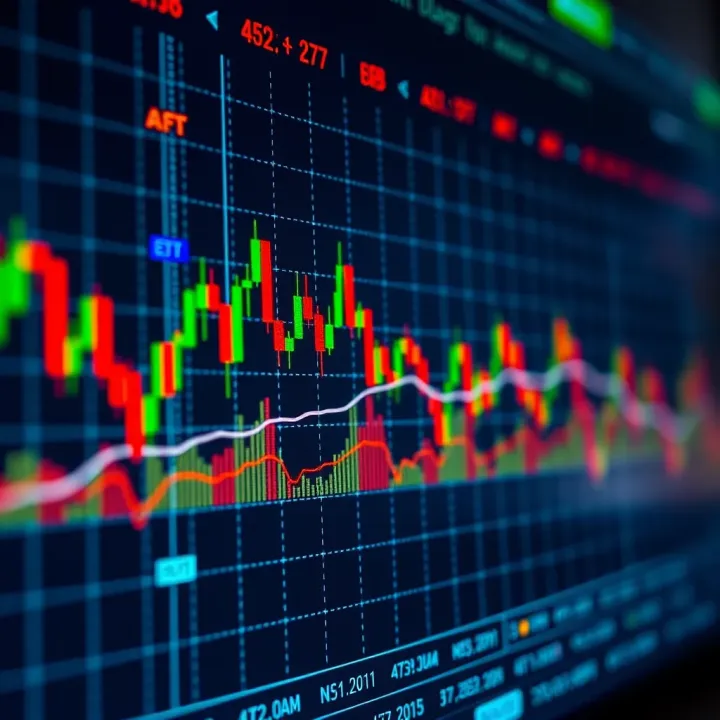
🔍 Find the right forex indicator to boost your trading! Learn their pros and cons to match your style for smarter, clearer market decisions. 📈
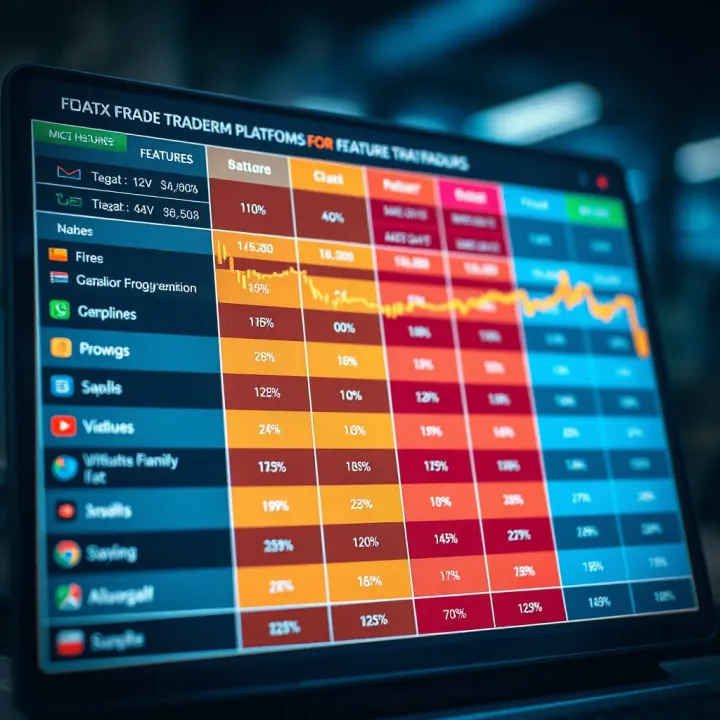
Discover how to choose the best forex trading platform for Pakistani traders 🇵🇰. Compare features, fees, and tools to succeed in Pakistan’s forex market 📈.
Based on 14 reviews