

Risk Management Software for Pakistani Businesses
Explore how risk management software helps Pakistani businesses spot and reduce risks like financial losses, compliance issues, and operation disruptions. 📊🛡️
Edited By
David Spencer
Risk management is not just a business buzzword; it is a practical necessity for anyone dealing with finances, investments, or running a venture. In Pakistan’s fluctuating economic and political climate, managing risk effectively can be the difference between success and loss.
At its core, risk management means identifying potential threats that could disrupt your plans and taking steps to reduce their impact. This process applies across sectors—from traders facing market volatility to freelancers managing irregular income, and students choosing courses with uncertain job prospects.

Typical risks include financial losses, regulatory changes, supply chain disruptions, or external shocks like loadshedding impacting production. For example, a textile exporter in Faisalabad may face exchange rate fluctuations or sudden tariffs. Without a risk strategy, such changes can hit profit margins hard.
Good risk management turns uncertainties into manageable challenges, enabling smarter decisions backed by data rather than guesswork.
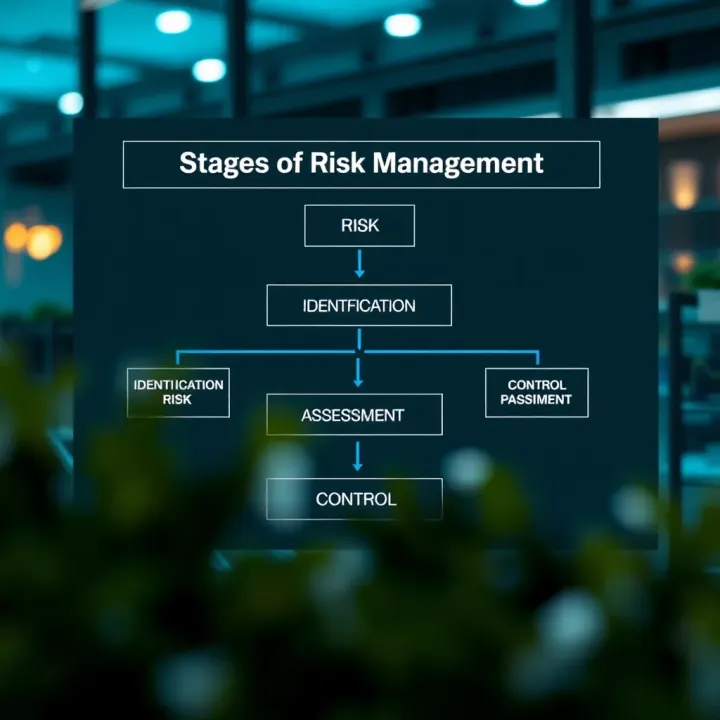
Risk management involves several practical steps:
Risk Identification: Spotting all possible risks in your area of work, like market price swings or delays in freelance payments.
Risk Assessment: Evaluating how likely these risks are and their possible financial impact.
Risk Control: Implementing safeguards such as diversifying investments, using hedging techniques, or setting aside emergency funds.
Monitoring and Review: Continuously checking risk exposure as markets and circumstances evolve.
For investors in the Pakistan Stock Exchange (PSX), this might mean staying updated on macroeconomic indicators, SBP monetary policy, and political developments. Freelancers can benefit from contracts that secure portions of payment upfront to avoid default risk.
Effectively managing risk improves resilience, helping individuals and businesses absorb shocks without collapsing. It also supports regulation compliance and builds confidence among stakeholders, including banks or clients.
Risk management is about identifying, understanding, and handling potential problems before they hurt businesses or individuals. In the current economic climate of Pakistan, where uncertainty in markets, fluctuating exchange rates, and regulatory changes happen often, knowing how to manage risks is essential for traders, investors, and freelancers alike.
Risk can be described as the possibility of experiencing loss or damage due to unpredictable events. For instance, an investor faces financial risk if the value of their stocks drops suddenly. Meanwhile, a freelancer might encounter operational risks if unreliable internet disrupts work deadlines. Risk management means recognising these threats early, analysing their potential impact, and planning the best way to reduce or avoid them. This does not mean eliminating risk entirely but taking reasonable steps to lessen negative effects.
When risks aren't managed effectively, the consequences can be severe. Businesses in Pakistan may suffer cash flow problems, which might lead to layoffs or, worse, closures. For example, a company not prepared for loadshedding might miss key production targets, resulting in lost contracts. On a wider scale, risks like inflation and political instability can hamper economic growth and affect society's overall well-being. Even individuals face risks that affect their financial security, such as theft or health emergencies. Therefore, managing risk makes businesses more resilient and communities more stable.
Without proper risk management, even small issues can snowball into bigger crises causing financial loss and reputational damage.
Organisations that apply risk management practices tend to spot problems earlier, adjust faster, and protect their resources better. In Pakistan’s volatile environment, this preparedness can mean the difference between surviving tough times or shutting down. For traders and investors, it helps in making informed decisions rather than gambling on uncertain outcomes. In essence, understanding what risk management means and acting on it is not just smart, it is necessary for sustainable success and peace of mind.
Risk management forms the backbone of stable business operations by systematically identifying, evaluating, and controlling potential threats. When applied effectively, it brings tangible benefits that safeguard both the financial health and reputation of an organisation or individual.
Managing risks directly protects valuable assets, including physical property, capital, and intellectual resources. For instance, a manufacturing firm in Karachi that implements regular equipment maintenance and quality controls can avoid costly breakdowns or safety incidents that lead to financial losses. Similarly, investors who diversify their portfolios reduce exposure to market fluctuations, significantly lowering the chances of losing substantial amounts. Minimising these losses not only supports sustainability but also ensures smooth business continuity even when unexpected setbacks occur.
Having a clear understanding of risks helps decision-makers choose the best courses of action with more confidence. When a startup in Lahore evaluates potential risks before launching a new product, it can tweak its strategy—whether by adjusting pricing, marketing channels, or supply chains—thus avoiding pitfalls that would undermine success. Risk assessment tools like SWOT analysis or scenario planning enable organisations to anticipate challenges and allocate resources wisely. Financial analysts use risk frameworks to suggest investment strategies that balance returns and safety, improving overall planning quality.
Following regulatory requirements and industry standards becomes easier through consistent risk management practices. Compliance reduces the likelihood of penalties or legal actions, which in Pakistan can be costly and damaging to reputations. Moreover, businesses that actively manage risks signal reliability and responsibility to customers, investors, and partners. For example, a bank adhering strictly to anti-money laundering rules and cybersecurity protocols builds long-term trust among clients, strengthening its market position. This trust often translates into competitive advantage and smoother relationships with regulators.
In essence, applying risk management is not just about avoiding negatives but about creating a foundation for sustainable growth and credibility.
These benefits - protecting assets, making informed decisions, and ensuring compliance - are interlinked and vital for anyone involved in financial activities, investment, or entrepreneurship in Pakistan. By embedding risk management into daily routines and strategic plans, you prepare better for uncertainties and steer towards more confident outcomes.
Identifying and assessing risks is a fundamental part of managing uncertainty in any organisation or project. This process helps spot potential threats early, allowing you to address them before they cause harm. For traders and investors in Pakistan, understanding the types of risks they face and evaluating their impact can prevent significant financial losses. Students and freelancers can also benefit by anticipating challenges in their projects or studies.
Financial risks involve potential losses related to money or investments. For instance, volatility in the stock market may reduce portfolio value, or currency fluctuations can affect import-export businesses in Karachi and Lahore. A small business relying on credit might struggle with rising interest rates or delayed payments. Recognising these risks lets decision-makers prepare by diversifying assets or securing hedging instruments.
Operational risks arise from failures in internal processes, people, or systems. A factory in Faisalabad may face operational risks if machines break down or workers are unavailable due to strikes or health issues. Even small glitches in software used by freelancers to invoice clients can disrupt cash flow. Spotting these risks helps in fine-tuning workflows and setting up backups like alternative suppliers or IT support.
Strategic risks relate to long-term goals and directions of an organisation. A Pakistani textile company aiming to expand internationally might encounter strategic risks if market trends shift or competitors launch better products. Similarly, startups launching new services online must anticipate changing customer preferences or regulatory shifts. Being aware of such risks guides leaders to adjust plans or explore new opportunities.
Compliance and legal risks involve breaking laws or regulations that can cause fines or reputational damage. In Pakistan, businesses close to sectors like banking or telecommunications must ensure they follow State Bank of Pakistan (SBP) or Pakistan Telecommunication Authority (PTA) rules. Freelancers handling personal data should also respect privacy laws. Identifying these risks means setting up internal audits and training employees accordingly.
A risk matrix is a handy tool that plots the likelihood of each risk against its potential impact. For example, a trader might assess whether political instability in Islamabad is likely and how severely it could affect the stock market. This visual helps prioritise so the most serious and probable risks get attention first. Businesses in Pakistan often use risk matrices to streamline resource allocation for risk management.
SWOT analysis examines Strengths, Weaknesses, Opportunities, and Threats related to a project or organisation. A startup in Islamabad could identify strong local support (strength), limited funding (weakness), growing demand for digital services (opportunity), and potential regulatory hurdles (threat). This method sharpens understanding of internal and external factors, directing focus on risks that matter most.
Scenario analysis imagines different future situations and their consequences. A trader exploring effects of a sudden hike in petroleum prices on the logistics sector might model best-case, worst-case, and most likely outcomes. This tool helps prepare flexible plans, especially when uncertainty is high. Pakistani businesses facing fluctuating rupee values or unpredictable policy changes find scenario analysis valuable for resilience.
Recognising risks and applying the right tools to assess them builds stronger foundations for sound decisions, whether you trade stocks, run a business, or manage projects.
By following these core steps to identify and assess risks, you equip yourself to respond thoughtfully and effectively to challenges ahead.
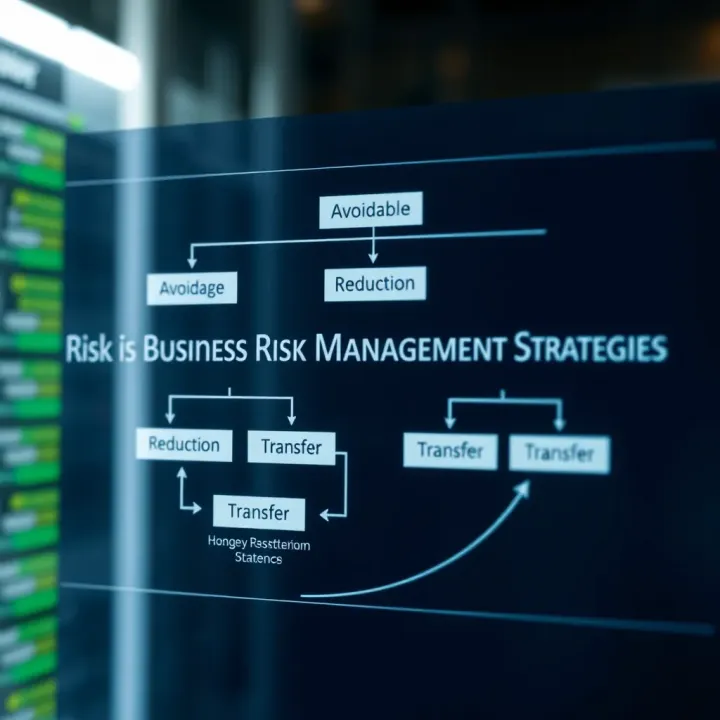
Managing risks calls for a clear strategy that balances avoiding threats and cushioning their impact. Organisations and individuals alike benefit from well-planned risk control methods, which help prevent losses and maintain steady growth.
Risk avoidance involves steering clear of activities that carry high uncertainty or potential loss. For instance, a stock trader might avoid investing in volatile sectors during times of economic instability. In the Pakistani context, companies may avoid certain regions prone to political unrest to prevent operational disruptions.
Risk reduction, on the other hand, focuses on lowering the likelihood or severity of risk. This can include measures like regular maintenance of machinery to avoid breakdowns or upgrading cyber security systems to defend against hacking attacks. Both approaches help organisations keep risks manageable without completely shutting down opportunities.
Insurance allows individuals and businesses to transfer certain risks to a third party, typically an insurance company. This is practical for covering unexpected events like fire damage to a warehouse or health emergencies. For example, Pakistani businesses in Karachi often insure their assets against flood damage, reflecting an understanding of local challenges.
By paying a premium, the insured gains financial protection that can cover losses, helping to stabilise cash flow and ensure operational continuity. Insurance isn’t just for large firms; freelancers and small businesses in Pakistan also seek health or professional liability insurance to guard against unforeseen setbacks.
Outsourcing transfers specific business functions to external specialists, effectively sharing operational risk. For instance, many Pakistani startups outsource their IT support or logistics to firms that have better expertise and infrastructure. This reduces the risk of service disruption due to in-house resource constraints.
Besides risk mitigation, outsourcing can save costs and improve efficiency. But it requires selecting reliable partners, as poor outsourcing arrangements might introduce new risks such as loss of control or data breaches.
Contingency planning prepares organisations for emergencies by outlining clear responses to various risk scenarios. A manufacturing plant in Lahore, for example, may develop a contingency plan addressing potential power outages, supply chain interruptions, or worker strikes.
Business continuity plans go a step further by ensuring critical operations continue despite disruptions. This might involve backup systems, alternative suppliers, or remote working policies. Both plans are essential in Pakistan due to challenges like loadshedding and political uncertainty, enabling smoother recovery and less downtime.
Effective risk management is not about eliminating all risks but managing them smartly to reduce impact and bounce back quickly when problems arise.
By combining avoidance, reduction, sharing, and well-crafted plans, organisations can build resilience and protect their interests even in uncertain conditions.
Risk management holds immense value for Pakistani businesses and institutions, yet its practical application faces several hurdles. These challenges not only slow down progress but also affect the overall resilience of organisations across sectors. Understanding these barriers is vital to improving risk management practices in Pakistan.
Many organisations in Pakistan struggle with ingrained cultural attitudes that resist change and discourage proactive risk management. For example, a family-owned business may rely heavily on informal decision-making with little documentation, making it harder to spot and manage risks systematically. Moreover, hierarchical management structures often centralise authority, limiting the participation of lower-level staff who might have crucial on-the-ground insights. This lack of openness hinders the development of effective risk strategies and can cause warning signs to go unnoticed.
Small and medium enterprises (SMEs), a backbone of Pakistan’s economy, frequently lack the funds and trained personnel to carry out formal risk assessments. Many business owners do not fully appreciate risk management's long-term benefits and see it as an expensive, non-essential task. For instance, a local textile factory may prioritise day-to-day production over investing in safety audits or cybersecurity, leaving them vulnerable to financial losses or regulatory fines. Raising awareness through industry-specific training programmes and government incentives could bridge this gap.
Pakistan’s evolving regulatory framework poses both opportunities and obstacles for risk management. While laws exist for sectors like banking and insurance to enforce risk controls, inconsistent implementation weakens their impact. Regulatory delays and a lack of clarity around compliance requirements create confusion among businesses trying to follow the rules. The absence of stringent enforcement in some cases allows non-compliance without consequences, undermining efforts to build trust and robustness in business operations.
Addressing these challenges requires a combined effort involving leadership commitment, capacity building, and legal reforms. When businesses in Pakistan recognise and overcome these barriers, they can better protect themselves against uncertainty and improve their chances of sustainable success.
By focusing on these areas, risk management can become more practical and effective, helping traders, investors, and freelancers in Pakistan navigate the complexities of the local market more confidently.
Explore how risk management software helps Pakistani businesses spot and reduce risks like financial losses, compliance issues, and operation disruptions. 📊🛡️

🛡️ Discover practical risk management tools tailored for Pakistani businesses to tackle financial, operational & compliance risks effectively, ensuring smooth operations.
🔍 Explore risk management techniques essential for Pakistani businesses to identify, assess, and mitigate threats. Learn practical strategies for asset protection and growth sustainability.

📊 Explore practical risk management for Pakistani businesses—identify, assess & control risks while handling challenges in sectors affected by economic shifts & loadshedding.
Based on 7 reviews