
How to Start Forex Trading in Pakistan
📈 Start forex trading in Pakistan with this practical guide! Learn to pick brokers, set accounts, master strategies, manage risks, and navigate legal rules confidently.
Edited By
Amelia Ward
Forex trading offers a unique opportunity for Pakistani traders to enter international financial markets from their homes. It involves buying and selling currency pairs, aiming to profit from exchange rate fluctuations. However, many beginners face hurdles, especially when resources are scarce or available only in English. That’s why a Forex Trading Full Course in Urdu PDF is invaluable—it breaks down complex concepts into clear, local language instructions.
This guide aims to give you an overview of what such a course covers and how it can help you trade effectively within Pakistan. The course usually starts with forex basics—explaining currency pairs, pip calculation, leverage, and margin. For instance, understanding that USD/PKR represents the value of one US dollar against the Pakistani rupee is fundamental before making any trade decisions.
Next, these courses often delve into essential trading strategies, including trend analysis, support and resistance levels, and simple indicators like Moving Averages or RSI. These tools can guide you when to enter or exit a trade instead of relying on guesswork or tips from unreliable sources.
Risk management is another key area covered. Pakistani traders must learn to limit losses using stop-loss orders and proper position sizing. For example, risking only 1–2% of your trading capital on a single trade is a common rule to prevent significant drawdowns.
Besides theory, many Urdu PDF courses include practical steps specific to Pakistan’s financial environment. This includes setting up reliable accounts with PTA-approved Forex brokers, navigating currency regulations, and understanding the impact of SBP policies or rupee volatility.
To trade confidently, applying knowledge from trustworthy Urdu resources is crucial. You avoid pitfalls and sharpen your skills, making informed decisions rather than taking unnecessary risks.
To sum up, a comprehensive Urdu PDF forex course serves as a solid foundation. From grasping fundamental terms to mastering strategies and managing risks, it equips Pakistani traders with everything needed to get started wisely. Considering Pakistan’s growing interest in online trading, such educational materials in Urdu are becoming essential tools.
Forex trading has gained popularity in Pakistan as more people seek alternative income sources amid economic uncertainties. Understanding the basics of forex trading is essential for Pakistani traders to navigate the global currency market effectively. This section introduces key concepts, practical benefits, and considerations specific to Pakistan’s trading environment.
Forex trading involves buying and selling currencies against each other with the goal of making a profit from fluctuations in exchange rates. For instance, if you trade the US dollar against the Pakistani rupee, you expect to buy low and sell high or vice versa. This market runs 24 hours, allowing flexibility that suits Pakistan’s time zone, making it accessible for freelancers, students, and professional traders alike.
The major currency pairs include EUR/USD (Euro/US Dollar), USD/JPY (US Dollar/Japanese Yen), and GBP/USD (British Pound/US Dollar). Pakistani traders often focus on USD/PKR or EUR/USD for liquidity and market depth. Market participants range from large banks, multinational corporations, to individual investors trading from their laptops.
Basic trading mechanisms rely on buying currency pairs when the base currency is expected to strengthen and selling if it’s expected to weaken. Trades are executed through brokers who provide platforms facilitating access to global markets. Understanding how spreads, leverage, and margin work helps traders control risks and manage their positions efficiently.
Forex trading is accessible to most Pakistanis thanks to low initial capital requirements and wide broker availability, including many PTA-approved ones. Mobile apps like Easypaisa and JazzCash also support quick fund deposits, making it easier to enter the market from cities or even small towns.
However, Pakistani traders face challenges such as limited local market information and risks associated with high leverage. The volatile PKR exchange rate demands cautious strategies. On the flip side, forex trading offers opportunities to hedge against rupee depreciation and diversify income streams, which is especially valuable during periods of inflation.
Regarding regulation, the State Bank of Pakistan (SBP) oversees forex trading policies, while the Securities and Exchange Commission of Pakistan (SECP) regulates brokerage firms. Although forex trading is allowed, only brokers licensed and registered with these authorities should be trusted. Traders must avoid unregulated platforms to protect themselves from fraud and comply with Pakistan’s foreign exchange rules.
Starting forex trading without grasping these foundational elements may lead to unnecessary losses. Equip yourself with solid knowledge first, especially suited to Pakistan’s unique financial environment.
For Pakistani traders, especially beginners, getting hold of a complete forex trading course in Urdu PDF can be a game-changer. It makes learning easier since the content is in the local language, eliminating the language barrier many face with English materials. More importantly, a full course covers everything from basic concepts to advanced strategies in one place, saving you the hassle of searching for scattered information.
Such PDFs allow flexible learning—you can study offline anytime, whether during a daily commute or a power outage due to loadshedding. Plus, having a structured guide helps keep your learning on track, making it easier to build practical skills step by step.
Government bodies like the Securities and Exchange Commission of Pakistan (SECP) or financial institutes sometimes provide educational resources or links to accredited forex courses. These sites are trustworthy as they offer up-to-date materials aligned with regulatory standards, protecting you from misinformation. For example, SECP's website occasionally shares investor education guides in Urdu, which can serve as a reliable starting point.
Local forums such as PakMoneyForum or well-known Pakistani marketplaces sometimes host or sell forex trading PDFs in Urdu. These platforms offer peer feedback, so you get to hear from actual users about the reliability and usefulness of courses. However, caution is necessary since the quality can vary greatly; always confirm the author’s background before purchasing any material.
Websites like Daraz or dedicated forex educational sites might sell comprehensive Urdu PDFs. Some also offer free introductory courses, which help traders to sample content before committing financially. The paid versions typically provide deeper coverage and more examples tailored to the Pakistani market, including topics like using JazzCash or Easypaisa for deposits.
Look for courses by authors with proven forex trading experience and proper financial education. For instance, a course authored by a trader registered with SECP or someone who has been actively trading for years in the Pakistani market signals strong credibility. Avoid materials by unknown authors with no verifiable background as they might mislead or provide outdated information.
A good course should cover forex basics, trading terminology, strategies, risk management, and practical local examples. Clear sectioning—like chapters for technical analysis, fundamental analysis, and live trading tips—helps learners progress without confusion. Compare multiple courses to check how thoroughly they explain concepts and whether they include exercises or quizzes to test understanding.
Before choosing any Urdu forex PDF, glance through user reviews on forums or marketplaces. Genuine feedback highlights strengths and weaknesses, such as whether the course is beginner-friendly or overly technical. Communities of Pakistani traders often discuss these resources, so join them to gain honest opinions and recommendations.
Selecting the right Urdu forex trading PDF is not just about finding free material but about validating the source, author credentials, course content, and real user feedback to ensure your learning is both accurate and relevant.
With these pointers, Pakistani traders can access quality forex course materials in Urdu and build solid foundations for confident trading.
Understanding core forex trading concepts in Urdu helps Pakistani traders grasp the basics with ease and confidence. These fundamentals are the building blocks that every trader needs before stepping into the market. For instance, knowing how currency pairs work or what pips mean can prevent costly mistakes and improve decision-making.
In a currency pair, the first currency is the base currency, and the second is the quote currency. For example, in USD/PKR, USD is the base and PKR is the quote. This means one US dollar's value is expressed in Pakistani rupees. This becomes practical when you see the exchange rate is 280.50, which means 1 USD equals 280.50 PKR. Traders must be clear on this to understand profits or losses when the rate shifts.
Exchange rates change every moment due to supply and demand in the forex market. For example, if many traders expect the USD will strengthen against PKR because of higher US interest rates, more demand for USD will push the price up. Conversely, if there is political uncertainty in Pakistan, PKR might weaken, causing the USD/PKR rate to rise. These fluctuations create trading opportunities.
Currency prices depend on several factors, including economic indicators like inflation, interest rates, and GDP growth. In Pakistan, news on policy decisions by the State Bank of Pakistan or changes in trade balance often affect PKR's value. Political stability and foreign investments also play their part. A sharp increase in petrol prices or unexpected loadshedding may impact investor confidence, indirectly influencing currency rates.
Spread is the difference between the buying (ask) and selling (bid) price of a currency pair, often small but crucial for cost considerations. Pips are the smallest price increments; a move from 280.50 to 280.51 in USD/PKR is one pip. Leverage allows traders to control a large position with a small deposit, say 1:100 leverage means controlling Rs 1 lakh with Rs 1,000. Margin is the amount needed to open or maintain a position. Using high leverage without understanding can wipe out your capital quickly.
A market order executes immediately at the current price, useful for urgent trades. Limit orders specify the price at which you want to buy or sell, helping enter or exit at favourable rates. Stop-loss orders automatically close your position to prevent bigger losses if the market moves against you, a vital tool especially in volatile markets like forex.
Going long means buying a currency pair expecting its price will rise, while going short means selling first hoping the price will fall. For example, if you believe USD/PKR will rise, you go long by buying USD with PKR. If you expect PKR to strengthen, you go short by selling USD/PKR. Understanding these helps in taking advantage of market moves in any direction.
Mastering these core concepts in Urdu simplifies forex learning and prepares you to trade wisely in Pakistan's market environment.
Understanding forex trading strategies is essential for success, especially for Pakistani traders navigating a market affected by both global trends and local factors. Urdu PDFs on forex trading provide access to well-structured strategies explained in your language, making complex concepts easier to grasp. These resources cover practical methods used by experienced traders, helping you avoid common pitfalls and improve decision-making.
Reading charts and candlestick patterns is fundamental to technical analysis. Candlestick charts display price movements over a specific period and reveal market sentiment through patterns like Doji, Hammer, or Engulfing. For instance, if a Pakistani trader spots a Hammer candlestick near a support level on the USD/PKR pair, it may signal a potential reversal. Knowing how to read these patterns helps you time entries and exits effectively.
Popular technical indicators used by traders in Pakistan include Moving Averages, Relative Strength Index (RSI), and Bollinger Bands. Moving Averages smooth out price data, helping identify trends, while RSI indicates overbought or oversold conditions. Traders often combine these indicators for stronger signals. For example, if RSI drops below 30 while the price hits a lower Bollinger Band, this combination might suggest an upcoming bounce, informing your trade planning.
Trend identification and support/resistance levels form the backbone of chart analysis. Trends show the general direction of the market—up, down, or sideways. Recognising these trends keeps you aligned with the market momentum. Meanwhile, support and resistance levels mark price points where the currency historically struggles to go lower or higher. Suppose the PKR weakens to a previous resistance on the USD/PKR chart. In that case, traders watch closely for a possible breakout or reversal, adjusting their positions accordingly.
Economic indicators affecting currency values include interest rates, inflation figures, and trade balances. These data points influence a currency’s strength by reflecting a country's economic health. For Pakistani traders, monitoring SBP’s interest rate announcements or inflation reports is crucial as these directly impact PKR’s value. For instance, a hike in SBP’s policy rate often strengthens PKR against the dollar.
Pakistan-specific factors like political stability and monetary policy shape forex market behaviour significantly. Political uncertainty can create volatility in PKR pairs. Similarly, monetary policy decisions by the State Bank of Pakistan (SBP) regarding liquidity and reserves affect forex rates. Traders keep an eye on government announcements or IMF agreements, as these often cause shifts in market sentiment.
Using news and data releases for trading decisions means staying updated with real-time developments. Pakistani traders benefit from following local business channels and financial news for updates on exports, remittances, or economic reforms. For example, a positive trade surplus report might boost PKR temporarily, giving traders an opportunity if timed right. Combining news with technical analysis strengthens your overall trading strategy.
Effective trading blends analysing price patterns with understanding economic realities. Urdu forex PDFs bundle these strategies so you can learn systematically, practising with confidence and developing skills suited for Pakistan’s forex environment.
Managing risk is vital for anyone stepping into forex trading, especially in Pakistan's dynamic market environment. Without solid risk controls, even a good strategy can lead to heavy losses. New traders must focus on protecting their capital before looking to grow it. Practical tips here aim to make the trading process more disciplined and less stressful.
Setting stop-loss and take-profit levels helps contain losses and lock in gains automatically. A stop-loss order cuts your trade if the market moves against you beyond a certain point, while a take-profit order closes a trade when it hits your target profit. For example, if you buy USD/PKR at Rs 280 but set a stop-loss at Rs 275, your maximum loss is limited to Rs 5 per unit. This is essential in avoiding large unexpected drawdowns, particularly when markets are volatile.
Proper use of leverage in the Pakistani market context is equally crucial. Leverage allows you to control larger positions with a smaller amount of money, but it amplifies both profits and losses. Pakistani brokers, regulated by the Pakistan Telecommunication Authority (PTA), usually offer leverage between 1:50 to 1:100. Using high leverage without proper risk management can wipe out your account very quickly. It's wise for newcomers to start with low leverage, such as 1:10, until they fully understand how market swings impact their trades.
Portfolio diversification strategies reduce overall risk by spreading investments across different currency pairs or asset classes. Rather than putting all funds into one pair, say USD/PKR, you might include EUR/USD or GBP/USD as well. This way, the impact of an adverse move in one market is softened by potential gains in another. Diversification prevents overexposure to a single currency's political or economic risks, which in Pakistan can be quite significant.
Choosing a PTA-approved broker is a must for legal and secure trading. The Pakistan Telecommunication Authority monitors forex brokers to ensure they follow rules protecting traders from fraud and malpractice. Picking a registered, well-reviewed broker guarantees that your deposits and withdrawals happen smoothly and safely.
Fund deposit options with JazzCash, Easypaisa, or bank transfer make entering the forex market easier for Pakistani traders. Local mobile wallets and bank transfers offer convenient, quick ways to fund your account without expensive charges. Using these trusted channels ensures your money reaches the broker without delay, allowing you to capitalise on timely market opportunities.
Importance of practice accounts and demo trading cannot be overstated. These accounts let you trade with virtual money in real-market conditions, helping you learn platform features, test strategies, and build confidence without risking real funds. For example, if you are unsure how to place stop-loss orders or how leverage affects your positions, practising on a demo account until you feel comfortable significantly reduces costly beginner mistakes.
Managing risk and starting carefully with the right tools and brokers paves a safer, more informed path into forex trading for Pakistani traders.
These steps together offer a practical roadmap for newcomers to protect their capital and gradually build experience in forex markets.
📈 Start forex trading in Pakistan with this practical guide! Learn to pick brokers, set accounts, master strategies, manage risks, and navigate legal rules confidently.
Discover how to choose the best forex trading platform for Pakistani traders 🇵🇰. Compare features, fees, and tools to succeed in Pakistan’s forex market 📈.
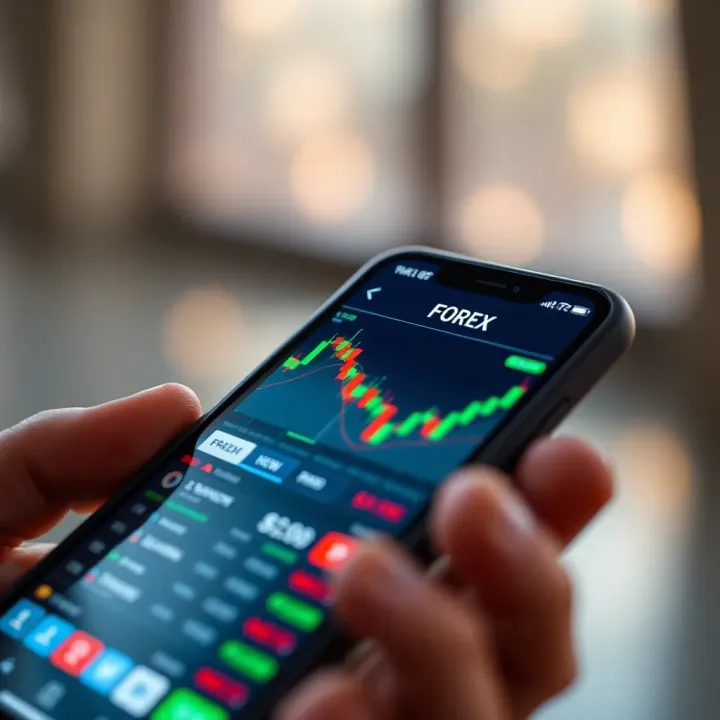
Discover how to pick the best forex trading apps in Pakistan 📱. Learn about essential tools, regulations, and tips to trade smarter on mobile platforms.

📚 Explore free forex trading courses in Pakistan! Learn key concepts, choose trusted sources, and build skills confidently before investing any Rs. Start smart today!
Based on 11 reviews