

Crypto Trading Courses for Pakistani Investors
Explore crypto trading courses designed for Pakistani investors 🇵🇰. Learn key topics, start trading safely, and overcome challenges in Pakistan’s crypto scene 📈💡.
Edited By
Charlotte Green
Forex trading has become an accessible way for many Pakistanis to engage in global financial markets. However, jumping straight into live trading without sound knowledge often leads to losses. That is why free forex trading courses serve as a practical and risk-free way to build a strong foundation.
These free courses introduce essential concepts like currency pairs, leverage, pip calculations, and chart analysis. For example, understanding the difference between major pairs like USD/PKR and minor pairs such as EUR/JPY helps beginners grasp market behaviour.
Also, many free courses provide insights into technical indicators like Moving Averages and RSI, enabling learners to interpret price movements accurately. Without spending a single rupee, learners can access video tutorials, webinars, and eBooks offered by reputed platforms such as Babypips, Investopedia, and local financial education initiatives.
Free forex courses allow aspiring traders in Pakistan to familiarise themselves with trading platforms such as MetaTrader 4 or 5, which are widely used for live trading.
When choosing a course, check for updated content and user reviews to avoid outdated or misleading information. Look for courses that also cover practical aspects, such as setting up demo accounts with Pakistani brokers—this lets you practise in real-time market conditions without risking money.
Learning forex trading through free courses involves consistent study and practice:
Start with basic concepts and gradually move to advanced strategies
Utilise demo accounts for hands-on experience
Follow market news relevant to PKR and major currencies
By following these steps, free courses can prepare you to trade confidently when you are ready to invest your own capital. Such courses act like the groundwork, dividing the complex forex market into manageable lessons, saving you from costly mistakes later.
This guide will help you discover the best free resources and how to maximise your learning, giving you a head start in forex trading from Pakistan itself.
Forex trading, or foreign exchange trading, deals with buying and selling currencies to make a profit. It’s a large, fast-moving market where trillions of dollars change hands every day. For anyone starting out, understanding its appeal helps you grasp why it attracts so many traders worldwide, including in Pakistan.
Forex trading always involves currency pairs, like USD/PKR or EUR/USD. The first currency in the pair is the base currency, and the second is the quote currency. For example, if USD/PKR is quoted as 280, it means 1 US dollar equals 280 Pakistani rupees. Traders profit by predicting whether the base currency will strengthen or weaken against the quote currency. This practical knowledge lets you work with familiar currencies, reflecting real economic conditions.
The forex market is a global, decentralised system without a central exchange. It operates 24/5, with trades happening through banks, brokers, and financial centres worldwide. Unlike stock exchanges, you can trade forex online anytime the market is open. This means you can start trading from your home with just a laptop and internet, which is a big draw for beginners and freelancers especially in Pakistan, where overseas remittances and currency shifts often impact daily life.
Forex trading divides into Major sessions: Asian (Tokyo), European (London), and North American (New York). Each session brings different volatility and trading opportunities. For Pakistani traders, the London session often overlaps with local business hours, allowing active trading during the day. Knowing these sessions helps you pick the best times to trade, balancing your schedule and market movements.
Forex trading offers the chance to earn by speculating on price movements. Some traders can generate significant profits with modest investments. However, it comes with high risk due to leverage and market volatility. Managing risk is vital; setting stop-loss orders and understanding leverage ensures you don’t lose more than you can afford. This balance between risk and reward is why many prefer structured learning before putting real money at stake.
Today's online brokers provide easy access to forex markets with low starting capital, demo accounts, and educational tools. Platforms like MetaTrader and broker sites offer market analysis, trading signals, and practice trading without financial risk. Given Pakistan’s growing internet connectivity, especially mobile broadband, learning and trading forex online is more accessible than ever.
For Pakistani traders, forex trading is appealing because the country sees regular currency fluctuations affecting imports, exports, and remittances. Forex knowledge can help individuals hedge risks or supplement income through trading. Moreover, regulations by Pakistan Telecommunication Authority (PTA) and State Bank of Pakistan (SBP) aim to provide a safer trading environment. Understanding these local aspects adds practical value to learning forex trading.
Grasping forex trading basics and its practical benefits helps you make informed decisions, avoid pitfalls, and use free courses effectively for your growth as a trader.
Understanding the core elements that free forex trading courses cover is crucial for building a strong foundation. These elements not only equip you with the right skills but also prepare you for the practical challenges of forex markets, especially in a dynamic environment like Pakistan. Let’s break down some of the key topics these courses address.
Understanding economic indicators is essential for any trader. Economic indicators like GDP growth, inflation rates, and employment figures often dictate currency values. For instance, if Pakistan’s inflation rate spikes unexpectedly, the PKR might weaken against the US dollar due to reduced purchasing power. Free courses teach you to monitor these indicators, interpret their significance, and anticipate market reactions. This awareness helps you avoid surprises and make informed trading decisions.
Impact of global events also plays a big role. Events such as political elections, central bank decisions, or even geopolitical tensions can sway forex markets. Take, for example, how sudden news about OPEC’s oil production can impact currencies of oil-importing countries like Pakistan. Free courses emphasise tracking global headlines and understanding their ripple effect on forex pairs, so you’re not caught off guard when markets move suddenly.
Chart types and patterns serve as the language of technical trading. Most courses introduce you to line charts, bar charts, and candlestick charts—the last being popular for revealing market sentiment quickly. Recognising patterns like head and shoulders or double tops can help predict trend reversals. For example, spotting a bullish engulfing pattern on the USD/PKR chart might signal a potential rise, prompting timely trades.
Use of indicators and tools is the next step in mastering technical analysis. Popular tools like Moving Averages, Relative Strength Index (RSI), and Bollinger Bands help quantify price movement. By learning to combine these indicators, traders improve entry and exit timing. Many free forex courses guide you on setting up MetaTrader 4 or 5, which are widely used charting platforms that support these indicators and are accessible even with Pakistan’s internet bandwidth.
Handling emotions while trading is often overlooked but critical. Fear and greed can push traders to make impulsive decisions, causing losses. Courses often teach techniques like maintaining a trading journal or practising mindfulness to keep emotions in check. For Pakistani traders, who might face psychological pressure during periods of rupee volatility, learning emotional discipline can safeguard capital.
Setting stop-loss and take-profit orders protects your account against unexpected moves. These tools automatically close trades at pre-set levels to limit losses or lock in profits. For example, setting a stop-loss 100 pips away from your entry point on a USD/PKR trade ensures you don’t lose more than planned if the market heads against you. Free courses detail how to calculate these levels based on market volatility.
Managing leverage cautiously is another vital skill. Leverage allows you to control larger positions with a small deposit, but it also amplifies risks. A leverage of 1:100 might seem attractive, but without proper understanding, it can wipe out accounts quickly if prices move adversely. Courses guide beginners to start with low leverage settings and scale up only after gaining experience.
Learning these core elements through free courses provides a practical roadmap. They balance theory with actionable steps, helping you trade wisely without falling prey to common pitfalls.
By focusing on these areas, you prepare yourself to navigate forex trading confidently, knowing both the market forces and your own psychology. The key is consistency and application alongside theory, which these core elements ensure you develop efficiently.
Finding trustworthy free forex trading courses is key to building a solid foundation without losing money on low-quality or misleading content. A reliable source not only offers accurate knowledge but also helps you gain practical skills suitable for Pakistan’s unique market environment.
Broker websites with educational resources often provide well-structured courses as part of their client services. Platforms like XM, Forex.com, or local brokers with PTA-approved trading services usually include complimentary lessons covering basic to advanced trading concepts. These courses are credible since brokers want well-informed clients who trade responsibly. For example, a Pakistani trader can start learning from MCB-Arif Habib’s educational section, which is tailored to local regulations and market conditions.
Dedicated forex learning platforms focus purely on teaching trading skills. Websites like BabyPips or Investopedia offer free courses with step-by-step guides on fundamental and technical analysis, trading psychology, and risk management. These platforms often use interactive quizzes and community features to keep learning engaging. Since they aren't directly selling trading services, their information tends to be more unbiased, allowing traders in Pakistan to build knowledge at their own pace.
Video tutorials and webinars are popular for visual learners who want real-time explanations and demonstrations. Platforms like YouTube have many free tutorials by experienced forex traders and educators, including sessions on how to use MetaTrader or analyse charts. Pakistani traders should look for content relevant to their market conditions, such as session timings and currency pairs involving PKR. Some brokers and experts also hosts webinars where learners can ask questions live and interact in Urdu or English, which adds convenience.
Pakistani forex trader groups offer practical insights through peer experience. Social media platforms like Facebook and Telegram have active groups where traders share tips, recent market news, and updates about local regulations by the State Bank of Pakistan or PTA. Joining these communities provides support and helps avoid common pitfalls. For instance, groups dedicated to forex trading in Karachi or Lahore often discuss how Pakistani news events impact currency movements.
International forums and discussion boards such as Forex Factory and Trade2Win supply a broader perspective. These forums host discussions on trading strategies, broker reviews, and technical challenges. Pakistani traders benefit from exposure to global trends and can test ideas against a larger audience. However, it's wise to cross-check information from these forums against local realities, like access to certain brokers or leverage limits under FBR rules.
Reliable resources, whether online courses or communities, empower you to learn forex trading effectively without financial risk. Focusing on trusted platforms and local support will help you navigate the market with greater confidence.
Learning forex trading without spending money might sound tempting, but it requires discipline and a smart approach. A clear, structured plan can prevent confusion and wasted time. Especially for Pakistani traders, balancing studies or jobs with learning forex demands an organised routine.
Setting clear goals is your starting point. You could aim to understand basic chart reading within two weeks or identify the best times for trading in PKT (Pakistan Standard Time) by month three. These goals give direction and prevent drifting without focus. Instead of vague aims like "learn forex," make goals measurable and time-bound.
When it comes to allocating daily study time, consistency beats long cramming sessions. Even 30 to 45 minutes each evening can make a big difference if kept daily. It's better you split study periods into manageable chunks—say 20 minutes on economic news one day, 25 minutes practising charts the next. This approach suits Pakistanis juggling other commitments and avoids burnout.
Progress tracking helps you stay honest with your learning journey. Keep a simple journal or spreadsheet noting what you studied, what was confusing, and what requires a revisit. For instance, after learning candlestick patterns, recall them next week to see if they stick. Tracking progress spotlights weak spots and motivates you to keep going.
Choosing the right demo platform is key. Many brokers offer free demo accounts with simulated PKR balances, like XM or FXTM. Pick one with an easy interface and local server support to avoid lag. This makes practising trades feel closer to reality.
Simulating real market conditions in demo accounts trains you well. Make realistic trades based on daily news like SBP's monetary policy announcements, rather than testing random pairs without direction. This will build skills better than random, hope-based trading.
The habit of reviewing and learning from trades is essential. After a week trading EUR/USD or USD/PKR on your demo, review your decisions. Were stop-losses set properly? Did you exit a trade too early? Learning from these insights shapes your style and prevents repeating mistakes.
Many new traders fall for unrealistic promises often seen in flashy ads claiming “earn Rs 50,000 daily without risk.” Always approach such claims with caution. Forex requires patience and there are no shortcuts to guaranteed profits.
Impatience and overtrading are common traps. Starting with small, reasoned trades and avoiding rash decisions after a few losses protects your demo funds and builds confidence gradually.
Cross-checking information sources saves you from misinformation. Pakistan’s growing forex community online is helpful, but not all advice is reliable. Always verify techniques from trusted brokers, educational platforms, or official analysis to stay grounded.
Staying disciplined while leveraging free resources enhances your forex learning journey. A well-planned approach with regular practice and cautious mindset will prepare you well before you invest real money.
This methodical learning style suits anyone looking to master forex trading in Pakistan without financial risk initially, helping you avoid common mistakes and build strong trading habits.
Access to the right tools and resources is vital when learning forex trading, especially through free courses. They equip you with practical means to apply theory, analyse the markets, and stay updated with relevant events. Without these, understanding complex chart movements or timely economic developments becomes tough.
Charting platforms compatible with Pakistani networks play a central role in effective forex learning. Platforms like MetaTrader 4 (MT4) and MetaTrader 5 (MT5) offer extensive charting tools, real-time updates, and user-friendly interfaces that work well even with typical internet speeds in Pakistan. This compatibility means traders can analyse live price movements, apply technical indicators, and practise executing trades without frustrating lags or disconnections. For example, MT4 brokers such as XM or FXTM offer servers accessible from Pakistan, ensuring smooth platform performance.
News and economic calendar tools help traders keep track of scheduled data releases, policy decisions, and geopolitical events that affect currency prices. Using resources like Investing.com or ForexFactory’s economic calendar tailored for Pakistan Time (PKT) time zone, learners remain informed about events like SBP announcements or US Federal Reserve meetings. This awareness aids in planning trades around volatile periods, reducing surprises and enhanced risk management. Automated alerts on apps can notify you about key events without constant monitoring, saving time and effort.
Recommended books provide structured knowledge and deeper understanding. Titles like "Technical Analysis of the Financial Markets" by John Murphy and "Currency Trading for Dummies" are popular among Pakistani learners because they cover fundamentals clearly. Reading such books alongside free courses adds context, illustrating concepts with examples and charts. These resources help build a solid foundation before risking real money.
Trusted Forex blogs and analysis sites offer ongoing market updates, strategy discussions, and expert opinions reflecting current trends. Websites like DailyFX or BabyPips provide beginner-friendly content with regular articles on market outlooks. Pakistani traders can also benefit from local blogs focusing on forex regulations and market access. Following these sites consistently sharpens your market sense and familiarises you with new developments.
Understanding Pakistan Telecommunication Authority (PTA) rules is essential to ensure your chosen platforms and apps comply with local laws. PTA regulates internet services and mobile financial transactions, which impacts access to forex trading platforms and payment gateways like JazzCash or Easypaisa. Being aware of these rules prevents disruptions in trading access due to network restrictions or compliance issues.
Legal considerations for forex trading in Pakistan involve knowing which brokers are authorised and how to report income. While cross-border forex trading is allowed, it must follow tax regulations administered by the Federal Board of Revenue (FBR). Traders should maintain proper records of profits and losses to comply with income declarations. Staying informed about these legal details not only avoids fines but also promotes responsible trading.
Having reliable tools, educational references, and clear knowledge of local regulations empowers you to learn forex trading safely and effectively in Pakistan.
Explore crypto trading courses designed for Pakistani investors 🇵🇰. Learn key topics, start trading safely, and overcome challenges in Pakistan’s crypto scene 📈💡.
📈 Start forex trading in Pakistan with this practical guide! Learn to pick brokers, set accounts, master strategies, manage risks, and navigate legal rules confidently.
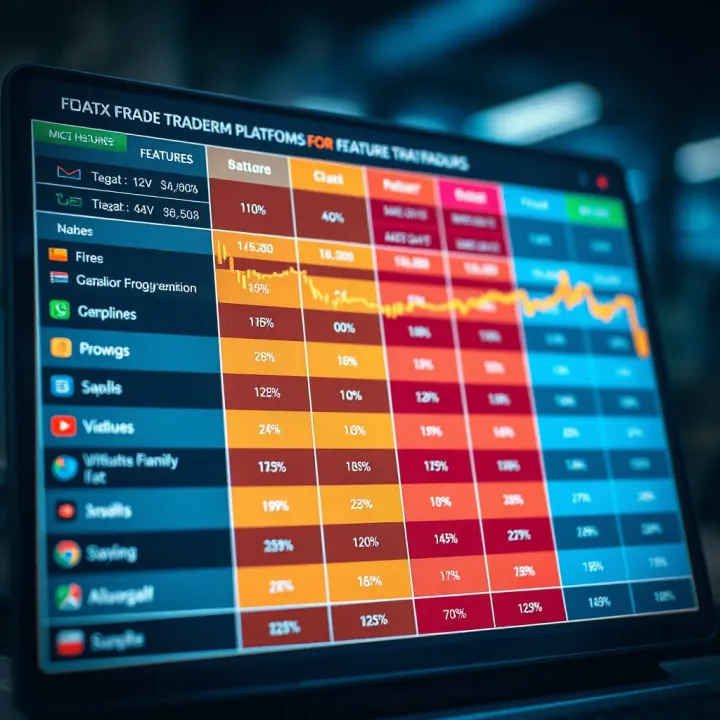
Discover how to choose the best forex trading platform for Pakistani traders 🇵🇰. Compare features, fees, and tools to succeed in Pakistan’s forex market 📈.
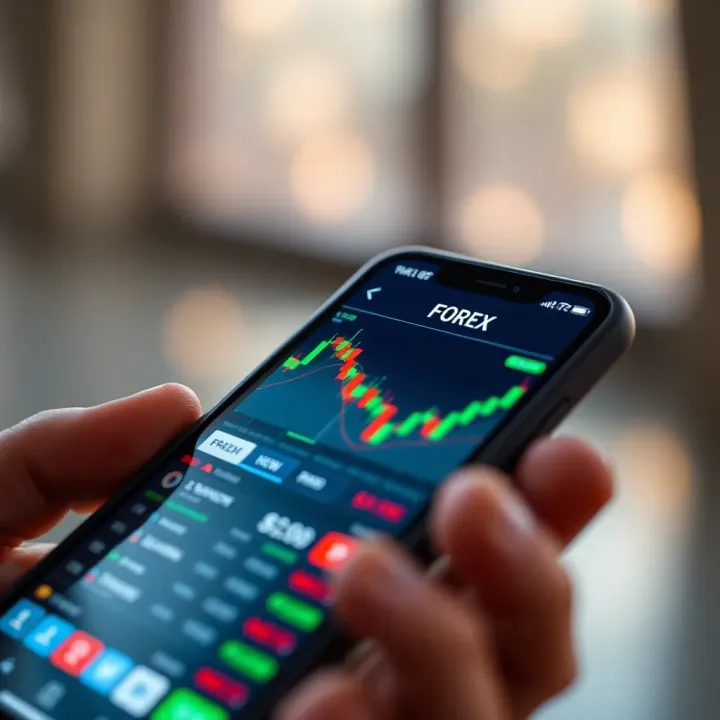
Discover how to pick the best forex trading apps in Pakistan 📱. Learn about essential tools, regulations, and tips to trade smarter on mobile platforms.
Based on 9 reviews