
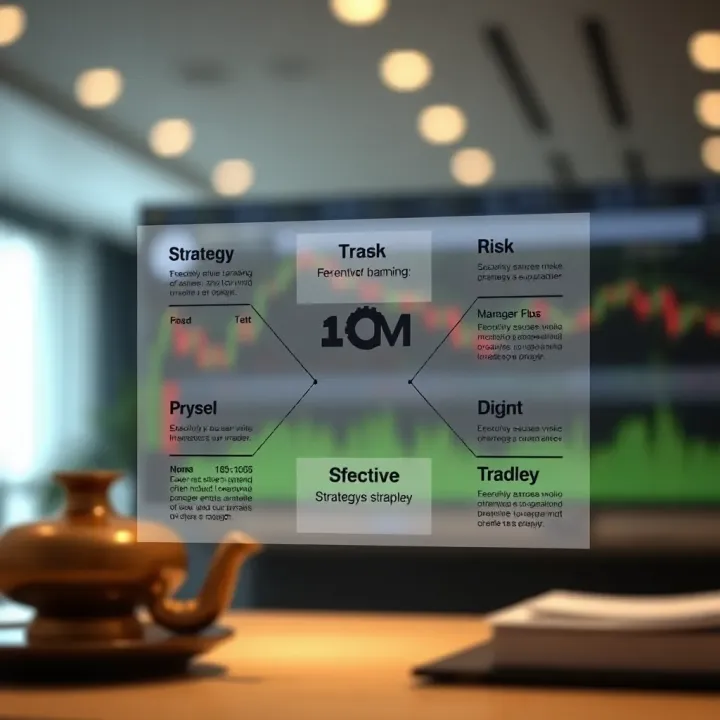
Binary Trading in Pakistan: Risks and Strategies Explained
📊 Understand binary trading in Pakistan: how it works, risks involved, effective strategies, and regulatory insights to make informed decisions with confidence.
Edited By
Isabella Hughes
Binary trading has become an accessible way for many people in Pakistan to participate in financial markets. In simple terms, it’s a form of trading where you predict whether the price of an asset will move up or down within a set period. Unlike traditional trading, you don’t buy the asset itself — you only wager on the direction of the price.
This simplicity has attracted traders who want quick decisions without navigating complex market instruments. For example, you might predict that the price of oil will rise in the next 30 minutes or that the KSE 100 index will fall by market close. If your prediction is correct at expiry time, you earn a fixed profit; if not, you lose the initial stake.

Binary options are all-or-nothing trades, meaning the outcome is either a fixed payout or a total loss of your investment.
Binary trading revolves around a contract that runs for a fixed time, varying from minutes to hours or even days. You select an asset like currency pairs (USD/PKR), commodities (gold, oil), stocks, or market indices. Then you decide whether the price will be higher or lower at contract expiry.
Traders often face two basic types of binary contracts:
Call/Put Options: Predict whether the price will go up (call) or down (put).
One Touch/No Touch: Wager on whether the price touches a certain level during the contract life.
Each binary trade has a fixed risk and reward, making it easier to manage compared to traditional trading where profits and losses can be unlimited.
Several factors make binary trading popular among Pakistani traders:
Clear Return and Risk: Since payoffs are fixed, traders know their maximum risk before entering.
Fast Execution: Short expiry times allow quick trading cycles, suitable for active traders.
Low Starting Capital: Many platforms allow starting with small amounts, making it accessible even for beginners.
However, it's crucial to approach binary trading with care, understanding the risks involved and choosing regulated platforms. Many brokers operate without Pakistani regulatory approval, increasing the chances of fraud.
In the next sections, we will explore common strategies, regulatory concerns, and practical tips tailored for Pakistani investors to trade responsibly.
Binary trading provides a simple entry point into financial markets for investors and traders. It involves predicting whether an asset’s price will go up or down within a fixed time period. This type of trading has gained popularity because it requires less capital and complexity compared to traditional markets. For Pakistani investors, understanding binary trading can open doors to a different way of engaging with shares, currencies, commodities, or indices.
Many beginners appreciate how binary trading presents clear risks and rewards upfront. You know in advance how much you might gain or lose, which makes it easier to plan trades. Plus, platforms offering binary options often allow starting with a small amount, making it accessible to students or freelancers wanting a side income.
Binary trading is a form of financial trading where you bet on the direction of an asset's price movement within a predetermined expiry time. Instead of buying or selling the actual asset, you choose between two outcomes: whether the price will be higher or lower than a set point. Because of this simple yes-or-no proposition, the term 'binary' fits well.
For example, you might predict that the price of the Pakistan Stock Exchange’s KSE-100 index will rise over the next 30 minutes. If you are right at expiry, you receive a fixed profit; if wrong, you lose your investment. This straightforward format lets traders focus strictly on the market’s movement rather than owning assets.
Traditional trading involves buying and selling assets like shares, where profits depend on how much the price changes. For instance, buying 100 shares of a company and selling them later at a higher price to gain the difference. This requires capital tied up in the asset and exposure to market swings.
Binary trading, however, fixes the potential return or loss before placing the trade. You don't own the actual asset but instead stake an amount on the expected price direction. This means your maximum loss is limited to the amount placed per trade, making risk easier to manage. However, it also means there is an 'all or nothing' approach, unlike traditional trading where partial recoveries are possible.
In binary trading, a call option is a bet that the asset’s price will rise above the strike price by expiry. Conversely, a put option predicts the price will fall below the strike price. Understanding these is essential because every binary trade is built on choosing between these two.
For example, if you expect the value of US Dollars against Pakistani Rupees (USD/PKR) to rise by 2 pm today, you buy a call option with expiration at that hour. If the price indeed finishes higher, you earn the agreed payout.
Each binary option comes with a fixed expiry time, which could range from as short as 30 seconds to several hours, even days. The expiry timeframe dictates when the trade settles and you find out if the prediction was correct.
Short expiry times suit traders looking for quick results and volatility, but they can be riskier due to rapid market swings. Longer timeframes allow the market more time to move but also require better analysis and patience.
The strike price is the specific price level you predict the market will cross by expiry. This price serves as the reference point in deciding whether a call or put results in profit.
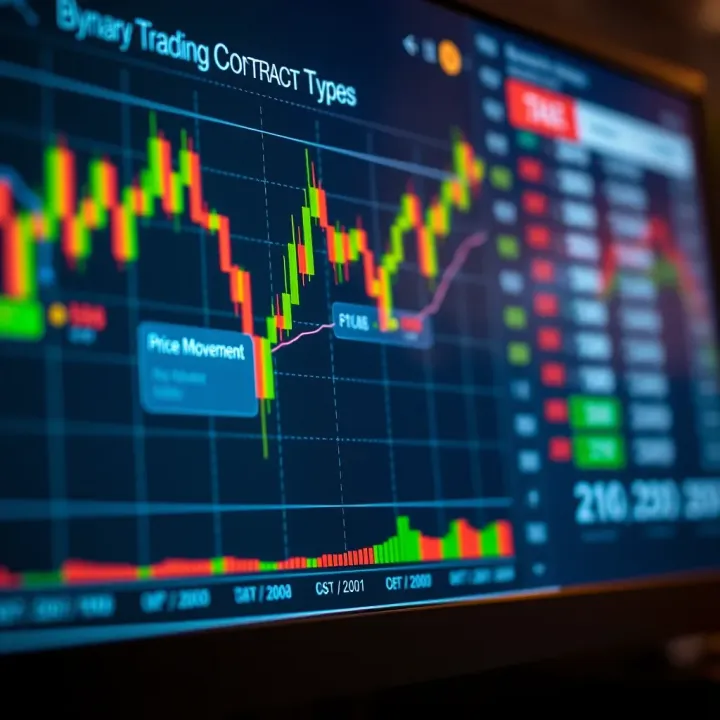
For instance, if a stock is currently trading at Rs 50, the strike price for a binary option might be Rs 51. If you choose a call option, you expect the stock to be above Rs 51 when the trade expires. Selecting the right strike price involves analysing market conditions to improve chances of success.
Binary trading’s clear payout structure and simple terms like call, put, expiry, and strike price make it a practical option for traders aiming for disciplined risk and reward management.
Binary options come in several types, each with its own set of rules and payout structures. Understanding these types helps traders pick the contracts that best suit their market outlook and risk appetite. This section breaks down the most common binary options contracts to give you clear insight into their practical use.
High/Low options are the simplest and most popular type of binary contracts. Here, you predict whether the price of an asset, such as the KSE-100 index or a currency pair like USD/PKR, will be higher or lower than a set strike price at the expiry time. For example, if you buy a High option on USD/PKR at 280 and the price exceeds 280 at expiry, you earn a fixed return.
These contracts suit traders who can anticipate general market direction but don't need to forecast exact price points. High/Low options fit well during trends or when an asset's movement is relatively steady. They give clear yes/no outcomes and often provide quick results, helpful for those active in short-term trading.
One Touch options pay out if the underlying asset hits a predetermined price level even once before expiry. For instance, if you expect the price of a petrol stock to touch Rs 150 only once during a week, placing a One Touch contract is suitable. Conversely, No Touch options pay out if that price level is never met during the contract period.
These options are attractive when markets are expected to show significant moves or stability. However, the risk is higher since missing that price touch means losing the entire investment. Traders considering these contracts need to watch market volatility closely and set realistic targets, especially given Pakistan’s often unpredictable market conditions.
Profits for One Touch options are usually higher because they require a strong price movement within a limited period. Meanwhile, No Touch options offer returns when you anticipate price stability. Yet, the all-or-nothing nature means you must be extra cautious. Proper research and monitoring economic factors affecting the asset, such as political news or SBP policy decisions, can make these options work in your favour.
Range options involve predicting whether the price of an asset will stay within a specified boundary or range until contract expiry. For example, you might expect the price of the Pakistani rupee to remain between Rs 279 and Rs 282 against the dollar over the next 24 hours.
These contracts work well in markets that lack strong directional trends and move sideways within channels. Traders use range options during periods of low volatility or when major news events are not expected to shake markets. Since the boundaries are clearly defined, it's easier to monitor and limit risks.
Consider a situation when WAPDA announces steady power supply and stable economic indicators — the market may tighten to a narrow range. Range options allow you to profit if the asset price stays within predicted limits. However, a sudden political announcement could cause price breaks, resulting in losses. Range options fit traders who prefer less risk and are ready to accept smaller, steady returns.
Choosing the right binary option contract depends largely on your market expectations and risk tolerance. Understanding how each contract works helps you avoid unnecessary losses and target more reliable profits in Pakistan's ever-changing financial markets.
Binary trading demands more than guessing price movements—it requires informed strategies that balance opportunity and risk. Using tried-and-tested approaches helps traders make decisions rooted in market behaviour rather than chance. This section highlights common strategies, focusing on how you can identify trends, respond to news, and manage risk effectively.
Identifying market trends is the backbone of many successful trading strategies. In binary trading, recognising whether an asset’s price is moving upward, downward, or sideways allows you to place trades aligned with the market’s momentum. For example, if the Pakistani Rupee is steadily weakening against the US Dollar due to economic indicators, a trader might consider call options on USD/PKR with expiry times matching the trend’s expected duration.
Using technical indicators such as moving averages or the Relative Strength Index (RSI) adds precision to trend analysis. These tools provide signals about entry and exit points. For instance, when a 50-day moving average crosses above the 200-day moving average, it can signify a bullish trend, prompting you to buy high/low options accordingly. Technical indicators help filter out noise, especially useful during market volatility seen around events like budget announcements or geopolitical tensions.
The impact of economic news on asset prices cannot be overstated. Announcements like the State Bank of Pakistan’s policy rate decisions or inflation updates often lead to sudden price shifts. Traders who understand these effects can anticipate market reactions and place trades ahead of or just after releases to capitalise on volatility.
Timing trades around announcements requires careful planning. For example, entering a trade minutes before a Pakistan Economic Survey presentation carries high risk but potentially higher rewards if you predict the market reaction correctly. Conversely, waiting just after news release lets you observe initial market responses, reducing uncertainty but possibly sacrificing some upside.
Setting trade limits is crucial to avoid wiping out your trading capital quickly. Decide on a fixed amount per trade—say, no more than Rs 5,000—to keep losses manageable. This disciplined approach prevents emotional decisions and helps you stay in the game longer.
Diversifying trades across different assets—like forex pairs, commodities, or indices—spreads risk. Instead of putting your entire capital in one option, dividing it into smaller trades in different markets reduces the chance that a single loss wipes out your gains. For Pakistani traders, this might include balancing trades between local markets and global assets like oil or gold.
Consistently applying these strategies sharpens your approach, helping you withstand market ups and downs. Remember, strategy and discipline often make the difference between steady gains and losses in binary trading.
Binary trading appeals because of its straightforward approach, but it carries significant risks that traders must understand before committing their funds. Learning about these risks helps you avoid costly mistakes and prepares you for the challenges specific to binary options. This section discusses the major risks and fraud concerns that every trader in Pakistan should consider.
Market volatility plays a major role in binary trading outcomes. Prices of assets like currencies, stocks, or commodities can swing widely within a short period. Since binary options bets rely on predicting the price direction within a fixed timeframe, sudden market shifts can easily invalidate your predictions. For example, unexpected political news or an abrupt change in the rupee-dollar exchange rate can cause spikes that make even the most well-informed trades lose. Traders often find that periods with high volatility either increase the potential for profit or lead to faster losses if they are unprepared.
The all-or-nothing payout structure is both a defining feature and a critical risk. Unlike traditional trading, where you can cut losses or take partial profits, binary options either pay a fixed amount if you win or lose your entire stake. Suppose you bet Rs 10,000 on a currency move and the prediction misses by even a small margin; you lose the whole amount, not just part of it. This creates a high-pressure environment where risk management becomes essential. Overtrading or putting large amounts on uncertain trades can quickly deplete your capital.
Identifying unregulated brokers is crucial to protect your money. Many binary trading platforms operate without proper authorisation from regulatory bodies like the Securities and Exchange Commission of Pakistan (SECP) or Pakistan Telecommunication Authority (PTA). These unregulated brokers might manipulate prices, delay withdrawals, or vanish with traders’ funds. Always check if the broker has clear licensing, transparent terms, and positive user reviews from trustworthy sources. For instance, some shady platforms lure Pakistani traders by promising guaranteed returns or bonuses without clear withdrawal policies.
Protecting personal and financial information is another essential part of safe trading. Binary trading requires sharing sensitive data like CNIC copies, bank details, and payment information. If you are not cautious, this data could fall into the wrong hands, leading to identity theft or fraud. Ensure the platform uses secure encryption protocols and does not request unnecessary information. Using verified mobile payment services like JazzCash or Easypaisa for deposits can add an additional layer of safety for Pakistani traders.
Being aware of these risks and scams helps you trade binary options more securely and make informed decisions. In binary trading, understanding the pitfalls is as important as knowing the strategies.
By carefully managing market volatility, respecting the all-or-nothing payout nature, choosing regulated brokers, and protecting your data, you can reduce the risks and trade with greater confidence.
Understanding the regulatory environment is essential for anyone interested in binary trading in Pakistan. It shapes how traders must operate and the legal framework they navigate. Without a clear grasp of this, investors risk falling prey to scams or unknowingly violating local laws.
The government of Pakistan has issued multiple warnings about binary options trading, largely due to the high risk and frequent scams associated with unregulated platforms. The Securities and Exchange Commission of Pakistan (SECP) and the Pakistan Telecommunication Authority (PTA) regularly caution investors against participating in binary trading schemes that operate without proper authorisation. These alerts help investors stay alert to fraudulent operators targeting Pakistani users.
Binary trading occupies a grey area legally within Pakistan. While not explicitly banned, the lack of dedicated regulation means traders have limited recourse if things go wrong. Most binary trading platforms are based abroad and not licensed in Pakistan, which complicates enforcement and dispute resolution. Pakistani traders should be aware that losses due to scams or unfair practices may not be recoverable under national law. Therefore, exercising caution and using only compliant platforms is crucial.
When selecting a binary trading broker, look for transparency, licensing, and user reviews. A reliable broker should clearly display registration details and comply with internationally recognised standards. Traders should verify the availability of localised customer support and secure payment options compatible with Pakistani banks or digital wallets like JazzCash or Easypaisa. For example, a broker with a strong track record, transparent terms, and clear withdrawal processes indicates greater reliability.
Operating without PTA or SECP approval poses risks not only to traders but also to the stability of the trading environment in Pakistan. The PTA regulates internet and telecom services, so platforms blocked by PTA might be inaccessible, disrupting trading activities. SECP’s endorsement signals that a broker adheres to local financial laws, enhancing trust. Choosing platforms approved by these bodies reduces the chance of encountering scams or service interruptions, providing Pakistani traders a safer trading experience.
Always verify a broker's credentials and regulatory compliance before investing any money. This simple step protects your funds and ensures you are dealing with legitimate, accountable firms.
By understanding Pakistan's regulatory stance and choosing vetted platforms, binary traders can navigate the market with greater confidence and security.
Navigating binary trading requires specific guidance, especially for investors in Pakistan. Understanding local market dynamics, legal frameworks, and cultural factors ensures safer and more effective trading. This section offers practical insights tailored to Pakistani investors to help avoid common pitfalls and make well-informed decisions.
Opening a trading account is the first step for anyone interested in binary trading. In Pakistan, selecting a broker that complies with the Securities and Exchange Commission of Pakistan (SECP) and Pakistan Telecommunication Authority (PTA) standards is essential. Many international brokers market their services here, but without proper regulation, risks of fraud increase. Opening an account usually requires submitting a valid Computerised National Identity Card (CNIC) and completing a verification process, ensuring your details are secure.
Setting realistic expectations is crucial before starting. Binary trading is not a guaranteed way to make quick money; instead, it demands understanding market behaviour and managing risk. Beginners might expect modest profits initially rather than overnight wealth. For example, aiming to grow your trading capital by 5-10% monthly can be a reasonable target compared to hoping for big wins with high stakes. This cautious approach helps maintain discipline and avoid emotional decisions.
Using demo accounts offers an opportunity to learn trading mechanics without risking real money. Many Pakistani traders use free demo accounts provided by platforms like IQ Option or Binomo to practice strategies and understand market timing. Such accounts simulate live trading conditions, allowing newcomers to build confidence and test different binary options before moving to actual trading.
Following financial news relevant to Pakistan helps you stay aware of economic changes that impact global markets and local investor sentiment. News about the State Bank of Pakistan (SBP), Pakistan Stock Exchange (PSX), inflation reports, or government policy announcements can influence asset price movements. For example, a change in the SBP interest rate often affects currency pairs involving the Pakistani rupee, which in turn impacts binary trades on forex markets.
Overtrading happens when traders make too many trades in a short period, often chasing losses or reacting impulsively to market moves. This common mistake leads to poor decision-making and increased losses. Pakistani investors should limit trades to a manageable number, focusing only on high-confidence setups. Keeping a trading journal can help track performance and recognise when overtrading occurs.
Ignoring risk management is another major error. Binary trading’s all-or-nothing payout means losing entire invested amounts on wrong predictions. Setting fixed limits on how much to invest per trade, generally no more than 1-2% of total capital, reduces the risk of significant losses. Diversifying trades instead of focusing on a single asset also spreads the risk. Pakistani traders must integrate these risk controls to protect their investment capital effectively.
Staying disciplined, informed, and practical is key for Pakistani investors to use binary trading as a calculated investment tool rather than a gamble.
📊 Understand binary trading in Pakistan: how it works, risks involved, effective strategies, and regulatory insights to make informed decisions with confidence.

🔢 Understand binary basics, how it powers computers and tech in Pakistan. Learn its definition, operations, and key role in data processing and digital systems.

💻 Discover the basics and practical uses of the binary system in computing and daily tech. Learn why it’s key for Pakistan’s digital world.
🔢 Understand the binary system's basics and its vital role in computing, daily technology, and Pakistan’s growing digital landscape. Learn binary number representation, conversions, and applications.
Based on 13 reviews