
Understanding the Binary System Made Simple
💻 Discover the basics and practical uses of the binary system in computing and daily tech. Learn why it’s key for Pakistan’s digital world.
Edited By
James Whitaker
Binary forms the backbone of all modern digital technology. Whether you are using a smartphone, checking stock prices on your laptop, or sending payments via Easypaisa or JazzCash, everything relies on the binary number system working behind the scenes.
At its core, binary is a simple counting system using only two digits: 0 and 1. Unlike the usual decimal system you use daily, which has ten digits (0 to 9), binary's two digits represent the on and off states fundamental to electronic circuits. In Pakistan’s rapidly growing IT sector and digital economy, binary’s role is even more crucial as computing power drives everything from fintech to e-commerce.
Computers interpret and store all types of data — from text to images and videos — as combinations of these two digits, called bits. Eight bits make one byte, which can represent a single character or a small number. This representation allows devices to process instructions, perform calculations, and communicate efficiently.
For example, the letter 'A' is represented in binary as 01000001. Your device understands this exact pattern and displays the character accordingly. In the stock trading apps many investors use in Karachi or Lahore, binary enables real-time processing of market data, allowing users to react to price movements instantly.
Understanding binary helps you appreciate how digital systems manage vast amounts of data seamlessly, even with limited hardware and intermittent challenges like loadshedding.
Many financial firms, freelancers offering digital services, and tech students in Pakistan benefit from grasping binary’s basics. It aids comprehension of computer architecture and data operations, helping analysts understand how software and hardware interact.
This introduction sets the stage for a clearer view of how binary compares with other number systems, its mathematical operations, and its real-world uses across Pakistan’s digital platforms and services.
Binary is the backbone of modern computing and digital communication. It is the language computers use to represent and process data, making it essential for everything from simple calculations to complex software systems. Understanding what binary means and how it works gives insights into how the digital world around us functions, including the technologies widely used in Pakistan such as mobile banking apps like JazzCash and Easypaisa.
At its core, the binary number system operates on just two states instead of the ten we use in everyday counting. These two states correspond to two conditions, often represented as "on" and "off" or "high" and "low". This simplicity allows electronic devices to detect and handle signals reliably, even when there’s some noise or interference. For example, a simple light switch can be either on or off, making it an easy analogy for the binary system.
The two-state system is practical because electronic circuits use transistors that switch between conducting and non-conducting states. This ensures the accuracy of data transmission and storage even under varying electrical conditions, which is crucial in Pakistan’s environment where power fluctuations and loadshedding happen frequently.
Binary uses two symbols: 0 and 1. The digit 0 typically represents the “off” state, and 1 indicates the “on” state. Using just these two digits, a computer can represent any number or piece of information by combining them in different sequences. For instance, the binary number 101 represents the decimal number 5.
This simple representation is practical because it matches the physical reality of digital electronics, making data storage and processing straightforward. Every file on your computer or smartphone—from a text message to a video—is ultimately stored as a long series of 0s and 1s.
Humans usually count in decimal (base 10), using digits 0 to 9. This system suits daily tasks like shopping or measuring because we have ten fingers. However, computers find decimal confusing since representing each decimal digit requires multiple on/off states.
Hexadecimal (base 16) is used more by programmers to simplify binary because it condenses every four binary digits into a single hex digit (0-9, A-F). For example, binary 1111 translates to hex F. This reduction is handy for reading and debugging code but is not used by computers internally.
Unlike decimal and hexadecimal, binary only uses two symbols. While this limits its appearance for humans, it perfectly matches the electronic systems inside devices.
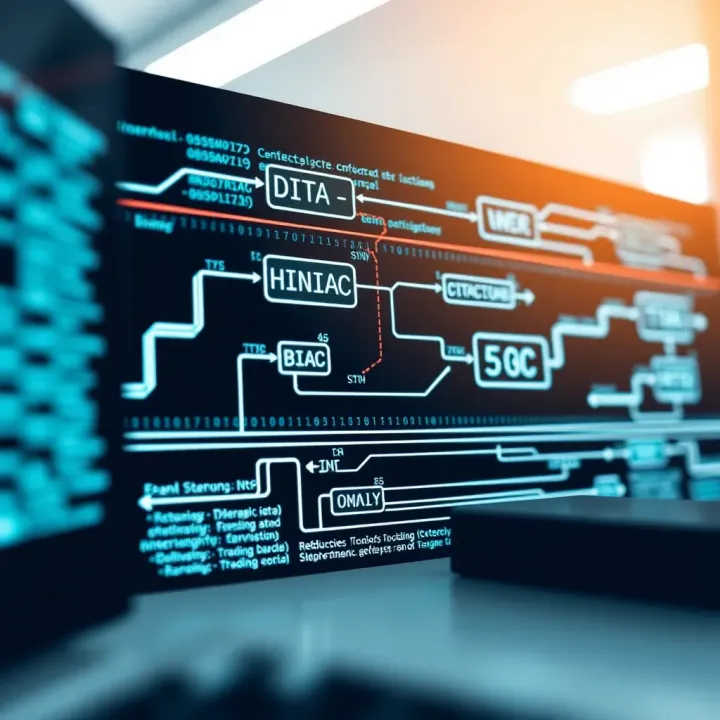
Binary’s two-state nature makes it more resistant to errors. In Pakistan, where electrical interference or low-quality hardware can introduce noise, representing data as 0s and 1s reduces risk. A transistor either conducts fully or not at all, which fits neatly with binary’s 0 and 1.
This reliability simplifies device design and lowers costs, making technology accessible. For example, local manufacturers can produce affordable smartphones and computers optimised for binary operation without complicated circuitry.
In short, binary’s simplicity and robustness power the digital devices we rely on every day—from your mobile phones and internet to banking and entertainment platforms—proving why it's an indispensable part of modern life.
Understanding these basics forms the foundation for grasping how digital technology operates and why mastering binary concepts benefits those involved in Pakistan’s growing IT and tech sectors.
Binary numbers form the backbone of digital technology by encoding data into simple two-state systems: 0s and 1s. Understanding how these digits work in practice is essential for grasping the function of computers and digital devices. Each binary digit, or bit, represents an on/off or true/false condition, allowing complex information to be broken down into manageable, binary-coded units.
Each binary digit carries a specific place value, just like digits in decimal numbers. The rightmost bit holds the smallest value, representing 2⁰ (which is 1), with each bit to the left doubling its weight (2¹, 2², 2³, and so forth). This system means that a binary number such as 1011 reflects a combination of these values added together—in this case, 1×8 + 0×4 + 1×2 + 1×1, which equals 11 in decimal.
This simple place value approach lets devices represent large numbers efficiently using only 0s and 1s. For example, Pakistani software engineers working on applications for digital payments like JazzCash or Easypaisa need to process binary data for transactions, making this understanding fundamental.
To convert binary to decimal, one sums the weighted values of every bit set to 1. For example, the binary 1101 equals 1×8 + 1×4 + 0×2 + 1×1, totalling 13. This method is vital when interpreting raw binary data or debugging software errors where developers must distinguish human-readable numbers from binary codes.
Binary addition and subtraction work similarly to decimal math but only use two digits. When adding, if both bits are 1, you write 0 and carry over 1 to the next bit. For instance, adding 1 + 1 gives 10 in binary. This logic underpins operations within CPUs and microcontrollers, enabling fast arithmetic essential for financial computing, data encryption, and more.
Logical operations such as AND, OR, and NOT are basic building blocks of decision-making in computers. The AND operation outputs 1 only if both input bits are 1, while OR outputs 1 if at least one input is 1. NOT simply flips the bit—1 becomes 0 and vice versa. These operations power everything from simple software conditions to complex algorithmic trading systems in Pakistan’s financial markets.
Grasping these binary operations is crucial for anyone interested in technology careers, software development, or understanding the digital systems that run everyday life.
Through such practical examples, the significance of binary in the digital world becomes clear, showing how foundational it is to computing technologies familiar to Pakistani users and developers alike.
Binary code is at the heart of all computing processes, serving as the fundamental language that machines understand. Computers operate using switches that can be either ON or OFF, which directly correspond to the binary digits 1 and 0. This two-state system allows computers to process data efficiently and reliably, translating complex operations into strings of binary numbers that the hardware can interpret.
When you type a letter or open an app, the computer converts this action into binary sequences that guide its circuits and processors to perform the desired task. This makes binary not just a method of data notation but the practical means through which computers function, enabling them to execute instructions, perform calculations, and manage information.
In computer memory and storage, binary digits (bits) organise all information. Each bit holds a 0 or 1, but by combining multiple bits, computers represent everything from numbers and text to images and sound. For instance, a standard byte consists of eight bits, allowing 256 different values, enough to encode a single character in many coding systems.
Storage devices like hard drives, solid-state drives, and memory cards store data as binary patterns. When you save a file or download an app, these devices record series of 0s and 1s physically, ensuring the data remains intact until accessed again. This binary-based storage system underpins Pakistan's digital infrastructure, from government databases to everyday smartphone use.
Mobile phones, including popular brands used across Pakistan, rely on binary to send and receive calls, messages, and internet data. The signals transmitted between towers and devices are digital, composed of binary codes that carry voice or video information efficiently. Online streaming services, social media platforms, and digital advertisements also function based on binary processing, making daily communication and entertainment possible.
Internet communication protocols use binary for addressing, encrypting, and routing data. For users of local platforms like JazzCash and Easypaisa, binary enables secure and speedy digital transactions. Each transaction is processed, verified, and recorded using binary operations, which helps maintain trust and convenience in Pakistan’s growing fintech sector.
Binary is not just abstract maths; it's the practical backbone behind your phone calls, online payments, and much of the digital world.
For Pakistani tech startups and digital service providers, understanding binary's role is essential to developing software that performs well in real conditions. Binary’s efficiency supports innovations tailored to local needs, such as apps optimised for limited internet connectivity or digital banking services designed for rural areas.
Through this lens, binary serves as an unseen yet indispensable force shaping Pakistan’s digital landscape, powering everything from smartphone apps to complex data centres securely handling vast amounts of information.
Understanding binary through practical examples helps solidify the theory with real-world relevance. This section breaks down how everyday uses, particularly in Pakistan's tech ecosystem, rely on binary code underpinning. When you see binary in action, the abstract concept becomes tangible, benefiting students, freelancers, and professionals by connecting learning with application.
Converting small decimal numbers to binary is a straightforward but crucial skill. For instance, the decimal number 5 converts to 101 in binary: this means "1" in the 4s place, "0" in the 2s place, and "1" in the 1s place, adding up to 4 + 0 + 1 = 5. Such conversions aren't just academic; knowing them helps decode how computers represent data — whether a transaction amount on Easypaisa or a pixel value in digital images.
Reading and writing basic binary code is equally important. Binary strings like 1101 represent values or instructions a computer follows. For example, when a user inputs a command on a device, underlying binary patterns govern the response. Familiarity with this lets learners grasp how software interprets commands and how hardware switches between on and off states — a foundation for anyone interested in coding or digital troubleshooting.
Digital transactions through platforms like JazzCash and Easypaisa rely fundamentally on binary data transfer. When you send Rs 1,000 via JazzCash, that value converts into a string of binary code processed by servers and secure payment gateways. This process ensures your money moves quickly and safely, with binary serving as the language both devices and banks understand to confirm, authenticate, and record transactions.
Binary also impacts software and app development heavily. Every app on your smartphone — from social media to ride-hailing apps like Careem — functions because developers write programs compiled into binary code. This code tells devices what to do at the hardware level. Knowledge of binary thus aids developers in debugging, optimising performance, and ensuring compatibility with diverse devices common in Pakistan’s growing digital market.
Practical familiarity with binary conversions and applications enriches digital literacy, helping professionals and students not just use technology but engage with its core principles effectively.
In short, grasping these examples unlocks a clearer understanding of the digital world around us, especially relevant in Pakistan’s rising tech landscape.
Understanding binary is more than an academic exercise—it forms the backbone of Pakistan's growing digital landscape. As our economy and daily lives increasingly rely on technology, binary literacy equips individuals with the skills to engage effectively in this transforming world. Pakistan's ambitious digital initiatives, from expanding internet access in rural areas to boosting e-governance, make familiarity with binary concepts essential for meaningful participation.
Binary forms the foundation for all computer skills, acting as the language that computers use to process information. Without grasping the basics of binary, it becomes challenging to understand how software, hardware, and digital communication function. For instance, when a smartphone user in Karachi sends a message on WhatsApp or handles a digital payment through JazzCash, binary data is being processed behind the scenes almost instantly.
Students learning programming or IT fundamentals benefit significantly by understanding binary. This knowledge clarifies how computers interpret instructions and store data, making it easier to grasp complex topics like coding, networking, and data security. IT professionals, such as software developers or network administrators, rely on this understanding daily. Knowing binary allows them to troubleshoot problems effectively, optimise software performance, and contribute confidently in tech-driven environments.
Pakistan's software development and tech startup sectors benefit directly from a workforce skilled in binary concepts. Developers who understand binary logic can design more efficient algorithms, work on low-level programming, or develop embedded systems for devices ranging from smart meters to mobile apps. For instance, startups working on fintech solutions in Lahore or Islamabad need programmers fluent in binary-based coding to develop secure platforms that handle millions of transactions smoothly.
The wider implications for national progress are significant. Pakistan is investing heavily in digital infrastructure—improvements in broadband connectivity, digital payments, and automation. A population fluent in the basics of binary contributes to a more vibrant digital economy. This supports innovation, creates job opportunities, and positions Pakistan as a contender in global tech markets. When citizens understand how digital systems work internally, they become better consumers, innovators, and stakeholders in the country's technological future.
Developing strong binary skills today helps Pakistan fully leverage its digital potential tomorrow, fostering growth not only in technology but across all sectors reliant on digital transformation.
💻 Discover the basics and practical uses of the binary system in computing and daily tech. Learn why it’s key for Pakistan’s digital world.
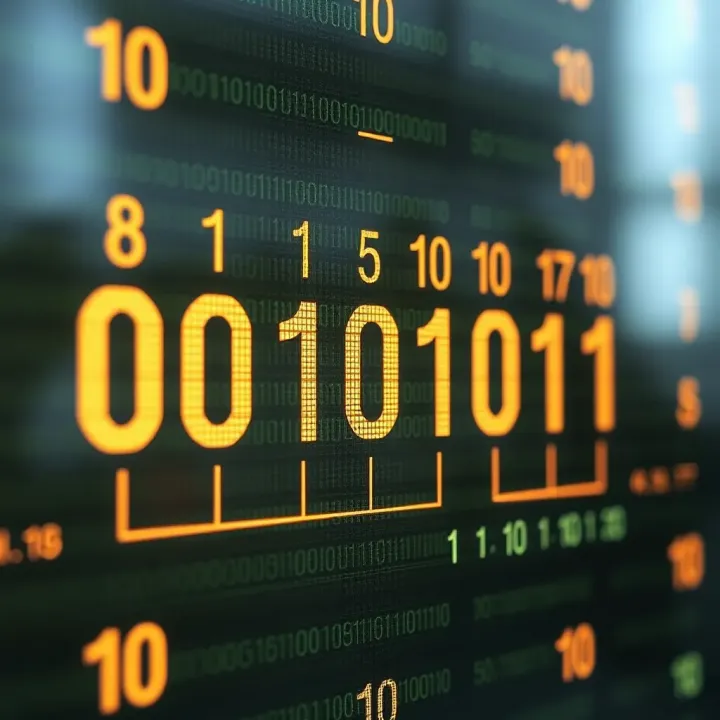
Explore how binary numbers operate in tech 📱, understand binary vs decimal, and learn key binary operations powering today's digital devices 💻.

📊 Explore binary number division with clear methods, step-by-step guidance, and practical examples to boost your understanding of computing basics.
🔐 Explore binary login: learn how it works, practical uses, security tips, troubleshooting, and best practices for safe implementation in tech setups.
Based on 8 reviews