

Legal Framework for Forex Trading in Pakistan
📊 Understand forex trading legalities in Pakistan, State Bank of Pakistan's regulations, licensing needs, risks, and safe practices for local traders with overseas accounts.
Edited By
Amelia Price
Forex trading has caught the attention of many in Pakistan, especially among traders, investors, and freelancers looking for alternative income sources. However, the question of whether forex trading is legal here is more complicated than it seems. Pakistan’s regulations around currency trading are strict but nuanced, and understanding the framework is essential before getting involved.
The State Bank of Pakistan (SBP) regulates foreign exchange activities. It allows forex trading only through authorised channels like approved banks or registered brokers. Trading currencies outside these official channels, particularly with foreign brokers not licensed by Pakistani authorities, often falls into a legal grey area or is outright prohibited.
Trading outside SBP-approved platforms can lead to penalties or loss of investment, so caution is necessary.
Pakistani law permits forex trading when it complies with the Foreign Exchange Regulation Act and related rules. Traders must register with SBP-authorised dealers and adhere to know-your-customer (KYC) requirements, ensuring traceability and legitimacy.
Commonly used platforms include banks' online forex services or firms licensed by the Pakistan Mercantile Exchange (PMEX). These platforms offer trading in currency futures and spot forex while keeping within legal boundaries. On the other hand, popular international platforms like MetaTrader or XM often operate outside Pakistani regulation, raising concerns for local traders.
Risks include not only market volatility but also legal repercussions if you trade with unregulated brokers. Cases where investors lost crores due to fraudulent international brokers have surfaced in local media, underscoring the hazards involved.
In sum, forex trading in Pakistan is legal only when done through SBP-approved means. Staying within the legal framework protects you from scams and legal trouble. Understanding current government policies and using authorised channels is key for anyone considering forex trading here.
This article will break down the rules, available authorised platforms, and the risks you need to be aware of before stepping into forex trading.
Understanding forex trading is essential for anyone considering investment in currency markets. This section explains what forex trading involves and why it attracts a growing number of Pakistani investors. Knowing these basics helps in grasping the relevance of legal and regulatory aspects discussed later.
Forex trading, or foreign exchange trading, means buying and selling currencies with the aim of making a profit from changes in their exchange rates. Unlike the stock market, the forex market operates 24 hours a day across different time zones, enabling continuous trading. For example, a trader might buy US dollars when the rate is low and sell when it rises against the Pakistani rupee. This activity is usually done through brokers or financial institutions.
The forex market is highly liquid and volatile, meaning prices can change rapidly, offering chances for quick gains but also exposing traders to losses. It involves pairs of currencies, such as USD/PKR or EUR/PKR, and traders speculate on their price movements.
Forex trading appeals to many Pakistanis because it offers the chance to earn profits without needing large capital or physical assets. For freelancers and small investors, this market is accessible via online platforms and mobile apps. Given Pakistan’s fluctuations in rupee value, some see forex as a way to protect against local currency depreciation.
Another factor is the relatively low entry barrier. Unlike investing in property or shares, starting forex trading can require smaller amounts, sometimes just a few thousand rupees. Also, it allows trading from home, suiting those who prefer flexible schedules or work from cities where traditional investment options are limited.
However, the quick appeal comes with risks, especially since many Pakistanis may use unregulated brokers or platforms. This is why understanding legal boundaries and choosing authorised channels is vital to avoid penalties or scams.
Forex trading is popular due to its accessibility and potential profits, but it demands careful attention to legal rules and market risks.
By grasping these points, you can better appreciate how the legal framework aims to protect traders while regulating the market's growth in Pakistan.
Understanding the legal status of forex trading in Pakistan helps investors avoid penalties and make informed decisions. Knowing how Pakistani law regulates currency trading clarifies which platforms are allowed, what rules must be followed, and the responsibilities of traders. This section breaks down key regulatory bodies and rules individual investors must keep in mind to trade forex legally.
The State Bank of Pakistan (SBP) is the main authority controlling the country’s foreign exchange policies. It regulates currency flows, licensing of authorised dealers like banks and exchange companies, and issues guidelines on forex activities. For example, SBP restricts the amount of foreign currency Pakistani residents can send abroad, affecting how much can be used for forex trading through official channels.
SBP also monitors compliance to prevent money laundering and illegal forex dealings. If someone trades via unapproved platforms or ignores foreign exchange rules, SBP can intervene or impose fines. Therefore, SBP functions as the guardian of forex market stability and legality in Pakistan.
The Securities and Exchange Commission of Pakistan (SECP) regulates brokerage firms and financial intermediaries involved in forex trading. It sets licensing requirements for brokers and monitors their operations to protect investors. For instance, only SECP-licensed brokers can legally offer forex trading products to Pakistanis.
SECP’s oversight ensures transparency and reduces fraud risks by enforcing reporting standards and conduct codes. This safeguards investors from unlicensed services promising unrealistic returns. Following SECP rules is critical for anyone trading currencies through registered firms.
The Federal Board of Revenue (FBR) oversees tax compliance related to forex transactions. Profits earned from forex trading, whether through currency speculation or futures contracts, are subject to income tax under Pakistani law. FBR requires traders to accurately report earnings on their tax returns.
Failure to declare forex profits can lead to penalties or legal action. Additionally, FBR monitors suspicious financial activities linked to forex dealings to curb money laundering. This makes tax compliance a significant part of legal forex trading.
Pakistani law prohibits trading on offshore forex platforms that aren’t authorised by SBP or SECP. Many unregulated foreign websites target Pakistani investors but operate outside legal frameworks. Using such platforms can result in blocked payments, frozen accounts, or even legal penalties.
For example, several traders have faced issues after depositing funds into unlicensed brokers based abroad. To remain safe, individuals must avoid offshore sites not recognised under Pakistan’s financial regulations.
Only brokers licensed by SECP and exchange houses authorised by SBP can legally facilitate forex trading for Pakistanis. These entities comply with local laws, maintain client funds securely, and provide transparent trading conditions.
For instance, reputable brokerages like IG Markets Pakistan or local exchange companies regulated by SBP offer legitimate channels for forex transactions. Trading through licensed firms protects investors from scams and ensures legal recourse if disputes arise.
Forex trading in Pakistan must adhere to clear documentation and declaration protocols. Traders need to maintain proof of funds' sources, proper account opening with authorised brokers, and records of each transaction.
Moreover, currency conversions should go through SBP-approved channels, such as authorised dealers or banks, rather than informal means. This ensures legal compliance and facilitates hassle-free tax filings and audits.
Always check broker licences and confirm transactions comply with both SBP and SECP regulations to stay on the right side of the law.
By following these regulatory and legal guidelines, Pakistani individual investors can participate safely in forex trading without risking penalties or financial losses due to illegal practices.
Trading forex legally in Pakistan requires a clear understanding of government regulations and available channels. Despite the popularity of forex trading among Pakistanis, many face risks if they engage in unauthorised platforms. This section highlights practical ways to trade forex within legal bounds, which not only protects investors but also ensures compliance with State Bank of Pakistan (SBP) rules.
The State Bank of Pakistan has strict controls on foreign exchange to maintain financial stability. When you trade forex, it is vital to use SBP-approved channels to avoid legal issues. For example, buying or selling foreign currency should be done through authorised dealers like licensed banks or exchange companies that comply with SBP guidelines. This method ensures your transactions are recorded, traceable, and secure. Avoid offshore platforms that operate without SBP approval, as they are considered illegal, and using them can lead to penalties.
The Pakistan Stock Exchange (PSX) offers a regulated platform where investors can trade currency futures. Currency futures allow you to buy or sell a particular currency at a set rate on a future date, providing a hedge against exchange rate fluctuations. This is a legal alternative to direct forex trading and offers transparency as it happens under SECP’s oversight. For instance, a trader anticipating rupee depreciation can use currency futures on PSX to manage risks legally, without directly dealing in forex markets that require foreign licenses.
To trade forex legally, opening an account with a broker authorised by Pakistani regulators is essential. These brokers operate in compliance with SECP and SBP rules, providing safe and legal access to currency trading. Before choosing a broker, verify their licence status through official registries to avoid scams. Authorised brokers often provide local deposit and withdrawal options, making transactions easier and fully compliant with Pakistani law. For example, brokers with Pakistan presence typically support payments via local banks, reducing hassles linked to international fund transfers.
Using legal routes for forex trading in Pakistan not only safeguards your investment but also aligns with the government’s efforts to curb illegal currency trading and related fraud.
By focusing on these three key areas—SBP-approved channels, currency futures on PSX, and authorised brokers—you can engage in forex trading that respects Pakistani law and reduces the risks associated with unregulated markets.
Forex trading in Pakistan offers chances to earn, but it carries significant risks that you need to understand before investing your money. These risks include legal uncertainties, financial volatility, and the growing threat of scams. Being aware helps you make informed choices and avoid unnecessary losses.
Trading forex through platforms that lack approval from Pakistani regulators can cause serious legal trouble. The State Bank of Pakistan (SBP) does not permit foreign forex brokers that operate without local licensing. Using such unauthorised platforms can lead to frozen accounts, loss of invested capital, or penalties. For example, many Pakistanis have reported losing money on offshore websites that vanished abruptly without settling their withdrawals. Besides legal consequences, these platforms often ignore Anti-Money Laundering (AML) and Know Your Customer (KYC) rules, putting users' personal data and funds at risk.
Forex markets are highly volatile, meaning currency values can shift quickly due to global economic events, political instability, or sudden regulatory changes. For Pakistani investors, this volatility is amplified by factors like exchange rate fluctuations of the Pakistani Rupee, monetary policy decisions by the SBP, and geopolitical tensions in the region. For instance, during rapid rupee depreciation phases, traders can see sharp losses if they are not careful. Leverage, a common feature in forex trading, magnifies gains but also multiplies losses, making risk management a must. Many new traders underestimate these dangers, leading to financial setbacks that could have been avoided with proper strategies and stop-loss orders.
Fraudulent schemes have become a major challenge in Pakistan’s forex trading scene. Fake brokers promise high returns and often solicit deposits through WhatsApp or social media, targeting unsuspecting investors. Some scams involve Ponzi-like structures, where returns are paid from new investors’ money instead of genuine profits. These frauds not only drain savings but also damage trust in authentic trading markets. To protect yourself, verify broker licences via official channels, avoid deals sounding too good to be true, and stay alert for red flags like unregulated platforms or pushy sales tactics.
Always choose approved brokers and trading platforms, keep an eye on market conditions, and use sensible risk controls to trade forex safely in Pakistan. Ignoring these risks can lead to costly mistakes.
Trading forex within Pakistan's regulatory framework reduces risks and promotes safer market participation. Familiarise yourself with these challenges and take cautious steps to protect your investment and personal information.
Understanding the recent developments and official approach toward forex trading in Pakistan helps investors navigate the complex regulatory landscape. Changes in rules and government actions often directly influence market accessibility and legal compliance for traders.
The government has tightened currency exchange regulations in the past few years, aiming to control foreign currency outflow and stabilise the rupee. For instance, banks and authorised dealers must now report all forex transactions above Rs 100,000 to the State Bank of Pakistan (SBP). This policy ensures transparency and discourages unregulated forex trading on offshore platforms.
Moreover, the government periodically revises limits on foreign currency remittance through official channels to prevent black-market dealings. Traders are encouraged to avoid unauthorised exchanges, which often violate these policies and risk financial penalties.
Monetary policy set by the SBP significantly affects forex trading conditions. For example, changes in the policy rate can lead to fluctuations in the PKR to USD exchange rate, impacting speculative currency trading and hedging strategies. During periods of monetary tightening, like raising the policy rate to curb inflation, liquidity shrinks, which can cool down forex market volatility.
Additionally, interventions such as forex reserves management influence the rupee's stability, indirectly affecting how profitable or risky forex trading is at a given time. Traders should keep a keen eye on SBP announcements for monetary policy changes that can affect market timing.
The government, through the SBP and Federal Board of Revenue (FBR), has stepped up actions against unauthorised forex activities. Law enforcement conducts crackdowns on illegal forex dealers and offshore platform operators exploiting Pakistani traders.
For example, there have been recent raids and freezing of assets belonging to individuals running unlicensed forex brokerage businesses. The FBR also uses data analytics to track suspicious transactions and issues challans for tax evasion related to forex trading losses or profits.
Staying with authorised brokers and channels is the safest way for Pakistanis engaged in forex trading to avoid legal trouble and financial loss.
In summary, traders must stay informed about government updates on forex policies, monitor monetary policy shifts closely, and avoid illegal platforms to trade safely within Pakistan's legal framework.
Understanding how to navigate forex trading within Pakistan’s legal framework is essential for anyone looking to enter this market. Proper guidance helps investors avoid legal pitfalls, reduces financial risks, and ensures a more secure trading experience. This section covers practical steps you can take to verify brokers, adopt cautious trading practices, and consider legal alternatives to straightforward forex trading.
Always check if the broker is authorised by the Securities and Exchange Commission of Pakistan (SECP) or recognised by the State Bank of Pakistan (SBP). These regulators maintain lists of licensed brokers who comply with Pakistan’s financial regulations. For example, if you intend to open an account with a forex broker, request their licence details and cross-check with official SECP records.
Beware of brokers offering unusually high leverage or returns without clear regulatory backing. Independent reviews and user feedback on financial forums can also give clues about a broker’s reputation. Remember, Pakistan’s rules restrict dealing with offshore brokers unregistered locally — trading through unauthorised platforms can lead to legal trouble or financial loss.
Start trading only with funds you can afford to lose and avoid chasing quick profits through risky strategies. Use demo accounts first to get familiar with trading platforms and market behaviour without risking real money. It also helps to set stop-loss limits to control potential losses during volatile market conditions.
Stay updated on Pakistan’s evolving forex regulations which can affect your trading rights and obligations. It is wise to maintain thorough records of all transactions, contracts, and correspondence with brokers for accountability. Lastly, diversify your investments and avoid depending solely on forex trading—especially when market uncertainties and scams remain a threat.
The Pakistan Stock Exchange (PSX) offers currency futures contracts as a more regulated alternative to direct forex trading. These contracts allow you to speculate on or hedge against currency fluctuations within a legal framework. Since these futures are traded locally under SECP supervision, investors benefit from greater transparency and reduced risk of fraud compared to offshore forex platforms.
For instance, an exporter worried about rupee depreciation might use currency futures on the PSX to lock in exchange rates for upcoming foreign payments. This approach limits exposure to sudden currency swings while remaining within Pakistan’s rules.
For those interested in international currency exposure without direct forex trading, investing in foreign asset funds is a practical option. Many Pakistani asset management companies now offer mutual funds or exchange-traded funds (ETFs) investing overseas, providing a diversified portfolio in currencies, equities, or bonds.
This route offers indirect forex participation under local regulations and professional fund management. It also eliminates the need to handle foreign currency transactions personally, which can be complex due to Pakistan’s foreign exchange controls. Before investing, check the fund’s portfolio and regulatory approvals to ensure compliance and suitability.
Being thorough about broker verification and exploring legal options like currency futures or foreign funds helps protect your capital and peace of mind in the forex space.
📊 Understand forex trading legalities in Pakistan, State Bank of Pakistan's regulations, licensing needs, risks, and safe practices for local traders with overseas accounts.

📈 Start forex trading in Pakistan with this practical guide! Learn to pick brokers, set accounts, master strategies, manage risks, and navigate legal rules confidently.
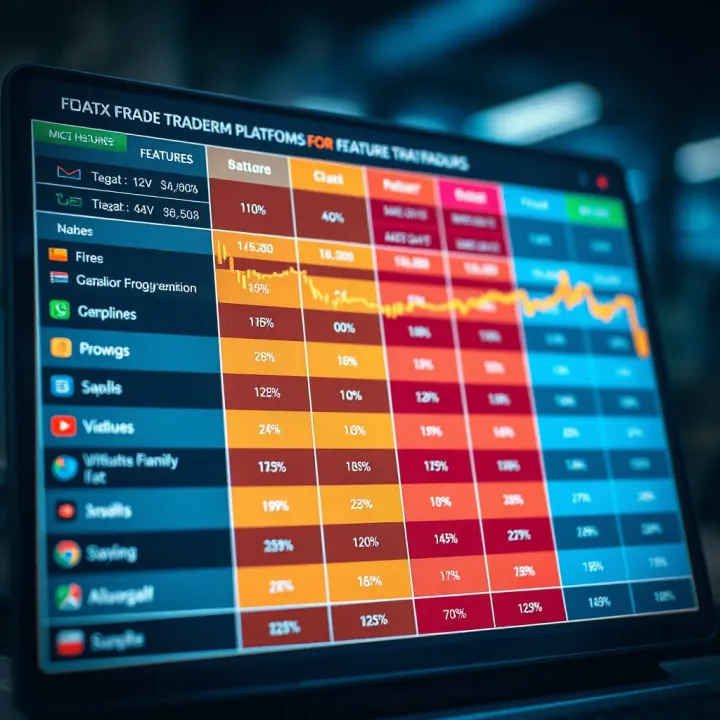
Discover how to choose the best forex trading platform for Pakistani traders 🇵🇰. Compare features, fees, and tools to succeed in Pakistan’s forex market 📈.

Discover how to pick the best forex trading apps in Pakistan 📱. Learn about essential tools, regulations, and tips to trade smarter on mobile platforms.
Based on 13 reviews