
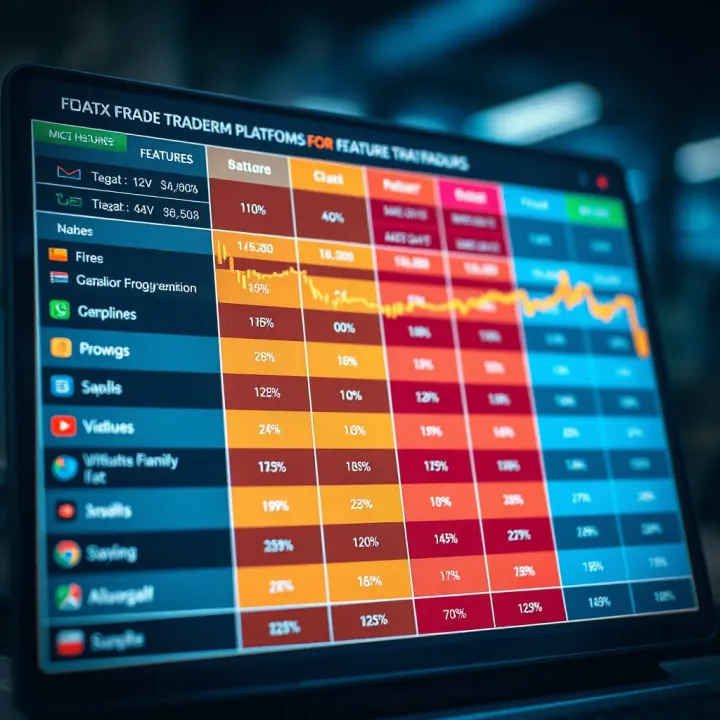
Best Forex Trading Platforms for Pakistani Traders
Discover how to choose the best forex trading platform for Pakistani traders 🇵🇰. Compare features, fees, and tools to succeed in Pakistan’s forex market 📈.
Edited By
William Fletcher
Forex trading in Pakistan sits in a complex legal environment controlled mainly by the State Bank of Pakistan (SBP). Unlike many countries where forex trading enjoys relatively clear regulation, Pakistan’s framework is more restrictive due to concerns over foreign exchange controls and protection of the national currency. Traders and investors must navigate strict rules, especially when dealing with overseas accounts or international brokers.
The SBP governs all foreign exchange transactions under the Foreign Exchange Regulation Act, making it crucial for Pakistani traders to understand what is permitted. For example, individuals are allowed to invest in foreign assets or forex markets only through officially approved channels with licenses. Opening trading accounts abroad without SBP approval technically breaches regulations and can attract penalties.
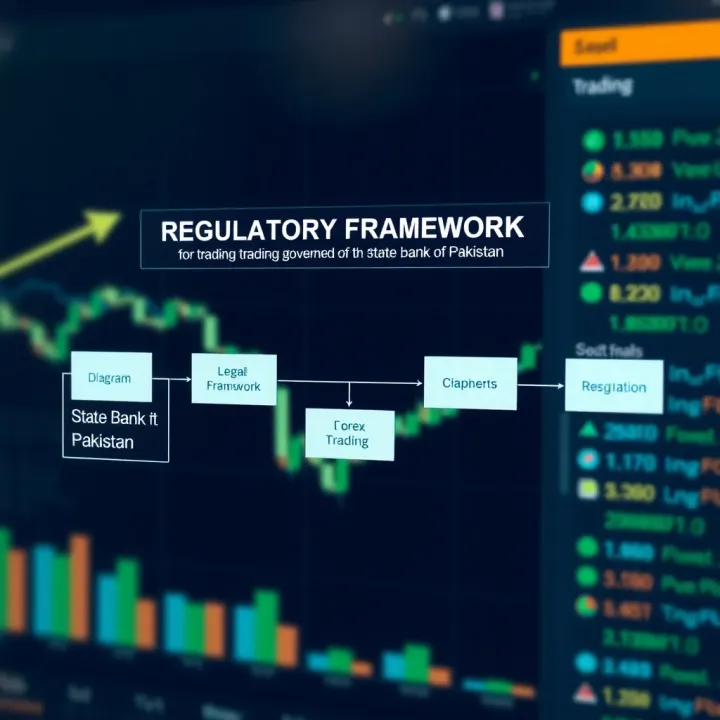
Forex trading without compliance can lead to freezing of funds or fines, so traders need to verify their broker’s licensing and registration status.
All forex dealings must go through SBP-licensed institutions or authorised dealers.
Retail traders cannot legally open foreign forex accounts without approval from SBP or related authorities.
Licensed brokers have to comply with AML/KYC (anti-money laundering/know your customer) rules enforced by Pakistani regulators.
Cryptocurrency regulations also impact forex platforms offering digital currency pairs.
On the practical side, many Pakistani traders operate through overseas brokers due to limited local options. While this is common, it remains a grey area with risks. Traders should ensure their overseas brokers are regulated in credible jurisdictions like the UK’s FCA or Australia’s ASIC, and keep thorough records to prove legal purpose of funds if questioned by SBP or tax authorities.
Professional advice is highly recommended for anyone getting into forex trading locally. Choosing the right broker, understanding tax obligations with the Federal Board of Revenue (FBR), and staying updated on regulatory changes will protect you from penalties.
In short, forex trading in Pakistan is not outlawed but strictly regulated. It demands extra care to remain inside the legal framework, making knowledge about SBP guidelines and licensing requirements essential for anyone planning to trade forex from Pakistan.
Forex trading involves buying and selling currencies to profit from fluctuations in exchange rates. For Pakistanis, understanding this market is not just academic; it has real implications for investment decisions, business transactions, and even personal finance management.
At its core, forex trading deals with currency pairs like USD/PKR or EUR/PKR. Traders speculate on whether the price of one currency will rise or fall relative to another. Consider someone in Karachi buying USD with PKR, anticipating the dollar will appreciate. If this prediction holds, the trader sells the dollar later for more rupees, making a profit. However, unpredictability, like sudden changes in geopolitical events or economic policies, can quickly reverse fortunes.
Key to forex trading is leverage, allowing traders to control large positions with smaller capital. While this magnifies gains, it also increases risks. For instance, with a leverage ratio of 1:100, a Rs 10,000 investment can control Rs 1,000,000 worth of currencies. But if the market moves unfavourably by just 1%, the entire investment could be wiped out. Avoiding such pitfalls requires a clear grasp of trading basics and strict money management.
The forex market in Pakistan is shaped by a mix of individual traders, corporate entities, financial institutions, and government bodies. While international forex markets operate 24/7, Pakistani traders usually engage through brokers authorised or recognised under regulatory frameworks.
Business firms use forex trading to manage currency risk when dealing with imports or exports, like a textile exporter hedging against rupee depreciation while negotiating foreign contracts. Individual traders, including freelancers earning in foreign currency via platforms like Upwork or Fiverr, may also access forex markets for currency conversion purposes or speculation. Banks and authorised dealers under the State Bank of Pakistan (SBP) play a key role in forex operations, ensuring compliance with foreign exchange regulations.
In short, grasping the basics and knowing the key market players help Pakistani traders navigate forex trading more confidently, reducing exposure to risks while taking advantage of opportunities.
Understanding the legal framework for forex trading is fundamental for anyone involved in the market in Pakistan. This framework not only sets the rules of engagement but ensures the protection of investors and the stability of the financial system. Without clear regulations, traders risk falling into grey areas that may lead to penalties or loss of funds.
The State Bank of Pakistan (SBP) is the main authority regulating forex trading in the country. It controls the flow of foreign currency and oversees the forex market to prevent illegal activities. For example, SBP imposes strict rules on remittances to limit unregulated currency exchange through unauthorized channels. Traders must keep an eye on SBP policies as breaches—such as transacting without approval—can lead to fines or account freezes.

SBP also issues regulations that require individuals and companies to use authorised dealers when exchanging foreign currency or trading forex. It means that any forex activity outside these authorised channels is considered illegal. For instance, converting PKR into USD through informal means can attract penalties. The bank’s role further extends to approving the use of online platforms and brokers, which directly impacts the accessibility and safety of forex trading in Pakistan.
Pakistan’s foreign exchange laws focus on controlling currency flows to maintain economic stability. The Foreign Exchange Regulation Act gives SBP the authority to set limits and conditions on forex transactions. For example, residents are generally not allowed to open foreign currency accounts abroad without prior permission. This restriction aims to stop capital flight and protect local currency reserves.
Moreover, the government prohibits speculative trading through unregistered platforms. People trading forex using overseas brokers must take care that they comply with Pakistani laws, or they might face legal action. Certain transactions, such as buying foreign currency for tourism under the allocated limits, are permitted but strictly monitored.
Most importantly, forex trading in Pakistan must align with anti-money laundering (AML) rules. This means all large transactions are tracked, and traders are required to provide valid identification like CNIC to their brokers.
To summarise, the legal framework ensures forex trading happens through regulated channels, protecting traders and the economy. Understanding SBP’s role and adherence to foreign exchange regulations can help Pakistani traders navigate the market confidently and avoid costly mistakes.
Trading restrictions and compliance requirements form the backbone of legal forex trading in Pakistan. These rules define what is lawful for traders and firms, ensuring that the forex market operates within prescribed boundaries. Clear regulations help prevent financial crimes such as money laundering and illegal capital flight, safeguarding both the national economy and individual investors.
Pakistani traders often look to international forex brokers to access larger markets and better trading platforms. However, using overseas brokers comes with legal complexities. The State Bank of Pakistan (SBP) does not officially regulate foreign brokers, so transactions through these brokers must comply with Pakistan’s foreign exchange regulations. Traders must transfer funds abroad through authorised channels like SBP-approved banks to avoid violating currency control laws. For example, a trader sending Rs 5 lakh to an overseas broker account without notifying SBP could face penalties or blocked transactions.
Moreover, overseas brokers may not offer investor protection under Pakistani law. This means if the broker fails or scams the client, legal recourse within Pakistan can be limited or complicated. Traders should verify that their broker is regulated in its home country and maintain proper documentation of all transactions for compliance.
Forex brokerage firms operating in Pakistan must obtain a licence from relevant authorities, primarily from the Securities and Exchange Commission of Pakistan (SECP). This licensing ensures that firms meet financial stability, transparency, and ethical standards before offering services to clients. Without registration, a firm cannot legally provide forex trading services within Pakistan.
A licensed forex firm also complies with Anti-Money Laundering (AML) and Combating Financing of Terrorism (CFT) regulations. For example, such firms perform identity verification of clients, monitor suspicious transactions, and submit periodic reports to authorities. This framework builds trust in the market and protects traders’ interests.
Ignoring trading restrictions and compliance can lead to severe consequences. The SBP and SECP actively monitor forex activities, and enforcement actions include hefty fines, account freezes, or even jail terms in extreme cases. For instance, traders transferring funds abroad without approval or using unregistered brokers risk having their transactions blocked and their accounts blacklisted.
Businesses found operating forex firms without licences face penalties and shutdown orders. These actions discourage illicit trading practices and promote a more stable forex environment.
Non-compliance not only exposes traders and firms to legal risks but can also damage their reputation and financial standing, making adherence to forex regulations essential for sustainable trading in Pakistan.
Having said that, understanding and following these trading restrictions protects you as a trader and helps maintain a transparent and trustworthy forex market within Pakistan.
Forex trading offers chances to earn, but without proper caution, traders often face pitfalls. Understanding the risks and knowing how to stay within legal boundaries protect your capital and reputation. This section highlights the typical challenges Pakistani traders encounter and practical steps to avoid trouble.
Forex volatility can easily lead to significant losses if not managed carefully. Price swings of currency pairs like USD/PKR can be sharp, especially during global economic events or political instability. For example, a sudden change in SBP's monetary policy might cause rapid fluctuations that catch inexperienced traders off guard.
Additionally, the use of high leverage is tempting but risky. While it can multiply profits, it also increases losses. Many traders in Pakistan fall into traps by overleveraging accounts and then suffering margin calls that drain their funds. It’s not uncommon to hear about offshore brokers disappearing with traders’ deposits due to lack of regulation.
The forex market’s 24-hour nature also lures traders into continuous activity without rest, affecting decision-making. Emotional trading triggered by greed or fear can amplify losses. Tech issues like unstable internet or power cuts — common in many parts of Pakistan — may cause missed opportunities or unexpected trades.
Fraud is another concern. Unregulated brokers, phishing scams, and unauthorised signals services exploit traders. Without proper verification, many become victims of schemes promising huge returns but ending in loss.
Always remember that forex trading is not a shortcut to riches; it demands discipline, knowledge, and legal awareness.
Firstly, stick to brokers licensed or approved by recognised international authorities or regulated under Pakistani laws. Avoid unregistered platforms; this reduces chances of losing money or facing legal problems.
Never try to bypass SBP’s rules by transferring foreign exchange through unofficial channels. Use authorised banking or fintech services like JazzCash and Easypaisa that comply with foreign exchange regulations while sending or receiving payments related to forex trading.
Keep proper records of your trades and transactions for tax purposes. The Federal Board of Revenue (FBR) requires declaration of foreign income and assets, so ignoring this can lead to penalties.
Limit leverage to manageable levels and use stop-loss orders to control risks. Educate yourself continuously about market trends, legal changes, and best trading practices.
Finally, avoid chasing unrealistic profits or advice from unknown sources on social media. Consult licensed financial advisors or join regulated training programmes instead.
By recognising common risks and following legal guidelines, Pakistani forex traders can trade with confidence and improve their chances of success without falling foul of the law.
The future of forex trading regulation in Pakistan holds significant weight for traders, businesses, and the broader financial market. Understanding these upcoming changes helps stakeholders prepare better, avoid legal pitfalls, and stay competitive. With growing interest among Pakistani individuals and firms in the forex market, regulatory developments will shape how safely and efficiently the market operates.
The State Bank of Pakistan (SBP) and the Federal Board of Revenue (FBR) are considering adjustments to current regulations to improve transparency and monitor forex transactions more effectively. One potential development involves tightening controls on overseas forex accounts to prevent illegal money flows and tax evasion. This may include mandatory reporting requirements or restrictions on remittances devoted to trading.
Moreover, there is talk of introducing clearer licensing frameworks for forex brokers operating in Pakistan. This could involve stricter capital requirements and compliance audits to ensure brokers adhere to local and international standards. For example, a broker might need to demonstrate robust cybersecurity measures and client fund segregation.
Technology also plays a role, with regulators potentially employing fintech solutions to track forex transactions in real time. The goal is to reduce risks tied to money laundering and fraud, common concerns in forex trading worldwide.
For local traders, these regulatory enhancements mean greater protection from scams and unregulated platforms, which have been a challenge. However, they might face more paperwork or constraints on transferring funds internationally. For instance, a freelancer working with clients abroad may need to clearly document forex earnings under new rules.
Businesses dealing in imports and exports could see improved foreign exchange availability but using forex more cautiously to comply with updated laws. A textile exporter might need to follow more detailed documentation when converting foreign earnings to Pakistani rupees.
While these changes could initially feel restrictive, they aim to promote a healthier forex environment, encouraging responsible trading and investment. Those who stay informed and comply will find fewer disruptions.
Staying aware of regulatory shifts allows Pakistani forex traders and businesses to adapt swiftly, safeguard their investments, and benefit from a more transparent market.
Overall, the outlook suggests a balanced approach: protecting traders and the economy while fostering growth through improved forex regulation in Pakistan.
Discover how to choose the best forex trading platform for Pakistani traders 🇵🇰. Compare features, fees, and tools to succeed in Pakistan’s forex market 📈.

Discover how to pick the best forex trading apps in Pakistan 📱. Learn about essential tools, regulations, and tips to trade smarter on mobile platforms.

Explore top forex trading apps in Pakistan 📱. Learn how to choose the best platform based on features, regulations, and your trading style with confidence.

Explore top forex trading apps trusted by Pakistani traders 🇵🇰. Learn about features, secure payments, local support, and smart choices for your trading success! 📱💹
Based on 6 reviews