
Understanding Forex Trading for Pakistani Traders
📊 Understand forex trading essentials, market trends, risk management & Pakistan's regulations. A practical guide for Pakistani traders seeking informed currency trading success.
Edited By
Henry Dawson
Forex trading signals have become vital tools for many Pakistani traders navigating the fast-moving currency market. These signals provide timely buy or sell recommendations on currency pairs, helping traders make decisions without having to analyse every indicator themselves.
In Pakistan, with the forex market's rising popularity and the availability of platforms like MetaTrader and local brokers, signals reduce the guesswork and help traders stay ahead of volatility. They can come from professional analysts, algorithmic software, or social trading networks.
Forex signals are not crystal balls; you should treat them as informed suggestions backed by data, not guaranteed profits.
Understanding how these signals work and their sources helps Pakistani traders manage risks better, especially amid rupee fluctuations and global economic changes. Using signals wisely can complement your own market research, technical analysis, or fundamental study of economic news.
They save time by summarising entry and exit points.
Provide insights into market trends without constant monitoring.
Help reduce emotional trading decisions.
Enable beginners to learn pattern recognition.
However, signals vary widely in accuracy depending on who or what generates them. Automated signals might react faster but can miss nuanced events affecting currencies like USD/PKR or EUR/PKR, while expert-curated signals often factor in geopolitical developments.
In this article, we will explore the different types of forex signals available, how to identify reliable sources, and ways to use them effectively in Pakistan’s trading environment. Alongside, we will touch on essential risk management practices crucial for protecting capital when following signals.
Having this knowledge equips you to make smarter trades, whether you are a novice taking your first steps or an experienced trader refining your strategy.
Forex trading signals help traders spot potential buy or sell opportunities in the currency market. They act as alerts or recommendations based on market data analysis, guiding traders on when to enter or exit trades. In the fast-moving forex market, especially for Pakistani traders who might juggle trading alongside other work, signals simplify decision making and save time.
These signals rely on data from price movements, economic news, and sometimes trader sentiment. For example, a signal might suggest buying the USD/PKR pair when technical indicators show an upward trend alongside positive economic data from the US. This practical tool supports traders in making informed, timely choices rather than relying on guesswork.
Explanation of forex trading signals: Forex trading signals are specific alerts generated to indicate when a trader should consider buying or selling a currency pair. These usually come with details like entry price, stop-loss level, and take-profit target. Signals condense complex market information into straightforward advice, making trading less overwhelming.
Role in decision making: Signals serve as an additional layer of insight rather than a strict rulebook. Traders use them alongside their own analysis to make more confident decisions. For instance, a signal might warn of an impending price drop, prompting a trader to check charts or news before deciding. This helps avoid emotional trading and reduces the risk of rash moves.
Manual versus automated signal creation: Some signals come from expert traders who analyse markets manually, using their experience to spot patterns or news effects. Others are produced by automated systems or algorithms that scan data continuously. In Pakistan, many signal services combine both methods to balance human judgement with fast data processing.
Technical and fundamental analysis basics: Technical analysis involves studying price charts and indicators like moving averages or the Relative Strength Index (RSI) to identify trends and reversals. Fundamental analysis looks at economic factors such as interest rates, inflation, and political events that affect currency value. Effective signals often blend these approaches; for example, a technical indicator confirming a trend supported by upcoming positive economic news might trigger a buy signal.
Wise traders never rely solely on signals but use them as tools within a broader trading strategy that considers risk management and market context.
Forex trading signals come in various forms, each based on different methods of analysing the market. Pakistani traders should understand these types to choose signals that suit their trading style and goals effectively. Here, we focus on three main categories: technical signals, fundamental signals, and sentiment-based signals.
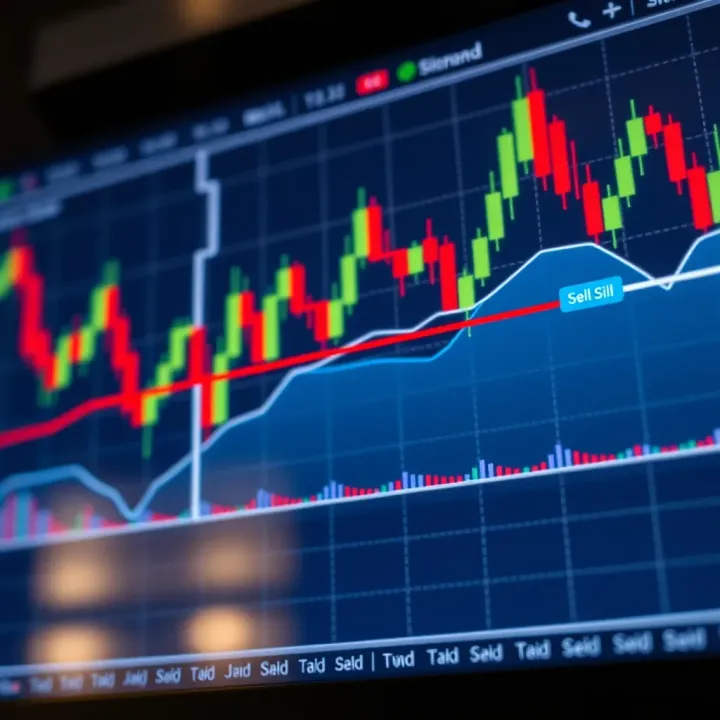
Technical signals rely on indicators and chart patterns derived from past price data. They help traders spot trends, reversals, or momentum shifts by analysing graphical price movements. For example, support and resistance levels or candlestick formations provide clues for entry or exit points.
Popular technical tools include moving averages and the Relative Strength Index (RSI). Moving averages smooth out price fluctuations to highlight underlying trends; crossing of short- and long-term moving averages can signal potential buy or sell moments. RSI measures the speed and change of price movements, indicating overbought or oversold conditions. In Pakistani forex markets, these tools help traders act on currency pairs like USD/PKR or EUR/USD based on historical behaviour.
Fundamental signals originate from economic news and data releases that impact currency values directly. Examples include Pakistan’s inflation rate announcements, central bank interest rate decisions, or US Non-Farm Payroll figures. Changes in Pakistan’s State Bank monetary policy often cause swift PKR fluctuations, offering traders clues about market direction.
These signals reflect how real-world events shift currency supply and demand. For instance, a positive economic report can strengthen a currency, encouraging traders to buy, while geopolitical instability may lead to selling pressure. Understanding fundamental triggers helps Pakistani traders anticipate market moves beyond charts.
Sentiment-based signals gauge the mood or bias of market participants. Analysts may track news headlines, social media chatter, or large-scale trader positioning data to assess sentiment. If most traders are bullish or bearish, it can influence price trends either by reinforcing momentum or foreshadowing correction.
Trader positioning data, such as reports from the Commodity Futures Trading Commission (CFTC), show how large investors are placed in the market. In Pakistan, retail traders following this data can spot when a currency is overbought or oversold due to crowded trades, offering opportunities to act contrarily. These signals add a useful layer alongside technical and fundamental analysis.
Combining different types of trading signals gives a more balanced view, reducing reliance on a single method. Especially for Pakistani traders dealing with volatile currency pairs, using technical, fundamental, and sentiment-based signals together improves decision-making quality.
Forex trading signals are only as useful as their source, and for Pakistani traders, finding reliable providers is key to success. Understanding where to look for these signals, their strengths and weaknesses, helps traders avoid costly mistakes. Whether signals come from subscription services, brokers, or community groups, knowing their origin supports wiser decision-making.
Many Pakistani traders turn to international and local subscription services for forex signals. Providers like FXPro and ForexSignals.com offer comprehensive packages including technical analysis, entry and exit points, and sometimes educational content. These services often use a mix of automated algorithms and expert traders’ insights to send signals via email or mobile app.
Paid services generally promise higher accuracy and more timely signals compared to free ones, though this isn’t always guaranteed. Free signal channels can be found widely on social media or forums but may lack verification and detailed explanations, increasing risk. Pakistani traders benefit from trying short-term subscriptions or free trials to evaluate the effectiveness before committing financially.
Several brokers operating in Pakistan incorporate forex signals directly within their trading platforms. For instance, brokers like IG Markets and FXTM provide automated signals that sync with their trading terminals, allowing users to act promptly without switching apps.
Pakistani brokers such as PSX Capital and Alpari also offer useful trading tools, including signals based on local market trends or economic events. These platforms might offer built-in risk management features like stop-loss suggestions tied to the signals, which is a big help for managing trades safely.
Telegram groups and WhatsApp channels have become popular venues for sharing forex signals among Pakistani traders. These groups often combine real-time signal sharing with discussions, tips, and queries, making them interactive learning hubs.
However, this informal setup comes with risks: signals might not be vetted, and some groups may promote specific brokers or unfair practices. Still, active communities provide immediate feedback and peer validation, which can be valuable if used cautiously and supplemented with personal analysis.
Tip: Always cross-check any community-shared signal with your own research or reputable sources before trading.
In summary, Pakistani traders have diverse options for forex trading signals. Subscription services offer more structured insights, broker platforms provide convenience and integration, while social media groups supply community support. Weighing their reliability and aligning with your trading style is essential to make the most out of these sources.
When trading forex in Pakistan, using signals without assessing their reliability can lead to losses. Traders need to verify whether signals come from trustworthy sources because unreliable signals can misguide decisions in the fast-moving forex market. For example, a signal promising quick, high returns without proven performance often signals risk rather than opportunity.
Checking a signal provider’s verified performance history helps you understand their consistency. Providers with a transparent track record, showing detailed past trades with real results, give you more confidence. For instance, a signal service that shows verified trades with clear dates, entry and exit points, alongside win/loss ratios, helps you judge its usefulness. Many reputable providers offer demo accounts or trial periods to let you test signals firsthand.
On the other hand, red flags include unverifiable results, promises of guaranteed profits, or lack of transparency about who runs the service. Be cautious if providers avoid sharing historical data or use fake testimonials. Often, such services survive only on hype without backing their claims with evidence. In Pakistan’s growing forex community, scams masquerading as signal providers frequently trick beginners, so staying alert is crucial.
Good signals should come with clear stop-loss and take-profit guidance. These are predefined levels to limit losses and secure profits. For example, a signal that advises entering a trade with a stop-loss at 30 pips below the entry point protects your capital if the market goes against you. Without such guidance, you risk bigger losses that no signal can recover.
At the same time, never depend solely on signals. Overreliance can erode your market understanding and lead to poor decisions when signals fail—which they sometimes do. Instead, use signals as one tool in your trading toolkit, balancing them with your own analysis of charts or economic news. This approach helps build your skills and reduces the chance of blindly following potentially faulty advice.
Always remember that no signal guarantees success; managing risk and sharpening your own judgement remain key to long-term forex trading success in Pakistan.
By critically assessing the performance history of signals and practising sound risk management, Pakistani traders can better navigate the forex market’s challenges and avoid common pitfalls associated with unreliable trading signals.
Using forex trading signals without a solid strategy can feel like sailing without a compass. Signals are helpful guides but Traders should mix them with their own analysis and understanding of the market. This holds especially true for Pakistani traders who face unique market conditions, such as frequent rupee fluctuations and regional geopolitical impacts.
Combining signals with chart reading skills helps you verify the signals you receive. For instance, if a signal suggests buying USD/PKR, you should cross-check this with technical indicators like moving averages or support and resistance levels on your trading platform. This double-checking reduces blind faith in signals and sharpens your decision-making.
Similarly, understanding market context means recognising factors like Pakistan’s economic news, policy announcements, or external shocks that could impact currency pairs. If a fundamental report is about to release, signals might suddenly lose validity or behave unexpectedly. So, knowing the broader market helps you avoid losses from blindly following signals during volatile times.
Before subscribing to any signals service, consider its track record and whether it matches your trading style. Pakistani traders often prefer providers offering signals focused on PKR pairs or other relevant markets. Check user reviews and the provider's transparency about past performance to avoid services that over-promise but under-deliver.
Trial periods are crucial. Free or low-cost trials let you test the signal accuracy and timing without risking much. Look for providers who clearly explain their methodologies and have open communication channels. Transparent services usually have less chance of misleading clients, helping you make an informed choice.
Forex trading in Pakistan falls under the regulatory oversight of the Securities and Exchange Commission of Pakistan (SECP) and State Bank of Pakistan (SBP). It is essential to use brokerages registered with these authorities to stay compliant. Unauthorised platforms can result not just in financial loss but legal trouble.
Beware of scams and unauthorised signal providers, especially on social media channels like Telegram and WhatsApp, which are popular but risky. Reliable providers usually have verifiable contact details, clear pricing, and do not pressure you for instant payments. It’s wise to avoid anyone promising guaranteed profits or insider tips.
Combining signals with your skills, choosing transparent providers, and staying within Pakistan’s legal framework will help you use forex trading signals effectively, reducing risk and boosting your confidence in the market.
📊 Understand forex trading essentials, market trends, risk management & Pakistan's regulations. A practical guide for Pakistani traders seeking informed currency trading success.
🔍 Find the right forex indicator to boost your trading! Learn their pros and cons to match your style for smarter, clearer market decisions. 📈
Explore top forex trading software for Pakistani traders 📈 Learn essential features, risks, and tips to choose the best tools for Pakistan’s market confidently.
📊 Learn how crypto trading signals guide Pakistani traders to spot buy & sell chances, manage risks, and choose trustworthy providers in the local market.
Based on 8 reviews