
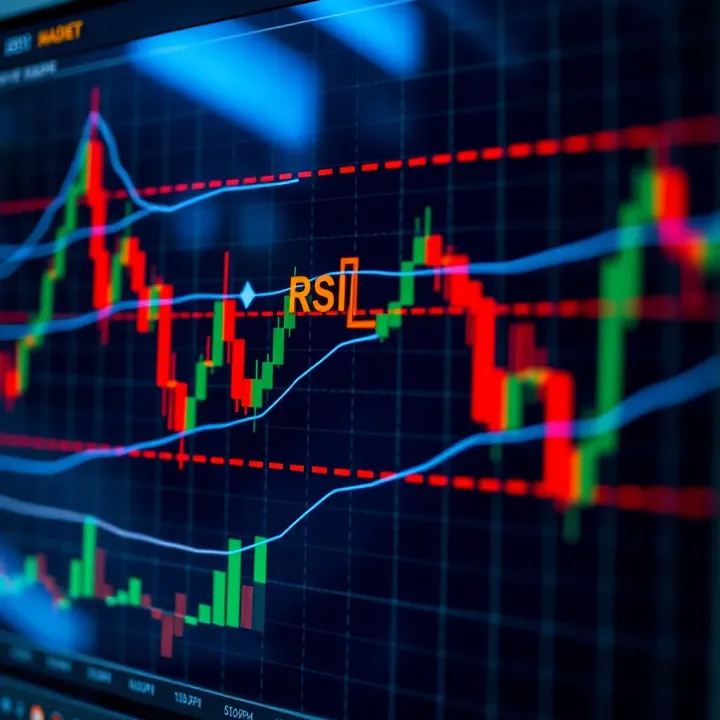
Top Crypto Trading Indicators Explained
Explore top crypto trading indicators 📊, learn how they work, their pros & cons, and smart combos to navigate Pakistan's volatile crypto market confidently 🚀.
Edited By
Sophia Hughes
Crypto trading signals are alerts that advise traders on when to buy or sell particular cryptocurrencies. These signals usually come from expert analysis, technical indicators, or automated trading bots. For traders in Pakistan, understanding these signals can make a big difference because the crypto market moves fast and keeping track of every coin individually is challenging.
Signals typically include key data such as the entry price, stop-loss level, and take-profit target. For example, a signal might suggest buying Bitcoin when it hits Rs 5.5 million, setting a stop-loss at Rs 5.3 million to limit potential loss, and targeting Rs 5.8 million to secure profits. This clear guidance helps traders act decisively without second-guessing.
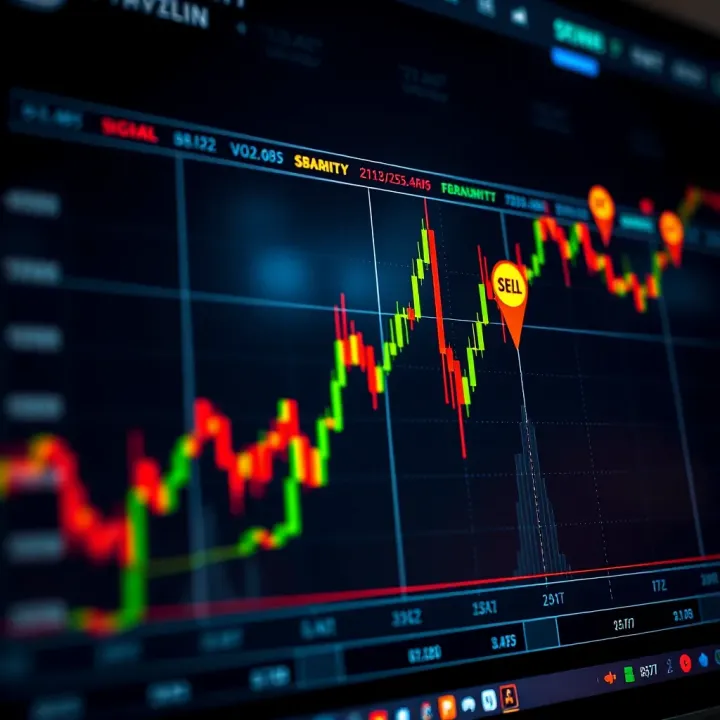
There are several types of crypto trading signals:
Technical signals: Based on chart patterns, indicators like RSI or MACD, and price trends.
Fundamental signals: Derived from news, regulations, or major events impacting specific cryptocurrencies.
Automated signals: Generated by algorithmic bots that scan the market continuously.
In Pakistan, traders should consider local market factors such as currency exchange trends, tax regulations, and access to exchanges like Binance or local platforms. This context affects how signals perform here compared to global markets.
Keep in mind: No signal guarantees profit. Even the best signals can fail due to market volatility, especially in crypto. Always use stop-loss orders and do your own research before acting.
To get the most from crypto trading signals, Pakistani traders should:
Choose signals from verified sources with a proven track record.
Use signals alongside their own analysis rather than blindly following them.
Manage risks by limiting investment per trade and not overleveraging.
By following these practices, traders can use crypto signals to improve timing and decision-making without falling into common traps or scams.
Crypto trading signals serve as alerts or notifications suggesting the best moments to buy or sell cryptocurrencies. They are crucial because they help traders, especially those new to the market, identify potential opportunities without needing to analyse everything from scratch. For instance, a signal might tell you to buy Bitcoin when it shows signs of upward momentum or to sell Ethereum before a predicted drop.
These signals work by analysing market data, trends, and various indicators to give recommendations. However, their effectiveness depends on the quality and source of information, as well as the trader’s understanding and risk management.
At their core, crypto trading signals are actionable pieces of information derived from market analysis. They indicate optimal entry and exit points for trades to help maximise profit or minimise loss. Unlike random tips, credible signals follow specific criteria and strategies, often combining different data points.
Technical analysis based signals rely on historical price charts and trading volumes. Traders use indicators like Moving Averages (MA), Relative Strength Index (RSI), and Bollinger Bands to spot patterns such as support and resistance levels. For example, if the RSI dips below 30, it might indicate oversold conditions, signalling a potential buy opportunity. These signals are popular because they use quantifiable data and can be back-tested for accuracy.
Fundamental analysis based signals come from evaluating external factors that impact a cryptocurrency’s value, such as project developments, regulatory news, or partnerships. For instance, when a Pakistani fintech startup announces integration with a particular crypto token, signals might suggest buying it ahead of price appreciation. This approach requires awareness of news and events beyond just market charts.
Algorithmic and AI-driven signals are generated by computer programmes that process large data sets rapidly. These algorithms can spot trends and anomalies by scanning multiple exchanges and social media sentiment in real-time. For example, a sudden spike in Twitter mentions about a token could trigger a buy signal. Such signals help traders keep pace with fast-moving markets but rely heavily on technology and data quality.
Entry and exit points pinpoint when to enter a trade and when to close it. A signal might advise buying Bitcoin at Rs 3,500,000 and selling at Rs 3,600,000. Clear entry and exit points help avoid guesswork and emotional decisions, which Pakistani traders often struggle with in volatile markets.
Stop-loss and take-profit levels define automatic limits to cut losses or secure gains. With stop-loss, if the price drops to a certain level (say Rs 3,400,000), the trade closes automatically to prevent further loss. Take-profit works similarly but locks in profit once reaching a set target. Using these improves discipline and reduces risk exposure.
Market sentiment indicators show the overall mood of traders, such as bullish (optimistic) or bearish (pessimistic) feelings. These can be gauged through tools analysing social media trends or order book data from exchanges. For example, if many traders are buying a token aggressively, the sentiment indicator signals bullish conditions, suggesting potential upward movement. Understanding sentiment helps readers anticipate short-term price swings.
Reliable crypto trading signals combine these components to offer well-rounded advice. Always verify signals with your own research and avoid relying solely on them, especially given how quickly crypto markets react to news and rumours.
This section explains how these signals provide practical benefits, guiding Pakistani traders through complex markets with concrete data and strategies. Knowing where signals come from and what components they include sets a strong foundation for successful trading.
Crypto trading signals come in several forms, each suited to different trading styles and needs. Understanding these types helps you choose the right approach that fits your strategy and risk tolerance.
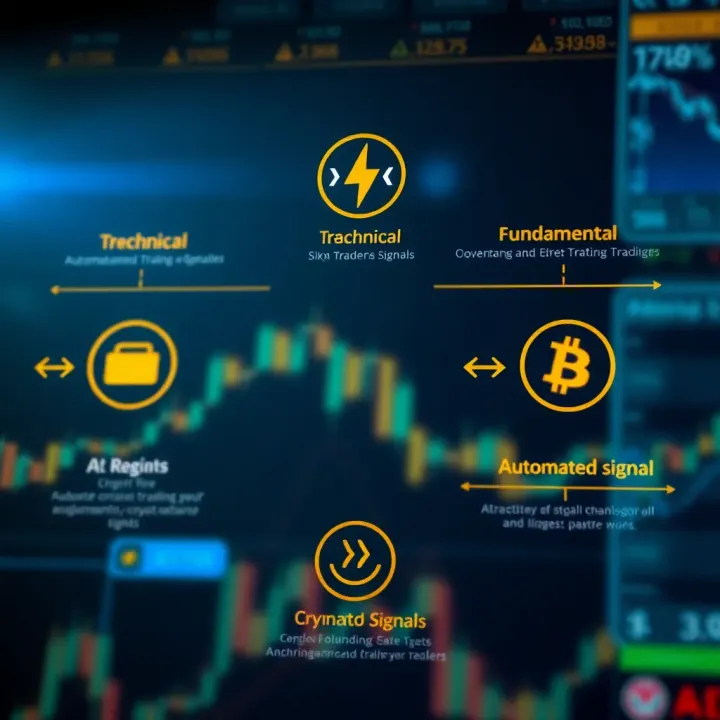
Manual signals are generated by experienced traders or analysts who study the market and send out trading recommendations. These signals often reflect human judgment on trends, news, and market sentiment. For example, a seasoned trader might spot a pattern on Bitcoin’s chart showing a breakout point based on candle formations and share that as a signal.
Automated signals, by contrast, come from computer algorithms or bots that scan vast amounts of data and execute trades based on predefined criteria. These can operate round the clock and react swiftly to price changes. A trading bot on Binance might instantly signal a buy when a cryptocurrency’s price crosses a moving average.
Both have merits: manual signals offer nuanced insights with flexibility, while automated signals provide speed and consistency. Many traders combine both to balance perspective and efficiency.
Free signals are widely available on social media, messaging apps like Telegram, or trading forums. They offer easy access but vary significantly in reliability. For example, a free Telegram group might alert you about a sudden rise in Ethereum but won’t always provide verified entry or exit points.
Paid services usually provide more detailed analysis, clear instructions (entry, stop-loss, take profit levels), and often a track record of past performance. Paid providers like CryptoKirby or Learn2Trade tend to invest more in research tools and offer customer support. For traders in Pakistan, paying for a reliable signal might be worth it, especially when local market conditions and regulations demand cautious trading.
Short-term signals focus on price action in minutes to hours, ideal for day traders or scalpers. These signals depend heavily on technical indicators like RSI or Bollinger Bands and suit traders looking for quick gains in volatile crypto markets.
Long-term signals target weeks or months, often based on fundamental factors such as adoption rates, project milestones, or macroeconomic data. A long-term signal might suggest buying a coin after a major network upgrade, anticipating higher value over time.
Choosing between short-term and long-term signals depends on your trading style, available time, and risk tolerance. If you’re busy with a full-time job, long-term signals might suit you better, while full-time traders often rely on short-term setups.
Different types of crypto trading signals offer unique advantages. Understanding their distinctions lets you pick the best fit for your trading goals and avoids common pitfalls like chasing hype or relying solely on one signal source.
This knowledge is vital for Pakistani traders navigating crypto exchanges under local regulations and market conditions. Combining signal types strategically improves your chances of making informed, timely trades.
Using crypto trading signals can bring a clear edge to traders in Pakistan’s growing but volatile crypto market. These signals point out potential buying or selling opportunities based on technical or fundamental analysis, helping you spot market moves more efficiently. However, knowing how to apply them practically, especially within Pakistan’s unique trading landscape, makes all the difference.
Local exchanges, such as Binance P2P or local peer-to-peer platforms, often have different liquidity and trading volumes compared to global exchanges. When using signals, it's important to ensure the suggested trades are executable on the local platform without wide price deviations or delays. For example, a buy signal for Bitcoin might look promising on Binance, but on a local exchange with lower liquidity, the entry price could be significantly different. Always check the order book depth before entering a trade to avoid slippage or unexpected spreads.
Moreover, Pakistani traders should keep an eye on payment methods and transaction speeds on these platforms. Signals should be timed carefully with your payment confirmations to avoid missing entry or exit points. For instance, using JazzCash or Easypaisa for quick transfers can help you act on signals faster than traditional bank transfers, especially during volatile market conditions.
Platforms like Binance and Kraken offer higher liquidity, more trading pairs, and advanced tools. You can integrate trading signals through APIs or manual entry to automate or guide your trading decisions. For example, if a crypto signal includes a recommended buy price and stop-loss, you can set conditional orders on Binance that execute automatically once the price triggers those levels.
Pakistani traders often face exchange limitations or restrictions; using Binance’s P2P service helps bridge that gap. Integrating signals here can be a great way to leverage international liquidity while adhering to local regulations. Additionally, many signal providers tailor advice based on major platforms, making it easier for Pakistani users to apply those signals without needing extra conversion steps.
Stop-loss orders are your safety net when following trading signals. They limit potential losses by automatically selling a position once the price falls to a predetermined level. For example, if a buy signal suggests entering Bitcoin at Rs 5,000,000, setting a stop-loss at Rs 4,900,000 can protect you from bigger drops.
Pakistani traders should never ignore stop-loss even if a signal looks confident. Market volatility, especially during international events or local financial developments, can cause sharp price swings. Using stop-loss orders consistently prevents emotional decision-making and preserves your capital for future trades.
Profit targets help you lock in gains without being overly greedy. A signal might indicate a potential 10% price rise; however, aiming for a 20% gain risks missing the opportunity. Setting realistic targets based on the signal’s analysis and current market conditions keeps your trades disciplined.
Additionally, in Pakistan’s market, where crypto prices can experience sudden jumps due to external factors like regulatory news or remittance flows, adjusting profit targets dynamically is useful. For instance, if strong bullish momentum continues, you can move your profit target upwards while securing partial profits to balance risk and reward.
Applying signals effectively requires a balance between trusting the analysis and managing your own risk. Use local platform knowledge, stop-loss orders, and realistic profit goals to make the most of crypto trading signals in Pakistan.
Selecting a trustworthy crypto trading signal provider is vital for any trader aiming to succeed in the volatile cryptocurrency market. Reliable providers offer accurate, timely signals that help you make informed decisions rather than guesswork. In the Pakistani context, where access to international exchanges and real-time data can be inconsistent due to connectivity or regulatory challenges, choosing a verified provider becomes even more important.
A proven track record demonstrates a provider's ability to deliver consistent, dependable signals over time. This includes clear documentation of past trades, win rates, and the methodology behind the signals. For example, a provider that openly shares monthly performance reports including both profits and losses earns more credibility. Transparency means they don’t just show cherry-picked results. Instead, they reveal their trading strategy basics and update regularly, giving you a real view of risks and rewards.
This is practical because it helps you gauge if the signals match your trading style and risk appetite. Imagine following signals blindly from an unverified source—this could lead to frequent losses and frustration.
Simply claiming success isn’t enough. Verified performance through third-party platforms or audit tools reinforces trust. Some credible providers link to independent trading accounts on platforms like Myfxbook or TradingView where users can see unaltered trade histories. Without verification, providers might misrepresent results to attract subscribers.
For Pakistani traders, this assurance can prevent losses caused by misinformation. It also allows you to compare different providers side-by-side before investing your money and time.
The experiences of other traders hold practical value. User reviews and discussions on local and international forums like Reddit, Telegram groups, or specialised crypto communities show how signals perform in real-world conditions. Pay attention to repeated complaints about delays, missed signals, or lack of support.
Community feedback also helps identify if a provider tailors signals for particular markets or exchanges, which matters if you rely on platforms popular in Pakistan such as Binance or local exchanges working with PKR. Engaging with fellow traders ji can provide firsthand insights.
The crypto signal space attracts many fraudulent schemes. Be wary of providers promising guaranteed profits or extremely high returns with little risk—these claims are usually red flags. Avoid services that demand huge upfront fees without trial periods or refund policies.
Watch out for "pump-and-dump" schemes where signals encourage buying delisted or low-volume coins, causing artificial price spikes then sudden crashes. Also, beware providers who restrict communication or fail to provide verifiable data.
Always prioritise providers with transparent practices, a solid reputation, and clear risk warnings. This approach protects your capital and ensures your trading decisions are based on reliable information.
Remember, no crypto trading signal is foolproof. Combining trustworthy signals with your own analysis and risk management remains the safest path.
Choosing the right crypto signal provider takes effort but pays off by making your trading more confident and structured.
Crypto trading signals can offer useful guidance, but it's vital to be aware of the risks and limitations involved. Signals are not foolproof predictions; they reflect a snapshot of market conditions that can change fast, especially in Pakistan's volatile crypto scene. Keeping this in mind helps traders make better decisions and avoid costly pitfalls.
Crypto markets are known for wild price swings within short periods. This volatility means even accurate signals might not work out if the market moves unexpectedly soon after. For example, a signal suggesting a buy at Rs 5 lakh for Bitcoin might quickly become obsolete if a sudden price crash or rally takes place. Traders must stay prepared for such shifts and avoid over-relying on a single signal. Using tools like stop-loss orders can help manage losses when the market turns against the signal’s advice.
Relying solely on trading signals without doing your own research is risky. Signals provide one viewpoint, often based on technical or algorithmic data, but they lack personal judgement and context. For instance, a signal might recommend buying an altcoin without recognising underlying issues like low liquidity or regulatory concerns in Pakistan. Experienced traders combine signals with their own market analysis, news updates, and risk tolerance before taking action. This approach reduces chances of blind mistakes.
Crypto prices react sharply to unexpected news—government regulations, exchange hacks, or global economic changes. Signals may not capture the impact of such events immediately. For example, sudden announcements by Pakistan's State Bank about crypto restrictions or a major hack on a trading platform like Binance can override any existing signal. This unpredictability underlines why traders should view signals as suggestions, not guarantees, and keep an eye on the latest developments beyond just following signals.
While crypto trading signals can improve your trade timing, treating them as a sole decision-maker ignores the unpredictable nature of markets. Combine them with your own analysis and stay alert to news for best results.
In summary, the best use of crypto trading signals involves understanding market volatility, not depending entirely on signals without personal judgment, and staying aware of sudden news impacts. This balanced approach strengthens your trading in Pakistan’s fast-moving crypto environment.
Explore top crypto trading indicators 📊, learn how they work, their pros & cons, and smart combos to navigate Pakistan's volatile crypto market confidently 🚀.
Find the perfect trading app for you in Pakistan 🇵🇰 and beyond! Compare features, usability, security, and costs to trade smarter📱💹.
Find the best trading app in Pakistan 📱! Compare features, start trading easily, and get tips for safe, smart investing in the local market 🔒📊.
Find the best crypto trading platform in Pakistan 🇵🇰 with expert tips on security, fees, regulations, and popular options to trade confidently today! 💰
Based on 9 reviews