
How to Start Forex Trading in Pakistan
📈 Start forex trading in Pakistan with this practical guide! Learn to pick brokers, set accounts, master strategies, manage risks, and navigate legal rules confidently.
Edited By
Henry Caldwell
Forex trading operates 24 hours a day worldwide, but knowing when to trade from Pakistan requires understanding the global market hours and local time adjustments. The forex market is divided into four main trading sessions: Sydney, Tokyo, London, and New York. Each session reflects activity in specific financial centres and impacts currency volatility differently.
Pakistani traders work according to Pakistan Standard Time (PKT), which is GMT+5. Keeping track of session openings and overlaps in PKT is vital for spotting ideal trading opportunities. For example, the London session opens at 3 pm PKT and overlaps with the New York session between 8 pm and 11 pm PKT, periods often marked by increased market liquidity and sharper price movements.
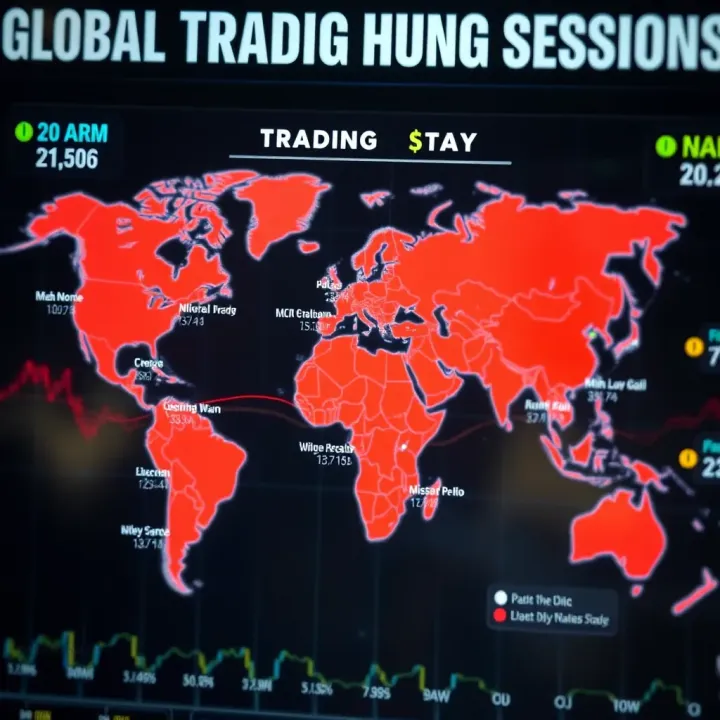
The best times to trade are generally during session overlaps, when trading volumes surge, offering better pricing and more predictable trends.
Here’s a quick overview of session times converted to PKT:
Sydney: 11 pm – 8 am
Tokyo: 1 am – 10 am
London: 3 pm – 12 midnight
New York: 8 pm – 5 am
Pakistani traders targeting currencies like USD, EUR, GBP, JPY, or AUD will find the London and New York sessions particularly active. For instance, exchange rates involving USD and GBP often show strong movements during London/New York overlaps, offering chances for short-term traders to capitalise on swings.
It’s also important to consider factors such as public holidays in major markets or economic announcements, which can widen spreads or cause sudden volatility. Pakistani forex investors should align their trading plans around these hours and news events to avoid unnecessary risks.
Understanding forex market timing alongside local Pakistani working hours and internet reliability, which can be affected by loadshedding in some areas, helps traders manage their daily schedules efficiently and stay alert to crucial market shifts.
Mastering forex timings can improve entry and exit timing, risk management, and overall trading results for Pakistani investors looking to tap into the global currency markets with confidence and clarity.
Knowing forex market hours helps traders in Pakistan plan their activities smartly. Unlike local stock markets, forex runs nonstop from Sunday evening to Friday evening, thanks to its global setup. This means you can trade when markets elsewhere are open, but timing can affect volatility and liquidity. For example, trading during London’s opening hours will be different from trading during Tokyo's session because the volume and currency pairs actively traded vary.
The forex market operates 24 hours a day because it connects financial centres worldwide. It begins in Asia when Tokyo wakes up, then moves to Europe with London, and finally shifts to North America with New York's trading hours. This continuous cycle means there’s always some market activity, giving traders plenty of opportunities. For a Pakistani trader, this means you can find a time to trade whether you prefer early morning or late night sessions, depending on your strategy.
Three main centres dominate forex: Tokyo in Asia, London in Europe, and New York in North America. Tokyo kickstarts trading at night Pakistan Standard Time (PKT), while London overlaps between morning and afternoon PKT, often bringing higher volatility. New York opens in the afternoon PKT and contributes heavily to volume until market close. Understanding which centre is active lets Pakistani traders pick times when currency pairs tied to those regions move actively, such as GBP/USD during London hours or USD/JPY when New York is active.
This session runs roughly from 5:00 pm to 2:00 am PKT, led by Tokyo, Singapore, and Hong Kong markets. Volatility tends to be lower here, except for currency pairs involving the Japanese yen or the Australian dollar. If you trade USD/JPY or AUD/USD, these hours offer steady moves but fewer sharp spikes, ideal for traders who prefer slower, predictable trends.
Operating from around 10:30 am to 7:30 pm PKT, the European session features London, Frankfurt, and other key markets. This is when major moves happen due to high liquidity and the overlap with Asian and upcoming North American markets. GBP, EUR, and CHF pairs are most active. Traders focusing on these currencies can expect good volume and price movements, which suits short-term or day trading styles.
From 2:30 pm to 11:30 pm PKT, New York leads here, alongside Chicago. Volatility peaks especially during economic news releases like the US non-farm payroll or Federal Reserve announcements. USD and CAD pairs become lively. Pakistani traders eager for fast-paced action may favour this session, but should also manage risk carefully to avoid sudden market swings.

Understanding the shifts between these sessions lets you avoid low-activity periods and focus on times when your currency pairs show decent price action, improving your chances for successful trades.
Knowing the exact forex trading timings is essential for Pakistani traders working with global currency markets. Forex runs 24 hours a day worldwide, but understanding when specific trading sessions occur in Pakistan Standard Time (PKT) helps traders plan their activity optimally. This way, traders can focus on periods with better market liquidity and volatility, avoiding low-activity hours that may increase risks or reduce profit opportunities.
Global forex sessions operate from major financial centres like Tokyo, London, and New York. The Pakistani time zone (PKT) is UTC +5 hours, so traders need to adjust session times accordingly. For example, the Asian session, starting at 9 am Tokyo time (UTC +9), corresponds to 5 am PKT. Similarly, the London session opens at 8 am GMT, which is 1 pm PKT.
This time conversion is practical because it informs Pakistani traders when markets officially open worldwide. Without this knowledge, a trader could miss key movement periods or attempt to trade during hours when the market is thin and less predictable.
Daylight Saving Time (DST) in partner countries like the US and UK further complicates these conversions. Pakistan does not observe DST, so during British Summer Time (BST), London moves forward an hour to UTC +1, making the London session open at 2 pm PKT instead of 1 pm. Similarly, New York shifts one hour ahead during DST, impacting the North American session timing in Pakistan.
Traders must stay updated on these DST changes to avoid confusion and ensure their trading schedule matches real market hours. A simple mistake in conversion could lead to missed trades or unexpected market moves outside a trader’s planned active hours.
The best time to trade forex in Pakistan corresponds with periods of high liquidity when many participants join the market. Liquidity peaks during the overlap of major sessions, such as when the London and New York sessions run simultaneously from 5 pm to 9 pm PKT. These hours offer tight spreads and more reliable price movements, helping traders enter and exit positions with lower costs.
Volatility, the rate at which price changes, also tends to increase during session overlaps and major economic announcements, providing good opportunities for profit. However, volatility's increase means risks rise as well, so effective risk management is crucial.
When the Asian session is active (around 5 am to 12 pm PKT), the market usually shows lower volatility compared to the European and North American sessions. But pairs involving Asian currencies like JPY and AUD may still see some action.
Traders in Pakistan find session overlaps critical because these hours combine large global volumes and news releases, creating dynamic but potentially rewarding conditions.
Understanding these timeframes helps Pakistani traders align their strategies with market rhythms. For instance, a day trader may focus on the London-New York overlap for short-term moves, while a swing trader might monitor broader trends starting from the Asian session into the European session.
By factoring Pakistan Standard Time, daylight saving shifts, and session dynamics, traders can better plan their hours to match market intensity for improved results.
Forex trading hours in Pakistan do not operate in isolation. Several factors influence when traders should engage with the market to maximise their chances of success. Understanding these elements helps Pakistani traders plan their sessions better and avoid unnecessary risks.
The release of economic indicators in Pakistan directly affects forex market volatility and liquidity. For example, announcements like inflation figures, trade balance, and GDP growth rates tend to create sharp movements in the Pakistani rupee (PKR) against other currencies. Traders keeping an eye on the Federal Bureau of Statistics calendar can time their trades around these releases to catch profitable moves or avoid unpredictable swings.
The State Bank of Pakistan's (SBP) monetary policy decisions also significantly impact forex trading hours. When the SBP announces changes in the policy rate or foreign exchange reserve status, the market often reacts quickly. These announcements usually follow a predetermined schedule, allowing traders to prepare. For instance, after an unexpected SBP rate cut, PKR might weaken sharply during Asian trading hours, so knowing this schedule can help traders adjust their positions accordingly.
Work schedules play a big role in determining when many traders can actively monitor the forex market. Since forex is a 24-hour market, full-time jobs or academic commitments can limit trading hours to early mornings, evenings, or late at night for most Pakistanis. This often means traders prefer European and North American sessions that overlap with their free hours.
Electricity and internet reliability remain challenges in many parts of Pakistan. Scheduled loadshedding or broadband outages during key trading hours can disrupt timely trade execution. Traders should therefore monitor local power schedules and have backup internet options, such as mobile data or alternative providers, to maintain access during volatile sessions.
Local events and holidays also affect the forex trading atmosphere. National holidays, elections, or major festivals may lead to lower market liquidity as local banks and businesses close. For example, during Eid ul-Fitr or Independence Day, PKR trading volumes drop, leading to wider spreads and erratic price behaviour. Traders are better off avoiding those periods or adjusting their strategies to these quieter market conditions.
Staying informed about Pakistan's economic events, adapting to local work-life balance, and anticipating infrastructure challenges can help traders choose optimal forex timings that suit their needs while managing risks effectively.
These practical insights ensure traders in Pakistan can approach forex trading with a clearer understanding of when to act and when to be cautious, making their engagement with the global market more productive.
Understanding the regulatory landscape is essential for Pakistani forex traders, as it directly influences trading hours and the choice of brokers. Regulatory rules aim to protect investors while ensuring market integrity. For traders, being aware of these rules helps avoid legal issues and ensures smooth trading operations.
The Securities and Exchange Commission of Pakistan (SECP) regulates financial markets, including forex trading. Its role involves licensing brokers, monitoring compliance, and preventing fraudulent practices. SECP's oversight assures traders that the platforms they use meet basic security and transparency standards, which is critical when handling foreign exchange transactions.
One practical example is the SECP’s requirement for brokers operating in Pakistan to maintain certain capital standards and offer clear client fund segregation. This reduces the risk of brokers misusing funds and safeguards traders’ investments.
Regarding overseas forex brokerage accounts, Pakistani traders face specific rules. While the SECP does not outright ban foreign accounts, traders must comply with Pakistan’s Foreign Exchange regulations overseen by the State Bank of Pakistan (SBP). Traders should ensure that their overseas brokerage activities are declared and fall within SBP’s guidelines to avoid legal complications. For instance, using unofficial payment routes or non-PTA-approved platforms for fund transfers may lead to penalties.
Pakistan’s forex market offers access to both local and international brokers, but availability varies due to regulatory and technical restrictions. Local brokers are SECP-regulated and typically offer convenient PKR account options, easier deposit methods like JazzCash or Easypaisa, and customer support attuned to local market realities. However, their trading hours might be limited or aligned closely with regional session timings.
International brokers usually provide round-the-clock trading and broader currency pair options. Yet, they may not always be compliant with Pakistani regulations or offer localised payment methods. Traders using these platforms should be cautious and select brokers with a good global reputation and transparent operation to avoid sudden blockades or account restrictions.
Trade execution timing restrictions also affect forex trading in Pakistan. For instance, due to system maintenance or regional restrictions, brokers might close trading servers during certain hours, particularly over weekends or national holidays. This limitation means traders cannot place or close trades at any desired time, impacting strategies reliant on immediate market responses. Also, some platforms delay execution during volatile market opens which traders must factor in to avoid unexpected losses.
Being aware of these regulatory and platform restrictions helps Pakistani forex traders plan their activities realistically, ensuring legal compliance and smoother trade execution.
In short, the regulatory environment and broker limitations shape forex trading times significantly in Pakistan. Traders should keep abreast of SECP guidelines, Pakistan’s foreign exchange rules, and choose reliable brokers to align their trading hours with available opportunities and legal boundaries.
Optimising trading timing can make a significant difference for forex traders in Pakistan. The forex market runs 24 hours, but not all hours offer the same opportunities. Matching your trading hours with market activity can boost profits and reduce exposure to unnecessary risks related to illiquid or volatile periods. This section offers practical advice to help you select the best trading sessions and manage challenges that come with forex timing.
Day traders and swing traders have different timing needs. Day traders often look for short, sharp moves within the day and prefer trading during high liquidity sessions to enter and exit positions quickly. In Pakistan, this usually means focusing on the European and North American sessions, which are active from afternoon to late night PKT. Swing traders, however, hold positions longer and benefit from broader trends that develop over days, so they might trade during Asian session hours or any time when their chosen currency pairs show steady movement.
Aligning your trading hours with currency pairs further refines your strategy. For instance, if you trade USD/PKR or USD/INR, focusing on North American hours makes sense due to the overlap with US market activity and data releases. Meanwhile, trading pairs like GBP/USD or EUR/USD benefits most during the London and New York session overlaps, which usually fall between 5:00 pm and 10:00 pm PKT. This alignment ensures you catch times when your pairs are more active, potentially improving spreads and execution speed.
Forex market volatility can spike unexpectedly, especially at session openings or during economic announcements. Handling these spikes requires awareness and preparation. For example, the SBP monetary policy announcements or US Nonfarm Payroll release times often cause sharp price swings. Pakistani traders should consider reducing trade sizes or avoiding opening new positions during these critical moments to manage risk better.
Sudden market news, such as geopolitical updates or major economic surprises, can throw markets off balance quickly. Adjusting to such news means staying informed and flexible. Many Pakistani traders follow economic calendars or use notifications for key events. Having a plan to close positions, set stop-loss orders, or pause trading during uncertain times can protect your capital from sudden shocks.
Staying disciplined with your trading hours and risk management strategies helps you navigate the forex market's ups and downs more confidently. Understanding how your schedule, chosen pairs, and news events interact can give you an edge in Pakistan's forex trading scene.
Using these tips, you can tailor your trading schedule to your personal routine and strategy, taking advantage of market conditions while avoiding unnecessary risks.
📈 Start forex trading in Pakistan with this practical guide! Learn to pick brokers, set accounts, master strategies, manage risks, and navigate legal rules confidently.
Discover how to choose the best forex trading platform for Pakistani traders 🇵🇰. Compare features, fees, and tools to succeed in Pakistan’s forex market 📈.

Discover how to pick the best forex trading apps in Pakistan 📱. Learn about essential tools, regulations, and tips to trade smarter on mobile platforms.
Explore top forex trading software for Pakistani traders 📈 Learn essential features, risks, and tips to choose the best tools for Pakistan’s market confidently.
Based on 9 reviews