
Choosing the Best Forex Indicator for Trading Success
🔍 Find the right forex indicator to boost your trading! Learn their pros and cons to match your style for smarter, clearer market decisions. 📈
Edited By
Emily Foster
Foreign exchange trading, commonly known as forex trading, has become a popular way to engage in financial markets worldwide. In Pakistan, many traders and investors are showing growing interest in forex due to its potential for profit and accessibility via online platforms. However, understanding the basics and risks involved is key before you start investing your hard-earned money.
Forex trading involves buying and selling currencies against each other, like the US Dollar against the Pakistani Rupee (USD/PKR). The goal is to profit from changes in exchange rates. Unlike stock markets, forex operates 24 hours a day during weekdays, offering flexibility for traders across different time zones.
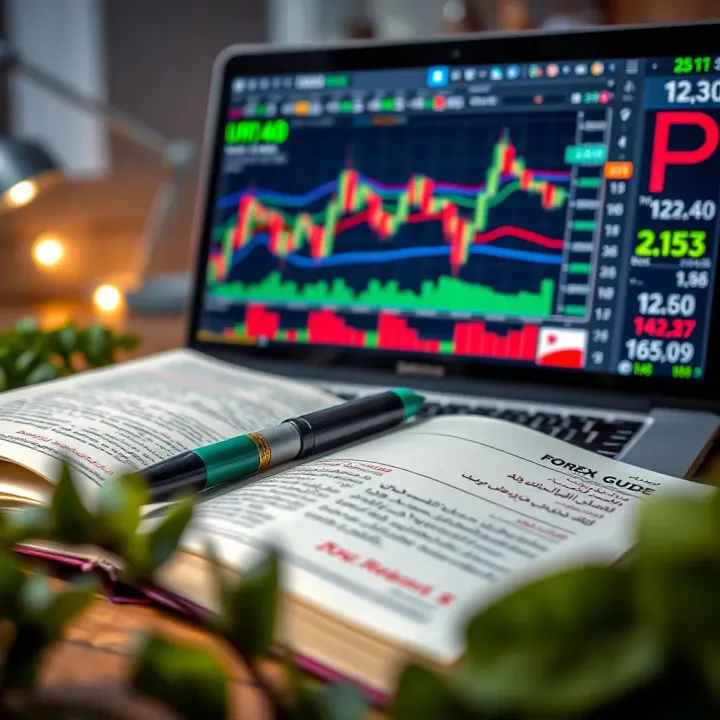
Forex trading is not a shortcut to riches; it demands careful study, practice, and sound strategies to manage risks effectively.
For Urdu-speaking traders in Pakistan, language can sometimes be a barrier to accessing quality learning material. This is where Urdu books on forex trading become valuable. These books explain complex market concepts in familiar language, making it easier to grasp trading strategies and market behaviour.
Downloading forex trading books in Urdu is becoming increasingly common among Pakistani traders. Digital formats save costs and allow instant access. Popular titles cover topics such as technical analysis, fundamental analysis, risk management, and psychology of trading—all explained with examples relevant to Pakistan's financial environment.
They break down terminologies like "pip," "leverage," and "spread" into simpler Urdu terms.
Provide stepwise guidance on placing trades using platforms widely used in Pakistan.
Help new traders avoid common pitfalls by discussing realistic scenarios.
Aspiring traders should focus on reading these resources alongside practising on demo accounts offered by brokers such as OANDA, XM, or local Pakistani firms. This hands-on experience combined with knowledge will strengthen trading skills.
In the next sections, we'll explore core concepts of forex trading, highlight effective strategies, and guide you on where to find reliable Urdu books for download. This practical approach aims to help you make informed decisions and avoid unnecessary losses in the volatile forex market.
Grasping the basics of forex trading is essential before you put your money on the line. Without a solid foundation, even the best strategies can fail. Knowing what forex trading involves helps you avoid costly mistakes and build confidence in this fast-moving market.
Forex trading is the buying and selling of currencies to make a profit from their changing values. Unlike stock markets, forex trades happen 24 hours a day except weekends, across global financial centres like London, New York, and Tokyo. For example, if you think the US dollar (USD) will strengthen against the Pakistani rupee (PKR), you can buy USD/PKR. When the dollar’s value rises, selling it back yields profit.
At its core, forex trading depends on currency pairs, where one currency is exchanged for another. Each pair has a base currency and a quote currency — for instance, in USD/PKR, USD is base, PKR is quote. Prices fluctuate continuously due to factors like economic news, interest rates, and geopolitical events. Traders use brokers to access this market, executing trades on platforms like MetaTrader.
The market's liquidity and leverage options make it appealing but also risky. Leverage allows control of large positions with a small capital, but it can amplify losses too. Therefore, understanding market mechanics is critical to manage risks effectively.
Forex trading isn’t gambling; it requires learning market drivers and steady practice.
Familiarity with common trading terms in Urdu assists you in both learning and applying your knowledge effectively. Here are some essentials:
کرنسی جوڑا (Currency Pair): Two currencies traded, e.g., USD/PKR.
پِپ (Pip): Smallest price movement, showing how much the currency rate changes.
لیوریج (Leverage): Borrowed capital to increase trading size.
اسپرد (Spread): Difference between buying (ask) and selling (bid) price.
مارجن (Margin): Collateral required to open a leveraged position.
Understanding these terms provides clarity when reading Urdu forex books or engaging with Pakistani trading platforms like EasyPaisa’s forex services or local brokers regulated by the Securities and Exchange Commission of Pakistan (SECP).
In short, knowing how forex trading works and the terminology involved equips you to explore further strategies and avoid pitfalls. This foundation is a must for anyone serious about trading forex with Urdu resources in Pakistan.
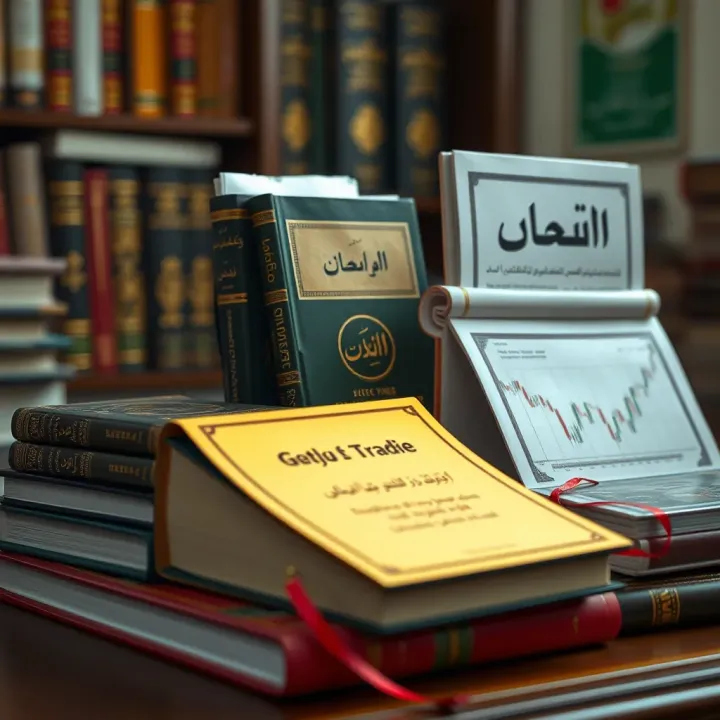
Knowing effective trading strategies is a must for anyone stepping into the forex market, especially beginners. Without a clear plan, even the most experienced traders can suffer losses. This section breaks down key strategies that help you read the market better, make informed decisions, and keep your risks manageable.
Fundamental analysis involves evaluating economic, political, and social factors that impact currency values. For example, if Pakistan’s exports rise due to improved trade deals, its currency (PKR) may strengthen. Keeping an eye on interest rate announcements by the State Bank of Pakistan (SBP), inflation data, and government policies gives you insight into currency trends.
A practical example: when the SBP raises its policy rate, foreign investors often show interest in PKR assets, increasing demand. Understanding such moves helps decide when to buy or sell currency pairs involving the PKR.
Technical analysis focuses on price charts, patterns, and indicators to predict future movements. Beginners should start with basic tools like moving averages, support and resistance levels, and Relative Strength Index (RSI). For instance, if the USD/PKR pair repeatedly bounces back after hitting a certain level, that level acts as support or resistance.
By practising chart reading, traders can spot trends or reversals early. This helps in timing entries and exits. Urdu forex books often provide chart examples explaining how to use candlestick patterns like 'Doji' or 'Hammer' to make trading calls.
All strategies fail without proper risk management. Never risk more than 1-2% of your trading capital on a single trade. Use stop-loss orders to automatically limit losses if the market moves against you. For example, if you buy EUR/USD at 1.1050, set a stop-loss at 1.1000 to cap potential losses.
Besides, diversify your trades and avoid chasing losses. This discipline helps you stay in the game longer and reduces emotional decision-making.
Starting forex trading without these strategies is like sailing without a compass. They guide you through market fluctuations with more confidence and control.
By mastering fundamental and technical analysis alongside wise risk management, you build a solid foundation to navigate forex trading. Urdu books on these topics can provide detailed explanations and localised examples to boost your learning in your own language.
Access to dependable forex trading resources in Urdu is vital for learners in Pakistan who want to understand the market without language barriers. Finding trustworthy books helps avoid confusion and builds a solid foundation in forex trading principles, strategies, and risk management. This approach can save you from costly mistakes that often arise from poor or incomplete information.
Studying forex through Urdu books bridges the gap for many traders who struggle with English technical jargon. It allows readers to grasp complex concepts like leverage, pips, and currency pairs in their own language, making learning smoother and more effective. For example, a beginner who reads about 'مفاہمتِ تجارت' (trade reconciliation) in Urdu can better relate it to their trading actions. Furthermore, having offline access to Urdu material means you can study anytime without internet reliance, especially helpful in areas with spotty connectivity.
To ensure you get authentic materials, rely on known platforms such as official financial institutions' websites, Pakistani educational portals, or verified trading academies offering Urdu content. Platforms like the State Bank of Pakistan (SBP) sometimes provide educational guides, and local trading forums moderated by professionals can recommend legit downloads. PDFs shared by reputable educators and forex experts in forums or social media groups dedicated to Urdu content work well too, provided you verify their credentials.
The digital space is crowded with misleading or outright fake forex guides claiming quick riches. Always cross-check the author’s background and read user reviews where possible. If a book promises unrealistically high returns with little effort, treat it with caution. Avoid downloading files from unknown websites to prevent malware or scams. Use antivirus software and confirm file sources before opening. As a rule, stick to materials recommended by established forex communities or verified educators to protect yourself from misinformation.
Getting practical knowledge from reliable Urdu books empowers you to trade confidently and avoid costly errors due to misunderstanding. Start with trusted authors and platforms for the best learning experience.
By selecting dependable Urdu forex books, you set a strong base for your trading journey in Pakistan's growing forex market. Make learning approachable by using familiar language and verified sources only.
Starting forex trading in Pakistan requires careful planning, especially when the market itself involves high risks and volatile movements. This section highlights key practical tips designed to help you navigate the local trading environment effectively, avoid common pitfalls, and build your trading career on solid grounds.
Selecting a regulated broker is vital to protect your investment and ensure fair trading conditions. In Pakistan, the Securities and Exchange Commission of Pakistan (SECP) oversees local brokerage firms, while overseas brokers must comply with regulations from bodies like the Financial Conduct Authority (FCA) in the UK or the Australian Securities and Investments Commission (ASIC). A regulated broker offers transparency in pricing, segregated client accounts, and reliable customer support. For example, trading through a SECP-authorised platform like IG Pakistan or internationally recognised brokers such as XM or Exness ensures you are dealing with reputable entities, reducing the risk of fraud.
Once you pick a broker, setting up your trading account comes next. This process usually involves submitting your CNIC for identity verification and proof of address documents. Pakistani brokers may also require a WAPDA or broadband bill. Most platforms support mobile and desktop access, with MetaTrader 4 (MT4) and MetaTrader 5 (MT5) being the popular choices locally. These platforms allow you to analyse charts, place trades, and manage risk effectively. Beginners should start with a demo account to practice trading without risking real money. When ready, switch to a live account with an initial deposit that fits your budget—often Rs 10,000 or more is practical to start sensibly.
Forex trading profits in Pakistan are subject to income tax under the Federal Board of Revenue (FBR) regulations. It is important to report your earnings correctly during tax filing to avoid penalties. Traders should maintain records of all transactions, including profits and losses. Moreover, using registered brokers simplifies compliance, as they often provide transaction statements. Legality-wise, forex trading through recognised brokers is permitted, but shady providers operating without licences should be avoided. Always check for the broker’s PTA approval if they operate online in Pakistan. This understanding helps prevent trouble with regulatory authorities and ensures you're trading within Pakistan’s legal framework.
Starting forex trading wisely, with a legitimate broker and a fully documented account, sets the foundation for long-term success. It saves you from unnecessary risks and legal hassles.
Following these practical steps will increase your chances of trading safely and efficiently in Pakistan's forex market. With the right broker, platform, and legal awareness, you can focus more on developing your strategies and growing your investments steadily.
Every trader in the forex market needs to understand the risks involved. The foreign exchange market can be volatile, and ignoring potential risks might lead to significant losses. Recognising these risks helps traders prepare and manage them effectively, improving chances for consistent profits. In Pakistan, where forex trading is gaining traction, managing these risks is crucial to avoid pitfalls that many beginners face.
Forex trading carries several risks, with the most typical being market risk. Prices change rapidly, influenced by economic events, political upheaval, or unexpected news. For example, a sudden decision by the State Bank of Pakistan (SBP) about interest rates can cause sharp moves in the PKR's value against the US dollar.
Another risk is leverage risk. Many traders use borrowed funds to increase their position sizes, but this can amplify losses too. Imagine investing Rs 50,000 with 100:1 leverage; a 1% adverse move wipes out the capital almost immediately. There is also liquidity risk—some currency pairs or trading hours might have lower activity, making it harder to enter or exit trades at desired prices.
Lastly, operational risks, including technical failures or poor broker practices, can cause problems. Pakistani traders should stick to brokers regulated by bodies like the Securities and Exchange Commission of Pakistan (SECP) or international regulators to minimise these risks.
One effective way to limit losses is to use stop-loss orders. They automatically close a trade at a set loss level, preventing runaway losses when markets move against you. Keep your risk per trade small—usually 1-2% of your trading capital. This way, a few bad trades won't deplete your funds dangerously.
Diversifying your trades across different currency pairs can spread risk. Also, avoid trading during major news releases if you're inexperienced, as these times often have erratic price spikes. Regularly reviewing your trades helps identify mistakes early and refine your strategy.
Discipline is the backbone of successful forex trading. Jumping into trades without proper analysis or chasing losses usually leads to trouble. Develop a trading plan with clear entry, exit, and risk rules, then stick to it without letting emotions take over.
Patience comes in two forms: waiting for the right trading setup and allowing trades time to play out. Forex markets don't always follow your expectations immediately. For instance, a technical pattern may take hours or days to confirm. Rash decisions often cause premature exits or unnecessary losses.
Managing forex risks is not just about avoiding losses; it's about ensuring you stay in the game longer to benefit from winning trades. Staying disciplined, patient, and informed helps build resilience against market ups and downs.
Understanding and managing these risks will give you confidence and improve your forex trading experience, especially when supported by good resources like Urdu books and trustworthy online materials.
🔍 Find the right forex indicator to boost your trading! Learn their pros and cons to match your style for smarter, clearer market decisions. 📈
Learn forex trading basics in Urdu 🇵🇰, understand key concepts, risks, and practical steps to start trading foreign exchange confidently in Pakistan's market.
📈 Learn how to start forex trading in Pakistan confidently. Understand market basics, regulations, risks, and strategies with practical local tips for aspiring traders.
Explore top forex trading apps in Pakistan 📱. Learn how to choose the best platform based on features, regulations, and your trading style with confidence.
Based on 10 reviews