
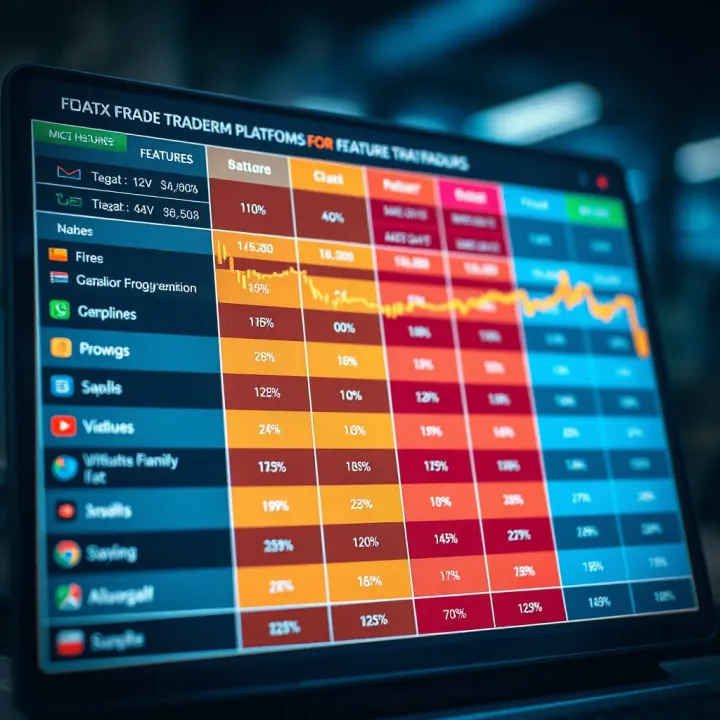
Best Forex Trading Platforms for Pakistani Traders
Discover how to choose the best forex trading platform for Pakistani traders 🇵🇰. Compare features, fees, and tools to succeed in Pakistan’s forex market 📈.
Edited By
Charlotte Edwards
Forex trading has gained notable attention in Pakistan recently, attracting traders and investors who want to earn through currency exchange. Essentially, forex trading involves buying and selling currencies to profit from fluctuations in exchange rates. For Pakistanis, the foreign exchange market offers both opportunities and challenges due to regulatory nuances and market volatility.
Understanding how forex works is vital before jumping in. Currencies are traded in pairs — like USD/PKR, EUR/USD, or GBP/USD — where you speculate whether one currency will strengthen or weaken against the other. For example, if you predict the US dollar will rise against the Pakistani rupee, you buy USD/PKR and sell it later at a higher rate to earn a profit.
The legal landscape in Pakistan is worth noting. The State Bank of Pakistan (SBP) regulates foreign currency dealings and has strict rules on forex trading, especially regarding offshore brokers. Pakistanis are advised to trade through authorised platforms complying with SBP regulations to avoid penalties or blocked accounts.
Several online platforms serve Pakistani traders, including international ones like MetaTrader 4/5 and local options with Urdu support and convenient deposit methods like JazzCash or Easypaisa. Choosing a reliable broker with transparent fees and good customer support is critical. Traders should avoid unregulated sites promising unrealistic returns, as scams are unfortunately common.
Smart trading strategies can boost your chances of success. Many Pakistani traders use technical analysis, studying price charts and indicators to decide entry and exit points. Others follow fundamental analysis — tracking economic news such as SBP policy rate changes, trade balances, and geopolitical events affecting currencies. Combining these approaches helps make informed decisions rather than relying on guesses.
Forex trading carries considerable risks as currency markets can be volatile and unpredictable. Never trade with money you can’t afford to lose. Practical risk management techniques, such as setting stop-loss limits and controlling leverage, help protect capital.
For newcomers, beginning with a demo account offered by most platforms is advisable. This allows practising trading without risking real money, gaining familiarity with market behaviour and platform features.
In summary, forex trading in Pakistan offers a way to earn money through currency exchange, but success depends on knowledge, disciplined strategies, and adherence to legal guidelines. Taking time to learn and following practical tips can help turn this financial activity into a potential source of income.
Forex trading, at its core, involves exchanging one currency for another with the aim of making a profit from fluctuations in exchange rates. It operates 24 hours worldwide due to different time zones, making it the largest and most liquid financial market. For Pakistanis, understanding forex is not just about trading currencies but also about grasping how international money flows affect the local economy.
Forex trading means buying and selling currencies, such as the US dollar against the Pakistani rupee. Imagine a trader predicting that the dollar will strengthen against the rupee; they buy dollars now and sell later at a higher rate. This difference is their profit. It is not physical cash exchanging hands but electronic transactions largely handled through brokers or online platforms.
The global forex market boasts daily trading volumes exceeding $6 trillion, surpassing shares and commodities markets combined. This huge liquidity means traders can enter or exit positions easily without worrying about finding a buyer or seller. For Pakistanis, this liquidity enables flexibility and opportunity despite local market limitations.
Forex trading differs from stock or commodity markets mainly because it involves currency pairs and operates nonstop across countries. Unlike shares with specific market hours or the need to understand company fundamentals, forex trading focuses on economic indicators, geopolitical events, and central bank policies that directly influence currency values. Its continuous nature means Pakistani traders can adjust to global developments even when local markets are closed.
Currency fluctuations significantly impact Pakistan's trade balance. For instance, when the rupee weakens against the dollar, imported goods like machinery, electronics, and petroleum products become more expensive. This inflation pressures local businesses and consumers, pushing exporters to gain a competitive edge abroad but also making foreign loans costlier.
The remittance inflow is another pillar in Pakistan’s foreign currency reserves. Millions of Pakistanis working overseas send back billions of dollars annually, which bolster the country’s reserves and support the rupee’s stability. A steady forex reserve helps the State Bank of Pakistan manage exchange rates, fuel imports, and service external debt.
Forex trading is also emerging as an income source for individuals in Pakistan. With growing internet access and mobile payment services like JazzCash and Easypaisa, more Pakistanis can participate in global currency markets. While it carries risks, disciplined traders find opportunities to profit by capitalising on exchange rate movements triggered by economic data or news events.
Understanding how forex trading fits both the global system and local economy is key for anyone aiming to participate or follow currency markets in Pakistan.
This knowledge shapes better trading decisions and awareness of how macro factors like trade deficits and remittances influence personal and national finances.
Navigating the legal and regulatory landscape is essential for anyone interested in forex trading from Pakistan. Without a clear understanding of the rules, traders risk falling into illegal activities or facing penalties. This framework ensures that currency trading happens within the bounds of Pakistani law, safeguarding traders and the economy alike.
The State Bank of Pakistan (SBP) regulates all foreign exchange transactions to maintain monetary stability. It sets rules for currency trading by authorising dealers who can legally exchange foreign currency. This ensures forex trading operates under transparency and federal oversight, protecting the market from volatility caused by unchecked trading.
Restrictions are placed on foreign exchange dealings to curb money laundering and illegal financial flows. For instance, individuals can only purchase foreign currency through authorised banks or exchange companies. This limits unofficial trading and protects the Pakistani rupee’s stability, especially during times of economic uncertainty.
SBP also issues clear guidelines for authorised dealers and brokers. These entities must adhere to strict registration, reporting, and compliance standards. Such rules help stop fraudulent operators from entering the market and provide traders with trustworthy channels to buy and sell currencies.
Online forex trading platforms operating in Pakistan must follow legal protocols set by SBP and other authorities. While participation in international forex markets is legal, using platforms not recognised or authorised by Pakistani regulators can be risky. Choosing a recognised platform avoids potential losses through scams or regulatory crackdowns.
From the tax perspective, the Federal Board of Revenue (FBR) requires traders to declare profits earned from forex trading. These profits are subject to taxation like any other income. Keeping transparent records of trades and consulting tax professionals can prevent issues with FBR’s enforcement.
Engaging in unauthorised or illegal forex activities carries significant risks. Apart from penalties, traders may lose access to funds if caught dealing through unlicensed brokers or black-market channels. Such activities also undermine Pakistan’s financial system, often leading to tightened regulations that affect all traders.
Following the legal framework not only keeps you safe but also helps maintain a healthy forex market in Pakistan, encouraging fair play and reducing chances of fraud or loss.
In summary, understanding and respecting these regulations ensures that forex trading from Pakistan runs smoothly and within legal bounds. This approach benefits individual traders and the wider economy, contributing to a reliable currency exchange environment.
Starting forex trading in Pakistan involves careful steps to ensure you work within legal and practical boundaries. This section guides you through the basics of selecting the right broker and efficiently managing your trading account, which are critical for success and avoiding unnecessary risks.
Selecting a broker that supports Pakistani traders is essential. Look for brokers that provide services aligned with Pakistan's regulations and accept PKR (Pakistani Rupees) deposits. A reliable broker should offer clear information about their licensing, support local payment methods, and have a user-friendly platform that suits both beginners and advanced traders.
Popular international brokers like XM, IG Markets, and local platforms specialised in South Asian markets, such as Invest.com, have gained recognition in Pakistan. They provide access to global currency pairs while complying with regional financial regulations. Choosing well-known platforms helps reduce risk and usually guarantees better customer service and faster transactions.
Opening an account typically requires submitting a valid Computerised National Identity Card (CNIC), proof of address, and a source of funds declaration. Brokers may request documents to verify your identity and financial background as per Anti Money Laundering (AML) laws. The process often involves online forms followed by submitting scanned documents, making it convenient. Ensure you read their terms carefully to understand deposit limits and margin requirements.
Pakistani traders can fund their forex accounts using popular digital wallets such as JazzCash and Easypaisa, bank transfers, and in some cases, credit or debit cards. These local payment options make it easier and quicker to transfer funds without facing hefty international banking fees or delays.
However, currency conversion charges and transfer costs can affect your trading budget. For instance, converting PKR to USD for trading will involve currency exchange rates and service fees, so factor these into your cost analysis. Always compare fees among brokers and payment providers to keep expenses minimum.
Withdrawing profits safely is as important as funding the account. It's recommended to use the same method you used for deposits to avoid complications. Some brokers process withdrawal requests within 1 to 3 business days, but delays can happen during peak market times. Always confirm withdrawal policies before starting to trade to avoid any surprises.
Starting correctly by choosing a reliable broker and managing your funds properly can save you time, money, and stress while trading forex from Pakistan.
By following these guidelines, Pakistani traders can open forex accounts smoothly and handle funds efficiently, setting a solid foundation for their trading activities.
Earning consistently from forex trading requires more than luck; it demands a solid strategy based on understanding markets, data, and risk. For traders in Pakistan, using effective strategies sharpens decision-making and improves chances of profit amid the volatility of currency pairs. This section covers core methods that help traders stay ahead — fundamental and technical analysis, plus disciplined risk management.
Tracking economic indicators and news releases is vital because these factors influence currency demand and supply directly. For example, a rise in Pakistan’s inflation rate often signals the rupee weakening, prompting traders to adjust their positions. Keeping an eye on reports like GDP figures, trade balances, or employment numbers provides clues about shifting market sentiment and currency strength.
Pakistan’s forex rates respond often to global events. Political unrest in a trading partner country, oil price shifts, or US dollar movements all impact the PKR exchange rate. In 2023, for instance, tensions in the Middle East caused significant volatility in USD/PKR. Being aware of such external forces lets traders anticipate possible swings and position themselves accordingly.
Central bank announcements play a crucial role. The State Bank of Pakistan’s policy decisions about interest rates have immediate effects on the rupee. If the SBP raises rates to contain inflation, PKR usually strengthens as investors seek higher returns. Watching these announcements closely provides opportunities to profit from short-term price moves.
Chart patterns, indicators, and trend analysis help forecast future price moves by studying past data. Pakistani traders use tools like moving averages, RSI, and candlestick patterns to identify entry and exit points. For example, spotting a “head and shoulders” pattern on the USD/PKR chart may signal an upcoming decline, guiding traders to sell or avoid buying at that moment.
Popular software and mobile apps such as MetaTrader 4, TradingView, and local platforms with PKR support enable easy market access. These tools offer real-time charts, economic calendars, and alert features that help traders in Karachi or Lahore stay updated and act swiftly.
Setting stop-loss and take-profit orders protects capital by automatically closing trades at predefined levels. A stop-loss limits potential loss if the market moves against you, while a take-profit ensures gains are booked when a target price is hit. This approach prevents emotional decisions and helps maintain consistent results.
Limits on trade size and leverage matter greatly. Using excessive leverage might seem attractive but can wipe out your account quickly. For instance, a 1:100 leverage means a small price move causes large gains or losses. Pakistani traders should stick to reasonable leverage and smaller trade amounts until they gain more experience.
A trading plan and patience form the backbone of success. A clear plan defines when to enter, exit, and how much risk to take. Sticking to it avoids impulsive trades caused by sudden news or rumours. Patience is equally important; rushing for profits often leads to losses.
Handling emotions and avoiding common mistakes is easier said than done but essential. Fear and greed can drive poor decisions. Keeping a trading journal to review wins and losses helps identify behavioural patterns and improve performance over time.
Effective forex trading in Pakistan demands solid strategies, staying informed, using the right tools, and keeping emotions in check. These principles help traders seize opportunities while managing risks realistically.
By applying these methods, traders in Pakistan can improve their chances of earning consistent profits from currency exchange.
Forex trading offers profit potential but comes with significant challenges, especially for traders in Pakistan. Understanding these risks is vital for protecting your investment and maintaining steady growth. This section highlights the main hurdles, focusing on market volatility and scams, which Pakistanis must navigate carefully.
Exchange rates fluctuate due to various factors such as geopolitical tensions, changes in economic data, and central bank policy moves. For instance, announcements by the State Bank of Pakistan or US Federal Reserve interest rate decisions can cause sharp swings in currency pairs like PKR/USD. These sudden changes can either open trading opportunities or lead to unexpected losses.
Economic events like Pakistan’s trade balance reports, inflation figures, or political instability also play a big role. So, forex traders need to stay alert to global and local news because these events directly impact market sentiment.
Protecting your investment in such an unpredictable environment requires discipline. Use tools like stop-loss orders to automatically limit losses when exchange rates move against your position. Apart from that, avoiding high leverage is crucial since it amplifies both profits and risks. Traders should diversify and never risk more money than they can afford to lose.
The rise of online forex trading has unfortunately allowed scams to flourish. Common warning signs include offers of guaranteed returns, pressure to invest quickly, or brokers lacking clear contact information and transparent fee structures. These red flags often mean the platform is risky or outright fraudulent.
Before choosing a broker, verify their licence and regulatory status. In Pakistan, authorised forex brokers must comply with regulations from the State Bank of Pakistan and Securities and Exchange Commission of Pakistan (SECP). Checking the broker’s credentials helps avoid unregulated firms operating outside legal boundaries, a common trap for new traders.
If you suspect fraud or experience problems, report the matter to local authorities such as SECP or consumer protection agencies. Avoiding scams also means educating yourself regularly, sharing experiences in trader communities, and sticking with well-known brokers with good track records.
Remember: Successful forex trading depends as much on managing risks and vigilance against scams as on skillful analysis. Staying informed and cautious will protect your money from unnecessary losses and fraud.
Building consistent profit in forex trading demands patience, practice, and smart money management, especially for those starting from Pakistan. New traders often rush into live trading with real money, which can lead to losses if they're not prepared. Following certain guidelines helps to reduce risks and improve chances of steady returns.
Using demo accounts lets new traders practise without risking capital. These accounts simulate real market conditions on platforms like MetaTrader or local brokers’ software. For example, a trader in Lahore can test strategies with virtual funds to understand how currency pairs react to price changes before committing real money. This risk-free environment builds confidence and sharpens skills.
Pakistani traders can also tap into diverse educational resources. Websites, YouTube channels, and forex courses from institutes or trading communities offer valuable insight. Familiarising oneself with currency pairs, economic news, and technical analysis through these resources lays a sturdy foundation. Continuous learning also means staying updated on the State Bank of Pakistan’s policies or local market developments affecting the rupee.
Adapting to market changes is another must. Forex markets react quickly to global events and local economic indicators, meaning strategies may need tweaks. For instance, a method that worked well amid stable oil prices might falter during sudden geopolitical tensions. Successful traders regularly review their trade history and adjust accordingly to maintain a profit edge.
Allocating only disposable income — money you can afford to lose — is essential. Forex trading carries inherent risks and should never compromise daily living expenses or emergency savings. For example, a young graduate in Karachi might decide to use only Rs 50,000, which does not affect their household budget, for trading . This cautious approach keeps financial stress at bay.
Managing stress and mindset goes hand in hand with financial discipline. Trading involves ups and downs; emotional control prevents impulsive decisions. Simple practices like taking breaks during volatile sessions or setting strict stop-loss orders help traders keep calm. It’s common for beginners to feel overwhelmed, but maintaining a balanced outlook improves long-term success.
Planning for long-term financial goals alongside trading keeps perspective intact. Forex profits should complement other income sources, not replace them immediately. Whether saving for higher education, buying a car, or planning marriage expenses, forex earnings can be part of a broader plan. A trader who diversifies savings into fixed deposits or mutual funds alongside trading accounts can better handle market uncertainties.
Focus on steady growth, not quick riches. Trading with discipline and clear financial boundaries creates a safer path toward consistent profitability.
Following these practical tips can help Pakistani beginners make forex trading a manageable and potentially rewarding endeavour.
Discover how to choose the best forex trading platform for Pakistani traders 🇵🇰. Compare features, fees, and tools to succeed in Pakistan’s forex market 📈.
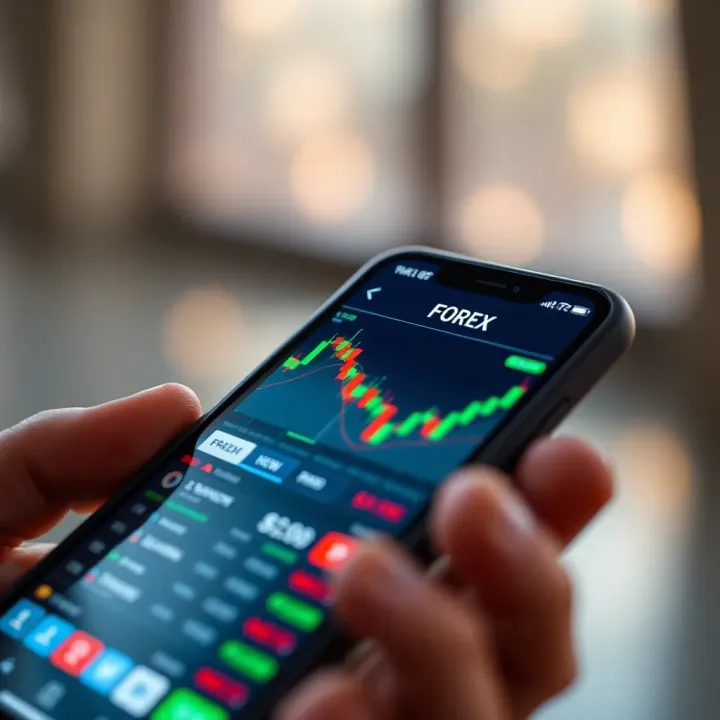
Discover how to pick the best forex trading apps in Pakistan 📱. Learn about essential tools, regulations, and tips to trade smarter on mobile platforms.
Explore top forex trading apps in Pakistan 📱. Learn how to choose the best platform based on features, regulations, and your trading style with confidence.
Choose the best forex trading platform in Pakistan 🇵🇰 by reviewing features, security, costs, and regulations. Start trading smart with expert tips! 📈💹
Based on 13 reviews