
Crypto Trading Courses for Pakistani Investors
Explore crypto trading courses designed for Pakistani investors 🇵🇰. Learn key topics, start trading safely, and overcome challenges in Pakistan’s crypto scene 📈💡.
Edited By
Isabelle Foster
Cryptocurrency trading has gained notable traction in Pakistan despite regulatory uncertainties and economic challenges. More Pakistanis are exploring digital assets like Bitcoin, Ethereum, and local altcoins, drawn by the potential to earn profits beyond traditional markets. However, trading crypto here comes with specific hurdles, including unclear government policies, banking system restrictions, and security concerns.
Understanding this evolving landscape requires a close look at local exchanges, payment methods, and the regulatory environment shaping crypto trading today. This overview helps traders, investors, and financial analysts grasp practical steps and risks involved.

Access to global markets: Crypto offers Pakistanis a way to participate in international finance without relying solely on local banks.
Hedge against inflation: With rupee depreciation and rising inflation, some view cryptocurrencies as an alternative store of value.
Easy entry: Smartphone penetration and mobile internet access enable seamless trading through apps like Binance and local platforms.
Pakistani users mostly trade through international crypto exchanges such as Binance and local peer-to-peer (P2P) networks. P2P platforms allow direct buying and selling using bank transfers, JazzCash, or Easypaisa, which removes the need for official banking channels that often block crypto-related payments.
The State Bank of Pakistan (SBP) has repeatedly warned against unregulated crypto trading and restricted banks from processing crypto transactions. This puts traders in a grey zone where their funds can get stuck or frozen. Meanwhile, Pakistan’s Federal Investigation Agency monitors fraudulent activities linked to crypto fraud and scams.
Traders should exercise caution and adopt strong security measures like two-factor authentication and hardware wallets to protect their investments.
Crypto trading in Pakistan offers real opportunities but requires awareness of local challenges. Understanding how to navigate exchanges, using reliable payment methods, and keeping abreast of regulatory changes can help you stay ahead in this digital financial space.
Cryptocurrency trading has become a notable topic in Pakistan's financial landscape, attracting various groups like traders, investors, freelancers, and students. Understanding its basics is essential to navigate the opportunities and challenges involved. For instance, Pakistani freelancers earning in foreign currencies often find crypto trading a flexible way to manage their earnings amidst rupee volatility. This section sets a practical foundation, helping you grasp what crypto trading entails and why it has gained traction in Pakistan.
Cryptocurrency trading involves buying and selling digital currencies such as Bitcoin, Ethereum, or Tether on specialised platforms called exchanges. Unlike traditional currencies, these digital coins operate on blockchain technology, enabling peer-to-peer transactions without middlemen like banks. Traders aim to profit from price fluctuations by purchasing low and selling high, or sometimes by using more advanced techniques like margin trading. For example, a trader in Lahore might buy Bitcoin when its price dips and sell it later during an uptrend, hoping to earn in PKR or other currencies. This activity requires understanding market trends, exchange fees, and security practices to protect investments.
Several factors fuel growing interest in cryptocurrency trading across Pakistan. One key reason is the limited access to international financial markets due to currency controls and banking restrictions. Cryptocurrencies provide an alternative avenue for Pakistanis to invest and transact globally without cumbersome regulations. Additionally, the recent surge in digital literacy and smartphone usage has made crypto platforms more accessible, even in smaller cities. Another driver is the fluctuating value of the Pakistani Rupee against the US dollar, prompting investors to seek alternative stores of value. Finally, younger generations, particularly students and tech-savvy professionals, are curious about new financial technologies, encouraging wider adoption.
Understanding these basics helps you decide whether crypto trading fits your financial goals and risk tolerance in Pakistan’s unique environment.
The next sections will explore the regulatory environment, popular exchanges, and key security measures to help you trade smarter and safer in this evolving market.
Pakistan's regulatory environment for cryptocurrency trading remains in a state of flux, significantly influencing how traders and exchanges operate. Understanding these rules is essential for anyone dealing with digital assets locally, as they shape the market's legal boundaries and risks.
Currently, Pakistan has not yet formalised comprehensive legislation specifically for cryptocurrency. The State Bank of Pakistan (SBP) has issued multiple circulars cautioning against the use of virtual currencies, citing risks of fraud, money laundering, and volatility. While trading itself is not outright banned, banking institutions are prohibited from facilitating crypto transactions. This creates a grey area where users rely on peer-to-peer (P2P) methods or international exchanges, often at higher risks. For example, many traders use platforms like Binance via personal bank accounts, but failures in government policies still leave legal protections weak or unclear.
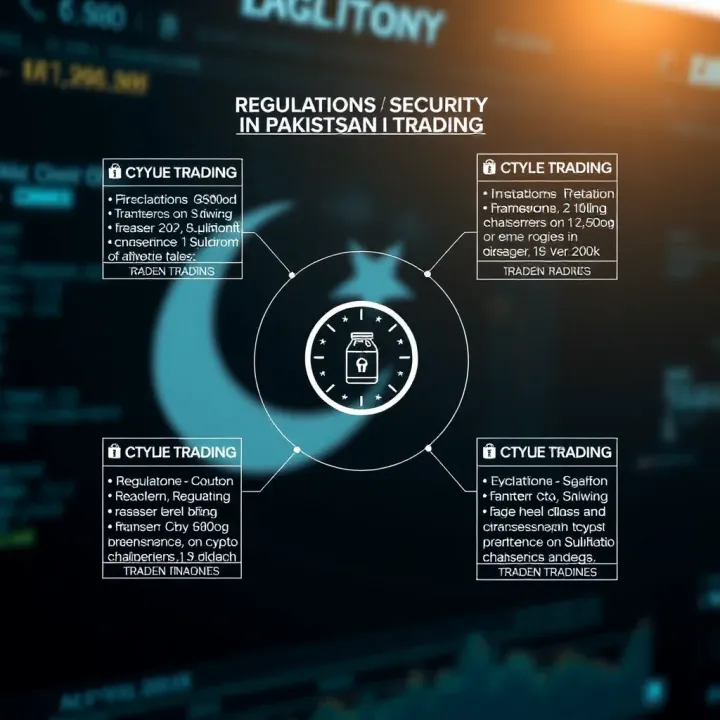
The SBP acts as the primary watchdog regulating financial activities, and it remains cautious about cryptocurrencies. Its main focus is to protect consumers and prevent illegal financial activities. The SBP has not recognised any crypto tokens as legal tender nor allowed banks to directly trade or service cryptocurrencies. Meanwhile, SECP (Securities and Exchange Commission of Pakistan) monitors investment schemes and may intervene if crypto offerings fall under securities laws. Together, these bodies keep a tight leash on crypto developments without yet providing firm frameworks for legal, mainstream trading.
The unclear regulatory stance puts Pakistani traders in a tricky spot. On one hand, the lack of an explicit ban lets crypto trading continue, but on the other, bank restrictions hinder smooth money flows, forcing reliance on informal channels like JazzCash, Easypaisa, or unofficial bank transfers. These limitations increase transaction costs and create vulnerabilities to scams or market manipulation. Moreover, local exchanges face hurdles in gaining proper licences and maintaining compliance, restricting growth and trust. However, some platforms have developed workarounds through strict Know Your Customer (KYC) procedures to stay afloat.
Traders in Pakistan should keep a close eye on announcements from the SBP and SECP, as regulatory clarity can significantly affect both opportunities and risks in crypto trading.
In summary, while crypto remains attractive, Pakistani investors must navigate a cautious, evolving regulatory landscape. Staying informed about these regulations helps traders protect themselves and adapt to changes in this emerging market.
Understanding the landscape of crypto exchanges and payment methods is key for anyone trading cryptocurrency in Pakistan. The choice of platform and transaction method affects everything from convenience to security and compliance with local regulations.
Pakistani traders use a mix of local and international crypto exchanges to buy, sell, and trade cryptocurrencies. Local platforms such as Urdubit and PakBit cater specifically to Pakistani users, offering PKR trading pairs which simplify depositing and withdrawing funds. However, these platforms often face liquidity issues and regulatory uncertainties.
On the other hand, international exchanges like Binance, Coinbase, and KuCoin are popular for their robust security features and wide range of cryptocurrencies. Though these platforms don’t directly support PKR deposits, Pakistanis typically convert rupees to USDT (Tether) or other stablecoins through intermediary channels. This process can be somewhat complex but provides access to global crypto markets.
Many traders combine the convenience of local exchanges with the wider selection and liquidity of international ones, navigating between the two based on their trading strategy and volume needs.
Payment methods play a crucial role in how Pakistanis fund their crypto accounts or cash out profits. JazzCash and Easypaisa are leading mobile wallet solutions, widely accepted for peer-to-peer transactions. Traders often use these wallets to transfer funds quickly and with lower fees compared to traditional banking.
Bank transfers also remain a primary method, especially for larger amounts. Most banks in Pakistan require users to adhere to strict Know Your Customer (KYC) guidelines, which can complicate crypto-related transactions if the purpose isn’t clearly stated. Because of this, some traders prefer wallet-to-wallet transfers as they are faster and less scrutinised.
Here are some points to consider:
JazzCash and Easypaisa wallets allow quick top-ups and withdrawals with minimal service charges.
Bank transfers ensure traceability and are preferred for significant transactions.
Legal uncertainty around crypto still means some banks may hesitate to process payments tied to cryptocurrency.
It helps to stay updated with any changes issued by the State Bank of Pakistan (SBP) regarding permissible payment channels for crypto trading. Meanwhile, exercising caution by using trusted platforms and keeping clear records of all transactions is advisable.
Choosing the right mix of exchanges and payment methods can significantly affect your trading experience in Pakistan. Balancing security, convenience, and regulatory awareness is essential for smooth crypto trading in the local market.
Trading cryptocurrencies in Pakistan comes with its own share of risks. Understanding these dangers and how to manage them is vital, especially since the market remains largely unregulated and volatile. This section focuses on common threats and practical steps to safeguard your investments and personal data.
Crypto markets worldwide are known for their wild price swings, and Pakistan is no exception. For instance, Bitcoin’s value can swing by thousands of dollars in a single day, which can lead to quick gains but also heavy losses. Besides market risks, scams are alarmingly frequent. Fake investment schemes promising unrealistic returns pop up regularly, often targeting beginners. Legal uncertainties add another layer of risk; while the State Bank of Pakistan (SBP) has not officially recognised cryptocurrencies as legal tender, enforcement actions and advisories create confusion for traders. This legal grey area can affect the ability to use local payment methods smoothly or withdraw earnings without hassles.
To reduce these risks, start by sticking to reputable exchanges known in Pakistan, such as Binance, Coinbase, or local platforms vetted by the community. Avoid sharing your crypto wallet’s private keys or account passwords with anyone. Always enable two-factor authentication (2FA) to add an extra security layer.
Never rush into deals that promise quick profits. If a scheme sounds too good to be true, it probably is. Also, be careful when using local payment services like JazzCash or Easypaisa; make sure the counterparty is trustworthy and transactions are well documented.
Safeguarding personal information is just as important. Be cautious about sharing CNIC details or verified KYC documents without confirming the platform’s legitimacy. Use VPNs when accessing accounts on public Wi-Fi to protect your data from hackers.
Remember, crypto trading success in Pakistan depends not only on choosing the right coins but also on how well you protect your funds and data from scams and cyber threats.
Finally, keep an eye on official announcements from authorities such as the SBP and Federal Board of Revenue (FBR) for changes in regulatory policies. Staying informed helps you navigate legal risks better and prevents unpleasant surprises.
By recognising these common risks and following straightforward security practices, you can trade more safely in Pakistan’s crypto environment and protect your investments from unnecessary harm.
Getting started with crypto trading in Pakistan may seem daunting at first, but breaking down the process into clear steps helps you understand how to enter the market confidently. This section guides you through practical actions, from setting up an account to making your first trade, plus important tax considerations you shouldn't overlook.
The starting point is to pick a crypto exchange that suits your needs. Pakistanis often use international platforms like Binance or local ones such as Urdubit. Creating an account involves providing your email or phone number and setting a password. This step gives you access to the trading environment where buying and selling happens.
Choosing the right exchange matters. For example, Binance supports Pakistani Rupees (PKR) deposits via bank transfers or e-wallets like JazzCash. Local exchanges may offer better integration with Pakistani payment methods but could have fewer crypto options.
Verification is required to comply with regulatory standards and to protect against fraud. Know Your Customer (KYC) procedures ask you to submit your Computerised National Identity Card (CNIC) and sometimes proof of address. This process usually takes a few hours to a couple of days depending on the platform.
KYC is practical because it allows higher withdrawal limits and ensures your account security. For instance, without verification, some exchanges restrict access to certain features or lower withdrawal amounts, making full verification essential for serious traders.
After account setup and verification, the next step is to add funds. Most Pakistani traders use bank transfers, JazzCash, or Easypaisa wallets to deposit PKR. Some exchanges also accept funds through Payoneer or other international payment gateways.
Ensure you check deposit fees and processing times. For example, JazzCash deposits can be instant but might involve a small fee, whereas bank transfers could take a day or two. Proper funding is critical before you can buy cryptocurrencies.
Once your account holds funds, you can place your first trade. This typically involves choosing a cryptocurrency pair, like BTC/USDT or ETH/PKR, and deciding whether to buy or sell. Most platforms offer market orders (executed immediately at current prices) and limit orders (executed when price reaches your set target).
Start cautiously. Place smaller trades to learn how the platform works and how prices fluctuate. For example, investing Rs 5,000 to Rs 10,000 as a starter lets you get familiar without risking too much.
Tax rules on cryptocurrencies in Pakistan remain somewhat unclear, but the Federal Board of Revenue (FBR) has shown interest in monitoring digital assets. Currently, gains from crypto trading may qualify as income and could be taxable under existing tax laws.
It’s wise to keep records of all transactions, including buys, sells, and transfers. Some traders consult tax professionals familiar with FBR updates to ensure compliance. Declaring crypto income honestly reduces risks of penalties.
Keep in mind, the regulatory landscape is evolving, so staying updated on official announcements from FBR and SBP helps avoid surprises.
By following these steps and understanding local tax expectations, you can trade cryptocurrencies in Pakistan more confidently and responsibly.
Explore crypto trading courses designed for Pakistani investors 🇵🇰. Learn key topics, start trading safely, and overcome challenges in Pakistan’s crypto scene 📈💡.
Find the best crypto trading platform in Pakistan 🇵🇰 with expert tips on security, fees, regulations, and popular options to trade confidently today! 💰
Explore top crypto trading platforms for Pakistani users 🇵🇰! Learn how to pick secure, legal options that match your trading style and needs 💰🔒
🔍 Find the best crypto trading app for Pakistan! Get tips on features, security, costs & regulations to enhance your trading experience wisely.
Based on 6 reviews