
Understanding Forex Trading for Pakistani Traders
📊 Understand forex trading essentials, market trends, risk management & Pakistan's regulations. A practical guide for Pakistani traders seeking informed currency trading success.
Edited By
Charlotte Hayes
Gold has always been a favoured asset for Pakistani investors, especially during uncertain economic times. Today, gold trading not only reflects global economic conditions but also local factors like currency movements and domestic demand. Understanding these can help you make smarter decisions about when to buy or sell.
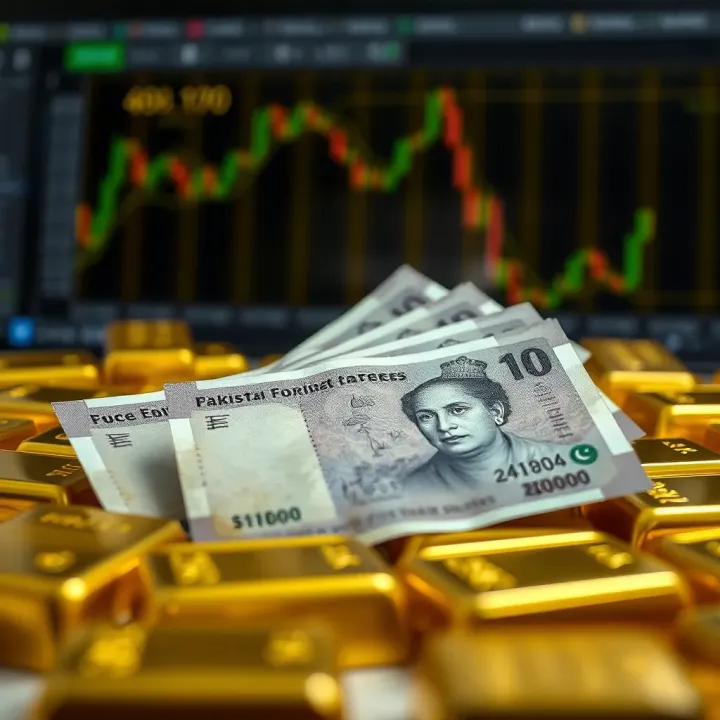
Gold typically acts as a hedge against inflation and currency depreciation. With the Pakistani rupee facing volatility lately, many investors turn to gold as a safer store of value. Also, geopolitical tensions worldwide often push gold prices higher, as traders seek refuge from unstable markets.
Global economic indicators: Data on inflation, interest rates, and economic growth from the US, China, and Europe heavily impact gold prices.
Currency fluctuations: A weakening rupee generally raises gold prices locally since gold is priced in US dollars.
Demand patterns: Increased buying during festivals like Eid, or demand for jewellery in rural Pakistan, usually supports prices.
Central banks policies: Decisions by entities like the State Bank of Pakistan (SBP) or the US Federal Reserve influence gold's appeal.
"A sharp drop in the rupee against the dollar today itself could push gold prices up by Rs 200-300 per tola."
Understanding the relationship between rupee strength and gold prices can help plan entry and exit points. For example, when the rupee weakens rapidly, importing gold becomes costlier, so local prices surge even if international gold rates stay steady.
Also, tracking global events like US Federal Reserve meetings or China’s economic reports gives a heads-up on gold price movements. However, keep an eye on local demand cycles too; wedding seasons can temporarily spike demand.
Monitor rupee-dollar rates closely. A fluctuating exchange rate directly influences your profit or loss.
Stay updated on inflation trends in Pakistan. Rising inflation often drives more interest toward gold.
Consider gold ETFs or jewellery depending on your holding preference. ETFs offer more liquidity and lower costs, while jewellery suits those looking for physical assets.
Be mindful of market timing. Avoid buying at peak festival demand when prices tend to be highest.
By paying attention to these factors today, Pakistani investors can navigate gold trading with more confidence and safeguard their investments in uncertain times.
Keeping an eye on current trends in the gold market is vital for Pakistani investors aiming to make sound decisions today. Gold prices don’t move randomly; they fluctuate based on a mix of global events and economic indicators. Understanding these trends helps traders predict possible price movements and align their buying or selling strategies accordingly.
Recent fluctuations and patterns: Recently, gold prices have shown a degree of volatility, responding swiftly to global uncertainties. For example, during geopolitical tensions in Eastern Europe, gold prices surged due to investors seeking safer assets. In contrast, when major economies announce stabilising economic data, gold tends to pull back as confidence in growth rises. Recognising such patterns allows Pakistani investors to anticipate short-term price swings instead of reacting too late.
Influence of international markets: The gold market in Pakistan is not isolated; it closely follows New York and London bullion markets. For instance, if the US Federal Reserve signals an interest rate hike, gold prices usually dip because higher interest rates raise the appeal of bonds relative to non-yielding assets like gold. Likewise, safe-haven demand from regions experiencing political unrest, such as the Middle East, also influences prices worldwide. Traders in Pakistan should monitor these international signals, as global market sentiments fast impact local gold rates.
Inflation rates and interest changes: Inflation plays a significant role in gold pricing. When inflation climbs, purchasing power drops, prompting people to purchase gold as a store of value. In Pakistan, where inflation has been hovering around 10% recently, many investors view gold as a hedge against rupee depreciation. Moreover, central banks’ interest rate decisions affect gold. Lower rates reduce the opportunity cost of holding gold, pushing prices up, while rate increases often pressure gold down.
Currency strength and exchange rates: The Pakistani rupee’s strength against the US dollar substantially affects domestic gold prices. Since gold is priced in dollars internationally, a weaker rupee means higher gold costs locally. For instance, a 2% devaluation against the dollar almost directly translates into a similar increase in gold prices in Pakistani markets. Traders should keep an eye on USD/PKR exchange rates as they can override other factors, especially during periods of rupee volatility.
For Pakistani investors, tracking both global gold movements and local economic indicators offers a practical way to navigate price shifts more confidently.
Gold prices rarely move in isolation. Several key factors play a direct role in shaping daily price shifts, making them critical for Pakistani investors to monitor. Understanding these factors helps you anticipate market reactions and adjust your trading strategy accordingly.
Political tensions and international conflicts often prompt investors to seek safety in gold. When border skirmishes or diplomatic disagreements arise, uncertainty spikes. For example, conflict flare-ups involving major economies like the US or China generally nudge gold prices upwards. Investors view gold as a reliable asset amid rising geopolitical risks, resulting in higher demand. In Pakistan, where regional tensions sometimes affect market confidence, such global events can translate into sudden gold price swings.
Investor risk appetite shifts also influence gold prices. When confidence in equities or other risk assets weakens due to fears of economic slowdowns or policy changes, traders often move money into gold. Conversely, when markets show strength, investors may step back from gold, seeking higher returns elsewhere. This ebb and flow between risk-on and risk-off moods can produce noticeable price fluctuations within short periods.
The rupee’s volatility is a major local driver of gold prices. Since gold is imported, a weakening Pakistani rupee raises the cost of gold in local currency terms. For instance, when the rupee dropped against the US dollar in 2023, gold prices rose even as global prices remained stable. Traders and investors need to track rupee exchange rates closely along with international bullion prices to understand the net effect on local gold rates.
Demand trends during festivals and seasons have a pronounced effect on Pakistan’s gold market. Periods like Eid-ul-Fitr and weddings typically boost jewellery purchases strongly, pushing local demand and prices up. Likewise, during months following the harvest or government bonus payouts, cash inflows often encourage more gold buying. Awareness of these seasonal cycles helps traders anticipate temporary price rises or slowdowns linked to consumer behaviour.
For Pakistani investors, combining insights on geopolitical risks, market mood, currency movements, and seasonal demand offers a practical approach to navigating the gold market today.
Keep an eye on regional political developments to gauge risk-driven price moves
Monitor rupee exchange rates daily alongside international gold prices
Plan purchases or sales considering festival and wedding seasons to optimise timing
These factors are not isolated but intertwined; understanding their interaction is key to making informed decisions in gold trading.
Forecasting in gold trading serves as a compass for investors navigating constant price shifts. Understanding how gold prices might move enables traders in Pakistan to make timely buy or sell decisions, reducing risk and improving returns. These methods often combine practical tools and economic knowledge, proving essential for both daily trades and long-term investment plans.
Chart patterns and indicators form the backbone of technical analysis. These visual tools show price movements over time, helping traders spot trends and possible reversals. For example, a "head and shoulders" pattern might hint at an upcoming decline, while "double bottoms" suggest a potential price rise. Common indicators like the Moving Average Convergence Divergence (MACD) or Relative Strength Index (RSI) provide extra layers of insight by measuring momentum and price strength.
This approach suits short-term traders who need quick signals about when to enter or exit the market. Pakistani investors, for instance, might watch hourly charts during volatile times around political announcements or government policy changes to catch timely profit opportunities.
Volume and momentum analysis complements chart readings by showing the weight behind price moves. High trading volume during a price rise indicates strong buyer interest, making the move more trustworthy. Conversely, price changes on thin volume often lack conviction and may reverse soon.
Momentum indicators like the Stochastic Oscillator reveal whether gold is overbought or oversold. If momentum slows while prices climb, it warns of a possible correction. These tools help traders avoid jumping into trends too late or holding on too long.
Economic data interpretation focuses on underlying forces shaping gold prices. Key numbers include inflation rates, GDP growth, and employment statistics. Rising inflation in Pakistan typically pushes gold prices higher as investors seek shelter from currency depreciation.
For example, when Pakistan’s inflation rate crosses above 10%, demand for gold often surges, especially around festive occasions like Eid or weddings, which boosts local purchases. Understanding these patterns allows investors to anticipate price changes beyond daily fluctuations.
Monetary policy impact is another cornerstone of fundamental analysis. Decisions by the State Bank of Pakistan (SBP) on interest rates influence gold’s attractiveness. Lower interest rates reduce returns on bank deposits, making gold a preferable alternative. Conversely, higher rates can dampen gold demand as saving instruments become more profitable.
On a global scale, shifts in US Federal Reserve policy also affect gold prices in Pakistan. A rate hike in the US tends to strengthen the dollar, often pushing gold prices lower internationally. Traders keeping an eye on both domestic and international monetary policies can better time their gold investments.
Successful gold trading mixes both technical signals and fundamental knowledge. Mastering these methods helps Pakistani investors manage risks and capitalise on market movements with more confidence.
Practical advice is essential for Pakistani gold traders navigating the volatile market. Understanding how to manage risk and utilise reliable local resources improves the chances of making profitable decisions. This section focuses on actionable strategies tailored for traders who want to protect their investment while staying informed.
Setting stop-loss and target prices helps traders limit potential losses and secure profits. For example, if you buy gold at Rs 150,000 per tola, setting a stop-loss at Rs 148,000 prevents excessive loss if prices fall. Likewise, a target price, say Rs 155,000, guides when to sell and book profits. This approach avoids emotional decisions during market swings and is especially useful during uncertain economic periods in Pakistan.
Diversification strategies reduce risk by spreading investments across assets instead of focusing solely on gold. Pakistani investors might balance portfolio holdings between physical gold, gold ETFs (exchange-traded funds), and other commodities or stocks. This mix cushions against fluctuations—if the rupee weakens dramatically, physical gold might rise, offsetting losses elsewhere. Diversification helps traders avoid putting all their eggs in one basket, crucial in Pakistan’s sometimes unpredictable market.
Accessing reliable market data is critical for informed trading. Pakistani investors benefit from platforms like the Karachi-based Pakistan Mercantile Exchange or reputable gold price tracking websites updated daily. Local sources provide current rupee-based gold rates reflecting import duties, GST, and market demand unlike international rates alone. Following SBP announcements and currency trends alongside these data points gives traders deeper insight into price movements.
Choosing trusted dealers and brokers protects traders from scams and fake gold products. In Pakistan, relationship and reputation matter; verify dealer licences and customer reviews before transactions. Established jewellers in areas like Karachi’s Saddar or Lahore’s Liberty Market usually offer more transparent pricing and certificates of authenticity. For online brokers, check their registration with SECP (Securities and Exchange Commission of Pakistan) to ensure compliance and safety.
Managing risk and using trustworthy local resources are two pillars that support successful gold trading in Pakistan today. Without these, even the most promising market trends can lead to costly mistakes.
The right combination of risk control and credible information sources helps Pakistani investors confidently participate in gold trading with clearer expectations and better outcomes.
Understanding the outlook for gold prices in Pakistan is essential for investors and traders aiming to make informed decisions. This section focuses on how short-term and long-term factors shape the gold market specifically in Pakistan’s economic and geopolitical context. By highlighting practical trends and forecasts, the outlook helps investors gauge potential risks and opportunities.
The expected price range for gold in the next few days generally fluctuates between Rs 140,000 and Rs 145,000 per tola, depending on global gold spot prices and local demand pressures. This forecast matters for those planning quick trades or looking to time purchases ahead of festive seasons like Eid, when demand often spikes.
Immediate price movements tend to respond strongly to factors such as international gold price shifts, rupee-dollar exchange rates, and geopolitical news. For example, if the rupee weakens against the dollar quickly, gold prices in Pakistan usually rise as it becomes costlier to import bullion. Traders keep a close watch on sudden changes in these variables to adjust their positions accordingly.
Gold acts as a reliable hedge against inflation and currency depreciation in Pakistan, especially when the rupee faces instability. Historically, during periods of high inflation or economic uncertainty, gold retains value better than many asset classes. For instance, during bouts of rupee devaluation, investors often turn to gold to protect their savings.
Regional developments such as tensions in Afghanistan or changes in trade relations with China can influence Pakistan’s gold market over the longer term. Increased regional risk generally boosts gold buying as investors seek safer stores of value. On the other hand, enhanced economic cooperation with neighbours may stabilise the market, reducing gold's role as a safe haven.
Staying informed about both short- and long-term factors helps Pakistani investors balance their portfolios and take advantage of gold’s unique position in the local economy.
By focusing on these outlook components, investors can better navigate the complexities of gold trading in Pakistan and align their strategies with realistic market expectations.
📊 Understand forex trading essentials, market trends, risk management & Pakistan's regulations. A practical guide for Pakistani traders seeking informed currency trading success.

Find the best trading app in Pakistan 📱 with expert tips on features, safety, fees, and more to boost your earnings. Start smart trading today! 💰

Explore crypto trading courses designed for Pakistani investors 🇵🇰. Learn key topics, start trading safely, and overcome challenges in Pakistan’s crypto scene 📈💡.
📈 Start forex trading in Pakistan with this practical guide! Learn to pick brokers, set accounts, master strategies, manage risks, and navigate legal rules confidently.
Based on 10 reviews