

Crypto Trading Courses for Pakistani Investors
Explore crypto trading courses designed for Pakistani investors 🇵🇰. Learn key topics, start trading safely, and overcome challenges in Pakistan’s crypto scene 📈💡.
Edited By
Isabella Cooper
Cryptocurrency trading raises many questions for Muslims about its compliance with Islamic law. As digital currencies gain popularity in Pakistan and worldwide, understanding whether trading crypto aligns with Islamic finance principles is becoming urgent for many investors and traders.
Islamic finance has strict rules against riba (interest), gharar (excessive uncertainty), and gambling-like speculation. Since cryptocurrencies like Bitcoin and Ethereum are relatively new and highly volatile assets, scholars debate if crypto trading falls under these prohibitions.
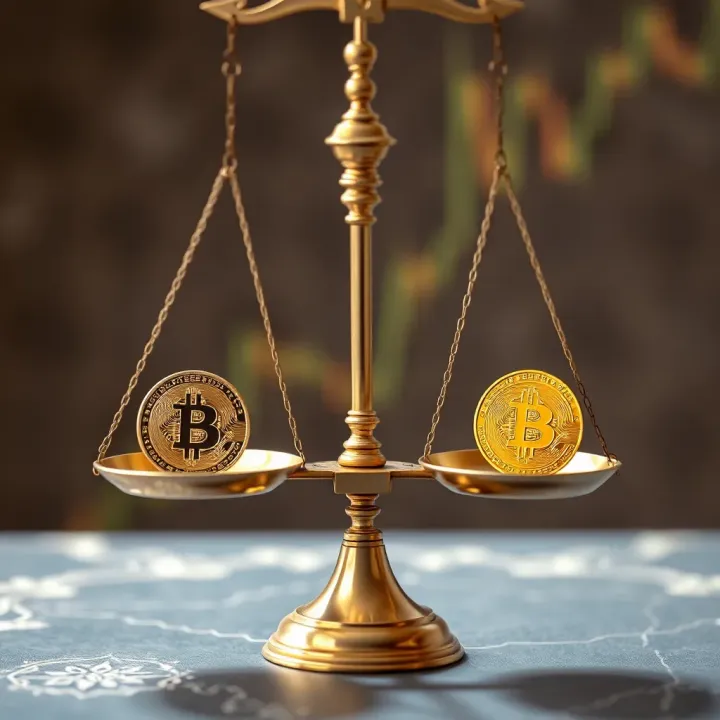
For example, some view crypto trading similar to conventional stock market investing, which Islam permits under conditions of transparency and real economic value. Others see it as risky speculation or even a gambling activity due to its unpredictable price swings and lack of intrinsic backing.
This article explores the issue from several angles:
Basic understanding of cryptocurrency trading
Key Islamic finance principles affecting financial transactions
How concepts like riba, gharar, and maysir (gambling) relate to crypto
Varied opinions among Islamic scholars on the permissibility of crypto trading
Islamic finance emphasises transactions based on fairness, clarity, and genuine value, which makes the discussion around crypto complex given its digital and speculative nature.
By presenting practical examples and scholars' views, the article aims to give Pakistani traders and investors clear insights on whether crypto trading is halal (permissible) or haram (forbidden) according to Islam. This helps individuals make informed decisions balancing faith with modern financial opportunities.
Grasping the basics of cryptocurrency trading is essential for anyone in Pakistan considering investment in this fast-evolving area. It not only helps in making informed decisions but also in understanding the risks and ethical questions involved, especially within an Islamic framework.
Cryptocurrency is a type of digital or virtual currency that uses cryptography for security. It operates on a technology called blockchain, a decentralised ledger recording all transactions. This means cryptocurrencies like Bitcoin or Ethereum aren't controlled by any government or bank, making them distinct from traditional money.
Trading cryptocurrencies involves buying and selling these digital coins to profit from price changes. People use specialised platforms known as crypto exchanges, where they can convert their local currency into cryptocurrencies or trade between different crypto assets. The process mimics stock trading but operates 24/7, which adds to its dynamic nature.
Understanding how these platforms operate is key for Pakistani investors to avoid scams and losses. These exchanges provide tools for analysing market trends and executing trades quickly, which requires both knowledge and caution.
Cryptocurrency markets are notably volatile. Prices can swing widely in short timeframes due to market sentiment, regulatory news, or technological changes. For example, Bitcoin’s price might rise sharply after positive adoption news or fall dramatically if a major country announces restrictions. This volatility means trading cryptocurrencies holds significant risk alongside opportunity.
Bitcoin and Ethereum are the most recognised cryptocurrencies in Pakistan. Bitcoin is often viewed as digital gold—used primarily as a store of value—while Ethereum offers a platform for decentralised applications besides its currency. Other coins like Binance Coin and Cardano have also gained traction due to specific advantages or partnerships.
Pakistan’s regulators have not yet fully formalised cryptocurrency rules but have issued warnings about potential risks. Despite this, many Pakistanis actively trade local and international cryptocurrencies, reflecting growing interest, especially among youth and freelancers earning in dollars.
Accessing cryptocurrencies in Pakistan is increasingly easier through local exchanges such as Urdubit and BitEx, as well as global platforms that support Pakistani accounts. Wallet apps like Trust Wallet or MetaMask enable users to store and manage crypto safely. However, users must remain cautious of unregulated services to avoid fraud, loss, or legal issues.
Remember, it’s vital to research both the currency and trading platform thoroughly before investing, especially given the volatile nature of the crypto market and evolving regulations in Pakistan.
This clear understanding of cryptocurrency trading grounds readers to better assess its compatibility with Islamic finance principles which will be explored further in upcoming sections.
Understanding Islamic finance principles is vital when evaluating whether crypto trading fits within Islamic boundaries. Islamic finance operates on rules that avoid interest (riba), excessive uncertainty (gharar), and unethical practices, aiming to ensure fairness and transparency in transactions. For Muslims involved in trading, these principles provide a guide to maintain financial dealings in line with Shariah.
Riba refers to any guaranteed interest on loaned money, which Islam strictly prohibits because it leads to unfair gains without risk. For example, traditional bank loans charging fixed interest are considered riba and thus not allowed. In trading, earning profits through interest rather than genuine trade activity violates this principle.
Gharar involves transactions with undue ambiguity or unknown outcomes, making contracts uncertain or risky beyond acceptable limits. A sale that involves speculation about goods that do not physically exist yet, or uncertain delivery dates, can be gharar. Excessive gharar is discouraged because it can lead to injustice or exploitation.
For financial dealings to be halal, contracts should be clear, transparent, and free from riba and gharar. Sales must involve existing goods or assets, and parties should fully understand the terms. For example, buying and selling tangible commodities or shares with transparent information fits these conditions, promoting honest trade and ethical profit-making.
Islamic teachings differentiate legitimate investment from gambling by looking at intention, risk, and knowledge. Investment involves calculated risk for productive returns, while gambling entails chance, luck, and potential loss without effort or knowledge. For example, investing in a business with clear terms is acceptable, but betting on unpredictable outcomes is not.
Many scholars caution against transactions that resemble gambling due to high uncertainty and unpredictability. However, they often permit investments involving known risks if supported by research and due diligence. This viewpoint encourages avoiding reckless speculation but allows calculated risk when informed.
Crypto trading often involves significant price swings and uncertainty, which can brush closely with gharar and speculative risk. Traders should assess if their engagement is based on research and real economic activity or mere speculation resembling gambling. Being cautious and avoiding schemes that promise quick, guaranteed profits helps align crypto trading with Islamic ethics.
Islamic finance doesn’t outlaw all risk — it promotes fairness, transparency, and ethical dealings while avoiding exploitation through interest or excessive uncertainty.
This section lays the foundation for assessing crypto trading by clarifying the key Islamic finance principles leading to practical, conscientious investing for Pakistani Muslims and others keen on observing Islamic ethics in financial markets.
Islamic scholars and traders alike pay close attention to religious perspectives on cryptocurrency trading, as this affects whether such investments fit within Islamic finance principles. For Pakistani Muslims considering crypto, understanding these views is not only about compliance but also about ethical financial behaviour that honours religious teachings.
Many supporters argue that cryptocurrencies like Bitcoin or Ethereum can be treated as valid tradeable assets. These digital currencies possess ownership, transferability, and value agreed upon by users. Practically, this means buying or selling crypto resembles trading commodities, which is allowed under Islamic law provided no prohibited elements are involved. For instance, just as one trades gold or property, trading cryptocurrencies can fall within accepted commerce.
There is no direct mention of cryptocurrencies in the Quran or Hadith since the technology did not exist. This silence leaves room for scholars to interpret permissibility based on general financial rules. As long as trading does not involve riba (interest), gambling, or deceit, some scholars see no bar to crypto usage. This absence of outright ban encourages Muslims to study the technology cautiously without assuming it is forbidden outright.
Cryptocurrency platforms allow for transparent and decentralized exchanges, cutting out intermediaries sometimes involved in exploitative practices. Some altcoins focus on social good, renewable energy, or charity projects. For Muslim investors wanting to align profits with values, selecting cryptos that back Islamic ethics or community welfare offers a promising path. This option broadens the range of halal investment opportunities beyond traditional markets.
One major Islamic concern is the high level of gharar (uncertainty) in crypto markets due to price swings and lack of regulation. Extreme speculation may resemble gambling, which Islam forbids. When investors buy tokens hoping only for short-term gains without backing by real assets or services, it raises red flags. For example, a trader buying volatile coins without understanding fundamentals risks falling into haram speculation.
Cryptocurrencies do not have physical backing like gold or state guarantee like fiat currency. This absence makes some scholars uneasy about their legitimacy as money or assets. Since Islamic finance promotes assets with real value, the intangible nature of crypto challenges acceptance. For everyday Muslims, this means weighing whether the digital coin represents genuine ownership or mere speculative ticket.
Cryptocurrency’s relative anonymity can facilitate money laundering, fraud, or funding of illegal businesses. Islam prohibits supporting or benefiting from unethical activities, so using crypto platforms without safeguards might imply complicity. Pakistani Muslims must remain vigilant about exchange reputations and ensure transactions comply with ethical standards.
Some scholars conclude cryptocurrencies are haram because they consider the uncertainty too high and the lack of state backing questionable. They liken crypto trading to gambling or counterfeit currency. This stance warns believers to avoid crypto to protect their wealth and faith.
Others permit crypto trading if conducted transparently, avoiding excessive risk or interest-based earnings. They emphasise proper intention, knowledge, and partial regulation or Islamic compliance audit. This view encourages Muslims to engage carefully, ensuring their investments meet halal standards.
Given the novelty of cryptocurrencies, many call on scholars and regulators in Pakistan to provide clearer guidance. Developing frameworks balancing innovation with Islamic ethics can help investors make informed choices. Meanwhile, individuals are advised to stay cautious, keep learning, and prioritise ethical investing.
Understanding religious views on cryptocurrency trading helps Pakistani Muslims navigate this complex market responsibly, honouring both faith and financial prudence.
Pakistani Muslims thinking about cryptocurrency trading must weigh practical factors alongside religious views. The legal environment, ethical investment choices, and risks of unregulated markets heavily impact their experience. Understanding these matters helps navigate crypto trading without falling into prohibited practices or financial harm.
Currently, Pakistan’s authorities have a cautious stance on cryptocurrencies. The State Bank of Pakistan (SBP) does not recognise crypto as legal tender and has warned against trading on unregulated platforms. While outright bans are not in place, the lack of official regulation means users operate with limited protection.
This gap can expose traders and investors to complications such as sudden account freezes or transaction blocks. For example, in past incidents, some Pakistani exchanges have faced crackdowns or banking restrictions, leaving users unable to access their funds. This uncertainty calls for extra caution.
Unregulated exchanges often lack transparency and safeguards. Without formal oversight, pricing can be unfair or manipulated, and security may be weak. Cases of scams and fraud have emerged globally, but Pakistan’s regulatory void increases vulnerability. Users risk losing substantial sums if exchanges collapse or engage in unethical behaviour.
Given these risks, participating cautiously is essential. Traders should prefer Pakistani exchanges that comply with KYC (Know Your Customer) rules and maintain clear records. Using wallets linked to reputable providers like JazzCash or Easypaisa for deposits and withdrawals reduces vulnerability. Also, monitoring official announcements from SECP and SBP ensures staying updated on any legal changes.
Choosing cryptocurrencies with transparent backing helps reduce exposure to gharar (excessive uncertainty) and unfair dealings. Coins like Bitcoin and Ethereum have clear market histories and wide acceptance, whereas obscure tokens without clear use or backing should be avoided.
Steering clear of schemes resembling gambling or pyramid structures aligns with Islamic ethics. Crypto projects promising guaranteed returns or using multi-level recruitment often resemble haram gambling. It is wise to research thoroughly before investing, looking for projects promoting genuine utility and honesty.
Balancing profit motives with Islamic principles means prioritising fairness and avoiding speculation. Pakistani investors should seek coins and trading strategies that focus on long-term value and ethical use over quick profits from volatile price swings. This approach supports halal financial practices amid the uncertain crypto world.
Careful consideration of Pakistan’s legal status, ethical coin selection, and cautious trading can help Muslims engage with cryptocurrency within Islamic guidelines while avoiding common pitfalls.
In summary, Pakistani traders must stay informed about their country’s laws, pick trustworthy cryptocurrencies, and avoid speculative or gambling-like behaviour to keep crypto trading aligned with Islamic principles.
Cryptocurrency trading sits at an interesting crossroads where modern finance and traditional Islamic principles meet. This section wraps up the discussion by highlighting how Pakistani Muslims can engage with crypto markets while respecting their faith. Understanding, practical caution, and ongoing scholarly guidance are vital for making sure investments align with Islamic ethics.
Understanding Islamic finance rules is essential before entering crypto trading. Concepts like riba (interest), gharar (excessive uncertainty), and ethical transaction standards form the backbone of halal investing. Traders who overlook these fundamentals risk engaging in forbidden practices unknowingly. For instance, buying cryptocurrencies purely for speculative gains without underlying value or excessive uncertainty may run against Islamic guidelines. Familiarity with these rules helps investors distinguish between permissible trading and activities that constitute gambling or usury.
Scholarly opinions on crypto trading vary widely, reflecting the relative novelty of cryptocurrencies. Some scholars declare crypto trading haram due to its speculative nature and lack of central regulation, while others consider it halal with conditions such as transparency and avoiding fraud. This diversity means there is no unanimous religious ruling yet, which leaves room for differing personal interpretations. Such uncertainties underscore the need for seeking scholarly advice and staying updated with reputable fatwas addressing modern financial products.
Given these uncertainties, personal judgement and caution play a crucial role. Investors should carefully assess crypto projects, avoid risky schemes resembling gambling, and consider their own understanding of Islamic law. For example, Pakistani investors might choose coins backed by tangible assets or transparent governance. Exercising restraint and avoiding overleveraging reduce the chances of falling into unethical trading or financial loss. This cautious approach serves both spiritual integrity and financial prudence.
Scholars and regulators must continue to engage actively with cryptocurrency developments. Their role includes analysing the evolving crypto landscape through Islamic principles and issuing clear guidance. For Pakistan, SECP and religious bodies working together can facilitate policies that protect investors and provide clear halal investment benchmarks. This collaboration helps bridge gaps between religious teachings and fast-moving financial technologies.
Developing clear guidelines tailored for Pakistani Muslims will simplify decision-making. Practical rules covering acceptable types of crypto assets, trading practices, and risk management can ease confusion. For example, advice on using licensed exchanges, avoiding anonymous coins linked to illicit activities, and transparent documentation will support ethical trading. Clear guidelines empower investors to make informed choices without second-guessing their religious compliance.
Promoting awareness about halal investing is equally important. Educational initiatives targeting traders, students, and newcomers to the crypto space can raise understanding of Islamic finance applied to modern assets. Workshops, online courses, and fatwa summaries can help the community navigate crypto opportunities responsibly. In the end, informed investors are better equipped to balance profit motives with faith principles, fostering a more ethical financial ecosystem in Pakistan.
Navigating cryptocurrency trading within Islamic law requires more than mere knowledge—it calls for active engagement with scholars, prudent investing, and ongoing education tailored to local needs.
In summary, while crypto trading may be tempting, Pakistani Muslims need to weigh their decisions carefully. Aligning investments with Islamic ethics ensures peace of mind and financial security in an uncertain market. As this area matures, clear religious and regulatory frameworks will offer the guidance necessary to trade confidently and conscientiously.
Explore crypto trading courses designed for Pakistani investors 🇵🇰. Learn key topics, start trading safely, and overcome challenges in Pakistan’s crypto scene 📈💡.
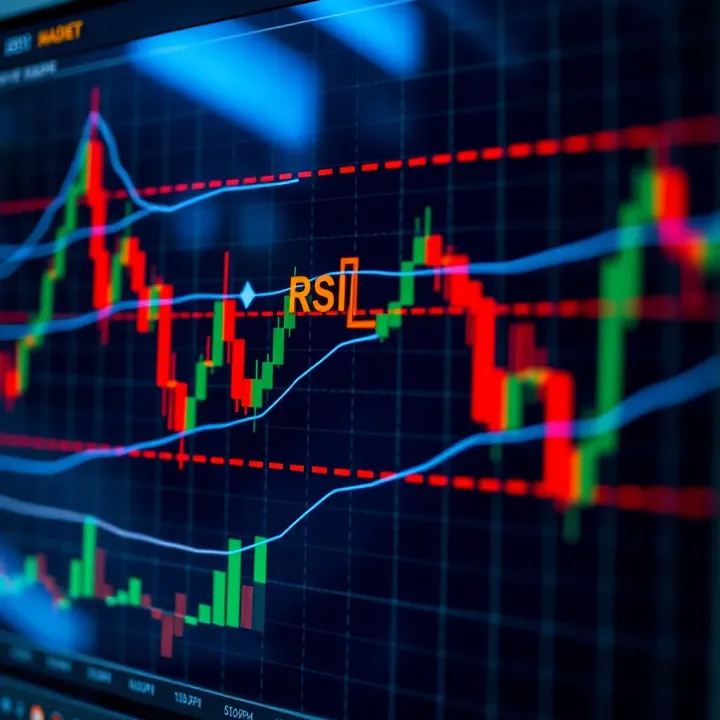
Explore top crypto trading indicators 📊, learn how they work, their pros & cons, and smart combos to navigate Pakistan's volatile crypto market confidently 🚀.
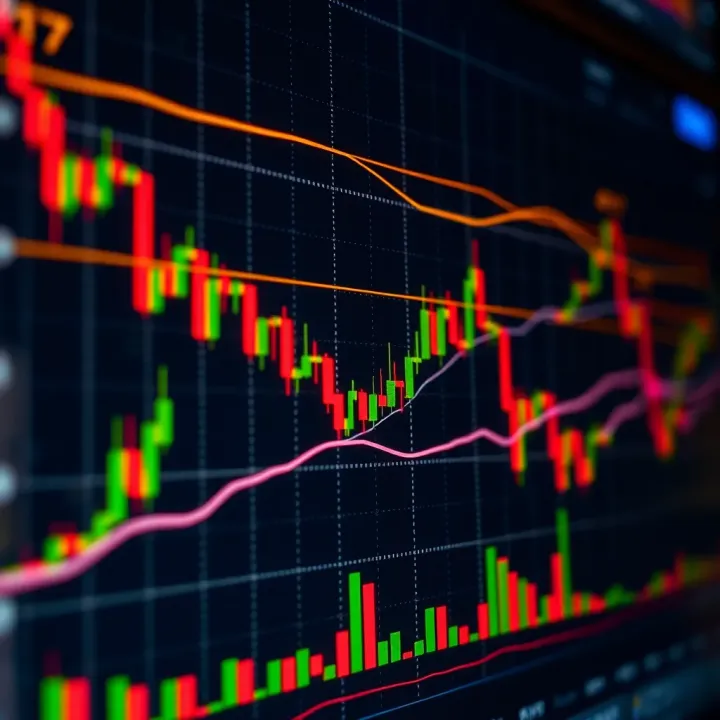
📊 Learn how to choose the best crypto trading indicators, combine tools, and adapt strategies for Pakistan’s fast-moving market to boost your trade timing and decisions.
Find the best crypto trading platform in Pakistan 🇵🇰 with expert tips on security, fees, regulations, and popular options to trade confidently today! 💰
Based on 12 reviews