
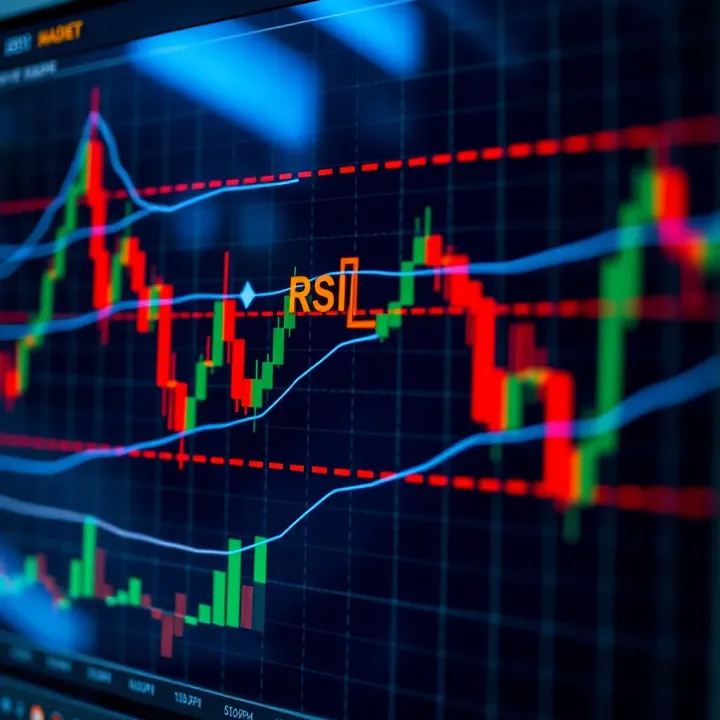
Top Crypto Trading Indicators Explained
Explore top crypto trading indicators 📊, learn how they work, their pros & cons, and smart combos to navigate Pakistan's volatile crypto market confidently 🚀.
Edited By
Emily Carter
Crypto trading exchanges have become central to the global financial ecosystem, especially for investors in Pakistan and beyond. These platforms act as digital marketplaces where users buy, sell, and trade cryptocurrencies like Bitcoin, Ethereum, and many altcoins. Unlike traditional stock exchanges, crypto trading exchanges operate around the clock, providing constant access to markets across time zones.
These exchanges come in two main types: centralised and decentralised. Centralised exchanges (CEXs), such as Binance and Coinbase, are operated by companies that manage user transactions and hold assets in custody. On the other hand, decentralised exchanges (DEXs) like Uniswap allow peer-to-peer trading without intermediaries, relying on blockchain smart contracts.
Security plays a key role, given the digital nature of these platforms. Most exchanges implement measures like two-factor authentication (2FA), cold storage of crypto assets, and encryption to guard against hacks. However, the risk is never zero, as ongoing incidents highlight vulnerabilities.
Regulation also varies significantly by country. In Pakistan, the State Bank has advised banks to avoid direct dealings in cryptocurrencies, but trading via international platforms continues under a grey regulatory area. Traders should understand that regulatory shifts can impact exchange accessibility and crypto asset legality.
When choosing an exchange, investors should consider:
Reputation and user reviews: Look for exchanges with strong track records and community trust.
Trading fees: Some platforms charge flat fees, others a percentage per trade.
Supported cryptocurrencies: Ensure the exchange lists the assets you want to trade.
Liquidity: Higher liquidity means smoother trades and fair pricing.
User interface and customer support: Essential for less experienced investors.
Understanding how global crypto exchanges work helps traders navigate this fast-moving space confidently. Awareness of security practices, regulatory landscapes, and platform features is vital for avoiding pitfalls and making informed decisions in crypto investing.
Global cryptocurrency exchanges serve as the backbone of the digital asset market, bringing together millions of traders from across the world. Unlike local platforms limited to one country or region, global exchanges offer a broader range of cryptocurrencies and more flexible trading options. For Pakistani investors and traders, understanding the role of these international hubs is key to accessing liquid markets and competitive pricing.
Global exchanges operate across many countries, offering a platform where users from different continents can trade without geographical restrictions. Local exchanges, on the other hand, tend to focus on servicing users within a specific country, often supporting limited payment methods like local bank transfers or mobile wallets. The wider reach of global exchanges means they often provide better technology, higher trading volumes, and access to a more diverse asset range.
Global platforms list hundreds of cryptocurrency pairs, ranging from popular coins like Bitcoin (BTC), Ethereum (ETH), and Binance Coin (BNB) to lesser-known altcoins and tokens. This variety lets traders diversify portfolios with projects from different sectors such as DeFi, gaming, and stablecoins. Local exchanges might only offer a handful of major coins, limiting opportunities for investors seeking alternative assets.
Global exchanges attract millions of users worldwide, including large institutional investors and retail traders. This diverse user base drives higher liquidity, tighter spreads, and more stable prices. For Pakistani users, tapping into such a broad audience allows them to trade seamlessly across time zones and access international market trends, something local exchanges might struggle to deliver consistently.
One of the biggest draws of global exchanges is the extensive crypto catalogue, spanning mainstays, emerging projects, and even niche tokens. This diversity empowers traders to explore investment opportunities beyond what local options provide, such as staking new tokens or participating in initial exchange offerings (IEOs) that often launch on international platforms.
With a large number of active traders, global exchanges offer significant liquidity. This means users can enter and exit market positions quickly without causing sharp price swings. For example, Bitcoin trades on global platforms like Binance or Coinbase can daily exceed billions of dollars in volume, ensuring competitive prices and reduced slippage, which is critical during volatile market movements.
Global exchanges enable transactions and fund transfers across borders, supporting various fiat currencies alongside cryptocurrencies. Pakistani traders benefit from this by using payment methods like JazzCash or Easypaisa to convert PKR into stablecoins or crypto assets indirectly. This cross-border functionality removes barriers, allowing easy access to international crypto markets without complex currency exchange processes.
Using a global exchange not only broadens trading options but also opens a gateway for Pakistani investors to align their strategies with the fast-evolving world crypto economy.
By grasping these foundational elements of global crypto trading exchanges, Pakistani traders and investors can better plan their entry into the dynamic world of cryptocurrencies with more confidence and flexibility.
International crypto exchanges offer several core features that shape how users interact with the market. These platforms cater to a wide range of traders, from beginners to professionals, providing tools that support smooth and efficient trading across borders. Understanding these features helps investors pick an exchange that fits their trading style and financial goals.
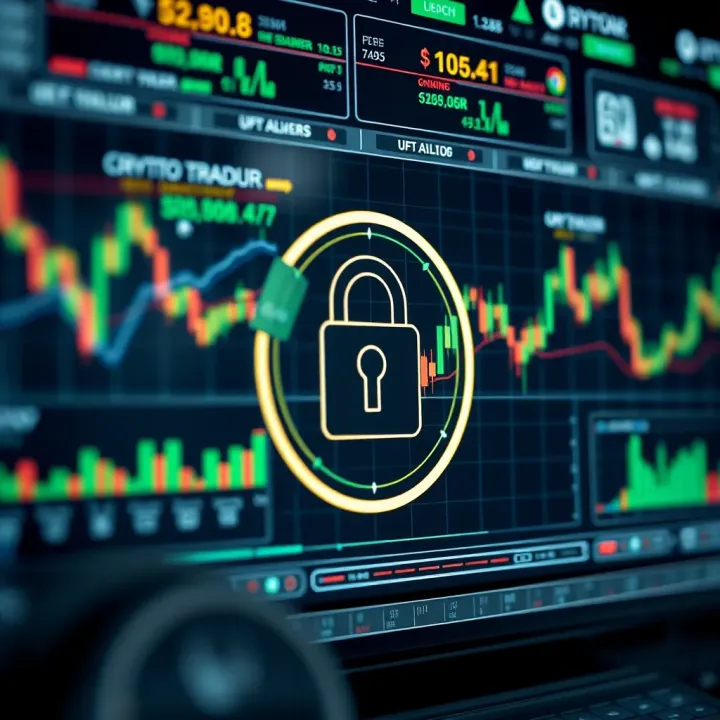
Spot trading involves immediate buying and selling of cryptocurrencies where assets are exchanged on the spot, hence the name. For example, when a trader buys Bitcoin on a spot market, they receive the actual Bitcoin in their wallet instantly or shortly thereafter. This straightforward approach suits most retail investors who want to own the cryptocurrency directly.
Derivatives trading, on the other hand, deals with contracts whose value is derived from the underlying crypto assets. Futures, options, and perpetual swaps allow speculation on price movement without owning the actual cryptocurrency. This appeals mostly to experienced traders looking for leverage or hedging strategies but comes with higher risk and complexity.
Margin trading lets traders borrow funds from the exchange to increase their position size. For instance, using 5x leverage means a trader can control Rs 500,000 worth of Bitcoin by putting down Rs 100,000. This magnifies both gains and losses. Leverage is common on global exchanges like Binance and Bybit, offering potential for higher profits but also raising the risk of liquidation if the market moves against the trader.
While margin trading can accelerate returns, Pakistani users must approach it cautiously due to the volatile nature of cryptocurrency prices and lack of strong consumer protection. It’s advisable to fully understand margin rules and maintain risk management discipline.
Timely and detailed market data is critical for making informed decisions. Global exchanges usually offer real-time candlestick charts, volume analysis, and other technical indicators. For example, TradingView is integrated in many platforms, giving access to drawing tools and overlays familiar to professional traders.
These charts help users spot trends, support/resistance levels, and entry or exit points. Without real-time data, traders risk delays that can lead to missed opportunities or losses, especially in a fast-moving market like crypto.
Modern exchanges provide various order types such as market, limit, stop-limit, and trailing stops. This variety allows traders to automate their strategies and reduce emotional trading. Market orders execute immediately at current prices but might have slippage, while limit orders only execute at designated prices.
Execution speed is equally vital; a slow platform can mean the difference between profit and loss. International exchanges typically use high-frequency trading technology to process orders within milliseconds, catering especially to day traders and scalpers.
Seamless deposits and withdrawals in crypto are basic expectations. Leading global platforms allow transfers of Bitcoin, Ethereum, and many altcoins with transparent fees and processing times. For Pakistani users, quick withdrawal of crypto assets can be important for mitigating risks during periods of regulatory uncertainty.
Few worldwide exchanges support direct deposits in Pakistani Rupees (PKR) because of local banking restrictions and KYC regulations. However, some, like Binance, have introduced workarounds connecting local banks or partner services that enable PKR deposits and withdrawals, improving accessibility for Pakistani traders.
Integrating local payment methods like JazzCash or Easypaisa helps bridge the fiat-to-crypto gap for Pakistani investors. This integration not only simplifies the funding process but also builds trust among users who prefer familiar platforms. While still emerging, services enabling such links are gaining traction, making crypto trading more accessible without needing complex bank transfers or foreign currency accounts.
Choosing an international crypto exchange with robust core features tailored to your needs can make trading safer, faster, and more convenient, especially when local payment options are supported.
Understanding these features equips Pakistani investors and traders to navigate global exchanges confidently, balancing opportunities with risks effectively.
Security and compliance are the backbone of global crypto trading exchanges, especially as cryptocurrency continues to gain ground among investors worldwide. For Pakistani traders and investors, understanding how these platforms protect assets and meet regulatory requirements is essential for safe engagement in the crypto market.
A core security practice in crypto exchanges is the use of cold wallets and hot wallets. Cold wallets are offline storage devices where cryptocurrencies stay disconnected from the internet, reducing risk from hacking attempts. For example, leading exchanges keep as much as 90% of their users’ funds in cold wallets, making them less vulnerable to cyberattacks. On the other hand, hot wallets remain online and facilitate immediate trading and withdrawals but involve more security risks. Users must check if an exchange balances these wallets well to ensure both liquidity and protection.
Another vital security layer is two-factor authentication (2FA) and biometric safeguards. 2FA adds a second step to logging in, like a code sent to your mobile or email. This helps stop unauthorised access, even if someone knows your password. Biometric features like fingerprint or face recognition add further protection and are now common in mobile trading apps. Pakistani users should prefer exchanges that offer these features to secure their accounts against hacking or fraud.
Regulatory environments for crypto exchanges vary widely across countries, creating challenges for platforms operating globally. Some nations have strict licensing and reporting rules, while others remain more relaxed or even hostile towards crypto trading. For Pakistani investors, this means certain global platforms might restrict services or impose additional checks, depending on local regulations and geopolitics.
In Pakistan, regulators have shown caution but are slowly working toward clearer policies. This evolving situation affects how Pakistani users can interact with global exchanges. Restrictions on fiat-to-crypto flows or crypto trading bans at times have forced traders to find workarounds or risk penalties. Staying informed about these rules ensures you comply with the law while protecting your investments.
Lastly, Know Your Customer (KYC) and Anti-Money Laundering (AML) regulations form the backbone of compliance on most reputable exchanges. These standards require users to verify their identity with documents like CNIC or passport before trading or withdrawing funds. This helps prevent fraud, money laundering, and financing of illegal activities. While it can feel inconvenient, KYC and AML checks also protect Pakistani users by making the platform safer and more trustworthy.
Choosing a global crypto exchange with strong security and adherence to international compliance not only protects your assets but ensures peace of mind while trading in a fast-moving market.
Focusing on these security and compliance factors will help you navigate the complex global crypto environment confidently and securely.
Choosing the right crypto exchange is more than just about finding where to shop for digital coins. For Pakistani traders, it's a vital decision that impacts security, ease of transactions, and even the overall trading experience. Local financial regulations, payment options like JazzCash and Easypaisa, and accessibility play direct roles. Picking the wrong platform may lead to losses, delays, or even blocked funds.
Reputation and user reviews matter significantly. In Pakistan, many new users turn to popular global exchanges like Binance or Coinbase without checking their specific experiences from within the country. User feedback reveals how responsive an exchange is to issues, withdrawal processing times, or incidents of fraud. Forums and social media groups in Pakistan often share real stories that any prospective trader should consider before committing funds.
Fee structures and hidden charges require close attention. Some exchanges may advertise low trading fees but impose hefty withdrawal charges or conversion costs, especially when converting PKR to USD or USDT. For instance, an exchange could charge 0.1% trading fees but then add a flat Rs 1,000 withdrawal fee on crypto transfers or conversions. It's best to review the complete pricing policy, including deposit fees if you use local gateways like Easypaisa.
Supported cryptocurrencies relevant to Pakistan market is another key aspect. Many Pakistani traders prefer cryptocurrencies available on local OTC markets or those that can be easily converted into PKR. Bitcoin and Ethereum remain popular, but tokens like USDT, BNB, or Shiba Inu also have growing interest. Ensure the exchange supports deposits, trading, and withdrawals of these coins without complications or excessive charges.
Scams and fake exchanges pose a real threat. Some platforms lure users with promises of guaranteed returns or huge bonuses but vanish once money is deposited. Spot these by cross-verifying with official lists from SECP (Securities and Exchange Commission of Pakistan) or checking well-known crypto communities. Never trust unsolicited messages or offers that sound too good to be true.
Poor customer support experiences can become a massive headache. When trading globally, issues with identity verification, transaction delays, or account freezes aren't uncommon. If an exchange doesn’t offer timely support—say, very slow email responses or no phone/chat option—Pakistani users might find themselves stuck, especially given time zone differences. Opt for platforms known for good service to save frustration.
Dealing with withdrawal restrictions and delays is crucial. Some exchanges cap daily withdrawals or hold funds for an extended period, which affects liquidity for traders. Pakistani users should ask about withdrawal limits in PKR or crypto tokens beforehand. Moreover, checking if the exchange requires additional verification steps during withdrawals can save surprises. Having a clear understanding of these rules prevents inconvenient freezes when the market shifts suddenly.
Selecting an exchange demands both research and caution. Combining local realities with global platform standards protects your crypto investments and trading plans.
By focusing on these practical points, Pakistani traders can confidently pick exchanges that fit their needs while avoiding common traps that new users often face.
Global crypto exchanges are evolving fast, with new trends shaping how traders and investors operate. Keeping an eye on these trends helps users make better choices while staying ahead of market shifts. The upcoming changes mostly focus on technology and regulation, both crucial for a healthy crypto trading environment.
DeFi protocols are turning traditional exchanges upside down by allowing peer-to-peer trading without middlemen. These protocols run on blockchain networks like Ethereum, enabling direct transactions with smart contracts automating the process. For traders, this means lower fees and faster settlements, especially useful for those in Pakistan facing high banking charges and limited banking access.
DeFi integration on global exchanges helps users access complex financial services such as staking, lending, and yield farming directly from their accounts. For example, some platforms offer DeFi pools where you can stake your crypto and earn returns, bypassing banks and brokers. This shift also improves transparency since all transactions are recorded on public blockchains.
Artificial intelligence (AI) is increasingly part of crypto exchanges, helping traders by analysing huge data sets in real time. This assists in spotting price trends, predicting volatility, and optimising order execution. Pakistani traders can benefit from AI-powered tools that offer personalised suggestions and risk alerts, reducing guesswork.
Some exchanges provide AI-based chatbots for customer support and automated trading bots that execute trades following predefined strategies. These features help save time and improve efficiency, especially for freelancers or students who cannot watch the markets all day.
Pakistan’s regulatory stance on cryptocurrencies is gradually evolving. The government and State Bank of Pakistan (SBP) have so far been cautious but are exploring frameworks to regulate crypto trading safely. Upcoming policies may include clearer guidelines on taxation, KYC requirements, and allowed transaction limits.
These changes will impact how exchanges operate locally and how Pakistani traders access global platforms. A regulated environment will encourage more investors to enter the market confidently, reducing risks related to scams and unverified exchanges.
Emerging economies like Pakistan, Bangladesh, and Nigeria are rapidly adopting cryptocurrencies due to limited banking infrastructure and remittance needs. This creates new growth opportunities for global exchanges, which tailor services to these markets by adding local payment gateways and supporting regional languages.
For instance, exchanges integrating mobile wallet options like JazzCash and Easypaisa offer a smoother experience to Pakistani users who rely heavily on mobile transactions. As more people join from emerging markets, exchanges can expect higher trading volumes and increased liquidity, benefiting all users worldwide.
Staying updated on technological and regulatory trends is essential for anyone involved in crypto trading today. These shifts directly impact how you trade, the tools you use, and the security of your investments.
Explore top crypto trading indicators 📊, learn how they work, their pros & cons, and smart combos to navigate Pakistan's volatile crypto market confidently 🚀.
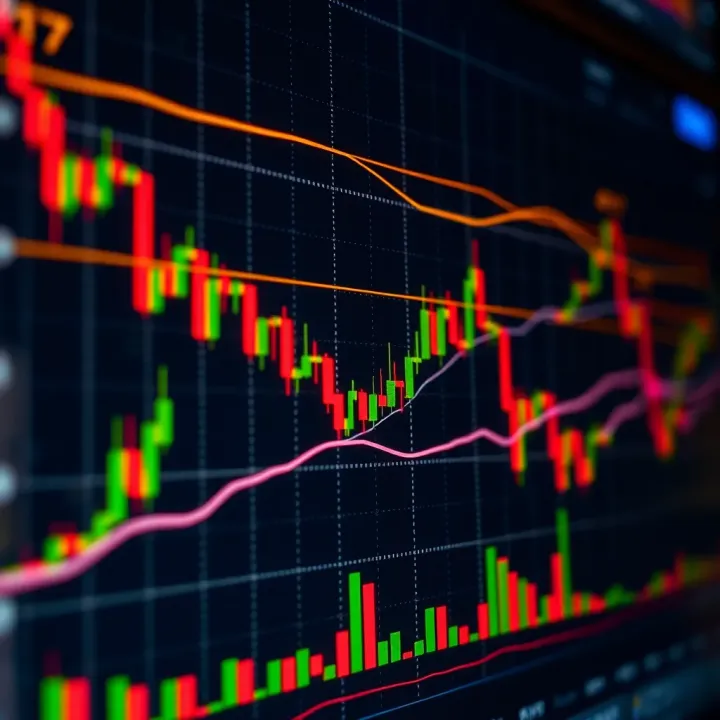
📊 Learn how to choose the best crypto trading indicators, combine tools, and adapt strategies for Pakistan’s fast-moving market to boost your trade timing and decisions.
Find the best crypto trading platform in Pakistan 🇵🇰 with expert tips on security, fees, regulations, and popular options to trade confidently today! 💰
Explore top crypto trading platforms for Pakistani users 🇵🇰! Learn how to pick secure, legal options that match your trading style and needs 💰🔒
Based on 12 reviews