

Understanding Binary Quotes for Smarter Trading
🔍 Learn about binary quotes in trading, from bid/ask prices to market factors. Get practical tips to make smarter binary options decisions in Pakistan.
Edited By
Charlotte Edwards
Binary trading has gained attention in Pakistan as a quick, accessible way for individuals to participate in financial markets. However, many still misunderstand what binary traders do and how their trading works. This section breaks down the basics, explaining who binary traders are and what makes their activity different from traditional investing.

Binary traders speculate on the price movement of assets such as currencies, stocks, commodities, or indices within a short timeframe. Unlike conventional investors, their focus is on whether the price will go up or down by a specific expiration time, rather than owning the underlying asset.
For example, a trader might predict that the price of the US Dollar against the Pakistani Rupee (USD/PKR) will rise within 30 minutes. If correct, they earn a fixed return; if wrong, they lose the investment amount. This all-or-nothing approach simplifies decision-making but also increases risk.
Binary trading platforms offer contracts based on yes/no questions about the asset’s price movement. The trader chooses the direction (call for price up, put for price down) and the expiry time. Returns are predetermined, usually around 70-90% on correct predictions.
Key features include:
Fixed Payout and Risk: You know the max profit or loss before entering the trade.
Short-Term Timelines: Trades can last from as little as 60 seconds to a few hours.
Simple Interface: No complex charts or order types; just a clear binary choice.
Imagine the Karachi Stock Exchange (KSE-100) index. A binary trader might buy a "call" option anticipating the index will close higher in the next 15 minutes. If the index finishes even slightly above the current price, they receive their payout. If not, their invested money for that trade is lost.
"Binary trading caters to those who prefer quick decisions with fixed risks, but it’s essential to understand that it's closer to betting than traditional investing."
Understanding these basics helps traders approach binary options more cautiously, recognising that gains can be quick but so can losses. This knowledge sets the stage for grasping the practical strategies, risks, and regulatory frameworks discussed later.
Starting with binary trading helps readers understand a relatively straightforward yet risky financial instrument. For anyone curious about venturing into financial markets, especially in Pakistan where regulation is still evolving, grasping what binary options entail is vital. This section lays the foundation, explaining the mechanics and identifying who participates, giving practical context for the rest of the article.
Binary options are contracts that offer a fixed payout based on a yes/no proposition – whether an asset’s price will be above or below a certain level at a specific expiry time. For example, a trader might predict if the price of Pakistan Stock Exchange’s KSE-100 index will rise above 45,000 points by tomorrow 3 pm. If the prediction holds true, the trader earns a predetermined profit; if not, the entire investment is lost.
This all-or-nothing structure means traders know their potential gains and losses upfront. It simplifies risk management compared to traditional trading but also demands precise timing and decision-making. In practice, binary options are used for short-term speculation on stocks, currencies, commodities, or indices.
The basic principle of binary trading involves forecasting the price direction within a set timeframe. Traders do not own the underlying asset; instead, they bet on price movements. This makes binary options accessible for retail investors who lack capital for large trades but want exposure to financial markets.
Traders must also pay keen attention to expiry times and payout ratios, which differ by platform. For instance, an option might offer 80% return if correct, meaning a Rs 10,000 investment yields Rs 18,000 including the initial stake. However, incorrect predictions result in full loss of the investment.
Typical binary traders include young professionals, students, and part-time market participants seeking quick profits without lengthy commitments. Many are drawn from urban centres like Karachi and Lahore, where exposure to digital trading platforms has increased. Unlike conventional stock investors, binary traders often prefer short-term trades ranging from minutes to hours.
Motivations vary but commonly revolve around the simplicity and speed of potential profits. Some use binary options to supplement income or test market movement predictions without large capital. However, others are lured by marketing promises of easy riches, which can lead to unrealistic expectations.
Objectives can range from cautious experimentation to aggressive speculation. A beginner might start with Rs 500 per trade to minimise risk, while experienced traders might use technical analysis to decide entry points. Still, the high risk of total loss means traders should approach this method cautiously and with clear strategies.
Understanding the basics of binary options and the typical trader profile helps manage expectations and prepares new entrants for the realities of this form of trading.
By getting familiar with who engages in binary trading and how it functions, readers can better evaluate whether this financial activity suits their goals and risk appetite.
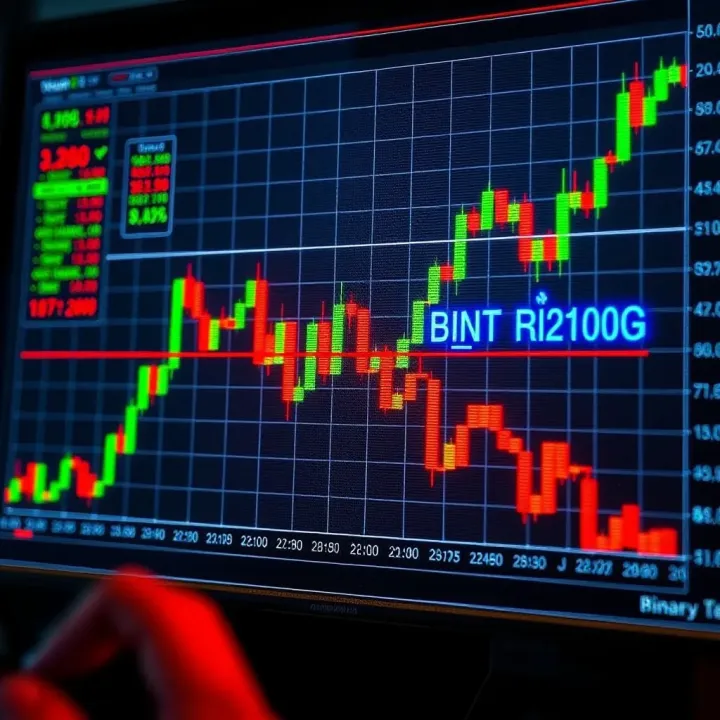
Binary trading demands more than just guesswork; traders use specific strategies to improve their chances of success. Understanding these common approaches is key before entering the market, especially given the fixed risk and short timeframes involved.
Trend following and momentum strategies are among the most widely used by binary traders. This approach involves analysing price movements to identify whether an asset is moving upward or downward and then placing trades that align with this direction. For example, if a stock listed on the Pakistan Stock Exchange shows a consistent upward trend throughout the day, a binary trader may predict that this movement will continue until the option expiry time. Traders rely on price charts and simple indicators like moving averages to confirm the trend. Momentum strategies capitalise on strong price moves that tend to persist for short periods, which fits well with the binary options’ expiry cycle that can be as short as minutes or a few hours.
Besides trends, fundamental and technical analysis also plays a role in binary trading decisions. Technical analysis focuses on reading charts and patterns—such as support and resistance levels or candlestick formations—to forecast immediate price movements. For instance, if the technical indicators on a currency pair like USD/PKR suggest a resistance level being tested multiple times, a trader might bet that the price will either break out or bounce back. On the other hand, fundamental analysis looks at economic news and events, like Pakistan’s SBP monetary policy announcements or changes in crude oil prices, which could drive market volatility and thus influence the asset price direction. Combining both analyses helps traders make better-informed predictions, though the emphasis usually leans towards technical analysis due to the fast expiry times in binary trading.
A critical part of binary trading is setting limits and controlling losses. Unlike regular stock trading, where losses can be cut by selling at any time, binary options lock you into the trade until expiry. Therefore, setting a strict budget for daily or weekly losses prevents wiping out your account quickly. For example, many successful traders decide to risk only 2–5% of their trading capital on any single trade. If losses mount beyond this threshold, they pause trading to reassess the market rather than chasing losses recklessly. This discipline protects against the steep risks associated with binary options.
Understanding payout structures and expiry times is equally important. Binary options offer fixed payouts, typically ranging from 60% to 90% of the invested amount if the trade wins. However, expiry times can vary widely—from 60 seconds to several hours or days. Choosing the right expiry time depends on the trading strategy and market conditions. A trader relying on momentum might prefer shorter expiry times to catch quick price moves, while longer expiries may suit those basing decisions on fundamental events. Knowing the potential payout and expiry mechanics helps traders plan trades carefully, weighing potential profits against the risk of losing the full investment.
Managing risks in binary trading is not just about strategies but also recognising when to stop and how much to risk per trade. Without this, even the best approaches can lead to rapid losses.
By combining these trading techniques with cautious risk management, binary traders can operate more confidently in volatile markets. While binary options carry inherent risks, applying structured strategies offers a better chance of turning market movements into profits.
Understanding the legal and regulatory framework around binary trading is essential for anyone interested in Pakistan’s financial markets. Without clear rules, traders risk falling prey to scams or illegal activities. Knowing how Pakistan handles binary options trading helps investors protect their money and make informed decisions.
Binary options trading is generally not recognised as a legitimate financial activity by Pakistani authorities. The Securities and Exchange Commission of Pakistan (SECP), which regulates capital markets and investment-related activities, has not licensed any company offering binary options services locally. In fact, binary trading platforms are often classified as high-risk or outright prohibited because of their speculative and gambling-like nature.
This means Pakistanis using foreign binary trading platforms do so at their own risk. There is no formal protection or regulation specifically covering these trades. Many investors confuse binary trading with regulated investment products like shares or forex, but the government urges caution, as losses are common and legal recourse can be limited.
SECP supervises Pakistan’s corporate sector and capital markets to ensure transparency and investor protection. Its role includes licensing companies and monitoring compliance with securities laws. However, SECP's authority currently does not extend to the regulation of binary options trading, especially platforms operating from overseas.
Despite this, SECP occasionally issues warnings to the public about the risks associated with unregulated binary trading platforms. It advises investors to verify platform legitimacy and avoid unregistered entities. SECP’s vigilance in securities matters helps shield Pakistani investors from dubious schemes common in unregulated binary trading markets.
Many unregulated binary trading platforms operate without proper oversight and are notorious for scams. Users have reported manipulated prices, delayed withdrawals, and fake bonuses designed to trap funds. In Pakistan, several cases emerged where traders lost significant sums to fraudulent brokers who vanished overnight or refused payouts.
These scams often use aggressive marketing, promising quick profits with minimal effort. Yet, the reality is a high chance of losing capital, often exacerbated by poor platform transparency and unclear terms. Traders must remain cautious and sceptical of offers that sound too good to be true.
Before signing up with any binary trading platform, Pakistani traders should check for regulatory licences from respected authorities like the UK's Financial Conduct Authority (FCA) or Australia’s ASIC. While these do not guarantee success, they ensure some level of oversight and dispute resolution.
Additionally, verifying user reviews and seeking recommendations from recognised financial communities helps weed out unreliable platforms. Remember, a legitimate platform will be transparent about fees, payout structures, and risks. Never share your CNIC or banking details without verifying the platform’s credibility.
Always approach binary trading platforms cautiously in Pakistan, given the limited regulation and risk of fraud. Conduct due diligence before investing real money.
This legal and regulatory awareness equips traders to navigate Pakistan’s financial landscape more safely, avoiding pitfalls while understanding the boundaries of local laws.
Binary trading offers some distinct advantages, especially for those new to financial markets. However, these come with significant risks that traders must understand before investing.
Simplicity and fixed risk make binary options attractive for many. Traders only decide whether the price of an asset will go up or down within a given time. This straightforward ‘yes or no’ approach eliminates the complications of managing positions like in traditional trading. The key benefit is the fixed risk—traders know in advance how much they can lose (the investment amount) and how much they might gain (a fixed payout). For instance, if you invest Rs 5,000 in a binary option with an 80% payout and your trade succeeds, you earn Rs 4,000 profit. If not, you lose your initial Rs 5,000 but nothing more.
This fixed risk aspect helps traders control losses without surprises. It’s different from leveraged trading, where losses can exceed the initial investment. That said, fixed risk also caps the potential rewards, which traders should keep in mind.
Accessibility for retail investors has expanded with online platforms, making binary trading a low-barrier entry point. Unlike stock markets that might require larger capital or extensive paperwork, binary trading platforms allow you to start with small amounts like Rs 1000 or even less. This appeals to individuals who want to try their hand in financial markets without large upfront commitment.
Plus, the quick expiry times – sometimes just 60 seconds to a few hours – offer instant feedback. If you're juggling a day job or freelancing gigs, binary trading suits short, focused bursts without long-term entanglement. However, easy access also means beginners may enter without proper knowledge, increasing risk.
The high risk of loss and low odds is the flip side. Even though losses are capped, the chances of winning are often less than 50%, especially after counting platform fees or spreads. Many traders find themselves losing more trades than winning, gradually eroding their capital. For example, if a trader wins 45 out of 100 trades with average payout of 75%, they still face a net loss over time.
Binary trading is often compared to a gamble because it depends heavily on predicting short-term market movements, which can be random and volatile. This unpredictability leads many novices to losing streaks that chips away at their funds.
Misleading marketing and unrealistic expectations pose substantial risks for newcomers. Some platforms promote binary trading as a fast way to get rich, showing flashy testimonials and exaggerated returns. This marketing often overlooks the reality that sustained profits require skill, discipline, and understanding of markets.
Beginners might get lured by promises of easy money, jumping in without learning basic strategies or risk management. This leads to emotional decisions and rapid losses. It's crucial for traders to approach these claims with scepticism and focus on education first.
Binary trading offers a simple structure and quick opportunities, but it comes with heavy risks and requires careful judgement to avoid pitfalls.
Traders should look beyond the surface benefits and understand the real challenges involved before committing any funds. This balance between advantages and risks is key to responsible trading.
Practical guidance plays a vital role for those interested in binary trading. Without clear steps and a solid foundation, traders can easily fall into costly mistakes or even scams. Understanding the basics of how to start, choose the right platform, and maintain discipline not only improves chances of success but also prevents unnecessary financial loss.
Picking a trustworthy trading platform is your first priority. In Pakistan, many platforms claim to offer binary options but lack proper regulation or authentication. Look for platforms that are either approved by the Securities and Exchange Commission of Pakistan (SECP) or internationally recognised bodies. Reliable platforms usually provide clear terms of service, transparent payout structures, and customer support. Avoid websites that promise unrealistic profits or pressure you into quick decisions.
Opening a trading account is straightforward but requires care. Typically, you start by registering with your name, valid CNIC, and contact details. Some platforms may ask for income proof or source of funds to comply with anti-money laundering regulations. Once your identity is verified, you deposit funds through secure banking methods like bank transfer or popular e-wallets such as JazzCash or Easypaisa. Managing your account involves regularly checking trades, understanding your balance versus exposure, and withdrawing profits responsibly. Always keep your login credentials confidential and monitor your account for any suspicious activity.
Jumping into binary trading unprepared is a recipe for loss. Investing time in understanding how markets move, how expiry times affect outcomes, and how risks are calculated builds a strong foundation. Use demo accounts offered by many platforms to practise without risking real money. Pakistani traders should also keep an eye on global economic news because events like changes in oil prices or political developments often shift market trends sharply.
Binary trading is not a get-rich-quick scheme—it demands discipline and sound goal-setting. Set small, achievable targets for profits and stick to limits on how much you’re willing to risk in a day. Avoid chasing losses or excessive trades that can quickly deplete your capital. Maintaining a trading journal can help track what strategies work and which don't. Remember, consistent small gains tend to build wealth better than gambling for big wins.
Responsible trading starts with the right education and platform choice. This keeps your investment safe and your expectations aligned with real market conditions.
In sum, practical guidance helps aspiring binary traders build a cautious approach that balances opportunity and risk. Choosing reliable platforms, managing accounts properly, continuous learning, and disciplined trading are all key for long-term involvement in the financial markets.
🔍 Learn about binary quotes in trading, from bid/ask prices to market factors. Get practical tips to make smarter binary options decisions in Pakistan.
Master binary number subtraction 🔢 with clear explanations on borrowing and methods. Compare it with decimal subtraction for digital computing 📊 insights.

Explore binary multiplication concepts and methods 🧮, learn practical steps and challenges, and see how it powers computing systems ⚙️ in Pakistan and beyond.

Explore binary fission 🌱—a simple asexual reproduction method in single-celled organisms. Learn its steps, role, and common myths in biology.
Based on 7 reviews