
Binary Multiplication Basics and Techniques
Explore binary multiplication concepts and methods 🧮, learn practical steps and challenges, and see how it powers computing systems ⚙️ in Pakistan and beyond.
Edited By
Emily Clarke
The Aftab currency exchange rate reflects how much one unit of Aftab is worth compared to other currencies like the US dollar or euro. These rates aren't just numbers pulled out of thin air—they're shaped by actual market activity, supply and demand, economic indicators, and geopolitical shifts.
Understanding what moves the Aftab exchange rate gives you an edge, whether you're trading, investing, or managing international contracts. Here’s the core stuff to watch:
Economic Data: Reports like GDP growth, inflation rates, and employment figures from the Aftab's home country affect traders' confidence and the currency’s demand.
Interest Rates: When Aftab's central bank raises rates, it often attracts foreign investment seeking better returns, pushing its value up.
Political Stability: Sudden political changes or unrest can spook markets, leading to sharp swings in Aftab’s exchange rate.
Global Market Trends: Shifts in commodity prices, especially if Aftab's economy depends on exports like oil or goods, spill over into its currency value.
Being in the know means keeping tabs on live rates through reputable financial platforms or apps. Most traders and freelancers working across borders use these rates to anticipate when to convert money for the best value.
Always remember: Exchange rates can fluctuate quickly during market hours, especially around global financial announcements.
Trade or convert on days with expected economic stability to avoid volatile swings.
Use limit orders if trading currency pairs involving Aftab to lock in favorable rates.
For businesses, hedging strategies like forward contracts can protect against unexpected currency dips.
In short, the Aftab exchange rate doesn't just tell you its current value; it signals the pulse of economic health and market sentiment. Paying attention to these factors helps you make smarter currency decisions, whether for investment or everyday transactions.
Understanding how Aftab currency exchange rates are set is key for anyone dealing with this currency. Exchange rates aren't random; they reflect the balance of economic forces, policy decisions, and market behavior. Grasping these elements helps traders, investors, and businesses make smarter financial moves.
Supply and demand dynamics drive the basic ebb and flow of the Aftab’s value. When demand for Aftab increases—say, due to rising exports or foreign investment—the exchange rate tends to rise. Conversely, if demand falls, the currency weakens. For example, if a US company suddenly needs to pay its suppliers in Aftab, this spike in demand could push the exchange rate up, making the Aftab more expensive relative to the dollar.
Inflation and interest rates impact the currency’s strength by affecting purchasing power and investment attractiveness. Higher inflation in Aftab’s economy usually means its currency loses value because its goods get pricier compared to other countries. Meanwhile, higher interest rates can attract overseas investors seeking better returns, boosting demand for the Aftab and pushing its exchange rate higher. Imagine the Federal Reserve raising rates, leading investors to shift funds into countries with stable or rising rates, including those using Aftab.
Government monetary policies play an active role in managing the Aftab’s exchange rate. Central banks might intervene by buying or selling currency to prevent unwanted swings or to meet economic goals. Policies that focus on controlling inflation, unemployment, or growth can influence traders’ confidence. For instance, if the Aftab’s central bank tightens monetary policy to battle inflation, it can strengthen the currency by signaling economic stability to the market.
Currency traders’ influence can't be understated. Traders buy and sell currencies rapidly to profit from short-term movements, adding liquidity but also volatility. A sudden rush by speculators betting against the Aftab might cause temporary drops in its value, while coordinated buying can push rates up quickly. Their actions can set a tone that reverberates through markets, often beyond basic economic data.
Central bank interventions are deliberate moves to stabilize or steer exchange rates. For the Aftab, the central bank may step in to prevent excessive depreciation that could hurt imports or inflation. For instance, if a political shock causes the Aftab to plunge, the central bank might use its reserves to buy Aftab in large volumes, calming the market and slowing depreciation.
Effects of geopolitical events often ripple through exchange rates dramatically. Events like elections, conflicts, or trade disputes can reduce confidence in the Aftab’s stability, causing sharp swings. Think about a sudden trade embargo impacting the Aftab’s exporting industries; investors might quickly pull out money, weakening the currency. Staying aware of these risks helps traders and businesses prepare for sudden moves.
Exchange rates, including the Aftab's, are shaped by tangible economic realities and active market actions. Knowing who drives these changes and why gives you an edge in navigating the currency landscape.
Tracking the Aftab currency exchange rate plays a key role for anyone dealing with it, from traders to freelancers who get paid internationally. Knowing where to find reliable rate info and understanding the details can directly impact your bottom line. If you’re planning a deal or budgeting for travel, real-time updates help you avoid surprises.
Official financial institutions like central banks and national financial authorities are the most trusted sources for Aftab exchange rates. For example, the Aftab Central Bank releases daily reference rates reflecting actual transaction volumes. Using these official rates gives you a solid baseline, especially in markets prone to ups and downs. Plus, they tend to be transparent and regulated, so you’re not chasing after guesswork.
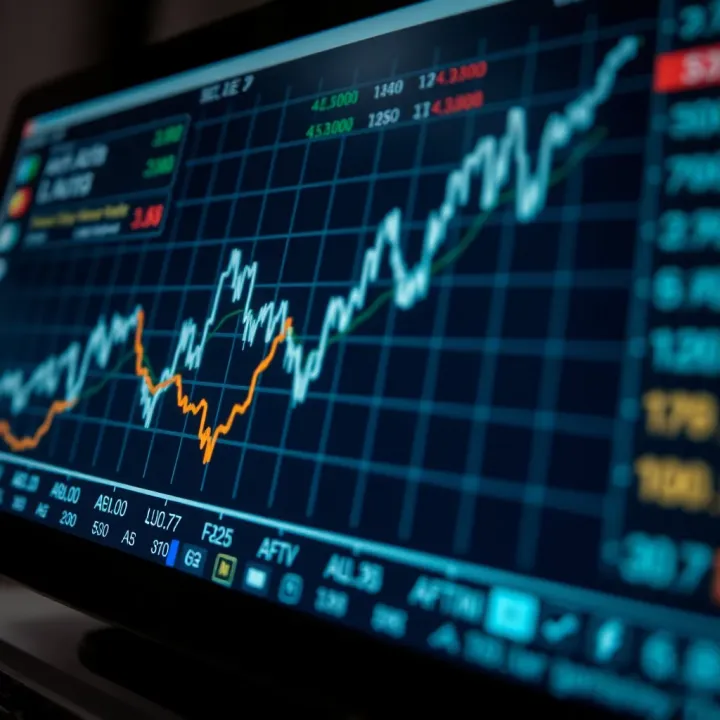
Besides official bodies, several well-established online platforms and smartphone apps provide quick access to current Aftab exchange rates. Apps like XE Currency and financial websites like Bloomberg or Reuters offer live data feeds with easy-to-digest charts, making it straightforward to spot timely trends. They often aggregate data from multiple sources, which can give more rounded info than any single provider.
However, be cautious with informal sources such as consumer forums or unverified social media posts. Rates posted on these aren’t always accurate or updated, and relying on them might lead you to unfavorable exchanges. It’s like getting a weather report from an amateur—it might be right, but the risk of error is high.
The bid price is what buyers are willing to pay for Aftab currency, while the ask price is what sellers want. These two prices form a spread – the gap between buying and selling rates. Let’s say the bid is $1.00 and the ask is $1.05; you’ll pay $1.05 to buy but only get $1.00 if you sell, reflecting transaction costs.
This spread affects your exchange costs directly. Wide spreads mean you lose more when converting money, especially for smaller transactions. For instance, a freelancer cashing out $500 might lose more to a wide spread than someone exchanging thousands. That’s why it’s worth shopping around among sources to find tight spreads.
The mid-market rate sits between bid and ask and represents the fairest value based on current supply and demand. Financial news often cites the mid-market rate as a transparent benchmark. While you won’t transact exactly at this rate, understanding it helps you spot when rates are particularly unfavorable or if fees are being padded on top.
Remember, the mid-market rate is your reference point, but sellers and buyers usually trade around bid and ask prices, which include profit margins and fees.
In sum, keeping tabs on reliable sources and grasping these pricing concepts will help you make smarter decisions with Aftab currency exchanges, cutting unnecessary costs and timing transactions effectively.
Understanding the forces behind the ups and downs of Aftab exchange rates helps traders, investors, and businesses navigate the market more wisely. These fluctuations often stem from a mix of short-term events and broader economic trends. Recognizing these factors can guide you in timing transactions, managing risks, and making better financial decisions.
Political instability effects play a big role in shaking up exchange rates. When political situations worsen—like sudden government changes, protests, or policy uncertainties—the Aftab currency can lose value quickly. For example, if a major election causes uncertainty about fiscal policies, investors might pull out capital, driving the currency down. Traders must keep a close eye on political news as these events can trigger swift market moves that last days or weeks.
Speculative market movements also stir short-term volatility. Currency traders aiming to profit from small fluctuations can push exchange rates beyond fundamental values. Say a rumor about a central bank raising interest rates spreads; speculators might rush to buy Aftab currency, driving demand and rates up. While profitable for some, these speculative spills can cause wild swings that make planning tough for businesses dealing with international payments.
Economic data releases provide scheduled spikes in volatility. Reports on GDP growth, unemployment rates, or inflation immediately affect trader expectations. A better-than-expected job report in the Aftab’s country might strengthen the currency as investors forecast tighter monetary policy. On the flip side, weak data can spark sell-offs. Staying updated on economic calendars lets you brace for these predictable yet impactful moves.
The trade balance influences Aftab exchange rates over months or years. A trade surplus—exporting more than importing—means consistent demand for Aftab currency from foreign buyers. For instance, if the country’s tech exports surge, it boosts currency demand, supporting its value. Conversely, a trade deficit often puts downward pressure on the currency since more Aftabs flow out to pay for imports.
Foreign direct investment (FDI) flows are another key driver. High FDI signals confidence in the economy, attracting long-term capital that strengthens the currency. Take a new manufacturing plant built by a US company; the investment requires converting dollars into Aftabs, lifting its demand. Drops in FDI, due to political concerns or regulations, often lead to weaker currency as investment slows or reverses.
Economic growth and stability underpin Aftab’s long-term trajectory. Strong GDP growth combined with low inflation and political calm creates a favorable environment for the currency. Investors tend to park funds in stable countries where returns are predictable. By contrast, economic downturns or persistent instability discourage investment, dragging down the currency’s appeal.
Bottom line: Understanding these short-term jolts and long-term shifts provides you the tools to anticipate swings in Aftab exchange rates and act smartly, whether you’re trading, investing, or managing currency exposure in business.
Understanding how to handle Aftab currency exchange can save both businesses and travelers plenty of headaches and money. Dealing with a currency that fluctuates requires some savvy planning and smart moves. This section covers practical tips to help you minimize risks and plan effectively when working with the Aftab currency.
Timing is everything when it comes to exchanging Aftab currency. Rates can swing day-to-day based on economic news, political events, or market moods. For instance, a business importing goods might wait for a favorable dip in the exchange rate before making large conversions. Travelers, on the other hand, can monitor rates ahead of a trip and exchange money when rates are more favorable, rather than scrambling last minute at airports where rates tend to be worse.
Forward contracts lock in an exchange rate for a future date, protecting businesses from surprise swings in the Aftab currency. For example, if a company knows it will pay a supplier in six months, it can secure today's rate to avoid paying more later if the Aftab strengthens. Currency options offer similar protection but with the flexibility to benefit if rates move favorably. These tools are especially useful for companies with predictable foreign currency exposure.
Many currency exchanges, especially at airports or tourist hotspots, charge steep fees or offer poor rates. Both businesses and travelers should shop around—for example, using bank transfers with lower fees or online platforms like Wise or Revolut can save hundreds of dollars. Understanding the difference between the mid-market rate and the offered rate helps spot hidden costs. It's wise to ask upfront about all fees rather than getting surprised later.
Fluctuations in the Aftab currency can impact your costs significantly. For businesses, it's smart to factor in a buffer for exchange rate changes in budgets or pricing strategies. Say a U.S. company expects to pay 1 million Aftabs next quarter; including a 5% cushion for unfavorable rate shifts can prevent nasty surprises in financial statements.
Currency rates don’t just change on a whim; they react to news and events. Using monitoring tools and alerts helps businesses and travelers stay on top of movements. Platforms like XE, Bloomberg, or specialized apps provide real-time updates and notifications for specified thresholds. This way, you can act quickly when the Aftab exchange rate hits a preferred level.
Each country has rules about currency exchange, transferring money, or holding foreign currencies. For example, some may limit the amount of Aftab currency you can bring in or require certain paperwork for international transfers. Ignoring these rules can lead to penalties or seized funds. Checking local regulations ahead of transactions or travel is a must, whether through official financial institutions or trusted advisors.
Bottom line: Practical planning and the right tools are your best defense against the unpredictability of the Aftab currency exchange rate. Whether a business or traveler, staying informed and proactive makes all the difference.
Understanding exchange rate trends and forecasts is essential for anyone dealing with Aftab currency, whether you’re trading, investing, or managing budgets for international projects. These insights help anticipate possible moves in the currency market, allowing smarter timing for currency exchanges and risk management. Rather than guessing, you base your decisions on observed patterns and informed projections.
Studying past exchange rate movements often reveals repeating cycles or trends under similar conditions. For example, the Aftab might show a recurring depreciation ahead of certain fiscal reports or political events. Recognizing such cycles allows businesses and traders to predict short-term swings more accurately—and plan accordingly.
Significant events, such as an unexpected interest rate hike by the Federal Reserve or a major trade agreement announcement, leave clear marks on the exchange rate history. For example, if the U.S. tightened monetary policy rapidly, the Aftab might weaken against the dollar. By analyzing how rates reacted historically to similar events, you gain perspective on potential market responses to future occurrences.
Historical exchange data isn’t just academic; it guides practical decisions. A freelancer paid in Aftab might delay invoicing until the rate improves, based on a historical pattern of gains during certain months. Likewise, importers can hedge currency exposure by studying past fluctuations. Solid data helps you set realistic expectations rather than relying on gut feeling alone.
Predicting forex solely from statistics falls short when geopolitical instability strikes. Sudden conflicts, sanctions, or political upheavals often send shockwaves through exchange rates. For example, a surprise announcement disrupting trade relations can drop Aftab’s value abruptly, defying all previous forecasts.
Sentiment among traders—shaped by news, rumors, or global moods—can drive exchange rates in unpredictable ways. Even positive economic data might fail to strengthen the Aftab if investors feel uncertain. This emotional element means forecasts can’t always pin down short-term swings.
Because forecasting isn’t foolproof, relying on a single method is risky. A well-rounded approach combines historical data, economic indicators, and awareness of geopolitical shifts. Diversifying strategies—like mixing spot trades, options, and forward contracts—helps manage risk effectively when the market doesn’t behave as expected.
Bottom line: Forecasts are a valuable tool but not a crystal ball. Keeping flexible and informed offers the best chance for success with Aftab currency dealings.
Explore binary multiplication concepts and methods 🧮, learn practical steps and challenges, and see how it powers computing systems ⚙️ in Pakistan and beyond.

Explore binary fission 🌱—a simple asexual reproduction method in single-celled organisms. Learn its steps, role, and common myths in biology.
Master binary number subtraction 🔢 with clear explanations on borrowing and methods. Compare it with decimal subtraction for digital computing 📊 insights.
🔢 Learn binary division step-by-step with practical examples. Understand how it works, compare with decimal, and see its use in computing systems.
Based on 15 reviews