

How Risk Management Boosts Business Success
Discover how smart risk management enhances decision-making, boosts financial stability, and drives growth in businesses and beyond 🛡️📊🌍.
Edited By
James Thornton
Strategic risk management focuses on recognising and handling risks that could derail an organisation's long-term objectives. Unlike operational risks dealt with day-to-day, these risks appear on a broader scale and can threaten the core direction of a business.
For Pakistani businesses, such risks include economic instability, regulatory changes, currency volatility, and regional security concerns. For example, a textile exporter might face strategic risk through sudden shifts in international trade policies or fluctuating dollar exchange rates, impacting export earnings significantly.

Organisations that integrate risk management into their overall strategy are better positioned to weather these uncertainties. This means embedding risk considerations into planning, decision-making, and resource allocation processes. Leadership plays a key role here, ensuring everyone understands strategic risks and responds appropriately.
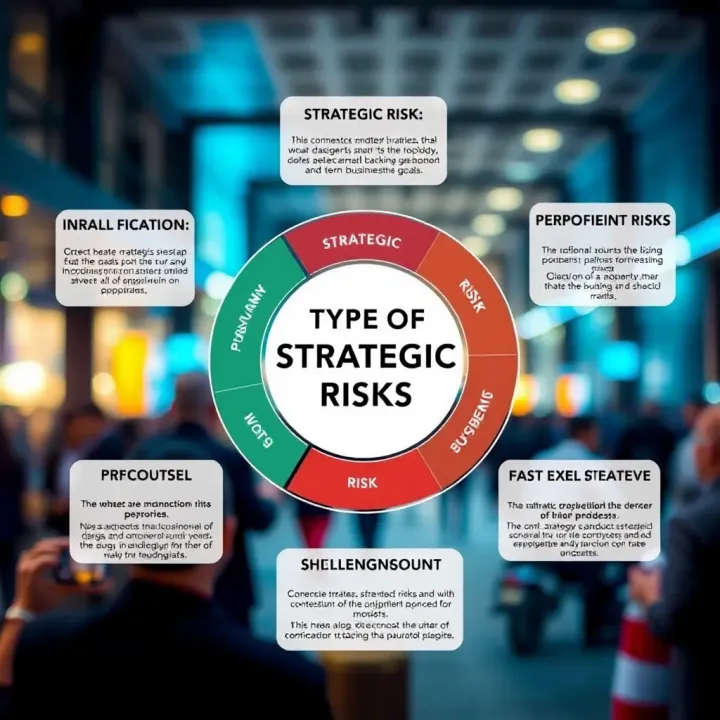
Major types of strategic risks include:
Market risks: Changes in customer preferences or entry of new competitors
Financial risks: Interest rate hikes, inflation impacting costs
Compliance risks: New government regulations or tax laws
Technological risks: Failure to adapt to digital transformation
Geopolitical risks: Political unrest or policy shifts affecting operations
Successful strategic risk management requires seeing risk not just as a threat but an opportunity to build resilience and competitive advantage.
To manage these risks, companies typically:
Identify potential threats relevant to their sector and market
Analyse risk likelihood and impact on business goals
Develop mitigation plans including alternative strategies
Monitor ongoing risks and adapt plans as situations evolve
Leveraging technology is becoming essential. Tools like data analytics and real-time monitoring help Pakistani firms predict trends and spot warning signs early. Companies using platforms similar to Daraz or tracking forex trends via State Bank of Pakistan data gain a vital edge.
In summary, strategic risk management is a continuous, dynamic discipline. Pakistani businesses that actively embed it into their strategies improve their chances of sustaining growth despite an unpredictable environment.
Strategic risk management is about identifying and managing risks that might derail a company's main objectives over the long run. For traders, investors, and financial analysts, understanding these risks helps in making better decisions and safeguarding capital. In Pakistani businesses, where economic and political challenges often surface unexpectedly, a proper grasp of strategic risk management is crucial to sustain growth and competitiveness.
Strategic risks affect the entire direction and goals of an organisation, whereas operational risks relate to daily activities and processes. For example, a manufacturing firm in Lahore may face operational risks like machinery breakdowns. However, if the government suddenly imposes heavy tariffs on raw materials, this shift impacts the company's strategic position, pushing costs up and forcing a business model review. Understanding this distinction ensures that risk responses address the right level, preventing confusion and wasted resources.
Ignoring strategic risks can lead to missed opportunities or catastrophic failures. Take the telecom sector in Pakistan, where rapid technological changes demand constant adaptation. Firms that stay alert to strategic risks like new regulations or emerging competitors can adjust their strategies sooner, protecting market share and profitability. Managing such risks also reassures investors and stakeholders, improving confidence and access to capital.
Pakistan's economy frequently experiences currency devaluations, inflation spikes, and shifts in taxation, all of which can disrupt business planning. Political unrest or sudden policy changes further add uncertainty. For example, a sudden increase in the State Bank of Pakistan's policy rate affects borrowing costs for businesses, impacting expansion plans. Companies with strong risk management processes can anticipate these shifts and adjust budgets or hedge currency risks accordingly.
Frequent amendments in tax laws, export-import policies, and environmental regulations pose constant strategic challenges. For instance, changes in the Federal Board of Revenue's tax rules may affect pricing strategies for exporters. Similarly, compliance with Pakistan Telecommunication Authority's licensing requirements demands vigilance. Failure to keep up with such changes can result in fines or business interruptions, making proactive risk monitoring essential.
The competitive landscape in Pakistan is evolving fast, especially with digital platforms like Daraz and Careem transforming traditional markets. A retail chain ignoring e-commerce trends risks losing customers to online rivals. Technological disruptions also influence strategic choices, such as investing in automation or data analytics to enhance decision-making. Companies that recognise and prepare for these shifts maintain relevance and avoid being blindsided.
Understanding strategic risk is not just about avoiding threats but also about spotting new opportunities early. This mindset helps businesses in Pakistan navigate uncertain waters with greater confidence.
Integrating risk management with business strategy is key to building resilient organisations that can withstand uncertainty and achieve long-term goals. When risk management becomes part of strategic planning, companies can anticipate challenges, allocate resources effectively, and avoid costly surprises. Pakistani businesses, facing economic volatility and regulatory shifts, benefit greatly from this approach by aligning risk controls with their unique objectives.
Before embedding risk management, organisations must understand their core objectives and how much risk they are willing to take. Risk appetite defines the level and type of risk a company can accept while pursuing its goals. For example, a textile exporter in Faisalabad might accept currency fluctuation risks but avoid compliance risks due to potential penalties. Clear assessment helps prevent misalignment between risk tolerance and actual business practices.
Incorporating risk means evaluating potential threats and opportunities during strategy formulation. Rather than treating risk as an afterthought, decision-makers consider how each initiative might be impacted by factors such as market shifts or policy changes. For instance, a tech startup in Karachi planning expansion must factor in the risks posed by cybersecurity threats and regulatory compliance upfront. This approach leads to more robust, adaptable strategies.
Effective risk management requires open communication across departments. When sales, finance, operations, and legal teams share insights on risks, organisations can spot blind spots early. A bank, for example, might find it challenging to assess credit risks without collaboration between branch offices and the risk department. Regular cross-functional meetings and shared reporting tools can foster a risk-aware culture, reducing surprises and improving response times.
SWOT (Strengths, Weaknesses, Opportunities, Threats) analysis helps companies identify key internal and external factors affecting their strategy. Pakistani SME exporters often use SWOT to spot opportunities in new markets and threats from competitors or political instability. Scenario planning takes this further by imagining different future situations, such as a sudden increase in raw material costs or changes in trade tariffs, helping firms prepare response plans in advance.
Risk heat maps visually represent risks based on their likelihood and impact, helping managers prioritise attention and resources. For instance, a manufacturing firm might highlight electricity outages as high-risk due to frequent loadshedding, while supplier delays could be moderate risk. Key Risk Indicators (KRIs) provide measurable signals, like delayed payments or rising customer complaints, alerting businesses before risks escalate. These tools support continuous monitoring and more informed strategic decisions.
Integrating risk management with strategy is not just about avoiding threats; it’s also about uncovering new opportunities with better confidence and clarity. For Pakistani businesses navigating a complex environment, this integration lays the groundwork for sustainable growth and resilience.
Addressing strategic risks effectively is vital to safeguard a company’s long-term goals, especially in Pakistan’s dynamic business landscape. This section explains practical ways businesses can respond and manage strategic threats, ensuring resilience against uncertainties. The focus lies on developing proper response strategies and maintaining rigorous monitoring to adapt decisions as situations evolve.
There are four main approaches to handle strategic risks: avoidance, mitigation, transfer, and acceptance. Avoidance means steering clear of activities or markets that might pose excessive risk—like a textile exporter avoiding unstable regions prone to unrest. Mitigation involves reducing risk impact, such as diversifying suppliers to combat supply chain disruptions during loadshedding. Transfer moves risk onto another party, commonly through insurance or outsourcing; for example, IT companies often transfer cybersecurity risks by using third-party cloud providers. Acceptance applies when risks are minor or unavoidable; firms may accept currency fluctuation risks in foreign deals but monitor them closely.
Case studies from Pakistani industries show how these approaches work in practice. A prominent agribusiness firm adopted mitigation by investing in weather-resistant crops and modern irrigation to counter unpredictable monsoon patterns. Meanwhile, a Karachi-based logistics company transferred fuel price volatility risk through long-term contracts with suppliers. These examples highlight that selecting the right response depends heavily on available resources, market dynamics, and regulatory environments.
Establishing continuous risk tracking systems is crucial for timely decision-making. Pakistani companies increasingly use dashboards and key risk indicators to monitor factors like political stability, regulatory changes, and market competition in real-time. For instance, a bank may track loan default rates and sectoral shifts daily to signal emerging risks early. These systems help prevent surprises and allow leadership to adjust plans proactively rather than reacting to crises.
Periodic review and adaptation of strategies ensures risk management stays relevant. The business environment changes rapidly; what was a low-risk area six months ago may become risky due to policy changes or economic downturns. Regular strategy reviews—quarterly or biannually—enable firms to refine their risk appetite, update mitigation techniques, and reallocate resources accordingly. This cyclical process is especially important in Pakistan where political shifts and regulatory updates happen frequently and can affect many industries.
Consistent attention to risk response and ongoing monitoring enables businesses to stay ahead, protecting their investments and sustaining growth in unpredictable environments like Pakistan.
By addressing risks in practice through thoughtful strategy and regular oversight, organisations can bolster their resilience and maintain focused progress towards their long-term objectives.
Leadership plays a defining role in embedding risk awareness across organisations. Without clear direction from top management, strategic risk management remains a tick-box exercise rather than a dynamic tool to protect businesses’ long-term goals. In Pakistan’s unpredictable business environment, leaders who actively shape risk culture and governance frameworks enable better anticipation and response to challenges like policy shifts or market disruptions.
A risk-conscious culture starts with ongoing training that reaches everyone, from factory workers to senior managers. For example, a textile mill in Faisalabad trained all employees on spotting supply chain risks affected by seasonal raw material shortages. This awareness helps the company respond faster, reducing production delays. Regular sessions create a shared understanding across departments, making risk management a part of daily routines rather than an afterthought.
Honest and open reporting ensures risks don't stay hidden until they become crises. Companies with clear channels for risk reporting, such as whistleblower hotlines or monthly check-ins, find it easier to detect early warning signs. In Pakistan’s banking sector, some firms encourage teams to flag emerging cyber threats immediately, which allows swift action. Aside from tools, leadership must reward transparency, so employees feel safe raising concerns without fear of blame.
The board and senior managers define the organisation’s risk appetite—how much risk is acceptable to pursue strategic goals. A power generation company in Karachi, for example, limits exposure to regulatory risk by setting clear investment boundaries in new projects affected by changing energy policies. Governance frameworks establish roles and procedures that help monitor and control risks consistently, promoting discipline across business units.
Risk must be woven into all strategic choices—whether launching a new product or entering a joint venture. This requires risk assessments alongside financial forecasts. One FMCG firm in Lahore adopted quarterly strategy reviews where risk officers present potential threats tied to market competition. This lets senior management adjust course in time, preserving growth and reputation. When risk is part of the conversation from the get-go, decisions become more resilient against unforeseen shocks.
Leaders set the tone for how seriously an organisation treats risk. Their commitment drives a culture where risks are managed proactively, not ignored until they pose threats.
By focusing on training, transparency, governance, and risk-informed strategies, Pakistani businesses can handle strategic uncertainties better and secure their future growth.
Technology plays a growing role in how organisations identify, assess, and manage strategic risks. Its relevance lies in enabling faster, data-driven decisions and continuous monitoring, which is vital for businesses dealing with rapid market changes or regulatory shifts, especially in Pakistan's dynamic environment.
Data analytics helps firms sift through vast amounts of information to spot patterns that suggest emerging risks. For example, a textile exporter might analyse shipment delays, currency fluctuations, and foreign market sentiments to gauge strategic risk. Real-time monitoring tools alert managers instantly when key risk indicators, such as supplier disruptions or regulatory notices, deviate from expected norms. This immediacy improves responsiveness and reduces potential losses.
Automation streamlines routine risk assessments by integrating data from various sources without manual intervention. AI goes further by predicting risk trends through machine learning models trained on historical data. Banks in Pakistan use AI to detect unusual transaction patterns that could signal financial risk, enabling quicker action. Such applications not only reduce human error but also free risk teams to focus on strategic analysis rather than data collection.
For many Pakistani companies, especially small and medium enterprises (SMEs), investing in sophisticated risk management technology comes with upfront costs and requires reliable infrastructure. Issues like inconsistent internet connectivity or electricity supply interruptions (loadshedding) can hamper technology deployment. However, cloud-based solutions offer scalable options, reducing the need for heavy initial investments.
Technology enhances compliance with Pakistan’s evolving regulations by automating data collection and generating accurate risk reports. This reduces errors common in manual processes and improves the speed of regulatory submissions to bodies like the Securities and Exchange Commission of Pakistan (SECP). For instance, software tools can track real-time compliance against tax filings with the Federal Board of Revenue (FBR), helping companies avoid penalties.
Using technology effectively in strategic risk management allows Pakistani businesses to stay ahead of challenges, maintain regulatory compliance, and make informed decisions faster. While costs and infrastructure remain hurdles, the long-term benefits of digital adoption increasingly outweigh these concerns.
In summary, technological tools offer practical benefits for risk identification, timely analysis, and compliance in Pakistan’s business landscape. Businesses that adopt these tools thoughtfully can improve resilience and gain a competitive edge.
Discover how smart risk management enhances decision-making, boosts financial stability, and drives growth in businesses and beyond 🛡️📊🌍.
Understand actuarial science & risk management in Pakistan 🧮📉 Explore principles, methods & real-world applications to tackle financial risks effectively.

Explore how binary counters work and their types in digital electronics ⚙️. Learn design tips & troubleshooting for practical uses in circuits and devices 🔧.

Explore the fundamentals of binary relations in math 📊, their key properties, types, and real-world uses in discrete math and computer science 💻.
Based on 7 reviews