

When Binary Search Isn't the Right Choice
🔍 Binary search works well with sorted lists but fails with unsorted or dynamic data. Learn when to avoid it and explore better algorithm choices.
Edited By
Sophie Green
Encountering the "error executing updater binary in zip" on your Android device can be frustrating, especially if you're trying to flash a custom ROM, update, or mod. This error typically pops up during the installation process when the device's recovery environment fails to run the updater binary found inside the zip file. Understanding why this occurs helps prevent repeated mistakes and saves time.
The issue often stems from compatibility problems between the ROM or update package and your device's recovery environment. For example, flashing a package designed for a different device model or using a recovery version not suited to your current system can trigger this error. It's like trying to fit a wrong puzzle piece where it doesn't belong.
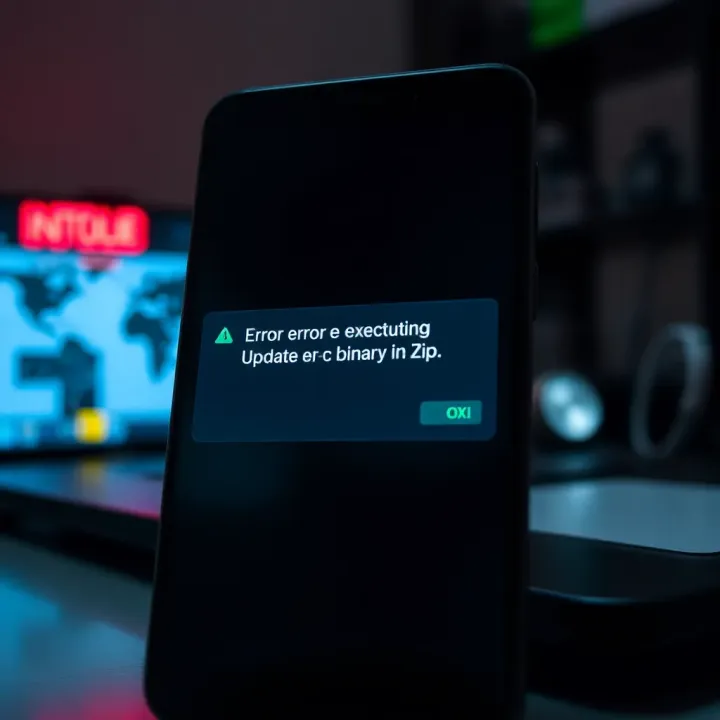
Another common cause is a corrupted or incomplete zip file. If the package downloaded from sources like XDA Developers or custom ROM forums wasn’t saved properly due to unstable internet or interrupted download, the updater binary won’t execute as expected. In some cases, permission settings within the recovery system prevent execution, especially with locked bootloaders or restrictive system policies.
Before flashing, always verify the integrity of the zip file using checksums and ensure your recovery environment supports the package type.
Recovery Environment Mismatch: Using incompatible recovery tools like TWRP or CWM can cause the updater binary to fail.
Corrupted or Damaged Zip Files: Interrupted downloads or faulty storage lead to broken installer scripts.
Device-Specific Packages: Trying to flash a zip meant for a different model or Android version.
Bootloader and Security Restrictions: Locked bootloaders or enforced attestation can block executable scripts.
For freelancers or students experimenting with custom ROMs, and traders or analysts who use multiple Android devices, understanding these factors ensures better troubleshooting. Before attempting the flash, confirm that you're using the recommended recovery version for your device and download zip files from trusted sources only.
Staying aware of these common causes puts you ahead in resolving the "error executing updater binary in zip" swiftly, saving time and protecting your device from potential bricking.
Next sections will cover step-by-step diagnostics and practical fixes tailored for common scenarios experienced by users across Pakistan.
The updater binary is a fundamental component in Android's update and flashing process. Grasping its purpose helps you better diagnose and resolve problems like the 'error executing updater binary in zip'. Essentially, this binary is a small executable script that runs commands to install updates or custom software when you flash a zip file through recovery mode.
The updater binary script manages the sequence of actions needed to properly install an update. For instance, it handles unpacking files, setting permissions correctly, wiping caches if necessary, and placing new system files in their designated locations. Without this binary, the update package cannot instruct the device how to update itself, so any glitches here can cause the installation to fail.
This binary reads instructions embedded inside the zip file that you flash. These instructions, written in scripting language, tell the installer exactly which files to modify or replace, and any pre- or post-installation commands to execute. For example, a custom ROM zip might tell the updater binary to delete the old system partition data before copying new system files. Through this process, the binary ensures the update is integrated correctly with the device’s current setup.
Flashing custom ROMs or mods: When users flash custom ROMs downloaded from forums or third-party sites, the updater binary must match the device and recovery environment. Errors arise if the binary script is corrupted or incompatible, leading to installation failures. For example, flashing a ROM designed for a different model can cause this error if the updater attempts unsupported operations.
Applying official or unofficial OTA updates: Official over-the-air (OTA) updates rely on the updater binary to run smoothly. However, if the recovery used is custom or outdated, its updater binary may not support newer OTA packages, especially unofficial ones. This mismatch can trigger errors during installation, causing users to get stuck on error messages while applying updates.
Installing patches and kernel updates: Smaller updates like patches or kernel flashes also depend on the updater binary to correctly apply changes without corrupting the system. If the zip package has incorrect file structure or permissions, or if the binary encounters unexpected files, it will halt execution and produce an error. For example, users modding kernels might see this if a patch isn't designed for their exact Android version.
Understanding the updater binary isn’t just technical jargon; it helps users avoid common flashing mistakes and prepares them to tackle errors confidently. Recognising where and why these errors occur cuts down trial and error, saving time and potential damage to your device.
Understanding why the 'error executing updater binary in zip' arises is essential for anyone frequently flashing their Android devices. Pinpointing core causes speeds up troubleshooting and stops wasted tries with faulty updates or wrong tools. This section breaks down the three main causes you’re likely to face.
One of the common culprits is a corrupt or incomplete zip file. Often, while downloading large ROM or update files over unstable internet, the download might stop midway or lose some packets. The result is a broken zip file that can't be processed properly during installation. For example, if you’ve downloaded a custom ROM from an unofficial forum and noticed the file size doesn’t match the original, chances are the zip is incomplete, triggering this error.
Another cause is an incorrect file structure inside the zip. Android recovery expects specific folder organisation and scripts inside the installation package. Say, if the 'META-INF' folder or the 'updater-script' isn’t located in expected paths or contains syntax errors, the device’s recovery fails to execute the updater binary. This misalignment breaks the flashing process.
Finally, the difference between signed and unsigned packages matters. Official OTA updates typically come signed for verification, while many custom ROMs or patches are unsigned for easier modification. Using signed update zips on custom recovery tools that don’t support signature verification can cause execution failures. Conversely, flashing unsigned packages on stock recovery or secured devices may be rejected outright.
Mismatch between the recovery version and update package often causes this problem. For instance, if you try flashing a new Android pie ROM using an older TWRP recovery that doesn’t understand newer scripting commands, the updater binary may fail mid-way. Keeping recovery tools updated with your device's Android version is key.
Similarly, device model or Android version incompatibility can halt the installation. Installing a ROM made for a different device model—even if similar in name—or applying updates for Android 11 on a device running Android 9 will trigger this error. The updater binary contains device-specific instructions, so no mismatch can be tolerated.
Using outdated or unstable recovery tools is another big reason. Some recovery environments have bugs that make them choke on otherwise valid update packages. For example, a recovery version released years ago may mishandle new compression formats or script commands introduced in recent updates. Such limitations cause the binary to fail.
Lastly, permission or script execution failures can block the updater binary. If the recovery environment does not have proper rights to execute the update scripts due to permission restrictions, or if there's an error in the shell script syntax within the package, it can’t complete the installation. These failures often show up in recovery logs and require fixing permissions or editing scripts.
Pinpointing these specific causes helps you focus your efforts, whether it’s switching the recovery, verifying the update zip, or matching device compatibility. Each play a part in solving the updater binary error during flashing.
Before jumping into fixes for the "error executing updater binary in zip" message, it's essential to pinpoint the exact cause first. Diagnosing helps avoid unnecessary steps that waste time and might complicate the issue more. For instance, if the zip file is corrupt, no recovery tweak will work unless you first replace the faulty file.
The very first check should be confirming you have the complete and genuine update zip. Downloading files from unofficial or shady sites is risky; the file might be incomplete or tampered with. A typical example is downloading a custom ROM from an unknown forum user, where the file may appear fine but is missing critical components. Checking the file size against the listed official size gives a quick idea if the download finished properly.
Checksums like MD5 or sha256 provide a reliable way to ensure file integrity. After downloading, you can run a checksum tool to produce a hash of your zip file. Compare this with the official checksum, usually posted alongside the download. A mismatch means corruption during download or an altered file, which can cause the updater binary error. Pakistani users can easily find free checksum utilities compatible with their Windows or Android devices; these simple checks save a lot of trouble.
Flashing a zip intended for another device or Android build almost always triggers this error. Smartphones in Pakistan often have region-specific firmware, so using the wrong package—even from the same brand like Samsung or Huawei—can fail. Always double-check the exact model number (usually on the box or under settings) matches with the update intended for it. For example, a Galaxy S10e update won’t work on an S10 Plus directly.
The custom recovery you use (TWRP, CWM, or stock recovery) plays a big role in processing the updater binary. Older recoveries may not support new scripting commands. If your recovery is outdated—say you’re trying to flash a recent Android 13 update on an older TWRP from 2020—it can cause failures. Periodically updating your recovery ensures compatibility with newer update packages.
Many custom recoveries provide a way to view detailed logs during the flashing process. Accessing these logs helps identify what exactly failed. Logs usually show permission issues, missing files, or script errors. For Pakistani users, learning to connect the phone via ADB (Android Debug Bridge) to fetch these logs is a handy skill.
Once accessed, the logs might pinpoint which part of the updater binary script failed. It might be due to invalid commands, wrong file paths, or permission denials on the device file system. Understanding this helps target the fix correctly. For example, a common permission error is when the updater tries to overwrite a system file but lacks root access or proper mount permissions in recovery.
Always spend time diagnosing the issue thoroughly before attempting fixes. Skipping this can lead to repeated failures, potentially bricking the device.
By methodically checking these factors, you can focus your efforts efficiently and avoid common pitfalls when troubleshooting this updater binary error on Android devices.
This section offers detailed steps to resolve the 'Error Executing Updater Binary in Zip' problem commonly faced during Android flashing. Fixing this error is essential for successful installations of ROMs, updates, or patches, saving time and preventing boot loops or bricked devices. Each step targets specific causes—from corrupt files to recovery tool issues—ensuring a systematic approach.
Obtaining files from official or trusted sources is vital to avoid corrupted or tampered packages that trigger errors. For example, downloading a custom ROM from a well-known forum like XDA Developers or the device manufacturer's official portal reduces risk. Avoid using links from unverified sources, which often host broken or incompatible zip files.
Using sha256 or MD5 checksums helps confirm the downloaded file's integrity. Package providers usually list these checksums alongside their files; you can verify with tools like HashCalc or online checkers. If the computed checksum doesn’t match, redownload the zip. This step prevents installation failures caused by partial or damaged downloads, which often cause the updater binary to malfunction.
Installing the latest TWRP or compatible recovery versions solves errors linked to outdated recovery software. For instance, a TWRP build that lacks support for the update package’s scripting language or file structure may reject the binary execution. Regularly updating recovery keeps it compatible with recent ROMs and update scripts.
Using stock recovery when appropriate can also solve the issue, especially when flashing official OTA updates. Stock recoveries are tailored for the device and usually handle official packages well. Switching between a custom and stock recovery depending on the update type prevents conflicts leading to updater binary errors.
Wiping cache and dalvik/art cache clears leftover data that can interfere with flashing new updates. This step ensures the installer runs in a clean environment, avoiding conflicts that cause execution errors. Most recoveries provide easy options for wiping caches without affecting personal data.
Ensuring correct file permissions prevents script execution failures. If permissions are wrong, the system may not run the updater binary inside the zip. Tools like ADB or recovery consoles allow you to set executable flags on script files before flashing. Even a small mistake here can stop the whole update process.
Fixing updater-script errors involves correcting syntax or command mistakes inside the script that runs during installation. For tech-savvy users, extracting the update zip, reviewing the updater-script file, and making adjustments can fix compatibility problems or typos causing execution failures.
Modifying file permissions within the archive includes setting accurate permission bits for files inside the zip. An incorrectly packaged archive with missing or incorrect permissions might cause the recovery environment to deny execution. Using zip tools to repack with proper permissions often resolves this advanced issue.
Performing these troubleshooting steps carefully will improve your chances of a smooth update process and reduce the risk of device malfunction due to faulty installations.
Following this systematic approach ensures you target each potential cause of the updater binary error step-by-step, bringing you closer to a successful flash or update on your Android device.
Taking precautions before flashing updates can save a lot of headaches later. Preventive measures reduce the risk of encountering the "error executing updater binary in zip" issue and make the whole update process smoother. From verifying downloads to regularly updating recovery software, these steps ensure that flashing works without glitches.
Using official developer forums helps confirm that you're getting genuine update files. For instance, popular platforms like XDA Developers or official device community forums often share verified custom ROMs and updates. These sources usually provide checksum values like MD5 or SHA256 alongside files, which you should cross-check. This avoids flashing corrupted or tampered zips that commonly cause updater binary errors.
Avoiding untrusted downloads is critical because unverified files may contain errors or harmful modifications. Users frequently face issues after downloading zips from random websites or unofficial groups on social media. Such files can have missing updater scripts or improper signing, leading to failures during installation. Sticking to trusted sources protects your device and maintains the integrity of the update process.
Regularly checking for recovery updates ensures your recovery environment supports the latest flashing methods and scripts. For example, TWRP (Team Win Recovery Project) frequently releases new versions with bug fixes and expanded device support. Using an outdated recovery may struggle with newer updater binaries, triggering the error. So, update your recovery as soon as stable builds become available for your device.
Matching update packages to device software means confirming that the ROM or patch matches not only your model but also the Android version and build number currently on your phone. Many update failures happen when users flash a package built for an incompatible Android version or a slightly different device variant. Tracing your exact build (via Settings > About Phone) and confirming package compatibility can prevent errors related to binary execution.
Complete device Nandroid backups are a lifesaver if flashing goes wrong. This type of backup creates a full system image of your phone’s current state, including apps, data, and system files. In case the updater binary fails and your device fails to boot, restoring the backup from recovery will bring things back without data loss. This is especially important if you’re experimenting with custom ROMs or unofficial patches.
Using Samsung Smart Switch or similar tools for backup offers an easier way for less technical users to protect their data. Smart Switch backups your contacts, messages, photos, and settings to a PC or SD card. While it doesn't create a full system image like Nandroid, it's useful for restoring personal data quickly after a failed update. For brands other than Samsung, similar OEM apps or third-party tools can be just as valuable.
Prevention beats cure: Taking these steps makes flashing updates safer and saves you from endless troubleshooting over updater binary errors. Always double-check and back up before you flash to avoid unnecessary risks.
🔍 Binary search works well with sorted lists but fails with unsorted or dynamic data. Learn when to avoid it and explore better algorithm choices.

Explore binary relations in sets 📚: definitions, types, examples, and how they link to math concepts. Perfect for understanding key math ideas in set theory.

Master binary number subtraction 🔢 with clear explanations on borrowing and methods. Compare it with decimal subtraction for digital computing 📊 insights.

Learn how binary number calculators work, their benefits and limits, and step-by-step ways to calculate manually or digitally 💻📊 #ComputingBasics
Based on 7 reviews