
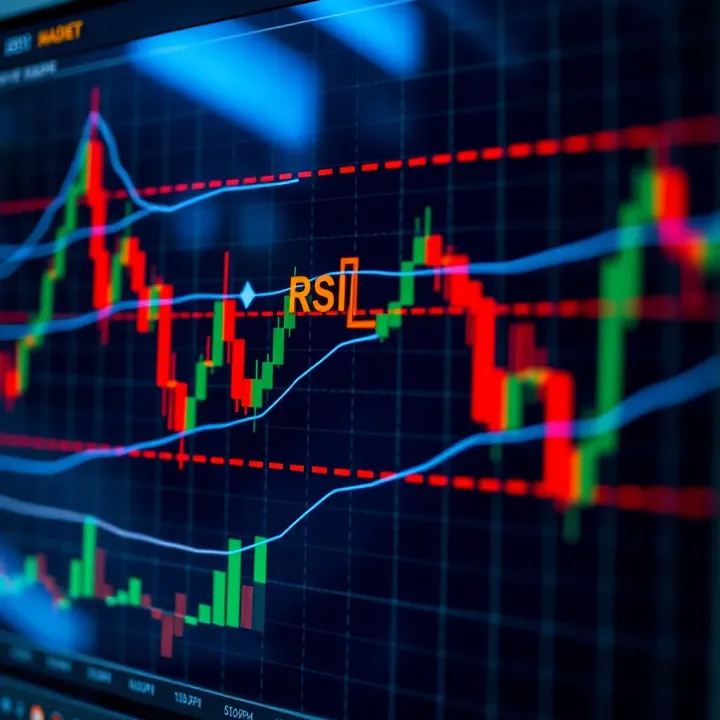
Top Crypto Trading Indicators Explained
Explore top crypto trading indicators 📊, learn how they work, their pros & cons, and smart combos to navigate Pakistan's volatile crypto market confidently 🚀.
Edited By
Isabella Price
Cryptocurrency trading has sparked a lot of interest in Pakistan’s financial circles, but it raises a big question for many Muslims: is it halal? Islamic finance rests on clear principles that govern what’s permissible (halal) and what’s forbidden (haram). Understanding these principles is crucial before engaging in crypto trading.
At its core, Islamic finance emphasises fairness, transparency, and prohibits activities like excessive uncertainty (gharar), gambling (maysir), and interest (riba). Cryptocurrencies introduce a new challenge because they are quite different from traditional financial assets. Unlike stocks or physical commodities, cryptos are digital, decentralised, and extremely volatile.
Some Islamic scholars argue that since cryptocurrencies don’t represent tangible assets and involve high uncertainty, trading them might be haram. Others say digital currencies can be considered a form of currency or asset, making trading halal if done without excessive speculation.
The debate often centres on whether cryptocurrencies meet the criteria of mal (property) in Islamic law and whether trading is done with proper intention and transparency.
For Pakistani investors, this discussion is particularly important as the State Bank of Pakistan has yet to provide a clear regulatory framework for cryptocurrencies. Traders must be cautious and consider both Shariah principles and local regulations.
Key issues to consider include:
The nature of ownership in cryptocurrencies
The presence of gharar or excessive risk in trading
Whether trading resembles gambling or speculation
The intention behind investment (long-term asset vs short-term gain)
Understanding these points helps traders invest ethically and confidently. The article will further examine detailed Islamic evaluations and offer practical guidance for Muslims in Pakistan.
This introduction sets the stage by highlighting the intricate blend of religious principles and modern finance that crypto trading presents, a topic that continues to evolve worldwide and in Pakistan.
Grasping the fundamentals of Islamic finance is vital when examining whether crypto trading aligns with Shariah law. Islamic finance revolves around ethical and moral guidelines that shape permissible financial activities. This framework helps investors steer clear of prohibited elements, ensuring that their dealings reflect Islamic values. For example, knowing these principles can prevent one from unknowingly engaging in riba (interest) or gharar (excessive uncertainty), which are strictly forbidden.
Riba refers to any predetermined interest charged on loans or deposits, which Islam explicitly prohibits. This principle is practical because it safeguards individuals from exploitative practices that increase financial inequality. Practically, Muslim investors avoid fixed-interest-based accounts or instruments, choosing profit-and-loss sharing alternatives instead. For instance, Islamic banks in Pakistan use modes like Mudarabah and Musharakah that comply with this rule.
Gharar means ambiguity or excessive uncertainty in contracts, which can lead to disputes or unfair gains. This aspect stops people from entering into highly speculative deals or unclear agreements. In trading, contracts must be clear and transparent—if you buy a product, you must know what exactly you are getting. Excessive volatility or incomplete information, like in some crypto transactions, raises red flags under this rule.
Islam restricts investments in sectors involved with alcohol, gambling, pork, or interest-bearing businesses. This avoids profiting from activities harmful or forbidden in Islam. For Pakistani Muslims, this means screening shares or investments before committing, ensuring they don't indirectly support forbidden industries. Crypto projects connected to unethical activities would, for example, fall under this prohibition.
Islamic scholars (jurists) play a crucial role in assessing new financial tools like cryptocurrency. They analyse products based on Shariah principles, considering context and intention. Their rulings guide the community, balancing tradition with modern economic realities. Jurists often consult each other's fatwas and adapt rulings as technology evolves, making their decisions highly relevant for contemporary Muslims.
The intention behind transactions and full disclosure are central in Islamic finance. Transparency ensures both parties understand terms to avoid disputes and injustice. When investing in cryptocurrencies, clarity about the asset’s nature, associated risks, and contract terms is essential. Intent matters too — trading for genuine investment differs from mere speculation or gambling, impacting the Islamic ruling.
Understanding these principles thoroughly helps Muslims make informed, ethical financial decisions, whether dealing with conventional banking or new-age assets like cryptocurrency.
To understand whether crypto trading is halal, it's essential to first grasp what cryptocurrencies are and how trading them functions. This knowledge helps clarify how crypto fits—or conflicts—with Islamic finance principles.
Cryptocurrencies are digital currencies secured by blockchain, a kind of public ledger. This ledger records every transaction but is decentralised, so no single entity owns or controls it. For example, Bitcoin keeps a permanent record of all transactions shared across thousands of computers worldwide, making it tough to tamper with.
This transparency and security have practical implications—users can verify transactions independently, reducing the need for trusted intermediaries like banks. This mirrors, in some respects, Islamic emphasis on transparency and avoidance of deceit.
Unlike traditional money managed by governments or banks, cryptocurrencies work peer-to-peer (P2P). This means you can send or receive crypto directly to someone else without intermediaries. For example, a seller in Karachi might accept Bitcoin from a buyer in Lahore directly through a wallet.

Decentralisation also limits central control or manipulation, which some argue aligns with Islamic principles resisting unjust power concentration.
Trading cryptocurrencies involves buying digital coins at one price and selling at another, often aiming to profit from price changes. Many traders speculated heavily during Bitcoin’s price surges in 2021, hoping to buy low and sell high.
However, speculation can blur lines between investment and gambling—a significant concern from an Islamic viewpoint. Recognising this difference is critical for Muslims considering halal trades.
Crypto trading happens on various platforms, from centralised exchanges like Binance and Coinbase to decentralised alternatives such as Uniswap. In Pakistan, platforms like LocalBitcoins and Binance are popular, albeit amidst regulatory uncertainties.
The choice of platform affects security, transparency, and compliance—the more regulated and transparent the platform, the safer the trading environment for users.
Cryptocurrencies are infamous for their price volatility. For instance, Bitcoin fell from nearly $60,000 in April 2021 to under $30,000 by July the same year. Such unpredictability exposes traders to significant risks.
This volatility elevates concerns about gharar (excessive uncertainty) in Islamic finance. Understanding these market risks is vital for anyone wanting to trade responsibly and within Shariah guidelines.
Clear understanding of cryptocurrency’s nature and trading mechanics equips Muslims to make informed decisions about their halal compliance in investment.
When considering whether crypto trading fits within Islamic law, it's essential to evaluate it through Shariah principles. Islamic finance emphasises fairness, transparency, and ethical transactions. Assessing crypto trading this way helps Muslims avoid prohibited practices like riba (interest) and gharar (excessive uncertainty). Plus, such analysis provides clarity about ownership and the genuine value of assets involved.
Cryptocurrencies themselves don’t inherently carry interest or riba because they function as digital assets rather than lending instruments. Holding or trading crypto tokens is a transaction between two parties without interest being charged in the asset itself. For instance, if you buy Bitcoin and later sell it at profit, this is essentially a trade rather than interest-earning.
However, certain crypto trading methods involve borrowing funds, especially in margin trading or using leverage. Such practices often require paying interest on borrowed capital. This interest component clearly conflicts with Shariah prohibitions on riba. Therefore, Islamic scholars generally warn against leveraged crypto trading, as it effectively means paying or receiving interest, which invalidates its halal status.
Gharar refers to excessive uncertainty or ambiguity in a transaction. Crypto markets are known for high volatility and unpredictable price swings. This level of uncertainty can conflict with Shariah's demand for clear terms and understanding between parties. For example, buying a newly issued token with unexplored use cases exposes the investor to excessive uncertainty, which may be considered gharar.
Distinguishing between speculation and investment is vital. Investing implies examining underlying value and holding assets for long-term benefit. Speculation relies on price changes without concern for intrinsic value. Crypto's reputation for speculation draws scrutiny. If trading focuses purely on quick profits from price swings, it leans towards gharar and may fall into the haram category.
Volatility alone doesn't render an asset forbidden, but the combination with speculative intent may. Islamic finance permits some risk but demands reasonable certainty. Excessive price jumps seen in cryptocurrencies can challenge this balance, questioning the permissibility of trading on unstable grounds.
Shariah traditionally prefers assets with tangible backing like gold, property, or goods. Cryptocurrencies are intangible; they exist only as digital records on a blockchain. While this raises questions for some scholars, others accept intangible assets if they represent real ownership and rights.
The debate revolves around whether crypto tokens represent real value or mere speculation. Some argue that cryptocurrencies hold value because they facilitate peer-to-peer transactions and store wealth without intermediaries. Others doubt their stability and use, treating them as speculative assets without clear backing. This uncertainty about value retention influences whether crypto is halal to trade.
Ultimately, analysing crypto trading through Shariah lenses means weighing factors like interest involvement, uncertainty levels, and asset authenticity. This detailed examination guides Pakistani Muslims to trade within ethical and religious boundaries, avoiding pitfalls found in unregulated or speculative market behaviour.
Scholarly opinions on crypto trading vary widely, reflecting the complex intersection between modern finance and Islamic law. This diversity is crucial because it helps Muslims navigate the complexities and uncertainties surrounding cryptocurrencies. Scholars evaluate crypto trading through different lenses, considering factors like currency status, transaction ethics, and risks involved. Having multiple perspectives allows traders and investors to make informed decisions that align with their religious beliefs.
Some scholars consider cryptocurrencies acceptable since they function like money or tradeable assets. They argue Bitcoin or similar coins allow peer-to-peer transactions without the need for traditional banks, much like how cash is exchanged. For example, if you use Bitcoin to buy goods or pay services, this is seen as a legitimate exchange of value. This perspective highlights that cryptocurrencies can serve as a medium of exchange, fulfilling one primary characteristic of money.
Supporters often compare cryptocurrencies with paper money, which is itself fiat currency without intrinsic physical backing. Like paper notes, cryptocurrencies do not represent a physical asset but hold value because people collectively accept them. This analogy helps clarify why digital coins might be halal, as paper money is widely accepted by scholars as permissible despite its intangible nature. The key difference lies in decentralisation; cryptocurrencies operate without central banks, but this doesn’t automatically make them haram.
Halal certification usually depends on certain conditions: transactions must avoid interest (riba), excessive speculation (gharar), and involvement in forbidden industries. If crypto trading occurs without leveraging margin accounts or manipulative practices and focuses on genuine buying and selling, many scholars see it as permissible. Traders are encouraged to ensure transparency and avoid gambling-like behaviour to stay within Shariah guidelines.
Some scholars caution that crypto markets carry excessive gharar—in other words, uncertainty and risk. The rapid price swings and lack of clear valuation may lead some traders into gambling rather than investing. Cases of scams and fraudulent initial coin offerings (ICOs) have also raised red flags. Such risks, they argue, make crypto trading questionable or outright prohibited unless these issues are addressed clearly.
The absence of a central regulatory authority worries many Islamic jurists. This gap means there’s no guaranteed protection against fraud or market manipulation. Unlike regulated banking systems in Pakistan, crypto exchanges often function without oversight, exposing traders to losses and unethical practices. This regulatory vacuum leads some scholars to view crypto trading as risky and non-compliant with Islamic financial ethics.
Ethical concerns also play a big role in declaring crypto haram. If coins are used in illegal activities like money laundering, terrorism financing, or unregulated gambling, the ethical breach overshadows any financial benefits. Scholars stress that investments must promote social good and avoid harm; hence, crypto’s association with dubious uses may place it outside permissible bounds.
Understanding these differing views helps Pakistani Muslims weigh risks against opportunities when considering crypto trading, ensuring their choices align with both faith and financial prudence.
For Pakistani Muslims, the decision to engage in cryptocurrency trading involves more than just financial prospects. Practical considerations include understanding Pakistan’s evolving legal framework, religious guidance, and the risks linked to crypto investments. Addressing these points helps Pakistani traders align their investment choices with both Shariah principles and local regulations.
Pakistan’s stance on cryptocurrency trading remains cautious. While cryptocurrencies are not legally banned, the State Bank of Pakistan (SBP) has not recognised them as legal tender. This absence of official status means trading crypto assets is largely unregulated, leaving users vulnerable to sudden policy shifts. In 2018, SBP restricted banks from facilitating transactions involving virtual currencies, signalling regulatory wariness. For investors, this means crypto assets are currently outside Pakistan’s financial protection mechanisms.
Operating in such a regulatory grey zone requires vigilance. Pakistanis trading crypto cannot rely on dispute resolution through local financial institutions if issues arise. The government has periodically warned against crypto trading due to its speculative nature and potential for misuse. Traders need to stay updated with any regulatory changes announced by the SBP or Securities and Exchange Commission of Pakistan (SECP) to avoid legal troubles.
Given the lack of clear regulation, unregulated exchanges pose significant risks. Several Pakistani traders have reported fraud, withdrawal delays, and sudden platform shutdowns. Without a regulatory body overseeing these platforms, users have little recourse to recover lost funds.
Moreover, unregistered platforms may not implement stringent security measures, leaving users exposed to hacking or data theft. For example, some crypto scams lure traders with promises of high returns but disappear once a substantial number of investments have been collected. Keeping transactions and holdings on trustworthy, adequately secured exchanges reduces these risks considerably.
Before trading, Pakistani Muslims should consult scholars proficient in both Islamic finance and contemporary investment practices. Such guidance clarifies whether specific crypto assets or trading methods comply with Shariah law. Scholars can help discern permissible investments by focusing on the nature of the asset, absence of interest, and the level of speculation involved.
Crypto markets are highly volatile, encouraging speculative behaviour that Islam discourages due to gharar (excessive uncertainty). Responsible traders should frame their approach as investment in assets with intrinsic value rather than gambling on price swings. For instance, holding Bitcoin as a store of value with a long-term outlook differs from frequent buy-sell attempts seeking quick profits.
Pakistani traders must choose established and reputable cryptocurrency exchanges. This includes verifying the platform’s security protocols, transparency, and user reviews. Due diligence extends to understanding fee structures, withdrawal policies, and compliance with international AML (Anti-Money Laundering) standards. Platforms like Binance and Coinbase, while international, provide relatively stronger safeguards compared to many smaller, local outfits.
Choosing trusted exchanges and informed strategies helps Pakistani Muslims minimise risks and stay within both legal and religious boundaries when trading cryptocurrencies.
In summary, Pakistani Muslims looking to trade cryptocurrencies must navigate a tricky balance of legal uncertainty, religious compliance, and market risks. Staying informed on regulations, seeking trusted scholarly advice, and practising cautious trading can safeguard both faith and finances.
Explore top crypto trading indicators 📊, learn how they work, their pros & cons, and smart combos to navigate Pakistan's volatile crypto market confidently 🚀.
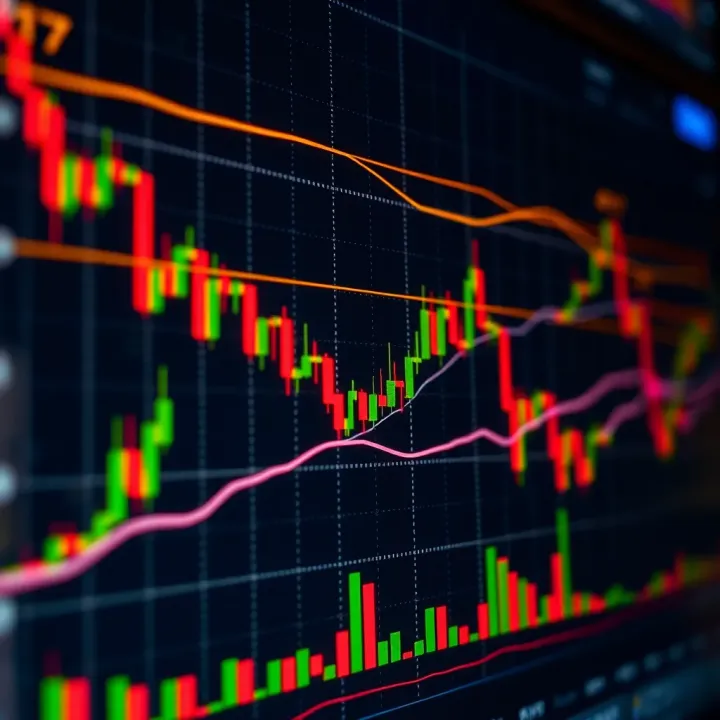
📊 Learn how to choose the best crypto trading indicators, combine tools, and adapt strategies for Pakistan’s fast-moving market to boost your trade timing and decisions.
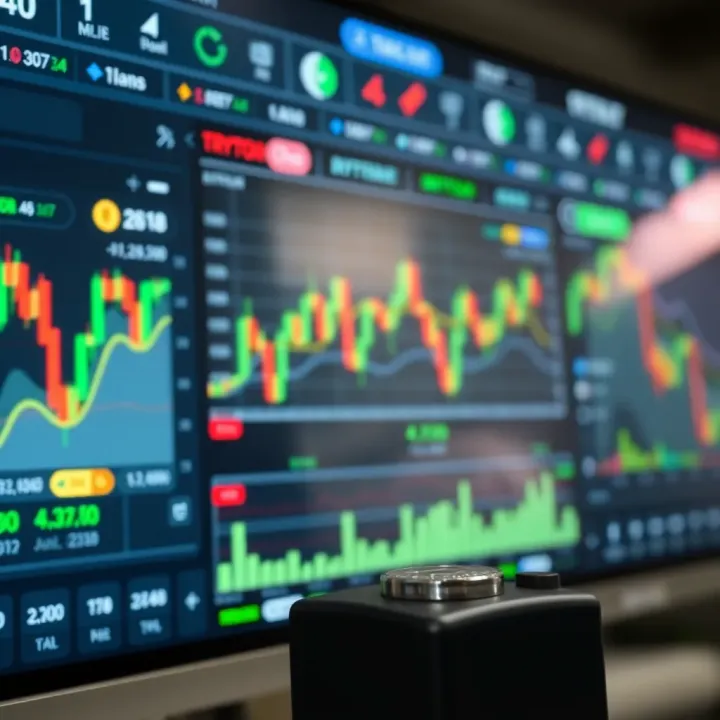
Find the best crypto trading platform in Pakistan 🇵🇰 with expert tips on security, fees, regulations, and popular options to trade confidently today! 💰
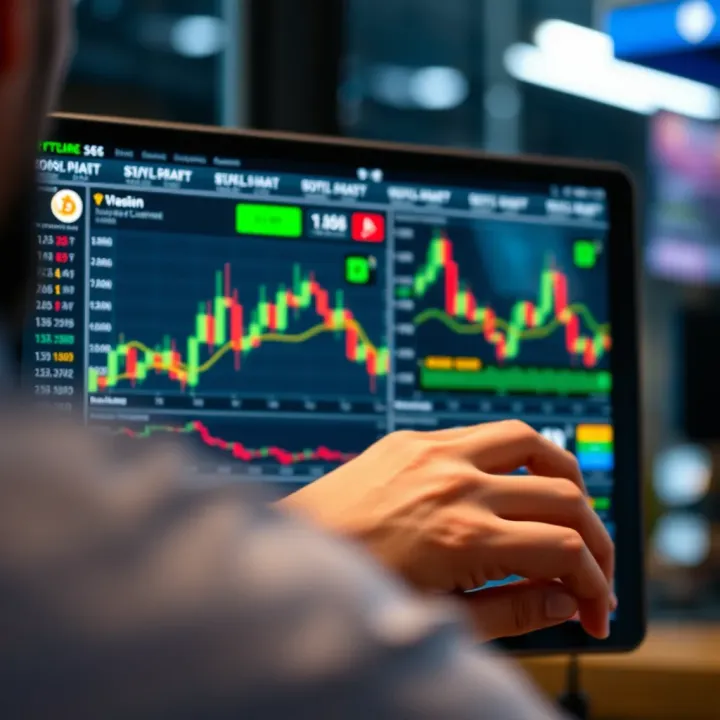
Explore top crypto trading platforms for Pakistani users 🇵🇰! Learn how to pick secure, legal options that match your trading style and needs 💰🔒
Based on 14 reviews