
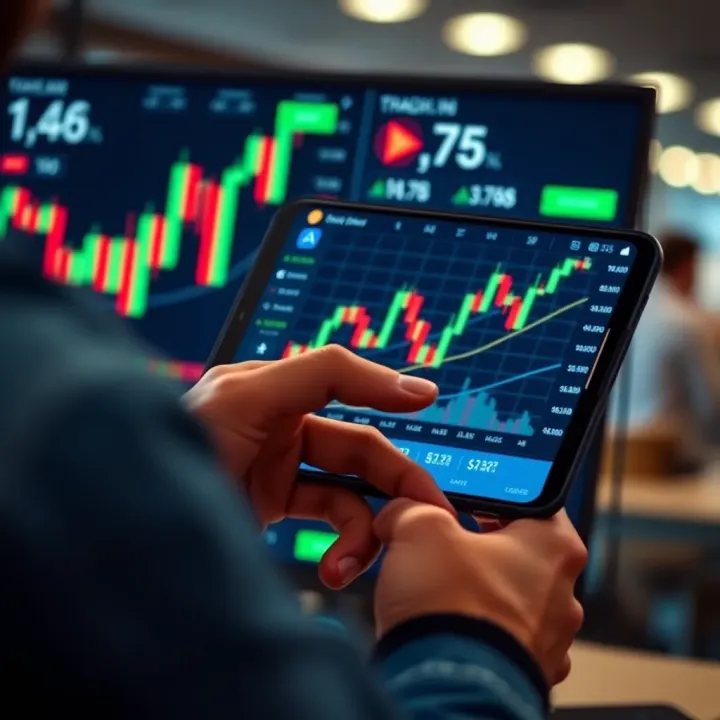
Choosing the Best Trading App: A Simple Guide
Find the perfect trading app for you in Pakistan 🇵🇰 and beyond! Compare features, usability, security, and costs to trade smarter📱💹.
Edited By
Sophia Walker
Cryptocurrency trading in Pakistan has gained serious momentum over the past few years. With digital assets becoming a popular investment, picking the right trading app has become more important than ever. An app isn't just a gateway; it's your main tool to buy, sell, and keep track of crypto securely.
Choosing an app suited for Pakistani users means considering several key factors. First, the app should support local payment methods, such as JazzCash, Easypaisa, or direct bank transfers from HBL, MCB, or Meezan Bank. This helps avoid delays and additional conversion fees when depositing or withdrawing PKR.
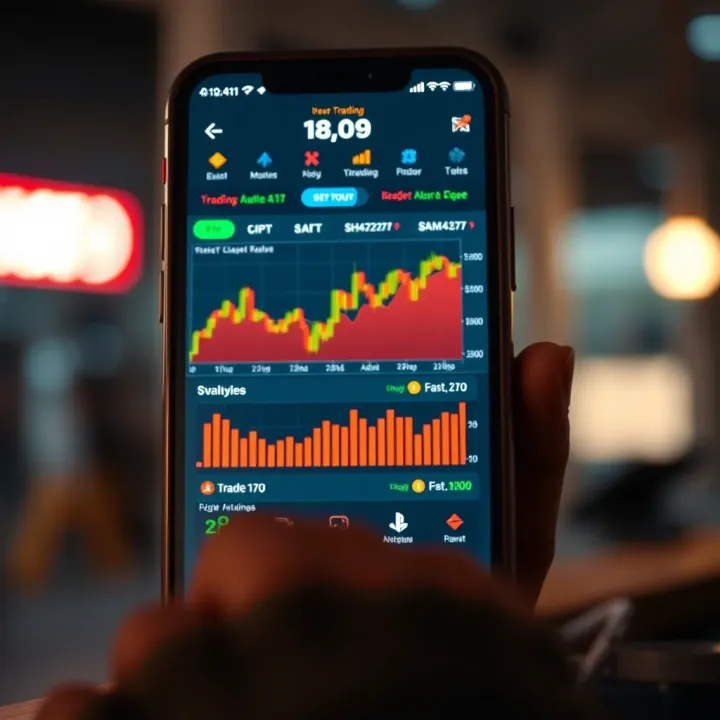
Security is another non-negotiable aspect. You want apps that offer two-factor authentication (2FA), biometric logins, and encryption to keep your funds safe. Trustworthy apps also provide clear privacy policies and regular updates to patch vulnerabilities.
Regulatory matters come into play too. Pakistan’s regulators have yet to issue comprehensive rules on cryptocurrency, so apps that comply with PTA (Pakistan Telecommunication Authority) and ensure KYC (Know Your Customer) processes provide a level of legitimacy and lower risk of sanctions or account freezes.
In the coming sections, we will cover features to prioritise, how to evaluate app security, and ways to manoeuvre through Pakistan’s regulatory landscape. You will also find comparisons of apps commonly used here, like Binance, LocalBitcoins, and CoinDCX. This will help you trade confidently while navigating the specific challenges faced by Pakistani crypto enthusiasts.
Trade smart by choosing apps that blend security, usability, and compliance tailored to Pakistan’s market.
Whether you are a student exploring investment options, a freelancer eyeing new income streams, or a financial analyst tracking market movement, understanding these basics will set you on the right track.
Cryptocurrency trading refers to buying and selling digital currencies like Bitcoin, Ethereum, and more through online platforms known as trading apps. These apps enable users to trade cryptocurrencies against other coins or fiat currencies such as Pakistani Rupees (PKR). For Pakistanis, understanding crypto trading is essential because it offers alternative investment options beyond traditional markets.
Crypto trading apps provide real-time market data and the ability to execute trades quickly, making them popular among people who want to tap into fast-moving digital assets. This environment can be volatile but also presents opportunities for profit with the right strategy.
At its core, cryptocurrency trading involves speculating on price movements of digital coins. Traders can buy low and sell high to earn returns or take short positions to profit from price falls. Unlike conventional stocks, cryptocurrencies trade 24/7, offering the flexibility to react to global developments instantly.
Trading is usually done on specialised platforms that offer order types such as market orders (instant purchase at the current price) and limit orders (trade executes only at a specified price). Understanding how to use these orders and read market charts helps traders make informed decisions.
Many Pakistanis are searching for better ways to grow their savings beyond traditional bank deposits or the stock market, which can sometimes offer low returns or require larger sums. Cryptocurrency trading offers a chance to tap into emerging markets where significant price swings can multiply investments in a short time.
For example, during early 2021, Bitcoin's price surged dramatically, allowing those who entered early to earn substantial profits. While it carries risks, the potential for high returns attracts many investors, especially younger ones willing to learn and navigate this new financial terrain.
Pakistan's youth, comfortable with smartphones and digital apps, find crypto trading appealing due to its tech-driven nature. Many young people in cities like Karachi, Lahore, and Islamabad are naturally drawn to blockchain technology and the idea of decentralised finance.
Access to a smartphone and internet makes it easy to start trading anytime, anywhere, even during loadshedding-free moments. This accessibility has encouraged a growing community of young traders experimenting with crypto, sharing knowledge on social media and online forums.
Traditional financial markets in Pakistan sometimes restrict direct participation in foreign assets due to regulatory or currency exchange barriers. Cryptocurrency markets, however, are global and operate around the clock without such rigid constraints.
This global aspect allows Pakistani traders to engage in markets beyond their borders without waiting for market hours. Furthermore, cryptocurrencies can be converted directly into US dollars or other currencies, making international transactions smoother for freelancers and exporters getting paid in digital assets.
Understanding these practical reasons helps explain why cryptocurrency trading is gaining traction in Pakistan. Whether for investment gains, tech appeal, or global reach, more individuals are recognising the value of entering the crypto space through reliable trading apps.
Choosing the right cryptocurrency trading app means keeping an eye on features that actually make trading smoother and more secure. In Pakistan’s growing crypto market, these features help you manage investments better, avoid surprises, and navigate the market confidently.
Mobile app design plays a crucial part in how comfortably you can trade. A well-designed app offers a clean layout with clear fonts and buttons sized right for mobile screens. For instance, apps like Binance or Coinbase tend to keep things minimal without cluttering the screen with too many options. This helps whether you’re trading during a quick commute or from home. Simple colours and dark mode options also reduce eye strain during long trading hours.
Navigation and responsiveness ensure you don’t waste time digging through menus or waiting for pages to load. Good apps respond instantly when you tap or swipe, showing price changes or your portfolio updates right away. This flexibility is key since crypto prices can change by the minute. Apps that freeze or lag can cause missed trading chances or even financial losses, especially in volatile markets.
You want an app that supports popular cryptocurrencies like Bitcoin, Ethereum, and newer ones like Solana or Cardano. Karachi-based user Farhan noticed that apps showing many coins open doors to diversify investments without shifting between platforms. This aspect also affects your long-term trading strategy.
Local currency support is equally important. Platforms supporting Pakistani Rupees (PKR) simplify deposits and withdrawals—no need to convert to USD or other currencies, which can add costs and delay transactions. This feature makes it easier for Pakistani traders to fund accounts through banks or mobile wallets like JazzCash.
Understanding market and limit orders is vital for smart trading. Market orders let you buy or sell instantly at current prices; good for fast reactions. Limit orders place conditions to buy or sell only at set prices, helping traders avoid sudden market swings. Apps like Kraken provide both options, so you can switch between quick and planned trades.
Charts and analytics help you track price trends, volumes, and historical data visually. These tools guide when to enter or exit trades, making decisions less about guesswork and more about smart analysis. Features like candlestick charts and moving averages on apps like Binance aid even novice traders to read market behaviour more clearly.
Deposit and withdrawal charges can quietly eat into profits. Some apps waive deposit fees but charge for withdrawals, or vice versa. For example, a Pakistani trader using Coinbase found fees stacking up when moving funds back to a local bank. Knowing these costs upfront can help avoid unexpected deductions.
Trading fees vary by platform and sometimes by volume traded. Lower fees mean you keep more of what you earn, important if you trade frequently or in small amounts. Some apps offer fee discounts when using their native tokens or after reaching trading milestones. These details matter, especially for freelancers or students trading part-time on limited budgets.
Keeping these features in mind while choosing an app sets a strong foundation for successful crypto trading in Pakistan. It ensures your experience stays smooth, secure, and cost-effective even as markets fluctuate.
Security remains a top concern for anyone trading cryptocurrencies, especially in Pakistan where digital risks are rising. Ensuring your crypto assets and personal data are safe is not just a luxury but a necessity. Reliable apps use multiple layers of protection to reduce hacking, theft, and fraud risks.
One straightforward way to protect your trading account is through two-factor authentication (2FA). This adds an extra step beyond your password, like a code sent to your mobile or generated through an app such as Google Authenticator. Without 2FA, if your password leaks, intruders can access your account easily. But with it, even if someone guesses your password, they’ll still need that second verification to get in.
Using 2FA significantly lowers the chances of unauthorised access. Many Pakistani apps now require this as part of their login process. For traders, this means peace of mind knowing that their crypto holdings and funds are shielded against common cyber threats.
Cold wallets refer to crypto storage devices disconnected from the internet, like hardware wallets or offline paper wallets. These wallets keep digital assets safe from online hacks because they aren’t constantly exposed to internet risks. For example, a hardware wallet like Ledger Nano stores private keys securely and only connects to your device when you need to sign a transaction.
Cold wallets are vital for those holding large amounts or planning to keep coins long-term without frequent trading. However, they require careful handling; losing the device or backup seed can mean permanent loss of crypto.
Custodial vs non-custodial wallets highlight a crucial difference in control. Custodial wallets mean the trading app or service holds your private keys on your behalf, simplifying use but placing trust in the provider’s security and honesty. Conversely, non-custodial wallets give you full control over your keys, which means greater responsibility but also independence and less risk if the platform faces issues.
For Pakistani traders, non-custodial wallets offer peace of mind from platform failures or government restrictions. At the same time, custodial wallets are convenient for quick trading but demand strong security from the provider.
Know Your Customer (KYC) procedures require users to submit proof of identity and address before trading. This isn’t just about following rules; it helps prevent fraud and illegal activities. Pakistani exchanges typically ask for CNIC scans and sometimes utility bills to complete KYC, ensuring only verified users participate.
KYC also reassures banks and regulators, which can ease banking and withdrawal processes for traders. Although some see KYC as cumbersome, it adds a layer of accountability essential in today’s regulatory environment.
Anti-Money Laundering (AML) policies complement KYC by monitoring and reporting suspicious transactions. Firms implement AML protocols to detect unusual activity like large sudden deposits or withdrawal patterns that could indicate money laundering.
For Pakistani users, apps with strong AML measures reduce the chance of your account being frozen or flagged suspiciously. It helps keep the crypto ecosystem cleaner and gives traders confidence their activity is legitimate and protected.
Trading cryptocurrency without proper security checks is like leaving your house unlocked in a busy market. Strong security within your trading app safeguards your investments and personal data from common risks seen in Pakistan’s digital space.
In summary, focusing on secure login methods, smart asset storage choices, and adherence to local KYC and AML rules will help Pakistani traders navigate crypto safely and confidently.
Understanding the legal and regulatory environment is vital for anyone trading cryptocurrency in Pakistan. Since the government and financial authorities have not yet fully embraced digital currencies, regulations remain unclear and evolving. This uncertainty impacts traders and app providers alike, making it essential to stay informed and cautious.
Pakistan has not yet passed clear legislation specifically regulating cryptocurrencies. The State Bank of Pakistan (SBP) has repeatedly issued warnings to the public about the risks of crypto trading, but no formal ban currently exists. However, the SBP forbids banks and financial institutions from dealing directly with cryptocurrency exchanges, making it tricky to convert digital assets into Pakistani rupees through official channels.
Meanwhile, the Securities and Exchange Commission of Pakistan (SECP) is exploring frameworks to regulate digital assets, but this process is still underway. Traders must understand that operating in this legal grey area means increased risks, including limits on access to banking and potential future compliance obligations.
Due to SBP’s restrictions, Pakistani banks generally avoid transactions linked to cryptocurrency exchanges. This means users often cannot deposit or withdraw funds directly through conventional bank accounts to crypto platforms. Instead, many rely on peer-to-peer (P2P) trading or external digital wallets, sometimes risking delays or higher charges.
For app providers, these banking restrictions limit their access to formal payment systems in Pakistan. Local apps often try to bridge this gap by integrating with popular payment services such as JazzCash and Easypaisa, helping users manage PKR transactions without relying on traditional banks.
While Pakistan has no dedicated tax rules for cryptocurrency earnings as of yet, income generated from trading or gains realised on cryptocurrencies might fall under existing income tax regulations. Traders must remain mindful that profits from crypto could be considered taxable income by the Federal Board of Revenue (FBR).
Failing to declare crypto income might bring legal trouble, so it is wise to keep accurate records of transactions. As the tax framework develops, clearer guidelines on reporting and tax obligations will likely emerge, making early compliance a smart choice.
Keeping track of announcements from the SBP, SECP, and FBR is the most reliable way to stay informed. These institutions release updates about policies impacting cryptocurrencies, including any new rules or clarifications. Monitoring their websites and press releases ensures traders have access to verified information directly from regulators.
Given the rapid changes in the crypto space, following official channels avoids the risk of misinformation that can spread easily on social media.
On the other hand, active participation in Pakistani crypto forums, Telegram channels, and social media groups helps traders hear about practical experiences and peer advice. These communities often share timely news about regulatory shifts, banking hurdles, or changes in popular trading apps.
That said, such sources should be approached cautiously and cross-checked with official news to avoid rumours. Yet, the interaction with fellow traders can offer valuable insights that official notices might not cover immediately.
Staying updated on legal and regulatory developments helps you avoid surprises and trade securely in Pakistan’s uncertain crypto landscape.
Selecting the right cryptocurrency trading app matters, especially in Pakistan where regulatory uncertainties and banking restrictions impact how traders operate. Popular apps provide a starting point since they combine user trust, solid security, and available trading options. Pakistani users benefit most from apps that handle PKR transactions smoothly and offer local customer support.
Binance stands out as the most widely used global crypto trading app in Pakistan. It offers a massive selection of cryptocurrencies, including Bitcoin, Ethereum, and local favourites like Shiba Inu. Binance's low trading fees and diverse order types appeal to traders wanting flexibility. The app supports P2P trading, which helps bypass banking restrictions in Pakistan, allowing deposits and withdrawals through local bank accounts or mobile wallets like JazzCash.
Coinbase caters more to beginners with its straightforward interface and strong regulatory compliance. Though it supports fewer coins than Binance, its simplicity makes it attractive for new Pakistani traders who want hassle-free crypto buying. However, Coinbase's fees tend to be higher, and limited PKR support means users often face currency conversion costs when funding accounts.
Kraken is popular among more serious traders for its advanced security and comprehensive charting tools. It operates under strict regulatory oversight, which adds confidence about fund safety. Kraken accepts various cryptocurrencies and offers margin trading, but its platform might appear complex for beginners. Also, Pakistani traders should check currency support carefully, as direct PKR transactions aren't always available.
Pakistan-based exchanges like Urdubit and BTC Pakistan offer easier access to cryptocurrency trading by supporting Pakistani Rupees directly. These platforms often provide personalised customer service and simplified onboarding with CNIC verification. Though they may list fewer coins than global giants, Pakistani traders get faster deposit and withdrawal options without currency conversion hassles.
Apps supporting PKR transactions simplify the process significantly by eliminating extra costs and delays due to currency exchange. Platforms like LocalBitcoins and Paxful enable peer-to-peer trading with PKR payment options through Easypaisa or bank transfers. Using such apps helps Pakistani users trade with minimal friction, especially useful amid reports of strict banking scrutiny on crypto-related transactions.
Choosing apps that support PKR and operate within Pakistan’s regulatory climate reduces the risks and makes crypto trading more accessible and efficient for Pakistani users.
Ultimately, your choice depends on your trading style, the coins you prefer, and how much local currency support you require. Global apps bring variety, while Pakistan-based platforms add convenience and legal comfort. Finding the right balance will help you trade smarter and safer.
Find the perfect trading app for you in Pakistan 🇵🇰 and beyond! Compare features, usability, security, and costs to trade smarter📱💹.
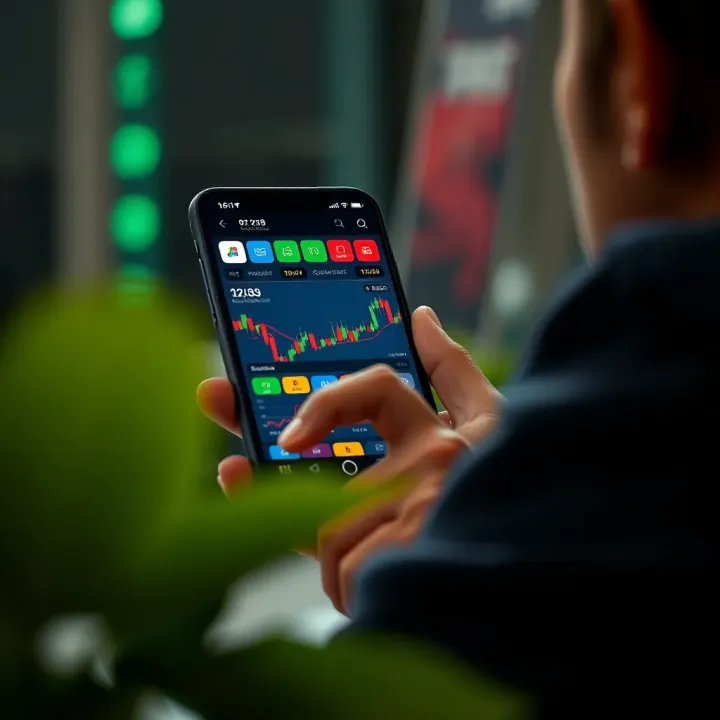
Discover the best online trading app in Pakistan 📱 Compare features, security, and usability to find the ideal platform for your investing needs today!
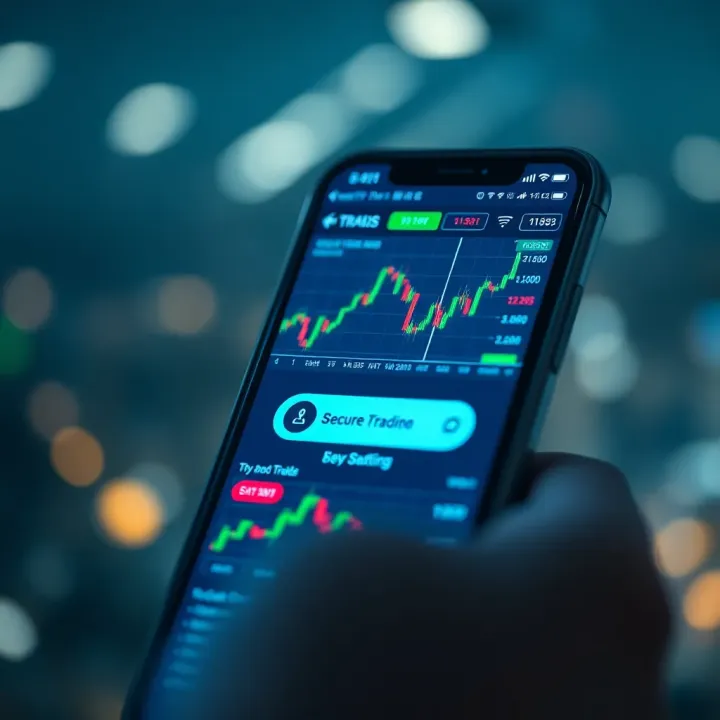
🔍 Find the best cryptocurrency trading app for Pakistan! Learn about security, regulations, features, and top options for safe, easy trading. 💰📱
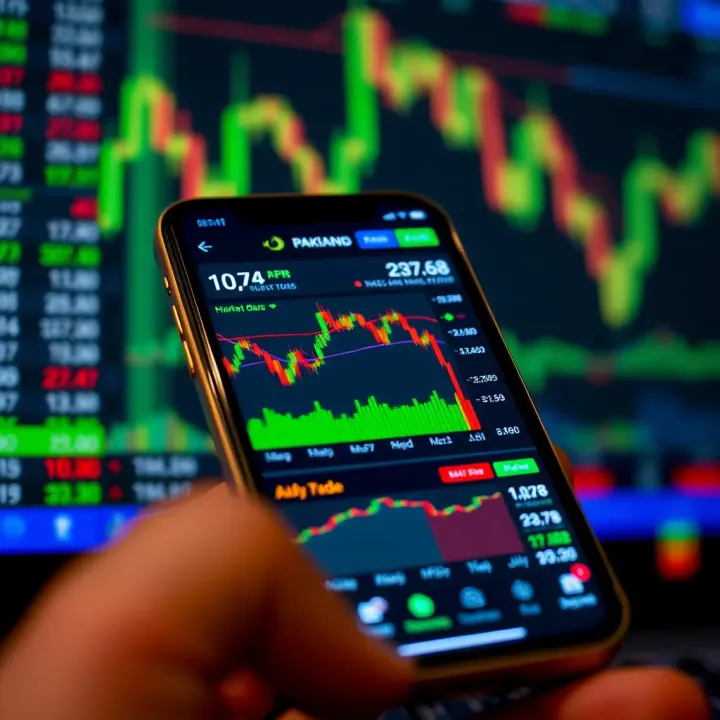
📈 Explore top Pakistan trading apps with our guide on usability, security, cost, and regulations. Make safe, informed decisions for the local stock market and economy.
Based on 14 reviews